
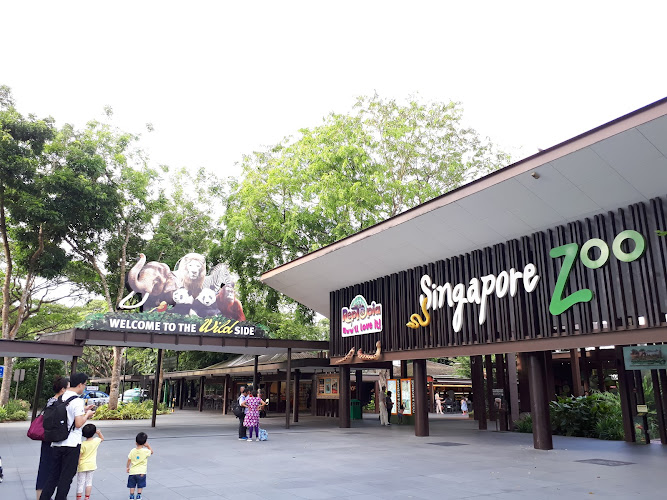
Singapore Zoo
About Singapore Zoo
Description
The Singapore Zoo represents one of those rare wildlife experiences where animals live in environments that actually resemble their natural habitats rather than being stuck behind concrete walls and iron bars. Opened back in 1973, this 69-acre rainforest zoo has built its reputation on an open-concept design that lets visitors observe more than 2,800 animals from around 300 species in thoughtfully crafted habitats separated by natural barriers like moats, vegetation, and glass panels. What strikes most travelers right away is how the zoo manages to maintain that delicate balance between accessibility and authenticity. You're not just staring at animals from a distance here – you're walking through lush tropical settings where orangutans swing overhead, lemurs leap between trees, and you can almost forget you're in a zoo at all. And honestly, that's exactly what makes this place special among the countless wildlife parks scattered across Asia. The zoo sits within the larger Mandai Wildlife Reserve alongside the Night Safari, River Wonders, and Bird Paradise, but it absolutely holds its own as a standalone destination. I've heard from countless travelers who initially planned just a quick morning visit and ended up spending an entire day exploring every corner. The rainforest setting means you'll be walking through actual forested areas rather than across hot concrete – a blessing in Singapore's tropical climate that somehow makes the experience feel more like an adventure than a typical zoo visit.Key Features
The Singapore Zoo packs in enough attractions and experiences to justify multiple visits, though most travelers only have one shot at it. Here's what makes this place worth the trip:- Open Habitat Concept: Animals roam in spacious naturalistic enclosures without traditional cages, separated from visitors by hidden barriers that create surprisingly intimate viewing opportunities
- Fragile Forest Biodome: A climate-controlled indoor rainforest where lemurs, flying foxes, and other creatures wander freely around you – seriously, you'll have lemurs walking right past your feet
- Orangutan Breakfast Program: One of the zoo's signature experiences where visitors can dine alongside orangutans during morning feeding sessions (though you'll need to book well ahead)
- Rainforest Kidzworld: A dedicated play area with water features, a carousel, and animal encounters designed specifically for younger travelers who need to burn off energy
- Tram Service: A narrated tram ride that loops around the zoo, perfect for getting your bearings or giving tired feet a break between walking sections
- Wildlife Shows and Feeding Sessions: Multiple daily presentations including Splash Safari, Rainforest Fights Back, and various keeper talks scheduled throughout the day
- Frozen Tundra Exhibit: An indoor polar environment featuring underwater viewing of polar bears – quite the contrast to Singapore's equatorial heat
- Australian Outback Zone: Walk-through habitats where kangaroos and wallabies hop around freely, and yes, you can actually interact with them
- Primate Kingdom Trail: Home to various monkey species including proboscis monkeys, white-faced sakis, and the ever-entertaining chimpanzees
- Elephant Presentation: Daily demonstrations showcasing the intelligence and training of the zoo's Asian elephant residents
Best Time to Visit
Singapore's weather doesn't really do seasons in the traditional sense – it's hot and humid year-round with occasional downpours that can happen anytime. But that doesn't mean all visiting times are created equal when it comes to the zoo. Weekday mornings are absolutely your best bet if you have any flexibility in your schedule. The zoo opens at 8:30 AM, and getting there right at opening time means you'll catch animals at their most active before the midday heat sets in. Animals tend to lounge around or hide in shaded areas once temperatures peak around noon, so that early window is golden for wildlife viewing. Plus, you'll beat the school groups and weekend crowds that can make popular exhibits feel cramped. If you're planning that famous breakfast with orangutans, you'll need to arrive even earlier since those sessions start right when the gates open. And trust me, watching orangutans munch on fruit while you eat your own breakfast hits different when you're not fighting through crowds for a glimpse. Weather-wise, Singapore's "drier" period runs from February through April, though don't let the term fool you – showers can still pop up. The wetter months from November through January see more frequent afternoon rain, but here's the thing: the zoo is actually quite pleasant during light rain. The crowds thin out dramatically, animals often become more active in cooler temperatures, and the rainforest setting feels even more authentic. Just bring an umbrella or poncho. Avoid Saturdays and public holidays if you can possibly help it. The difference in crowd levels between a Tuesday morning and a Saturday afternoon is honestly staggering. School holidays in Singapore (March, June, September, and December) also see increased local visitation. Temperature-wise, mornings before 11 AM and late afternoons after 3 PM are most comfortable for walking around. But the zoo does provide shaded pathways and rest areas, so the midday heat is manageable if you plan breaks strategically.How to Get There
Getting to the Singapore Zoo is straightforward enough, though it does sit in the northern part of the island away from most tourist hotels. You've got several options depending on your budget and tolerance for public transit. The MRT (Singapore's metro system) doesn't run directly to the zoo, but you can take the Red Line to Ang Mo Kio station or the North-South Line to Choa Chu Kang station, then catch bus 138 from either location. The bus ride takes about 30-40 minutes and drops you right at the zoo entrance. It's the cheapest option at under $5 SGD total, but factor in at least an hour travel time each way from central Singapore. Mandai Express shuttle buses run from designated pickup points around the city, including major hotel areas. These direct services cost around $8-10 SGD per person one-way and take roughly 40 minutes without stops. You'll need to book online in advance, but they're convenient if you're staying in tourist areas like Marina Bay or Orchard Road. Taxis and ride-sharing services (Grab is the dominant app in Singapore) offer the most convenient option, especially if you're traveling as a group. Expect to pay $25-35 SGD from central areas, with the journey taking 30-45 minutes depending on traffic. Morning rush hour around 8-9 AM can significantly slow down the drive, so either leave extra early or wait until after 9:30 AM. If you're renting a car – which honestly most tourists don't need in Singapore – the zoo has on-site parking available. Parking fees run about $12 SGD per day for cars. The drive from downtown takes about 30 minutes via the BKE (Bukit Timah Expressway). Some organized tour packages include zoo admission with roundtrip transportation from hotels, which can work out cost-effective if you're already booking other activities through the same company. One tip: if you're planning to visit other Mandai attractions like the Night Safari or River Wonders, consider staying until evening to catch multiple parks in one day. Combination tickets offer better value than separate admissions.Tips for Visiting
After hearing stories from dozens of travelers who've done the Singapore Zoo, here are the practical tips that actually make a difference: Book your tickets online before you go. Not only do you typically save a few dollars compared to gate prices, but you'll skip the ticketing queue entirely. The zoo uses timed entry now, so advance booking also guarantees your preferred arrival window during busy periods. Wear comfortable walking shoes – this isn't negotiable. You'll cover several kilometers even with tram rides, and the terrain includes hills, stairs, and uneven pathways through the forested sections. Those cute sandals aren't going to cut it by hour three. The tram service is included with admission and runs a continuous loop, but here's something many first-timers don't realize: you can hop on and off at multiple stops throughout the day. Use it strategically to cover ground between distant exhibits rather than walking the entire perimeter. That said, the narrated ride is worth doing once for orientation when you first arrive. Bring or buy a refillable water bottle. Singapore's heat and humidity will dehydrate you faster than you expect, and while water fountains are available, having your own bottle beats constantly searching for them. Several food outlets sell drinks, but at theme park prices that add up quickly. The lunch rush between noon and 1:30 PM absolutely swamps the restaurants and food kiosks. Either eat early around 11 AM or wait until after 2 PM to avoid the worst crowds and queues. Alternatively, the zoo allows outside food, so packing snacks or sandwiches gives you flexibility to eat anywhere without waiting. Download the Singapore Zoo app before your visit. The interactive map helps navigate between exhibits, and it shows feeding times and show schedules so you can plan your route efficiently. Trying to figure out where everything is from paper maps while herding kids gets old fast. The Fragile Forest biodome gets incredibly crowded during midday, so visit either right when the zoo opens or later in the afternoon. Those free-roaming lemurs and flying foxes deserve more than a quick rushed glimpse from behind a wall of tour groups. If you're visiting with young children, Rainforest Kidzworld makes an excellent mid-visit break spot. Kids can burn energy at the water play area while adults rest in the shade. Just bring swimwear or a change of clothes – those water features are designed for full soaking. Photography enthusiasts should know that most indoor exhibits are low-light environments where flash isn't permitted. Bring a camera that handles high ISO well, or just accept that some phone photos won't turn out great. The outdoor habitats offer better lighting, especially during morning golden hour. Don't try to see absolutely everything in detail unless you've got stamina for a full 6-7 hour day. The zoo covers a lot of ground, and exhibit-fatigue is real. Pick your must-see animals and shows, then explore other areas as time and energy allow. The gift shops near the entrance stock typical souvenirs at typical prices, but you'll find better value for Singapore-themed items in the city proper. That said, some of the plush animals are actually pretty cute if you've got kids who want a memento. Check the daily show schedule as soon as you arrive and note timing for anything you don't want to miss. Popular presentations like Splash Safari can get crowded, so arrive 15-20 minutes early for good seating. And yeah, sitting in the "splash zone" during Splash Safari means you will actually get wet – fair warning. Weather in Singapore changes quickly, so even if skies look clear, pack a small umbrella or rain poncho. Those afternoon showers roll in fast, and while you can buy ponchos at the zoo, they're overpriced as you'd expect. If mobility is a concern, wheelchair and stroller rentals are available near the entrance. The zoo is mostly accessible, though some elevated walkways and viewing platforms require stairs. The terrain does include hills that can be challenging to push strollers up, especially in the heat. Consider the Park Hopper options if you're genuinely interested in wildlife and have the energy. The Night Safari operates on adjacent grounds and offers a completely different experience after dark. River Wonders is also nearby and much smaller, manageable in 2-3 hours. Multi-park tickets save money versus separate admissions. And here's something nobody tells you: the bathrooms nearest popular exhibits get absolutely trashed by midday. Walk an extra minute to facilities near less-crowded areas for a much more pleasant experience. The Singapore Zoo delivers on its promise of ethical, engaging wildlife encounters in one of the world's most thoughtfully designed zoological parks. Sure, it's pricey by Southeast Asian standards and can get crowded, but the quality of habitats and variety of species justify the investment for most animal lovers. Just come prepared with realistic expectations about Singapore's weather, comfortable shoes, and a game plan for navigating efficiently. Do that, and you'll understand why this zoo consistently ranks among Asia's best wildlife attractions.Key Features
- Key Features
- Best Time to Visit
- How to Get There
- Tips for Visiting
More Details
Updated March 30, 2026
Table of Contents
Description
The Singapore Zoo represents one of those rare wildlife experiences where animals live in environments that actually resemble their natural habitats rather than being stuck behind concrete walls and iron bars. Opened back in 1973, this 69-acre rainforest zoo has built its reputation on an open-concept design that lets visitors observe more than 2,800 animals from around 300 species in thoughtfully crafted habitats separated by natural barriers like moats, vegetation, and glass panels.
What strikes most travelers right away is how the zoo manages to maintain that delicate balance between accessibility and authenticity. You’re not just staring at animals from a distance here – you’re walking through lush tropical settings where orangutans swing overhead, lemurs leap between trees, and you can almost forget you’re in a zoo at all. And honestly, that’s exactly what makes this place special among the countless wildlife parks scattered across Asia.
The zoo sits within the larger Mandai Wildlife Reserve alongside the Night Safari, River Wonders, and Bird Paradise, but it absolutely holds its own as a standalone destination. I’ve heard from countless travelers who initially planned just a quick morning visit and ended up spending an entire day exploring every corner. The rainforest setting means you’ll be walking through actual forested areas rather than across hot concrete – a blessing in Singapore’s tropical climate that somehow makes the experience feel more like an adventure than a typical zoo visit.
Key Features
The Singapore Zoo packs in enough attractions and experiences to justify multiple visits, though most travelers only have one shot at it. Here’s what makes this place worth the trip:
- Open Habitat Concept: Animals roam in spacious naturalistic enclosures without traditional cages, separated from visitors by hidden barriers that create surprisingly intimate viewing opportunities
- Fragile Forest Biodome: A climate-controlled indoor rainforest where lemurs, flying foxes, and other creatures wander freely around you – seriously, you’ll have lemurs walking right past your feet
- Orangutan Breakfast Program: One of the zoo’s signature experiences where visitors can dine alongside orangutans during morning feeding sessions (though you’ll need to book well ahead)
- Rainforest Kidzworld: A dedicated play area with water features, a carousel, and animal encounters designed specifically for younger travelers who need to burn off energy
- Tram Service: A narrated tram ride that loops around the zoo, perfect for getting your bearings or giving tired feet a break between walking sections
- Wildlife Shows and Feeding Sessions: Multiple daily presentations including Splash Safari, Rainforest Fights Back, and various keeper talks scheduled throughout the day
- Frozen Tundra Exhibit: An indoor polar environment featuring underwater viewing of polar bears – quite the contrast to Singapore’s equatorial heat
- Australian Outback Zone: Walk-through habitats where kangaroos and wallabies hop around freely, and yes, you can actually interact with them
- Primate Kingdom Trail: Home to various monkey species including proboscis monkeys, white-faced sakis, and the ever-entertaining chimpanzees
- Elephant Presentation: Daily demonstrations showcasing the intelligence and training of the zoo’s Asian elephant residents
Best Time to Visit
Singapore’s weather doesn’t really do seasons in the traditional sense – it’s hot and humid year-round with occasional downpours that can happen anytime. But that doesn’t mean all visiting times are created equal when it comes to the zoo.
Weekday mornings are absolutely your best bet if you have any flexibility in your schedule. The zoo opens at 8:30 AM, and getting there right at opening time means you’ll catch animals at their most active before the midday heat sets in. Animals tend to lounge around or hide in shaded areas once temperatures peak around noon, so that early window is golden for wildlife viewing. Plus, you’ll beat the school groups and weekend crowds that can make popular exhibits feel cramped.
If you’re planning that famous breakfast with orangutans, you’ll need to arrive even earlier since those sessions start right when the gates open. And trust me, watching orangutans munch on fruit while you eat your own breakfast hits different when you’re not fighting through crowds for a glimpse.
Weather-wise, Singapore’s “drier” period runs from February through April, though don’t let the term fool you – showers can still pop up. The wetter months from November through January see more frequent afternoon rain, but here’s the thing: the zoo is actually quite pleasant during light rain. The crowds thin out dramatically, animals often become more active in cooler temperatures, and the rainforest setting feels even more authentic. Just bring an umbrella or poncho.
Avoid Saturdays and public holidays if you can possibly help it. The difference in crowd levels between a Tuesday morning and a Saturday afternoon is honestly staggering. School holidays in Singapore (March, June, September, and December) also see increased local visitation.
Temperature-wise, mornings before 11 AM and late afternoons after 3 PM are most comfortable for walking around. But the zoo does provide shaded pathways and rest areas, so the midday heat is manageable if you plan breaks strategically.
How to Get There
Getting to the Singapore Zoo is straightforward enough, though it does sit in the northern part of the island away from most tourist hotels. You’ve got several options depending on your budget and tolerance for public transit.
The MRT (Singapore’s metro system) doesn’t run directly to the zoo, but you can take the Red Line to Ang Mo Kio station or the North-South Line to Choa Chu Kang station, then catch bus 138 from either location. The bus ride takes about 30-40 minutes and drops you right at the zoo entrance. It’s the cheapest option at under $5 SGD total, but factor in at least an hour travel time each way from central Singapore.
Mandai Express shuttle buses run from designated pickup points around the city, including major hotel areas. These direct services cost around $8-10 SGD per person one-way and take roughly 40 minutes without stops. You’ll need to book online in advance, but they’re convenient if you’re staying in tourist areas like Marina Bay or Orchard Road.
Taxis and ride-sharing services (Grab is the dominant app in Singapore) offer the most convenient option, especially if you’re traveling as a group. Expect to pay $25-35 SGD from central areas, with the journey taking 30-45 minutes depending on traffic. Morning rush hour around 8-9 AM can significantly slow down the drive, so either leave extra early or wait until after 9:30 AM.
If you’re renting a car – which honestly most tourists don’t need in Singapore – the zoo has on-site parking available. Parking fees run about $12 SGD per day for cars. The drive from downtown takes about 30 minutes via the BKE (Bukit Timah Expressway).
Some organized tour packages include zoo admission with roundtrip transportation from hotels, which can work out cost-effective if you’re already booking other activities through the same company.
One tip: if you’re planning to visit other Mandai attractions like the Night Safari or River Wonders, consider staying until evening to catch multiple parks in one day. Combination tickets offer better value than separate admissions.
Tips for Visiting
After hearing stories from dozens of travelers who’ve done the Singapore Zoo, here are the practical tips that actually make a difference:
Book your tickets online before you go. Not only do you typically save a few dollars compared to gate prices, but you’ll skip the ticketing queue entirely. The zoo uses timed entry now, so advance booking also guarantees your preferred arrival window during busy periods.
Wear comfortable walking shoes – this isn’t negotiable. You’ll cover several kilometers even with tram rides, and the terrain includes hills, stairs, and uneven pathways through the forested sections. Those cute sandals aren’t going to cut it by hour three.
The tram service is included with admission and runs a continuous loop, but here’s something many first-timers don’t realize: you can hop on and off at multiple stops throughout the day. Use it strategically to cover ground between distant exhibits rather than walking the entire perimeter. That said, the narrated ride is worth doing once for orientation when you first arrive.
Bring or buy a refillable water bottle. Singapore’s heat and humidity will dehydrate you faster than you expect, and while water fountains are available, having your own bottle beats constantly searching for them. Several food outlets sell drinks, but at theme park prices that add up quickly.
The lunch rush between noon and 1:30 PM absolutely swamps the restaurants and food kiosks. Either eat early around 11 AM or wait until after 2 PM to avoid the worst crowds and queues. Alternatively, the zoo allows outside food, so packing snacks or sandwiches gives you flexibility to eat anywhere without waiting.
Download the Singapore Zoo app before your visit. The interactive map helps navigate between exhibits, and it shows feeding times and show schedules so you can plan your route efficiently. Trying to figure out where everything is from paper maps while herding kids gets old fast.
The Fragile Forest biodome gets incredibly crowded during midday, so visit either right when the zoo opens or later in the afternoon. Those free-roaming lemurs and flying foxes deserve more than a quick rushed glimpse from behind a wall of tour groups.
If you’re visiting with young children, Rainforest Kidzworld makes an excellent mid-visit break spot. Kids can burn energy at the water play area while adults rest in the shade. Just bring swimwear or a change of clothes – those water features are designed for full soaking.
Photography enthusiasts should know that most indoor exhibits are low-light environments where flash isn’t permitted. Bring a camera that handles high ISO well, or just accept that some phone photos won’t turn out great. The outdoor habitats offer better lighting, especially during morning golden hour.
Don’t try to see absolutely everything in detail unless you’ve got stamina for a full 6-7 hour day. The zoo covers a lot of ground, and exhibit-fatigue is real. Pick your must-see animals and shows, then explore other areas as time and energy allow.
The gift shops near the entrance stock typical souvenirs at typical prices, but you’ll find better value for Singapore-themed items in the city proper. That said, some of the plush animals are actually pretty cute if you’ve got kids who want a memento.
Check the daily show schedule as soon as you arrive and note timing for anything you don’t want to miss. Popular presentations like Splash Safari can get crowded, so arrive 15-20 minutes early for good seating. And yeah, sitting in the “splash zone” during Splash Safari means you will actually get wet – fair warning.
Weather in Singapore changes quickly, so even if skies look clear, pack a small umbrella or rain poncho. Those afternoon showers roll in fast, and while you can buy ponchos at the zoo, they’re overpriced as you’d expect.
If mobility is a concern, wheelchair and stroller rentals are available near the entrance. The zoo is mostly accessible, though some elevated walkways and viewing platforms require stairs. The terrain does include hills that can be challenging to push strollers up, especially in the heat.
Consider the Park Hopper options if you’re genuinely interested in wildlife and have the energy. The Night Safari operates on adjacent grounds and offers a completely different experience after dark. River Wonders is also nearby and much smaller, manageable in 2-3 hours. Multi-park tickets save money versus separate admissions.
And here’s something nobody tells you: the bathrooms nearest popular exhibits get absolutely trashed by midday. Walk an extra minute to facilities near less-crowded areas for a much more pleasant experience.
The Singapore Zoo delivers on its promise of ethical, engaging wildlife encounters in one of the world’s most thoughtfully designed zoological parks. Sure, it’s pricey by Southeast Asian standards and can get crowded, but the quality of habitats and variety of species justify the investment for most animal lovers. Just come prepared with realistic expectations about Singapore’s weather, comfortable shoes, and a game plan for navigating efficiently. Do that, and you’ll understand why this zoo consistently ranks among Asia’s best wildlife attractions.
Key Highlights
- Key Features
- Best Time to Visit
- How to Get There
- Tips for Visiting
Location
Places to Stay Near Singapore Zoo
Find and Book a Tour
Explore More Travel Guides
No reviews found! Be the first to review!
Singapore Zoo is a prominent attractions located in Singapore.
Visit us at: 80 Mandai Lake Rd, Singapore 729826.
Traveler Reviews for Singapore Zoo
There are no reviews yet. Be the first one to write one.
Have you visited Singapore Zoo? Help other travelers by sharing your review.
You Might Also Like

Night Safari
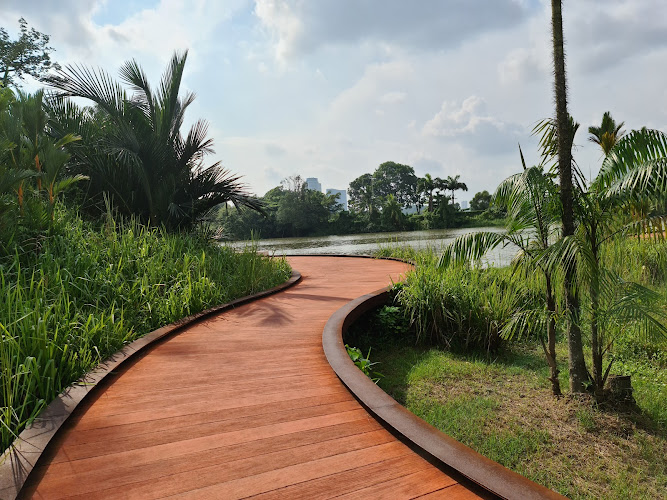
Rasau Walk

Snow City Singapore
Find Accommodations Nearby
Recommended Tours & Activities
Visitor Reviews
There are no reviews yet. Be the first one to write one.
Share Your Experience
Have you visited Singapore Zoo? Help other travelers by leaving a review.