
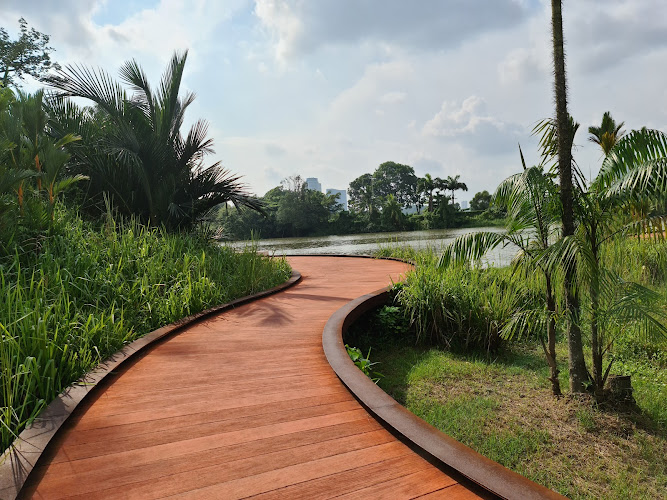
Rasau Walk
About Rasau Walk
Description
Rasau Walk offers travelers a refreshing escape into nature that feels worlds away from the typical tourist trail. This scenic boardwalk winds through pristine coastal wetlands, giving visitors an intimate look at an ecosystem that most people never get to experience up close. And honestly? That's part of what makes it so special. The wooden walkway stretches across mangrove forests and tidal flats, creating this almost meditative journey where you're surrounded by water, greenery, and the sounds of nature doing its thing. I've always found that the best travel experiences happen when you stumble upon places that aren't necessarily plastered all over Instagram – and Rasau Walk fits that description perfectly. It's the kind of spot where you can actually hear yourself think, where the air smells like salt and earth, and where you might spend an hour just watching crabs scuttle across the mudflats below. What strikes most visitors first is how well-maintained the boardwalk is, considering its location in such a wild environment. The pathway gives you access to areas you'd never be able to explore otherwise, unless you were willing to wade through some pretty challenging terrain. Instead, you get to stay dry and comfortable while nature unfolds all around you. The mangrove ecosystem here is incredibly biodiverse, and even if you're not a hardcore nature enthusiast, you'll probably find yourself getting unexpectedly fascinated by the whole setup. There's something almost otherworldly about mangrove forests – those twisted roots rising from the water, the way light filters through the canopy, the constant sense of life thriving in what seems like an impossible environment. The walk itself isn't particularly strenuous, which makes it accessible to a pretty wide range of travelers. But don't let that fool you into thinking it's boring – the relatively easy terrain just means you can focus more on what you're seeing rather than where you're stepping. And trust me, there's plenty to see.Key Features
The Rasau Walk delivers several distinctive experiences that set it apart from your standard nature walk: • An elevated boardwalk system that allows visitors to traverse mangrove wetlands without disturbing the delicate ecosystem or getting their feet muddy • Outstanding opportunities for wildlife observation, particularly bird species that call coastal wetlands home – bring binoculars if you have them • Educational signage along the route that explains the mangrove ecosystem, though admittedly some could use updating • Spectacular views across tidal flats where you can witness the dramatic difference between high and low tide • Photography opportunities that range from macro shots of unique plant life to sweeping landscape vistas • A relatively quiet and uncrowded experience compared to more famous attractions in the region • Sunrise and sunset viewing points that offer some genuinely stunning light conditions for those willing to time their visit right • The chance to see mudskippers, crabs, and other creatures adapted to this unique intertidal zone • Cool microclimate effects thanks to the water and vegetation, making it surprisingly comfortable even on warmer days • Benches and rest areas strategically placed along the route for those who want to sit and soak it all inBest Time to Visit
Timing your visit to Rasau Walk can make a significant difference in your experience, and honestly, this is where a little planning goes a long way. The early morning hours are absolutely magical here. We're talking about that golden hour right after sunrise when the light is soft, the temperature is still manageable, and the wildlife is most active. If you can drag yourself out of bed for a 6 or 7 AM start, you won't regret it. The birds are doing their morning routines, the air hasn't heated up yet, and you'll likely have large sections of the boardwalk to yourself. There's something deeply peaceful about starting your day this way, and it sets a tone that carries through the rest of your travels. Late afternoon visits work well too, particularly if you're aiming to catch sunset. The lighting conditions in the hour before dusk can be absolutely phenomenal, with warm tones reflecting off the water and through the mangrove leaves. But be prepared – you'll want a flashlight or headlamp if you plan to walk back in twilight conditions. As for seasons, the drier months typically offer more comfortable conditions for walking. Heavy rain can make the boardwalk slippery, and let's be real, trudging through a downpour isn't most people's idea of a good time. That said, the mangrove ecosystem actually becomes more interesting during wetter periods when water levels rise and different species become active. Here's something most guidebooks won't tell you: check the tide tables before you go. Low tide reveals mudflats teeming with life – crabs, mudskippers, wading birds hunting for food. High tide brings water right up near the boardwalk level, creating a completely different visual experience. Both have their merits, but if you want to see the most wildlife activity, low tide is your friend. Weekdays are generally quieter than weekends, which matters if you're seeking solitude or perfect photos without random strangers in the background. And honestly? A peaceful walk in nature hits different when you're not constantly navigating around other people.How to Get There
Getting to Rasau Walk requires a bit more effort than just hopping on a tour bus, but that's partly why it remains relatively undiscovered. Most visitors will need to arrange their own transportation, which actually gives you more flexibility in timing your visit. If you're driving, the route is fairly straightforward once you know where you're going. GPS coordinates work better than street addresses in this area – something to keep in mind when planning. The road leading to the boardwalk entrance is paved for most of the journey, though the final approach might be on narrower local roads depending on your starting point. Parking is available near the entrance, though it's not exactly a sprawling lot. During peak times (weekends and public holidays), arriving early ensures you'll snag a spot without hassle. The parking area is basic but functional – don't expect any fancy facilities. For those relying on public transportation, options are more limited. Taxis or ride-sharing services can get you there, but you'll want to arrange a pickup time since getting a ride back on-demand might be challenging depending on cellular coverage in the area. Some travelers have had success hiring drivers for a few hours, which gives you transportation both ways plus the flexibility to explore at your own pace. Organized tours occasionally include Rasau Walk in their itineraries, particularly eco-tourism focused operators. This can be a convenient option if you're not comfortable navigating on your own, though you'll sacrifice some freedom in terms of timing and duration. The entrance itself is pretty unassuming – this isn't some grand gateway with ticket booths and gift shops. It's more of a "here's where the boardwalk starts" kind of situation, which I actually find refreshing. There may be a small fee or donation system in place to help maintain the facility, though this can vary.Tips for Visiting
Making the most of your Rasau Walk experience comes down to preparation and knowing what to expect. Let me share some practical advice that'll save you some frustration. Wear appropriate footwear – and I can't stress this enough. The boardwalk is generally in good condition, but you'll want closed-toe shoes with decent grip. Flip-flops might seem tempting in warm weather, but they're not ideal here. Your feet will thank you for choosing comfort and practicality over fashion. Sun protection is crucial. The boardwalk offers some shade from the mangrove canopy in places, but you'll also have extended periods in direct sunlight. Sunscreen, a hat, and sunglasses aren't optional accessories – they're necessities. I learned this the hard way on a similar walk years ago and ended up looking like a lobster for three days. Bring water, and probably more than you think you'll need. There are no facilities or vendors along the boardwalk, so whatever you carry is what you've got. Dehydration sneaks up on you faster than you'd expect, especially if you're taking your time to observe wildlife and take photos. Insect repellent deserves a spot in your daypack. Mangrove ecosystems attract mosquitos and other bugs – it's just part of the deal. A good repellent makes the difference between an enjoyable walk and a miserable one where you're constantly swatting at insects. Camera gear should definitely come along, but be realistic about what you'll carry. The boardwalk isn't terribly long, but hauling heavy equipment gets old fast. A decent zoom lens helps for wildlife photography since you can't exactly wade out into the mudflats to get closer to birds. And protect your gear from humidity – coastal environments can be tough on electronics. Binoculars enhance the experience significantly, particularly for bird watching. Even a basic pair opens up a whole new level of observation. You'll spot details and distant species you'd completely miss with the naked eye. Move quietly and slowly if you want to see wildlife. Mangrove creatures are generally skittish around loud, fast-moving humans. Take your time, pause frequently, and let the environment come to life around you. Some of my best wildlife encounters have happened when I've simply stood still for five minutes and let the animals forget I was there. Check the weather forecast before heading out. While a little cloud cover can actually improve photography conditions, heavy storms make the experience significantly less pleasant. The boardwalk can become slippery when wet, and you'll want to avoid being the tallest object around during lightning. Respect the environment completely. This should go without saying, but stay on the boardwalk, don't feed wildlife, and pack out everything you pack in. These ecosystems are fragile, and part of what makes Rasau Walk special is its relatively pristine condition. Let's keep it that way for future travelers. Finally, manage your expectations appropriately. Rasau Walk isn't Disneyland – it's a genuine nature experience. You might see incredible wildlife, or you might have a quieter day. The boardwalk isn't a thrill ride, and there are no manufactured photo ops. What you get is authentic interaction with a unique ecosystem, and that's valuable precisely because it's real and unpredictable. The whole visit typically takes anywhere from 45 minutes to two hours depending on your pace and interest level. Some people breeze through, while others spend half a day observing and photographing. There's no right or wrong approach – it's about what resonates with you personally.Key Features
- Raised wooden boardwalks over mangrove and mudflat habitats
- Good birdwatching opportunities for resident and migratory species
- Interpretive signage about local ecology and conservation
- Accessible pathways suitable for families and casual walkers
- Scenic sunrise and sunset viewing over tidal pools
More Details
Updated March 30, 2026
Table of Contents
Description
Rasau Walk offers travelers a refreshing escape into nature that feels worlds away from the typical tourist trail. This scenic boardwalk winds through pristine coastal wetlands, giving visitors an intimate look at an ecosystem that most people never get to experience up close. And honestly? That’s part of what makes it so special.
The wooden walkway stretches across mangrove forests and tidal flats, creating this almost meditative journey where you’re surrounded by water, greenery, and the sounds of nature doing its thing. I’ve always found that the best travel experiences happen when you stumble upon places that aren’t necessarily plastered all over Instagram – and Rasau Walk fits that description perfectly. It’s the kind of spot where you can actually hear yourself think, where the air smells like salt and earth, and where you might spend an hour just watching crabs scuttle across the mudflats below.
What strikes most visitors first is how well-maintained the boardwalk is, considering its location in such a wild environment. The pathway gives you access to areas you’d never be able to explore otherwise, unless you were willing to wade through some pretty challenging terrain. Instead, you get to stay dry and comfortable while nature unfolds all around you. The mangrove ecosystem here is incredibly biodiverse, and even if you’re not a hardcore nature enthusiast, you’ll probably find yourself getting unexpectedly fascinated by the whole setup. There’s something almost otherworldly about mangrove forests – those twisted roots rising from the water, the way light filters through the canopy, the constant sense of life thriving in what seems like an impossible environment.
The walk itself isn’t particularly strenuous, which makes it accessible to a pretty wide range of travelers. But don’t let that fool you into thinking it’s boring – the relatively easy terrain just means you can focus more on what you’re seeing rather than where you’re stepping. And trust me, there’s plenty to see.
Key Features
The Rasau Walk delivers several distinctive experiences that set it apart from your standard nature walk:
• An elevated boardwalk system that allows visitors to traverse mangrove wetlands without disturbing the delicate ecosystem or getting their feet muddy
• Outstanding opportunities for wildlife observation, particularly bird species that call coastal wetlands home – bring binoculars if you have them
• Educational signage along the route that explains the mangrove ecosystem, though admittedly some could use updating
• Spectacular views across tidal flats where you can witness the dramatic difference between high and low tide
• Photography opportunities that range from macro shots of unique plant life to sweeping landscape vistas
• A relatively quiet and uncrowded experience compared to more famous attractions in the region
• Sunrise and sunset viewing points that offer some genuinely stunning light conditions for those willing to time their visit right
• The chance to see mudskippers, crabs, and other creatures adapted to this unique intertidal zone
• Cool microclimate effects thanks to the water and vegetation, making it surprisingly comfortable even on warmer days
• Benches and rest areas strategically placed along the route for those who want to sit and soak it all in
Best Time to Visit
Timing your visit to Rasau Walk can make a significant difference in your experience, and honestly, this is where a little planning goes a long way.
The early morning hours are absolutely magical here. We’re talking about that golden hour right after sunrise when the light is soft, the temperature is still manageable, and the wildlife is most active. If you can drag yourself out of bed for a 6 or 7 AM start, you won’t regret it. The birds are doing their morning routines, the air hasn’t heated up yet, and you’ll likely have large sections of the boardwalk to yourself. There’s something deeply peaceful about starting your day this way, and it sets a tone that carries through the rest of your travels.
Late afternoon visits work well too, particularly if you’re aiming to catch sunset. The lighting conditions in the hour before dusk can be absolutely phenomenal, with warm tones reflecting off the water and through the mangrove leaves. But be prepared – you’ll want a flashlight or headlamp if you plan to walk back in twilight conditions.
As for seasons, the drier months typically offer more comfortable conditions for walking. Heavy rain can make the boardwalk slippery, and let’s be real, trudging through a downpour isn’t most people’s idea of a good time. That said, the mangrove ecosystem actually becomes more interesting during wetter periods when water levels rise and different species become active.
Here’s something most guidebooks won’t tell you: check the tide tables before you go. Low tide reveals mudflats teeming with life – crabs, mudskippers, wading birds hunting for food. High tide brings water right up near the boardwalk level, creating a completely different visual experience. Both have their merits, but if you want to see the most wildlife activity, low tide is your friend.
Weekdays are generally quieter than weekends, which matters if you’re seeking solitude or perfect photos without random strangers in the background. And honestly? A peaceful walk in nature hits different when you’re not constantly navigating around other people.
How to Get There
Getting to Rasau Walk requires a bit more effort than just hopping on a tour bus, but that’s partly why it remains relatively undiscovered. Most visitors will need to arrange their own transportation, which actually gives you more flexibility in timing your visit.
If you’re driving, the route is fairly straightforward once you know where you’re going. GPS coordinates work better than street addresses in this area – something to keep in mind when planning. The road leading to the boardwalk entrance is paved for most of the journey, though the final approach might be on narrower local roads depending on your starting point.
Parking is available near the entrance, though it’s not exactly a sprawling lot. During peak times (weekends and public holidays), arriving early ensures you’ll snag a spot without hassle. The parking area is basic but functional – don’t expect any fancy facilities.
For those relying on public transportation, options are more limited. Taxis or ride-sharing services can get you there, but you’ll want to arrange a pickup time since getting a ride back on-demand might be challenging depending on cellular coverage in the area. Some travelers have had success hiring drivers for a few hours, which gives you transportation both ways plus the flexibility to explore at your own pace.
Organized tours occasionally include Rasau Walk in their itineraries, particularly eco-tourism focused operators. This can be a convenient option if you’re not comfortable navigating on your own, though you’ll sacrifice some freedom in terms of timing and duration.
The entrance itself is pretty unassuming – this isn’t some grand gateway with ticket booths and gift shops. It’s more of a “here’s where the boardwalk starts” kind of situation, which I actually find refreshing. There may be a small fee or donation system in place to help maintain the facility, though this can vary.
Tips for Visiting
Making the most of your Rasau Walk experience comes down to preparation and knowing what to expect. Let me share some practical advice that’ll save you some frustration.
Wear appropriate footwear – and I can’t stress this enough. The boardwalk is generally in good condition, but you’ll want closed-toe shoes with decent grip. Flip-flops might seem tempting in warm weather, but they’re not ideal here. Your feet will thank you for choosing comfort and practicality over fashion.
Sun protection is crucial. The boardwalk offers some shade from the mangrove canopy in places, but you’ll also have extended periods in direct sunlight. Sunscreen, a hat, and sunglasses aren’t optional accessories – they’re necessities. I learned this the hard way on a similar walk years ago and ended up looking like a lobster for three days.
Bring water, and probably more than you think you’ll need. There are no facilities or vendors along the boardwalk, so whatever you carry is what you’ve got. Dehydration sneaks up on you faster than you’d expect, especially if you’re taking your time to observe wildlife and take photos.
Insect repellent deserves a spot in your daypack. Mangrove ecosystems attract mosquitos and other bugs – it’s just part of the deal. A good repellent makes the difference between an enjoyable walk and a miserable one where you’re constantly swatting at insects.
Camera gear should definitely come along, but be realistic about what you’ll carry. The boardwalk isn’t terribly long, but hauling heavy equipment gets old fast. A decent zoom lens helps for wildlife photography since you can’t exactly wade out into the mudflats to get closer to birds. And protect your gear from humidity – coastal environments can be tough on electronics.
Binoculars enhance the experience significantly, particularly for bird watching. Even a basic pair opens up a whole new level of observation. You’ll spot details and distant species you’d completely miss with the naked eye.
Move quietly and slowly if you want to see wildlife. Mangrove creatures are generally skittish around loud, fast-moving humans. Take your time, pause frequently, and let the environment come to life around you. Some of my best wildlife encounters have happened when I’ve simply stood still for five minutes and let the animals forget I was there.
Check the weather forecast before heading out. While a little cloud cover can actually improve photography conditions, heavy storms make the experience significantly less pleasant. The boardwalk can become slippery when wet, and you’ll want to avoid being the tallest object around during lightning.
Respect the environment completely. This should go without saying, but stay on the boardwalk, don’t feed wildlife, and pack out everything you pack in. These ecosystems are fragile, and part of what makes Rasau Walk special is its relatively pristine condition. Let’s keep it that way for future travelers.
Finally, manage your expectations appropriately. Rasau Walk isn’t Disneyland – it’s a genuine nature experience. You might see incredible wildlife, or you might have a quieter day. The boardwalk isn’t a thrill ride, and there are no manufactured photo ops. What you get is authentic interaction with a unique ecosystem, and that’s valuable precisely because it’s real and unpredictable.
The whole visit typically takes anywhere from 45 minutes to two hours depending on your pace and interest level. Some people breeze through, while others spend half a day observing and photographing. There’s no right or wrong approach – it’s about what resonates with you personally.
Key Highlights
- Raised wooden boardwalks over mangrove and mudflat habitats
- Good birdwatching opportunities for resident and migratory species
- Interpretive signage about local ecology and conservation
- Accessible pathways suitable for families and casual walkers
- Scenic sunrise and sunset viewing over tidal pools
Location
Places to Stay Near Rasau Walk
Find and Book a Tour
Explore More Travel Guides
No reviews found! Be the first to review!
Rasau Walk is a prominent attractions located in Singapore.
Visit us at: 9 Japanese Garden Rd, Singapore 619228.
Traveler Reviews for Rasau Walk
There are no reviews yet. Be the first one to write one.
Have you visited Rasau Walk? Help other travelers by sharing your review.
Nearby Attractions
You Might Also Like

Adventure Cove Waterpark

Jurong Central Park

Wenya Neighbourhood Park
Find Accommodations Nearby
Recommended Tours & Activities
Visitor Reviews
There are no reviews yet. Be the first one to write one.
Share Your Experience
Have you visited Rasau Walk? Help other travelers by leaving a review.