Guided Sightseeing Tours & Activities in Oujda
- Browse sightseeing excursions and activities in Oujda
- Check live availability, rates & traveler reviews on Viator
- Secure online booking with flexible options

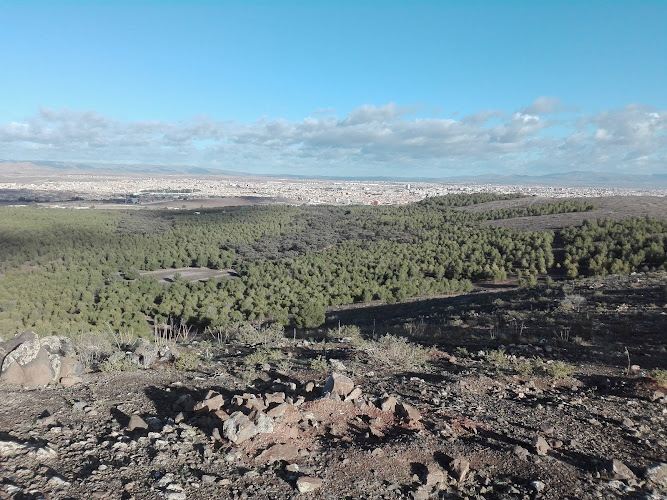
The Forêt Urbaine Sanaoubar represents something quite special in the landscape of national forests—a green sanctuary that manages to blend the wild character of natural woodland with the accessibility urban dwellers desperately need.
This isn’t your typical sprawling wilderness where you need camping gear and survival skills. Instead, it’s one of those rare places where nature meets city life without either feeling compromised.
Walking through Sanaoubar for the first time, visitors quickly realize this forest serves multiple purposes. It’s a legitimate national forest with all the ecological importance that designation carries, yet it functions as an urban escape valve for those craving fresh air and a break from concrete surroundings. The trees here aren’t just decoration—they’re part of a functioning ecosystem that happens to be remarkably welcoming to people who want to experience it.
The forest has earned its reputation among locals and travelers alike as a place where families can actually enjoy themselves without constant worry. You’ll see joggers hitting the trails early morning, hikers exploring the various paths throughout the day, and parents with kids discovering what trees and dirt actually feel like. And honestly, there’s something refreshing about a natural space that doesn’t try to be intimidating or exclusive.
What makes Sanaoubar interesting is how it challenges the typical expectations people have about national forests. You don’t need to be an experienced outdoorsperson to appreciate what’s here. The forest accommodates different fitness levels and interests, which explains why you’ll encounter everyone from serious trail runners to toddlers taking their first nature walks. The atmosphere tends to be relaxed but purposeful—people come here with intentions, whether that’s exercise, family time, or simply getting away from screens for a while.
The terrain varies enough to keep things interesting without becoming treacherous. Some sections offer shaded canopy walks that stay relatively cool even during warmer months, while other areas open up to allow more sunlight and different plant varieties. It’s the kind of place where you can genuinely lose track of time, which is probably the highest compliment you can give an urban forest.
The Forêt Urbaine Sanaoubar offers several distinctive characteristics that make it worth visiting:
Timing your visit to Sanaoubar can significantly impact your experience, though the forest remains accessible year-round. The cooler months typically offer the most comfortable conditions for active pursuits like hiking and jogging. If you’re someone who wilts in heat, aim for early morning visits during warmer seasons—you’ll find the temperature difference quite noticeable under the tree cover.
Spring presents particularly appealing conditions as the forest displays seasonal changes and temperatures stay moderate. You’ll encounter more families during this period, especially on weekends, but the trails generally accommodate increased visitor numbers without feeling overcrowded. The morning hours between 7 and 10 AM tend to attract serious joggers and hikers, while late afternoon sees more casual visitors and families with children.
Weekdays offer quieter experiences compared to weekends, which makes sense for any popular urban forest. If you value solitude or prefer trails less traveled, planning a Tuesday or Wednesday visit might suit you better than showing up Saturday morning when half the city has the same idea.
Summer visits require more planning. Bring extra water, start early, and don’t underestimate how draining even a moderate hike becomes when temperatures climb. But the density of the forest canopy does provide meaningful relief compared to exposed areas, so it’s not unbearable if you’re sensible about it.
The shoulder seasons of early autumn and late spring probably represent the sweet spot for most travelers. You get pleasant weather, manageable visitor numbers, and the forest shows different seasonal characteristics that add visual interest to your visit.
Getting to Forêt Urbaine Sanaoubar is relatively straightforward, which contributes significantly to its popularity. The forest’s designation as an urban national forest means accessibility was considered in its development and maintenance.
For travelers using private vehicles, the forest can be reached through major roads servicing the area. Parking facilities exist, though they can fill during peak visiting times on weekends. Arriving early not only ensures you’ll find parking but also lets you experience the forest during its most peaceful hours.
Public transportation serves as a viable option depending on where you’re staying. Local bus routes connect to areas near the forest, though you might face a short walk from the nearest stop to the actual entrance. This adds maybe 10-15 minutes to your journey but honestly serves as a decent warm-up before hitting the trails.
Taxi services and ride-sharing apps function well in this area, offering convenient drop-off and pickup options if you’re not comfortable navigating public transit or don’t have vehicle access. Just make sure your phone has sufficient charge if you’re planning to call for a ride back—cell service is generally reliable but it’s better to be prepared.
For international travelers staying in nearby hotels, asking your accommodation about the best route often yields helpful local insights. Some places might even offer shuttle services or have staff familiar with bus schedules and routes.
The entrance itself is well-marked, and you won’t need specialized navigation skills to locate it. Once you arrive, signage within the forest helps orient visitors to different trail options and facilities.
Successfully enjoying Sanaoubar mostly comes down to common sense, but a few specific recommendations can enhance your experience.
Bring more water than you think you’ll need. I can’t stress this enough, really. Even short hikes in moderate temperatures can leave you surprisingly thirsty, and there’s nothing worse than rationing water halfway through a trail. A refillable bottle works perfectly fine—no need for expensive hydration systems unless you’re planning extended exploration.
Footwear matters more than people expect. You don’t necessarily need hardcore hiking boots, but those cute sandals or brand-new shoes you haven’t broken in yet? Leave them at your accommodation. Comfortable, worn-in sneakers or light hiking shoes make the experience infinitely more pleasant. Your feet will thank you.
If you’re bringing kids, set realistic expectations about distances and duration. Children’s enthusiasm often starts high but can crash suddenly, and carrying a tired seven-year-old back to the entrance isn’t how you want to end your visit. Start with shorter trails, gauge their energy levels, and build from there if you’re planning multiple visits.
The forest doesn’t require entrance fees based on typical national forest policies, but confirm this hasn’t changed before you visit. Pack out everything you bring in—this should go without saying, but apparently it needs repeating. The cleanliness of places like Sanaoubar depends entirely on visitor respect.
Consider visiting during off-peak hours if crowds bother you. Early mornings before 9 AM or late afternoons after 4 PM tend to be quieter. You’ll have more trail space and can actually hear the forest sounds instead of just other people’s conversations.
Sun protection remains important even under tree cover. The canopy provides shade but doesn’t eliminate UV exposure entirely. A light application of sunscreen and perhaps a hat for more exposed sections makes sense, particularly for fair-skinned visitors.
Phone reception generally works, but don’t depend on having constant connectivity throughout the forest. Download any maps or information you might need beforehand. Bring a portable charger if you’re using your phone for photos—nothing’s more frustrating than a dead battery when you encounter a perfect shot.
Watch for weather changes, especially during transitional seasons. Conditions can shift relatively quickly, and being caught in unexpected rain without even a light jacket dampens enthusiasm pretty effectively. A small, packable rain layer takes minimal space but provides significant peace of mind.
The forest welcomes visitors of varying fitness levels, so don’t feel intimidated if you’re not in peak athletic condition. Start with easier trails, move at your own pace, and gradually work up to more challenging routes if the mood strikes. There’s no competition here—everyone’s just trying to enjoy some time in nature.
Finally, respect wildlife and plant life. This is a functioning ecosystem, not a petting zoo or flower garden. Observe from appropriate distances, stay on marked trails, and resist the urge to pick plants or disturb animals. The forest’s health depends on visitors understanding they’re guests in someone else’s home.

Last modified March 30, 2026
The Forêt Urbaine Sanaoubar represents something quite special in the landscape of national forests—a green sanctuary that manages to blend the wild character of natural woodland with the accessibility urban dwellers desperately need. This isn’t your typical sprawling wilderness where you need camping gear and survival skills. Instead, it’s one of those rare places where nature meets city life without either feeling compromised.
Walking through Sanaoubar for the first time, visitors quickly realize this forest serves multiple purposes. It’s a legitimate national forest with all the ecological importance that designation carries, yet it functions as an urban escape valve for those craving fresh air and a break from concrete surroundings. The trees here aren’t just decoration—they’re part of a functioning ecosystem that happens to be remarkably welcoming to people who want to experience it.
The forest has earned its reputation among locals and travelers alike as a place where families can actually enjoy themselves without constant worry. You’ll see joggers hitting the trails early morning, hikers exploring the various paths throughout the day, and parents with kids discovering what trees and dirt actually feel like. And honestly, there’s something refreshing about a natural space that doesn’t try to be intimidating or exclusive.
What makes Sanaoubar interesting is how it challenges the typical expectations people have about national forests. You don’t need to be an experienced outdoorsperson to appreciate what’s here. The forest accommodates different fitness levels and interests, which explains why you’ll encounter everyone from serious trail runners to toddlers taking their first nature walks. The atmosphere tends to be relaxed but purposeful—people come here with intentions, whether that’s exercise, family time, or simply getting away from screens for a while.
The terrain varies enough to keep things interesting without becoming treacherous. Some sections offer shaded canopy walks that stay relatively cool even during warmer months, while other areas open up to allow more sunlight and different plant varieties. It’s the kind of place where you can genuinely lose track of time, which is probably the highest compliment you can give an urban forest.
The Forêt Urbaine Sanaoubar offers several distinctive characteristics that make it worth visiting:
Timing your visit to Sanaoubar can significantly impact your experience, though the forest remains accessible year-round. The cooler months typically offer the most comfortable conditions for active pursuits like hiking and jogging. If you’re someone who wilts in heat, aim for early morning visits during warmer seasons—you’ll find the temperature difference quite noticeable under the tree cover.
Spring presents particularly appealing conditions as the forest displays seasonal changes and temperatures stay moderate. You’ll encounter more families during this period, especially on weekends, but the trails generally accommodate increased visitor numbers without feeling overcrowded. The morning hours between 7 and 10 AM tend to attract serious joggers and hikers, while late afternoon sees more casual visitors and families with children.
Weekdays offer quieter experiences compared to weekends, which makes sense for any popular urban forest. If you value solitude or prefer trails less traveled, planning a Tuesday or Wednesday visit might suit you better than showing up Saturday morning when half the city has the same idea.
Summer visits require more planning. Bring extra water, start early, and don’t underestimate how draining even a moderate hike becomes when temperatures climb. But the density of the forest canopy does provide meaningful relief compared to exposed areas, so it’s not unbearable if you’re sensible about it.
The shoulder seasons of early autumn and late spring probably represent the sweet spot for most travelers. You get pleasant weather, manageable visitor numbers, and the forest shows different seasonal characteristics that add visual interest to your visit.
Getting to Forêt Urbaine Sanaoubar is relatively straightforward, which contributes significantly to its popularity. The forest’s designation as an urban national forest means accessibility was considered in its development and maintenance.
For travelers using private vehicles, the forest can be reached through major roads servicing the area. Parking facilities exist, though they can fill during peak visiting times on weekends. Arriving early not only ensures you’ll find parking but also lets you experience the forest during its most peaceful hours.
Public transportation serves as a viable option depending on where you’re staying. Local bus routes connect to areas near the forest, though you might face a short walk from the nearest stop to the actual entrance. This adds maybe 10-15 minutes to your journey but honestly serves as a decent warm-up before hitting the trails.
Taxi services and ride-sharing apps function well in this area, offering convenient drop-off and pickup options if you’re not comfortable navigating public transit or don’t have vehicle access. Just make sure your phone has sufficient charge if you’re planning to call for a ride back—cell service is generally reliable but it’s better to be prepared.
For international travelers staying in nearby hotels, asking your accommodation about the best route often yields helpful local insights. Some places might even offer shuttle services or have staff familiar with bus schedules and routes.
The entrance itself is well-marked, and you won’t need specialized navigation skills to locate it. Once you arrive, signage within the forest helps orient visitors to different trail options and facilities.
Successfully enjoying Sanaoubar mostly comes down to common sense, but a few specific recommendations can enhance your experience.
Bring more water than you think you’ll need. I can’t stress this enough, really. Even short hikes in moderate temperatures can leave you surprisingly thirsty, and there’s nothing worse than rationing water halfway through a trail. A refillable bottle works perfectly fine—no need for expensive hydration systems unless you’re planning extended exploration.
Footwear matters more than people expect. You don’t necessarily need hardcore hiking boots, but those cute sandals or brand-new shoes you haven’t broken in yet? Leave them at your accommodation. Comfortable, worn-in sneakers or light hiking shoes make the experience infinitely more pleasant. Your feet will thank you.
If you’re bringing kids, set realistic expectations about distances and duration. Children’s enthusiasm often starts high but can crash suddenly, and carrying a tired seven-year-old back to the entrance isn’t how you want to end your visit. Start with shorter trails, gauge their energy levels, and build from there if you’re planning multiple visits.
The forest doesn’t require entrance fees based on typical national forest policies, but confirm this hasn’t changed before you visit. Pack out everything you bring in—this should go without saying, but apparently it needs repeating. The cleanliness of places like Sanaoubar depends entirely on visitor respect.
Consider visiting during off-peak hours if crowds bother you. Early mornings before 9 AM or late afternoons after 4 PM tend to be quieter. You’ll have more trail space and can actually hear the forest sounds instead of just other people’s conversations.
Sun protection remains important even under tree cover. The canopy provides shade but doesn’t eliminate UV exposure entirely. A light application of sunscreen and perhaps a hat for more exposed sections makes sense, particularly for fair-skinned visitors.
Phone reception generally works, but don’t depend on having constant connectivity throughout the forest. Download any maps or information you might need beforehand. Bring a portable charger if you’re using your phone for photos—nothing’s more frustrating than a dead battery when you encounter a perfect shot.
Watch for weather changes, especially during transitional seasons. Conditions can shift relatively quickly, and being caught in unexpected rain without even a light jacket dampens enthusiasm pretty effectively. A small, packable rain layer takes minimal space but provides significant peace of mind.
The forest welcomes visitors of varying fitness levels, so don’t feel intimidated if you’re not in peak athletic condition. Start with easier trails, move at your own pace, and gradually work up to more challenging routes if the mood strikes. There’s no competition here—everyone’s just trying to enjoy some time in nature.
Finally, respect wildlife and plant life. This is a functioning ecosystem, not a petting zoo or flower garden. Observe from appropriate distances, stay on marked trails, and resist the urge to pick plants or disturb animals. The forest’s health depends on visitors understanding they’re guests in someone else’s home.
No reviews found! Be the first to review!
Forêt Urbaine Sanaoubar is a prominent Forêt nationale located in Oujda.
Visit us at: M33G+HCH, Oujda, Morocco.
Stay22 provides this accommodation search. We may earn a commission if you book through it; verify current prices and terms with the provider.
GetYourGuide provides this tour inventory. We may earn a commission if you book through it; verify current availability, prices, and terms with the provider.
We may earn a commission if you book through links on this page at no extra cost to you. All tours feature verified customer reviews and flexible cancellation options.
No traveler reviews yet. Share your experience below!
No traveler questions yet. Be the first to ask a local!