
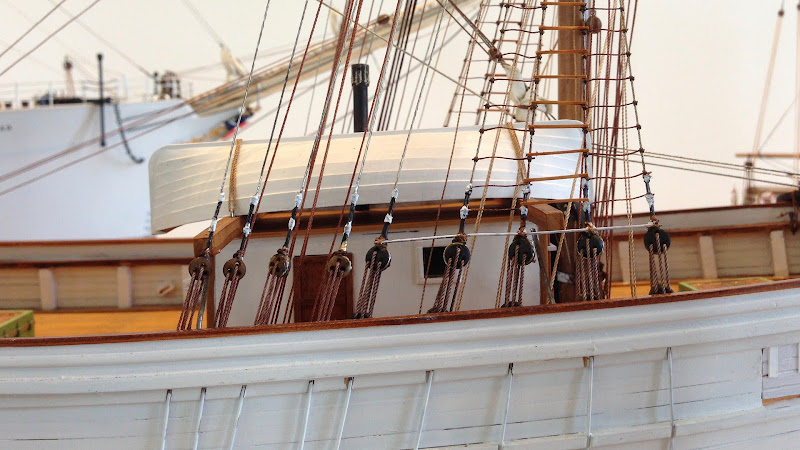
Fanø Skibsfarts- & Dragtsamling
About Fanø Skibsfarts- & Dragtsamling
Description
Picture this: You step inside a building and instantly feel like you’ve traveled back in time to the island’s heyday of seafaring and traditions. That’s exactly what happens at the Fanø Skibsfarts- & Dragtsamling museum. Right in the heart of Fanø, this museum isn’t your typical sterile aisle-after-aisle affair. Nope, it’s warm, inviting, and just the right amount of quirky, with its creaking wooden floors and walls crowded with maritime treasures and tales. Honestly, you can almost smell the saltwater—or is that just my overactive sense of imagination?
Let’s face it, not everyone is a museum junkie. But hear me out: surprisingly, Fanø’s shipping and costume collection is the sort of place that will grab your attention even if you barely passed “Maritime History 101.” When I dropped in on a rainy afternoon, what really struck me wasn’t just the artifacts (though there are plenty), but the feeling like I was wandering through stories left behind by generations of sailors, fishers, and islanders. If you’re anything like me, you’ll enjoy the personal touches. The museum is full of real-life accounts, family heirlooms, intricate model ships, and even period clothing that’ll make you want to swish around like it’s 1850.
What really stands out? The space itself feels thoughtfully curated, yet not overly polished—almost as if the locals want you to appreciate their history but also see their honest, unfiltered roots (I find that refreshingly rare). It’s clearly loved by its community. And that’s probably why families, couples, and even that one grumpy grandpa who normally hates “tourist stuff” seem to find something they enjoy here.
Key Features
- Rich Maritime Collection: Dive (pun intended!) into fan-favorite artifacts: model ships, nautical maps, sailor crafts, logs, sea chests, and weathered navigational equipment. Some of these pieces may remind you of an old chest you found in your granddad’s attic—except way cooler.
- Traditional Fanø Costumes: The intricate folk costumes are a showstopper—embroidered dresses, bonnets, and hand-woven pieces that highlight Fanø’s cultural pride and creative flair.
- Kid-Friendly Experiences: Safe to bring kids along! There’s enough hands-on activities and little surprises to keep even squirrely youngsters entertained while parents have a minute to learn.
- Toilets On Site: Hey, it matters! Especially if you’re traveling with family, an accessible restroom is a bonus. Plus, it’s wheelchair-friendly (though, curiously, the entrance itself isn’t—not ideal, but good to know in advance).
- Storytelling Focus: Each display isn’t just stuff behind glass; there are personal tales and fascinating anecdotes peppered throughout. It feels personalized and, sometimes, gently humorous.
- Seasonal Exhibits & Local Events: If you time your trip right, you might catch a special exhibit—last time I visited, there was an actual sailor giving a talk, accent and all. Totally unplanned, totally charming.
- Cozy Island Ambiance: The building’s character hints at centuries gone by—think exposed beams, slightly uneven floors, and the kind of coziness you only get on a Danish island on a rainy day.
Best Time to Visit
Now, I know what you’re thinking: “When’s the best time to pop in?” Since Fanø’s known for tricky weather, the museum shines extra bright when the island breezes are biting cold or drizzling rain. I tend to seek refuge there during the shoulder seasons—late spring or early autumn—when you dodge the harried summer crowds but still get a lively dose of local energy.
Summer isn’t a bad shout—it gets busy, sure, but this also means extra events, perhaps a guided tour or hands-on workshop. In the high-season months of June through August, the town itself comes alive, and so does the museum. Just be ready for a slightly more crowded, bustling vibe. If you’re like me and enjoy a less packed, more reflective wander, visit midweek, or during the morning hours.
Oh, and don’t skip the museum during Fanø’s annual festivals—the bunting, smiles, and impromptu live demonstrations often spill right over into the exhibits, making for a totally unique museum experience.
How to Get There
If you haven’t been to Fanø before, getting here is half the fun. There’s something about hopping on that little ferry from Esbjerg, watching the mainland melt away and the salty North Sea breeze wake you up—definitely a travel highlight for me, no matter how many times I do it. The ferry ride is short and sweet (about 12 minutes), but make sure you bring your sense of adventure (and an extra layer).
Once you’re on Fanø, you’ll quickly realize it’s not a sprawling metropolis. Most folks get around by bike or on foot. The museum is tucked right along the main drag of the island, so it’s hard to miss. If you’re lugging a suitcase or have limited mobility, a local bus from the ferry terminal delivers you practically to the museum’s doorstep. Driving? Parking options abound nearby—just don’t expect big-city signage or massive car parks.
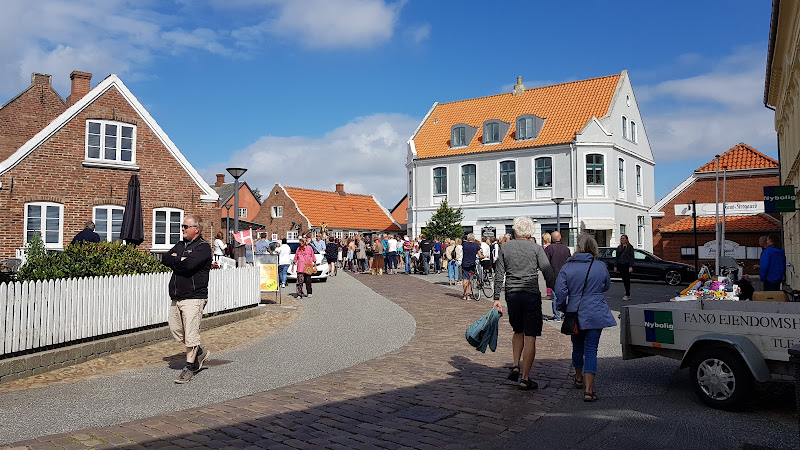
If you’re all about scenic walks, I highly recommend wandering through the heart of the village before or after your visit. The museum sits in the middle of charming streets brimming with thatched-roof houses and quirky boutiques. You just can’t fake that sort of atmosphere!
Tips for Visiting
First off—don’t rush. It’s tempting to breeze through with the “been there, done that” mindset, but the museum really rewards lingering. Take your time, and strike up a conversation with the staff; many are bona fide locals with family stories that go way beyond what’s written on any plaque. Their thick island accents, genuine warmth, and openness to questions are honestly my favorite part of the experience.
If you’re coming with kids, prep them for a little time-travel adventure. My niece was entranced by the old costumes and the hands-on ship models; she left talking about pirates for a week. Consider bringing a snack—there’s no restaurant onsite—though, if you’re anything like me, you’ll want to roam straight to a nearby café after soaking up some history.
While the museum restroom is accessible, the entrance isn’t fully wheelchair-friendly. If that’s important for you or someone you’re traveling with, it’s worth calling ahead to discuss options. And for visitors fascinated by details, bring a camera—just remember to keep your flash off. The lighting and centuries-old displays don’t love overstimulation.
Last bit of advice? Expand your perspective—look not only at the ship models or pretty dresses, but also read the small stories, admire the craftsmanship, and maybe try imagining yourself rolling with the waves in a tall ship. To me, the magic of Fanø Skibsfarts- & Dragtsamling lives in the finer details and quiet moments. I’ve seen enough museums to know: not all of them carry that kind of soul.
So step inside with open eyes and a willingness to wander. Who knows—you might just leave wanting to chase your own piece of seafaring history, or at least with a new appreciation for a small island’s giant stories.
Key Features
- Key Features
- Best Time to Visit
- How to Get There
- Tips for Visiting
More Details
Updated June 25, 2025
Table of Contents
Description
Picture this: You step inside a building and instantly feel like you’ve traveled back in time to the island’s heyday of seafaring and traditions. That’s exactly what happens at the Fanø Skibsfarts- & Dragtsamling museum. Right in the heart of Fanø, this museum isn’t your typical sterile aisle-after-aisle affair. Nope, it’s warm, inviting, and just the right amount of quirky, with its creaking wooden floors and walls crowded with maritime treasures and tales. Honestly, you can almost smell the saltwater—or is that just my overactive sense of imagination?
Let’s face it, not everyone is a museum junkie. But hear me out: surprisingly, Fanø’s shipping and costume collection is the sort of place that will grab your attention even if you barely passed “Maritime History 101.” When I dropped in on a rainy afternoon, what really struck me wasn’t just the artifacts (though there are plenty), but the feeling like I was wandering through stories left behind by generations of sailors, fishers, and islanders. If you’re anything like me, you’ll enjoy the personal touches. The museum is full of real-life accounts, family heirlooms, intricate model ships, and even period clothing that’ll make you want to swish around like it’s 1850.
What really stands out? The space itself feels thoughtfully curated, yet not overly polished—almost as if the locals want you to appreciate their history but also see their honest, unfiltered roots (I find that refreshingly rare). It’s clearly loved by its community. And that’s probably why families, couples, and even that one grumpy grandpa who normally hates “tourist stuff” seem to find something they enjoy here.
Key Features
- Rich Maritime Collection: Dive (pun intended!) into fan-favorite artifacts: model ships, nautical maps, sailor crafts, logs, sea chests, and weathered navigational equipment. Some of these pieces may remind you of an old chest you found in your granddad’s attic—except way cooler.
- Traditional Fanø Costumes: The intricate folk costumes are a showstopper—embroidered dresses, bonnets, and hand-woven pieces that highlight Fanø’s cultural pride and creative flair.
- Kid-Friendly Experiences: Safe to bring kids along! There’s enough hands-on activities and little surprises to keep even squirrely youngsters entertained while parents have a minute to learn.
- Toilets On Site: Hey, it matters! Especially if you’re traveling with family, an accessible restroom is a bonus. Plus, it’s wheelchair-friendly (though, curiously, the entrance itself isn’t—not ideal, but good to know in advance).
- Storytelling Focus: Each display isn’t just stuff behind glass; there are personal tales and fascinating anecdotes peppered throughout. It feels personalized and, sometimes, gently humorous.
- Seasonal Exhibits & Local Events: If you time your trip right, you might catch a special exhibit—last time I visited, there was an actual sailor giving a talk, accent and all. Totally unplanned, totally charming.
- Cozy Island Ambiance: The building’s character hints at centuries gone by—think exposed beams, slightly uneven floors, and the kind of coziness you only get on a Danish island on a rainy day.
Best Time to Visit
Now, I know what you’re thinking: “When’s the best time to pop in?” Since Fanø’s known for tricky weather, the museum shines extra bright when the island breezes are biting cold or drizzling rain. I tend to seek refuge there during the shoulder seasons—late spring or early autumn—when you dodge the harried summer crowds but still get a lively dose of local energy.
Summer isn’t a bad shout—it gets busy, sure, but this also means extra events, perhaps a guided tour or hands-on workshop. In the high-season months of June through August, the town itself comes alive, and so does the museum. Just be ready for a slightly more crowded, bustling vibe. If you’re like me and enjoy a less packed, more reflective wander, visit midweek, or during the morning hours.
Oh, and don’t skip the museum during Fanø’s annual festivals—the bunting, smiles, and impromptu live demonstrations often spill right over into the exhibits, making for a totally unique museum experience.
How to Get There
If you haven’t been to Fanø before, getting here is half the fun. There’s something about hopping on that little ferry from Esbjerg, watching the mainland melt away and the salty North Sea breeze wake you up—definitely a travel highlight for me, no matter how many times I do it. The ferry ride is short and sweet (about 12 minutes), but make sure you bring your sense of adventure (and an extra layer).
Once you’re on Fanø, you’ll quickly realize it’s not a sprawling metropolis. Most folks get around by bike or on foot. The museum is tucked right along the main drag of the island, so it’s hard to miss. If you’re lugging a suitcase or have limited mobility, a local bus from the ferry terminal delivers you practically to the museum’s doorstep. Driving? Parking options abound nearby—just don’t expect big-city signage or massive car parks.
If you’re all about scenic walks, I highly recommend wandering through the heart of the village before or after your visit. The museum sits in the middle of charming streets brimming with thatched-roof houses and quirky boutiques. You just can’t fake that sort of atmosphere!
Tips for Visiting
First off—don’t rush. It’s tempting to breeze through with the “been there, done that” mindset, but the museum really rewards lingering. Take your time, and strike up a conversation with the staff; many are bona fide locals with family stories that go way beyond what’s written on any plaque. Their thick island accents, genuine warmth, and openness to questions are honestly my favorite part of the experience.
If you’re coming with kids, prep them for a little time-travel adventure. My niece was entranced by the old costumes and the hands-on ship models; she left talking about pirates for a week. Consider bringing a snack—there’s no restaurant onsite—though, if you’re anything like me, you’ll want to roam straight to a nearby café after soaking up some history.
While the museum restroom is accessible, the entrance isn’t fully wheelchair-friendly. If that’s important for you or someone you’re traveling with, it’s worth calling ahead to discuss options. And for visitors fascinated by details, bring a camera—just remember to keep your flash off. The lighting and centuries-old displays don’t love overstimulation.
Last bit of advice? Expand your perspective—look not only at the ship models or pretty dresses, but also read the small stories, admire the craftsmanship, and maybe try imagining yourself rolling with the waves in a tall ship. To me, the magic of Fanø Skibsfarts- & Dragtsamling lives in the finer details and quiet moments. I’ve seen enough museums to know: not all of them carry that kind of soul.
So step inside with open eyes and a willingness to wander. Who knows—you might just leave wanting to chase your own piece of seafaring history, or at least with a new appreciation for a small island’s giant stories.
Key Highlights
- Key Features
- Best Time to Visit
- How to Get There
- Tips for Visiting
Location
Places to Stay Near Fanø Skibsfarts- & Dragtsamling
Find and Book a Tour
Explore More Travel Guides
No reviews found! Be the first to review!
Traveler Reviews for Fanø Skibsfarts- & Dragtsamling
There are no reviews yet. Be the first one to write one.
Have you visited Fanø Skibsfarts- & Dragtsamling? Help other travelers by sharing your review.
You Might Also Like

Find Accommodations Nearby
Recommended Tours & Activities
Visitor Reviews
There are no reviews yet. Be the first one to write one.
Share Your Experience
Have you visited Fanø Skibsfarts- & Dragtsamling? Help other travelers by leaving a review.