
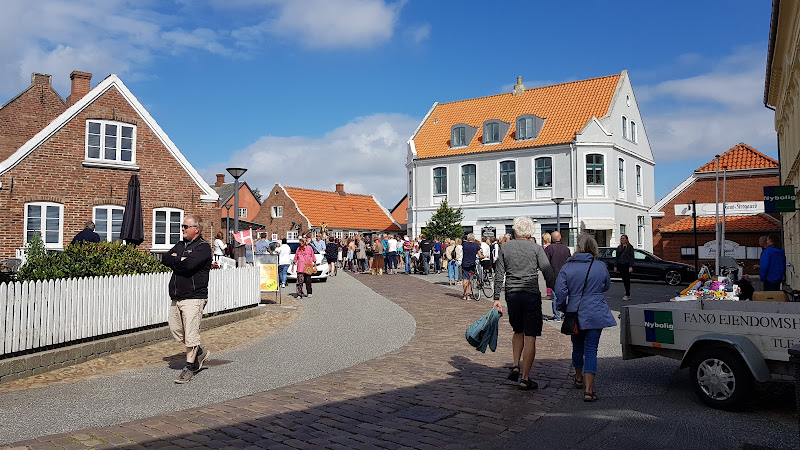
Fanø Museum
About Fanø Museum
Description
Step through the doors of the Fanø Museum, and you’ll feel—well, almost like you’ve wandered off your regular tourist path straight into a different era. I never expected such a feeling, but wow, talk about being transported. The museum is set inside an authentic Fanø-style house (don’t worry, as cozy as they come!), and right away, you’ll notice the creak of old floorboards, the fragrance of polished wood, and the sense that you’re on the island for more than just a holiday snap.
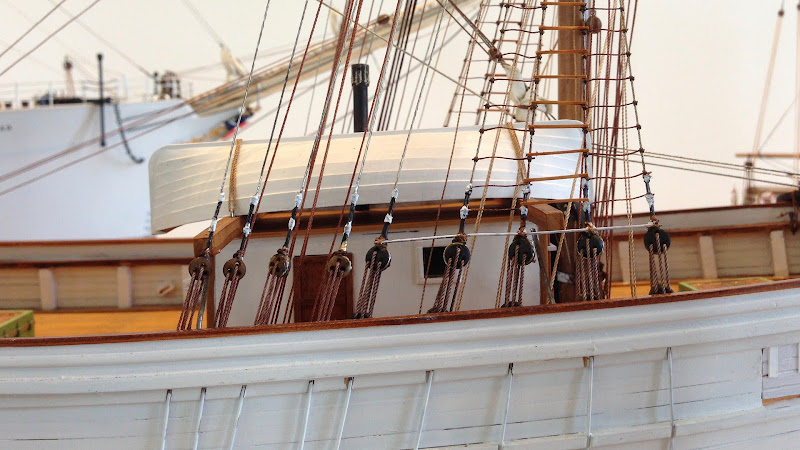
What grabs me most? It’s not a museum with giant marble halls and fancy digital stuff blinking at you nonstop. Instead, there’s intimacy. You’re surrounded by personal objects and stories—a deep dive into how families, sailors, and townsfolk truly lived here. You’ll find everything from maritime artifacts (hello, sea chests and model ships) to the day-to-day tools that kept the community running before modern conveniences. So, it’s a real peek behind the curtain of what life was like for Fanø’s people; not just what they owned, but how they loved, lost, feasted, and worked together.
Now, I’ve been to museums that parade you past endless glass cases and leave you wondering what any of it actually means to real people. Not here. The Fanø Museum’s exhibits, though modest in scale, are packed with heart. There’s actual wear and tear on those items—proof they were handled and relied on, not just dusted off for show. There are stories (ask the guides, seriously—they have local anecdotes galore!) about families braving storms, epic traditions like the Fanø dragt (the folk dress), and the wild, free lives of those whose windows faced the shifting North Sea winds each day.
You might bump into a quirky exhibit on local customs (I remember one on wedding rituals—less about cake, more about shawls and songs!) or spot a painting of the island’s landscapes that reveals how much the tides and dunes have shaped daily life. There’s this hush inside, but it’s not stiff or stuffy. Sometimes, you feel you’re in someone’s home and not just ‘in’ history, if you catch my drift.
And one last thing: it’s not all about the past. Recent updates occasionally bring in contemporary interpretations—artwork, craft, photography—that draw beautiful lines connecting Fanø’s heritage with what’s happening on the island now. Whether you’re an absolute history buff or, honestly, just a little curious, the Fanø Museum is one of those rare places where you walk out with stories itching to be retold.
Key Features
- Authentic island house setting — The building itself is a part of the exhibit, with traditional architecture, original interiors, and details that whisk you back a good hundred years!
- Local maritime history — Dive deep into Fanø’s seafaring legacy, from model ships to salty tales of shipping routes that crisscrossed the world.
- Traditional costumes on display — See Fanø’s beloved folk dress up close, sometimes with intricate embroidery and patterns passed through generations.
- Rich storytelling from real guides — Often, friendly staff share local insights, anecdotes, and sometimes even family stories from Fanø itself.
- Rotating temporary exhibitions — Depending on the time of year, you’ll find new perspectives on art, photography, and contemporary interpretations of island culture.
- Artifacts of daily life — Touchstones of historic daily living: crockery, farm tools, handmade furniture, and the ‘little things’ that tell big stories.
- Cozy and personal atmosphere — It’s not a huge, sterile museum—just a few well-loved rooms that invite you to linger and imagine real lives in motion.
- Family-friendly activities — Some seasons bring workshops or special guided tours tailored for kids and curious teens.
- Outdoor garden area — Step outside to a small but charming garden, where you’ll get a whiff of the island’s ever-present sea breeze and often spot heritage plants and flowers.
Best Time to Visit
Let’s be real, Fanø is best when the sun’s out and the sky goes on for miles. I’d say late spring (May/June) or early autumn (September) is kind of the magic hour for everything on the island, museum included. The weather’s generally mild, you dodge the peak-season crowds, and there’s this fresh, lively feeling in the streets. If you catch the town during the annual Fanø International Kite Festival in June, it really feels like the past and present collide—especially if the museum puts on folk dress events or pop-up exhibits.
Now, don’t rule out a winter visit! The museum tends to open seasonally, but if you’re here off-peak, you’ll get a quieter, more contemplative experience (bring a warm scarf, trust me). You won’t have to jostle with crowds, and that makes it super easy to chat long with the staff or dig into exhibits that might otherwise get passed by in a hurry.
Want to time your visit with a local event? Keep an ear out for special exhibitions or community celebrations—they often coincide with public holidays or big regional gatherings. Sometimes, you even get lucky and there’s hot coffee waiting to take the Danish chill off.
How to Get There
I’m not shy to admit—I once took the slow route to Fanø, and it turned into a bit of a mini-adventure. But, honestly, getting here is more fun than hassle if you plan it right. Most travelers make their way via Esbjerg on the mainland. There’s a regular ferry (yes, those big clanging car and foot ferries—you’ll see locals and kids in wellies bouncing with anticipation) running between Esbjerg and Fanø. The trip’s only about 12 minutes across what looks like a calm soup of water but can kick up a glorious breeze.
Once you land on Fanø, you’re in Nordby—the island’s main town. From there, it’s pretty much a gentle stroll or a quick cycle (everyone cycles here, by the way, so it’s worth renting a bike if you can!). The museum isn’t far from the ferry’s landing; it’s tucked on a picturesque street, surrounded by houses with those adorable thatched roofs and flower-box windows.
If you’re feeling energetic, the whole town is walkable. Bring comfy shoes, though, because the uneven cobbles have more bounce than you first guess. If accessibility is essential for you, no worries—there are taxis or even small buses during high season, but honestly, half the fun’s the wandering itself.
Tips for Visiting
- Start early or just before closing. Both times let you catch the place at its quietest. I prefer late afternoons, honestly—the light through the windows is something else.
- Ask questions. And more questions. Seriously, the guides and team here are absolute goldmines. I once got a five-minute crash course on Fanø’s sea shanties just by being a bit nosey. There’s no such thing as a silly question—every object hides a secret.
- Look for seasonal workshops or extra tours. If you see families or children’s groups in aprons, you’ve probably hit on a craft day. It’s a great chance to hands-on with Fanø’s folk art or baking traditions.
- Pace yourself (tiny room warning!). The house is compact, and that makes every object and display feel more immediate—but just be mindful if you’re with a big group: it can get cozy, fast.
- No flash photography. This one’s practical for the artifacts, but also, natural light gives your photos real mood—with all those old timbers and hand-stitched fabrics, you’ll thank me later.
- Take a moment in the garden. Sounds small, maybe, but it’s where you get the real sense of place. I’ve overheard visitors chatting about which flower varieties their Danish grandma used to plant. It’s a lovely way to connect.
- Plan for about an hour, but linger if you can. Sometimes, what you least expect—a weathered chest, a faded family photo—will snag your attention and you’ll want to ponder a while longer.
- Check opening hours, especially outside summer. The museum sometimes shifts to limited hours or closes outside peak season. Always saves disappointment.
- Support the shop, even if it’s just a postcard. The museum store is usually stocked with local crafts, books, and charming mementos. Really, every little bit helps these smaller, community-driven spots thrive.
End of the day, the Fanø Museum is a rare kind of place. It offers not the picture-perfect, sterilized history, but the knicks,
Key Features
- Key Features
- Best Time to Visit
- How to Get There
- Tips for Visiting
More Details
Updated June 25, 2025
Table of Contents
Description
Step through the doors of the Fanø Museum, and you’ll feel—well, almost like you’ve wandered off your regular tourist path straight into a different era. I never expected such a feeling, but wow, talk about being transported. The museum is set inside an authentic Fanø-style house (don’t worry, as cozy as they come!), and right away, you’ll notice the creak of old floorboards, the fragrance of polished wood, and the sense that you’re on the island for more than just a holiday snap.
What grabs me most? It’s not a museum with giant marble halls and fancy digital stuff blinking at you nonstop. Instead, there’s intimacy. You’re surrounded by personal objects and stories—a deep dive into how families, sailors, and townsfolk truly lived here. You’ll find everything from maritime artifacts (hello, sea chests and model ships) to the day-to-day tools that kept the community running before modern conveniences. So, it’s a real peek behind the curtain of what life was like for Fanø’s people; not just what they owned, but how they loved, lost, feasted, and worked together.
Now, I’ve been to museums that parade you past endless glass cases and leave you wondering what any of it actually means to real people. Not here. The Fanø Museum’s exhibits, though modest in scale, are packed with heart. There’s actual wear and tear on those items—proof they were handled and relied on, not just dusted off for show. There are stories (ask the guides, seriously—they have local anecdotes galore!) about families braving storms, epic traditions like the Fanø dragt (the folk dress), and the wild, free lives of those whose windows faced the shifting North Sea winds each day.
You might bump into a quirky exhibit on local customs (I remember one on wedding rituals—less about cake, more about shawls and songs!) or spot a painting of the island’s landscapes that reveals how much the tides and dunes have shaped daily life. There’s this hush inside, but it’s not stiff or stuffy. Sometimes, you feel you’re in someone’s home and not just ‘in’ history, if you catch my drift.
And one last thing: it’s not all about the past. Recent updates occasionally bring in contemporary interpretations—artwork, craft, photography—that draw beautiful lines connecting Fanø’s heritage with what’s happening on the island now. Whether you’re an absolute history buff or, honestly, just a little curious, the Fanø Museum is one of those rare places where you walk out with stories itching to be retold.
Key Features
- Authentic island house setting — The building itself is a part of the exhibit, with traditional architecture, original interiors, and details that whisk you back a good hundred years!
- Local maritime history — Dive deep into Fanø’s seafaring legacy, from model ships to salty tales of shipping routes that crisscrossed the world.
- Traditional costumes on display — See Fanø’s beloved folk dress up close, sometimes with intricate embroidery and patterns passed through generations.
- Rich storytelling from real guides — Often, friendly staff share local insights, anecdotes, and sometimes even family stories from Fanø itself.
- Rotating temporary exhibitions — Depending on the time of year, you’ll find new perspectives on art, photography, and contemporary interpretations of island culture.
- Artifacts of daily life — Touchstones of historic daily living: crockery, farm tools, handmade furniture, and the ‘little things’ that tell big stories.
- Cozy and personal atmosphere — It’s not a huge, sterile museum—just a few well-loved rooms that invite you to linger and imagine real lives in motion.
- Family-friendly activities — Some seasons bring workshops or special guided tours tailored for kids and curious teens.
- Outdoor garden area — Step outside to a small but charming garden, where you’ll get a whiff of the island’s ever-present sea breeze and often spot heritage plants and flowers.
Best Time to Visit
Let’s be real, Fanø is best when the sun’s out and the sky goes on for miles. I’d say late spring (May/June) or early autumn (September) is kind of the magic hour for everything on the island, museum included. The weather’s generally mild, you dodge the peak-season crowds, and there’s this fresh, lively feeling in the streets. If you catch the town during the annual Fanø International Kite Festival in June, it really feels like the past and present collide—especially if the museum puts on folk dress events or pop-up exhibits.
Now, don’t rule out a winter visit! The museum tends to open seasonally, but if you’re here off-peak, you’ll get a quieter, more contemplative experience (bring a warm scarf, trust me). You won’t have to jostle with crowds, and that makes it super easy to chat long with the staff or dig into exhibits that might otherwise get passed by in a hurry.
Want to time your visit with a local event? Keep an ear out for special exhibitions or community celebrations—they often coincide with public holidays or big regional gatherings. Sometimes, you even get lucky and there’s hot coffee waiting to take the Danish chill off.
How to Get There
I’m not shy to admit—I once took the slow route to Fanø, and it turned into a bit of a mini-adventure. But, honestly, getting here is more fun than hassle if you plan it right. Most travelers make their way via Esbjerg on the mainland. There’s a regular ferry (yes, those big clanging car and foot ferries—you’ll see locals and kids in wellies bouncing with anticipation) running between Esbjerg and Fanø. The trip’s only about 12 minutes across what looks like a calm soup of water but can kick up a glorious breeze.
Once you land on Fanø, you’re in Nordby—the island’s main town. From there, it’s pretty much a gentle stroll or a quick cycle (everyone cycles here, by the way, so it’s worth renting a bike if you can!). The museum isn’t far from the ferry’s landing; it’s tucked on a picturesque street, surrounded by houses with those adorable thatched roofs and flower-box windows.
If you’re feeling energetic, the whole town is walkable. Bring comfy shoes, though, because the uneven cobbles have more bounce than you first guess. If accessibility is essential for you, no worries—there are taxis or even small buses during high season, but honestly, half the fun’s the wandering itself.
Tips for Visiting
– Start early or just before closing. Both times let you catch the place at its quietest. I prefer late afternoons, honestly—the light through the windows is something else.
– Ask questions. And more questions. Seriously, the guides and team here are absolute goldmines. I once got a five-minute crash course on Fanø’s sea shanties just by being a bit nosey. There’s no such thing as a silly question—every object hides a secret.
– Look for seasonal workshops or extra tours. If you see families or children’s groups in aprons, you’ve probably hit on a craft day. It’s a great chance to hands-on with Fanø’s folk art or baking traditions.
– Pace yourself (tiny room warning!). The house is compact, and that makes every object and display feel more immediate—but just be mindful if you’re with a big group: it can get cozy, fast.
– No flash photography. This one’s practical for the artifacts, but also, natural light gives your photos real mood—with all those old timbers and hand-stitched fabrics, you’ll thank me later.
– Take a moment in the garden. Sounds small, maybe, but it’s where you get the real sense of place. I’ve overheard visitors chatting about which flower varieties their Danish grandma used to plant. It’s a lovely way to connect.
– Plan for about an hour, but linger if you can. Sometimes, what you least expect—a weathered chest, a faded family photo—will snag your attention and you’ll want to ponder a while longer.
– Check opening hours, especially outside summer. The museum sometimes shifts to limited hours or closes outside peak season. Always saves disappointment.
– Support the shop, even if it’s just a postcard. The museum store is usually stocked with local crafts, books, and charming mementos. Really, every little bit helps these smaller, community-driven spots thrive.
End of the day, the Fanø Museum is a rare kind of place. It offers not the picture-perfect, sterilized history, but the knicks,
Key Highlights
- Key Features
- Best Time to Visit
- How to Get There
- Tips for Visiting
Location
Places to Stay Near Fanø Museum
Find and Book a Tour
Explore More Travel Guides
No reviews found! Be the first to review!
Traveler Reviews for Fanø Museum
There are no reviews yet. Be the first one to write one.
Have you visited Fanø Museum? Help other travelers by sharing your review.
You Might Also Like
Fanø Skibsfarts- & Dragtsamling

Danibo
Find Accommodations Nearby
Recommended Tours & Activities
Visitor Reviews
There are no reviews yet. Be the first one to write one.
Share Your Experience
Have you visited Fanø Museum? Help other travelers by leaving a review.