
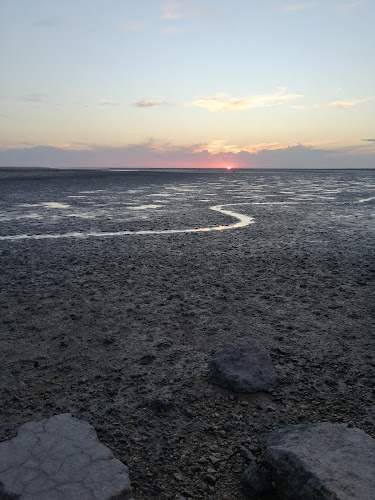
Estuario de la Bahía Blanca
About Estuario de la Bahía Blanca
Description
The Estuario de la Bahía Blanca, or Bahía Blanca Estuary, is one of those places that quietly takes your breath away. It’s not flashy or overly polished, but that’s exactly what makes it so fascinating. Located along the southern coast of Buenos Aires Province in Argentina, this sprawling estuarine system feels like a secret world where land, sea, and sky meet in slow motion. The estuary stretches across channels, marshes, and tidal flats, forming a complex network that supports an incredible range of wildlife. It’s a living, breathing ecosystem that changes with every tide, every gust of wind, every season.
If you’re into nature—real, raw, untamed nature—you’ll probably fall for this place. The Bahía Blanca Estuary is recognized internationally for its ecological importance. It’s part of the Western Hemisphere Shorebird Reserve Network, which tells you something about how vital it is to migratory birds. Thousands of shorebirds stop here each year, some traveling from as far as the Arctic to rest and refuel before continuing south. You can stand quietly on the muddy shore and watch flocks of sandpipers, plovers, and flamingos painting the horizon with movement. It’s humbling, really.
The estuary’s geography is equally captivating. Formed over thousands of years through fluvial and marine processes, it’s a dynamic environment shaped by both land and sea. The tidal range here is quite pronounced, which means the landscape looks completely different depending on when you visit. At low tide, vast mudflats stretch out like mirrors reflecting the sky, while high tide floods the channels and brings the marshes to life. The contrast is mesmerizing. And if you’re into photography, you’ll want to bring extra memory cards—trust me on that.
There’s something peaceful about the rhythm of this place. The air smells faintly of salt and earth, and the soundscape is a mix of distant waves, wind through the reeds, and the occasional call of a heron. It’s not a crowded tourist hub, and that’s part of the charm. You can wander for hours and barely see another person, which makes it perfect for those who crave a bit of solitude or a break from the buzz of city life. It’s also surprisingly family-friendly. Kids love spotting crabs scuttling across the mud or watching the tides roll in and out—it’s nature’s classroom at its best.
Key Features
- Rich biodiversity: Home to over 100 species of birds, including migratory shorebirds and flamingos.
- Unique geography: A mix of tidal flats, salt marshes, and channels formed during the late Pleistocene and Holocene periods.
- Ecological importance: Recognized by the Western Hemisphere Shorebird Reserve Network for its global significance.
- Peaceful atmosphere: Ideal for birdwatching, photography, and quiet contemplation away from crowds.
- Educational opportunities: Great for families and students interested in ecology and marine environments.
- Local culture: The nearby city of Bahía Blanca offers a glimpse into Argentine coastal life, with friendly locals and hearty food.
One of the things I personally love about the estuary is how it manages to feel both wild and welcoming. You don’t need to be a scientist or a hardcore birder to appreciate it. Sometimes it’s enough to just sit on a weathered pier and watch the tide creep in while the sky turns gold. There’s a kind of meditative quality to it, the way time slows down here. And if you’re lucky, you might even spot dolphins gliding through the channels—locals swear by it, and I’ve seen it once myself.
Best Time to Visit
Timing matters when it comes to the Bahía Blanca Estuary. The best months to visit are generally from October to March, when the weather is warmer and migratory birds are most active. During these months, the estuary bursts with life. You’ll see huge flocks feeding on the mudflats, and the vegetation takes on a lush green hue. Mornings and late afternoons are particularly magical for photography—soft light, long shadows, and the kind of silence that makes you feel small in the best possible way.
That said, visiting in the cooler months has its own charm. From April to September, the estuary feels quieter, more introspective. The air is crisp, and the colors shift toward earthy tones. It’s perfect if you prefer solitude or want to avoid the summer heat. Just be prepared for wind—it’s part of the estuary’s personality, and sometimes it feels like it’s testing your resolve. But honestly, that’s part of the adventure.
How to Get There
Reaching the Bahía Blanca Estuary is relatively straightforward, especially if you’re already in the Buenos Aires Province. The city of Bahía Blanca serves as the main gateway, and it’s well-connected by road, rail, and air. From the city center, it’s just a short drive to the estuarine area. You can rent a car, take a guided tour, or even hop on a local bus depending on your comfort level. Personally, I’d recommend renting a car or joining a small eco-tour—mainly because it gives you the freedom to explore at your own pace.
If you’re coming from Buenos Aires City, expect about a 1-hour flight or a 7-hour drive. The route itself is scenic, with stretches of open countryside and glimpses of rural Argentina that most tourists never see. Once you arrive in Bahía Blanca, signs and local guides can point you toward the main observation points and nature trails. Some areas are accessible year-round, while others may depend on tides or weather conditions, so it’s good to check ahead if you’re planning specific activities like kayaking or birdwatching.
For those who enjoy a bit of adventure, exploring by kayak or small boat is an unforgettable experience. Gliding through narrow channels surrounded by reeds and watching flocks of birds take off in unison—it’s the kind of moment that sticks with you long after you’ve left. Just make sure to go with a certified local guide; tides here can be tricky, and local knowledge makes all the difference.
Tips for Visiting
Here’s the thing about the Bahía Blanca Estuary: it rewards the curious and the patient. It’s not the kind of place you rush through. So, before you go, here are a few tips I’ve learned (some the hard way) that might make your visit smoother:
- Wear sturdy shoes: The terrain can get muddy, especially during low tide. Waterproof boots or old sneakers are your best friends here.
- Bring binoculars: Even if you’re not a birdwatcher, you’ll want to get a closer look at the wildlife. Trust me, it’s worth it.
- Check the tides: The estuary’s appearance changes dramatically with the tide, so plan your visit accordingly. Low tide is best for birdwatching.
- Pack for the wind: The coastal breeze can be strong, so a light jacket or windbreaker is a must.
- Respect the environment: This is a fragile ecosystem. Stick to marked trails, avoid disturbing wildlife, and take your trash with you.
- Bring snacks and water: Facilities are limited near the estuary, so come prepared.
- Join a guided tour: Local guides often share fascinating stories about the estuary’s history and ecology that you won’t find in guidebooks.
And here’s a little personal note: don’t rush your visit. Sit down somewhere quiet—maybe on a driftwood log or a grassy patch—and just listen. The estuary has a rhythm, a pulse that you only notice when you slow down enough to feel it. I remember one afternoon when I was there, the light was fading, the tide was turning, and everything went still. A flock of flamingos flew overhead, their reflections rippling across the water. It was one of those moments that felt suspended in time. You don’t get that in crowded tourist spots.
The Bahía Blanca Estuary isn’t just a destination—it’s an experience that invites you to reconnect with the natural world. Whether you’re an avid birder, a photographer chasing light, or simply someone who enjoys quiet places with stories to tell, this estuary will leave its mark on you. It’s the kind of place that reminds you how vast and interconnected our planet really is. And honestly, that’s a feeling worth traveling for.
Key Features
- Key Features
- Best Time to Visit
- How to Get There
- Tips for Visiting
More Details
Updated November 9, 2025
Table of Contents
Description
The Estuario de la Bahía Blanca, or Bahía Blanca Estuary, is one of those places that quietly takes your breath away. It’s not flashy or overly polished, but that’s exactly what makes it so fascinating. Located along the southern coast of Buenos Aires Province in Argentina, this sprawling estuarine system feels like a secret world where land, sea, and sky meet in slow motion. The estuary stretches across channels, marshes, and tidal flats, forming a complex network that supports an incredible range of wildlife. It’s a living, breathing ecosystem that changes with every tide, every gust of wind, every season.
If you’re into nature—real, raw, untamed nature—you’ll probably fall for this place. The Bahía Blanca Estuary is recognized internationally for its ecological importance. It’s part of the Western Hemisphere Shorebird Reserve Network, which tells you something about how vital it is to migratory birds. Thousands of shorebirds stop here each year, some traveling from as far as the Arctic to rest and refuel before continuing south. You can stand quietly on the muddy shore and watch flocks of sandpipers, plovers, and flamingos painting the horizon with movement. It’s humbling, really.
The estuary’s geography is equally captivating. Formed over thousands of years through fluvial and marine processes, it’s a dynamic environment shaped by both land and sea. The tidal range here is quite pronounced, which means the landscape looks completely different depending on when you visit. At low tide, vast mudflats stretch out like mirrors reflecting the sky, while high tide floods the channels and brings the marshes to life. The contrast is mesmerizing. And if you’re into photography, you’ll want to bring extra memory cards—trust me on that.
There’s something peaceful about the rhythm of this place. The air smells faintly of salt and earth, and the soundscape is a mix of distant waves, wind through the reeds, and the occasional call of a heron. It’s not a crowded tourist hub, and that’s part of the charm. You can wander for hours and barely see another person, which makes it perfect for those who crave a bit of solitude or a break from the buzz of city life. It’s also surprisingly family-friendly. Kids love spotting crabs scuttling across the mud or watching the tides roll in and out—it’s nature’s classroom at its best.
Key Features
- Rich biodiversity: Home to over 100 species of birds, including migratory shorebirds and flamingos.
- Unique geography: A mix of tidal flats, salt marshes, and channels formed during the late Pleistocene and Holocene periods.
- Ecological importance: Recognized by the Western Hemisphere Shorebird Reserve Network for its global significance.
- Peaceful atmosphere: Ideal for birdwatching, photography, and quiet contemplation away from crowds.
- Educational opportunities: Great for families and students interested in ecology and marine environments.
- Local culture: The nearby city of Bahía Blanca offers a glimpse into Argentine coastal life, with friendly locals and hearty food.
One of the things I personally love about the estuary is how it manages to feel both wild and welcoming. You don’t need to be a scientist or a hardcore birder to appreciate it. Sometimes it’s enough to just sit on a weathered pier and watch the tide creep in while the sky turns gold. There’s a kind of meditative quality to it, the way time slows down here. And if you’re lucky, you might even spot dolphins gliding through the channels—locals swear by it, and I’ve seen it once myself.
Best Time to Visit
Timing matters when it comes to the Bahía Blanca Estuary. The best months to visit are generally from October to March, when the weather is warmer and migratory birds are most active. During these months, the estuary bursts with life. You’ll see huge flocks feeding on the mudflats, and the vegetation takes on a lush green hue. Mornings and late afternoons are particularly magical for photography—soft light, long shadows, and the kind of silence that makes you feel small in the best possible way.
That said, visiting in the cooler months has its own charm. From April to September, the estuary feels quieter, more introspective. The air is crisp, and the colors shift toward earthy tones. It’s perfect if you prefer solitude or want to avoid the summer heat. Just be prepared for wind—it’s part of the estuary’s personality, and sometimes it feels like it’s testing your resolve. But honestly, that’s part of the adventure.
How to Get There
Reaching the Bahía Blanca Estuary is relatively straightforward, especially if you’re already in the Buenos Aires Province. The city of Bahía Blanca serves as the main gateway, and it’s well-connected by road, rail, and air. From the city center, it’s just a short drive to the estuarine area. You can rent a car, take a guided tour, or even hop on a local bus depending on your comfort level. Personally, I’d recommend renting a car or joining a small eco-tour—mainly because it gives you the freedom to explore at your own pace.
If you’re coming from Buenos Aires City, expect about a 1-hour flight or a 7-hour drive. The route itself is scenic, with stretches of open countryside and glimpses of rural Argentina that most tourists never see. Once you arrive in Bahía Blanca, signs and local guides can point you toward the main observation points and nature trails. Some areas are accessible year-round, while others may depend on tides or weather conditions, so it’s good to check ahead if you’re planning specific activities like kayaking or birdwatching.
For those who enjoy a bit of adventure, exploring by kayak or small boat is an unforgettable experience. Gliding through narrow channels surrounded by reeds and watching flocks of birds take off in unison—it’s the kind of moment that sticks with you long after you’ve left. Just make sure to go with a certified local guide; tides here can be tricky, and local knowledge makes all the difference.
Tips for Visiting
Here’s the thing about the Bahía Blanca Estuary: it rewards the curious and the patient. It’s not the kind of place you rush through. So, before you go, here are a few tips I’ve learned (some the hard way) that might make your visit smoother:
- Wear sturdy shoes: The terrain can get muddy, especially during low tide. Waterproof boots or old sneakers are your best friends here.
- Bring binoculars: Even if you’re not a birdwatcher, you’ll want to get a closer look at the wildlife. Trust me, it’s worth it.
- Check the tides: The estuary’s appearance changes dramatically with the tide, so plan your visit accordingly. Low tide is best for birdwatching.
- Pack for the wind: The coastal breeze can be strong, so a light jacket or windbreaker is a must.
- Respect the environment: This is a fragile ecosystem. Stick to marked trails, avoid disturbing wildlife, and take your trash with you.
- Bring snacks and water: Facilities are limited near the estuary, so come prepared.
- Join a guided tour: Local guides often share fascinating stories about the estuary’s history and ecology that you won’t find in guidebooks.
And here’s a little personal note: don’t rush your visit. Sit down somewhere quiet—maybe on a driftwood log or a grassy patch—and just listen. The estuary has a rhythm, a pulse that you only notice when you slow down enough to feel it. I remember one afternoon when I was there, the light was fading, the tide was turning, and everything went still. A flock of flamingos flew overhead, their reflections rippling across the water. It was one of those moments that felt suspended in time. You don’t get that in crowded tourist spots.
The Bahía Blanca Estuary isn’t just a destination—it’s an experience that invites you to reconnect with the natural world. Whether you’re an avid birder, a photographer chasing light, or simply someone who enjoys quiet places with stories to tell, this estuary will leave its mark on you. It’s the kind of place that reminds you how vast and interconnected our planet really is. And honestly, that’s a feeling worth traveling for.
Key Highlights
- Key Features
- Best Time to Visit
- How to Get There
- Tips for Visiting
Location
Places to Stay Near Estuario de la Bahía Blanca
Find and Book a Tour
Explore More Travel Guides
No reviews found! Be the first to review!
Traveler Reviews for Estuario de la Bahía Blanca
There are no reviews yet. Be the first one to write one.
Have you visited Estuario de la Bahía Blanca? Help other travelers by sharing your review.
You Might Also Like
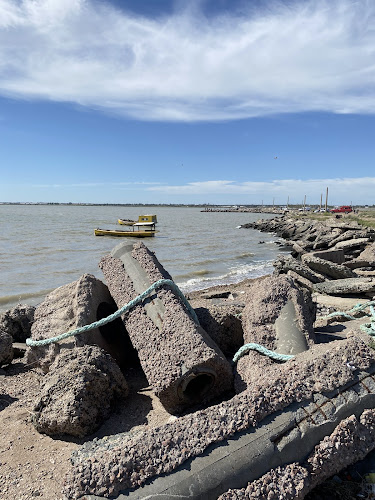
Paseo Costero Ria Bahia Blanca

MUSEO DE CIENCIA Y TÉCNICA
Alsina 91
Find Accommodations Nearby
Recommended Tours & Activities
Visitor Reviews
There are no reviews yet. Be the first one to write one.
Share Your Experience
Have you visited Estuario de la Bahía Blanca? Help other travelers by leaving a review.