About Museo de la Aviación Naval Argentina

Description

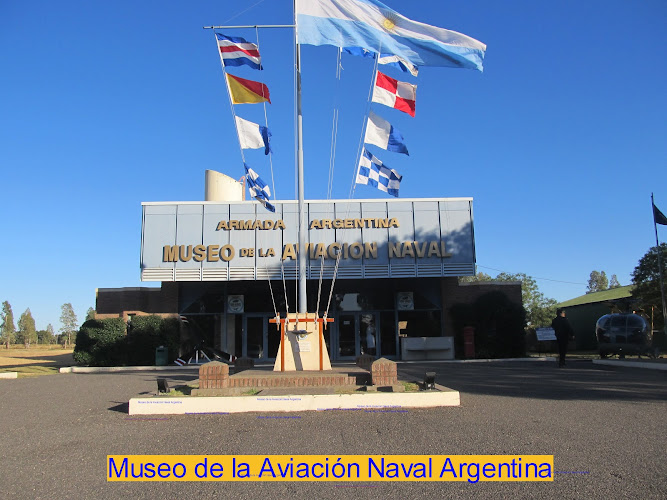
The Museo de la Aviación Naval Argentina is one of those places that quietly surprises you. It’s not a flashy, high-tech museum with holograms and sound effects, but it has something better—authenticity. Located within a real naval base, this museum tells the story of Argentina’s naval aviation history in a way that feels deeply personal and grounded. Visitors who love aircraft, military history, or just enjoy discovering lesser-known museums will find it fascinating. And even if you’re not a die-hard aviation buff, there’s something oddly captivating about standing just a few feet away from aircraft that once soared over the South Atlantic.

The museum’s collection spans several decades, showcasing the evolution of naval aviation in Argentina. You’ll find old helicopters, fighter jets, and reconnaissance planes—each with its own story. Some of them look a bit weathered, sure, but that’s part of the charm. It’s not a polished, sterile environment; it feels lived-in, like the history here hasn’t been scrubbed clean. The exhibits include detailed information panels, uniforms, naval equipment, and even photographs that capture the bravery and ingenuity of the Argentine Navy’s aviators. It’s the kind of place where you can easily lose track of time just reading the small details on a display board.

What makes it even more interesting is that it’s not overly crowded. You can actually take your time, walk around, and soak in the atmosphere. Families often bring their kids here, and it’s easy to see why—it’s educational without being boring. You can almost see the spark in a child’s eyes when they stand beneath a massive aircraft wing for the first time. The museum staff are usually friendly and willing to share stories, which adds a personal touch. There’s a sense of pride in their voices when they talk about the aircraft and the people who flew them.

It’s worth noting that the museum closes on rainy days, which might sound odd, but it’s because part of the exhibition area is outdoors. So, if you’re planning a visit, make sure the weather forecast looks good. On a clear day, the open-air section is wonderful—you can walk among the aircraft, take photos, and really appreciate their scale. It’s also a great spot for photography enthusiasts who enjoy capturing the contrast between vintage aircraft and the bright Argentine sky.

Key Features

  • Authentic Aircraft Collection: The museum houses a diverse range of naval aircraft, from classic propeller planes to jet fighters that have served in real missions.
  • Historical Exhibits: Displays of uniforms, navigation instruments, and archival photographs tell the story of Argentina’s naval aviation development.
  • Outdoor Exhibition Area: Visitors can walk among aircraft displayed outdoors, providing a close-up view rarely found in larger museums.
  • Family-Friendly Atmosphere: The museum is suitable for children and families, offering educational opportunities without overwhelming young visitors.
  • Wheelchair Accessible Entrance: The main entrance is accessible to wheelchair users, although parking and restrooms may present some challenges.
  • Knowledgeable Staff: Guides and attendants often share personal anecdotes and historical insights, enriching the overall experience.
  • Peaceful Setting: Located within a naval base, the environment feels calm and secure, allowing visitors to explore at their own pace.

Personally, what I love most is the sense of connection here. You can almost feel the weight of history when you stand next to an aircraft that once flew missions over the ocean. It’s humbling. And if you’re the type who enjoys off-the-beaten-path museums, this one hits the sweet spot between accessibility and authenticity. It’s not a tourist trap—it’s a genuine piece of Argentina’s military heritage.

Best Time to Visit

Timing your visit can make a big difference. The best months to come are during spring and autumn, roughly from September to November and March to May. The weather is mild, and you’re less likely to be caught in one of those sudden rain showers that can close the museum. Summer can be quite hot, and since some parts of the museum are outdoors, it’s not ideal unless you don’t mind the heat. Winter, on the other hand, has its own charm—fewer visitors and a quieter atmosphere, perfect if you enjoy exploring at your own pace.

Weekdays are generally calmer than weekends. If you prefer having the place almost to yourself, go on a weekday morning. The light is great for photos too—soft and golden, especially around mid-morning. But if you’re traveling with kids or friends, weekends can be livelier, with more families and guided tours happening. Just keep in mind that the museum closes on rainy days, so always check the weather before you head out.

How to Get There

Reaching the Museo de la Aviación Naval Argentina isn’t complicated, but it does require a bit of planning. The museum is located within a naval base near Bahía Blanca, so you’ll need to go through a security checkpoint. Don’t worry—it’s straightforward, just remember to bring your ID. If you’re driving, the route is well-marked, and you’ll find signs pointing toward the base. Parking is available nearby, although it might not be ideal for those needing wheelchair-accessible spots.

For travelers without a car, taxis or rideshare services are the easiest option. Public transportation is limited in this area, so I wouldn’t rely on buses unless you’re familiar with the local routes. Some visitors even choose to rent a car for the day, which gives you more flexibility to explore Bahía Blanca and its surroundings. If you’re coming from the city center, the drive takes around 20 to 30 minutes, depending on traffic. It’s a pleasant route, especially if you enjoy scenic drives through the Argentine countryside.

Once inside the base, the museum is easy to find. There are signs, and the staff at the entrance are used to visitors asking for directions. It’s part of the adventure, really—there’s something exciting about visiting a museum located within an active military zone. You get this sense that you’re stepping into a space where history and service intersect.

Tips for Visiting

Here’s some friendly advice from someone who’s been there and learned a few things along the way. First off, check the weather! I can’t stress this enough. Since the museum closes on rainy days, it’s frustrating to make the trip only to find the gates shut. A quick look at the forecast can save you the trouble. Bring a hat, sunscreen, and a bottle of water if you’re visiting during warmer months—the outdoor section can get quite sunny.

Wear comfortable shoes. The museum grounds are spread out, and you’ll be walking across both indoor and outdoor areas. If you’re into photography, bring your camera or phone fully charged. There are some fantastic photo opportunities, especially with the aircraft displayed against the open sky. And if you’re traveling with kids, make it a bit of a game—ask them to spot the oldest plane or the one with the most unusual design. It keeps them engaged and curious.

There’s no restaurant on-site, so plan your meals accordingly. You can grab a bite in Bahía Blanca before or after your visit. There are restrooms available, but accessibility can be limited, so if you have mobility needs, it’s good to plan ahead. The entrance is wheelchair accessible, though, which is a plus. Also, bring a bit of cash just in case—sometimes small museums like this one have souvenir stands or donation boxes that don’t take cards.

Finally, take your time. Don’t rush through the exhibits. Read the descriptions, look at the photographs, and imagine what it must’ve been like to fly those aircraft decades ago. That’s where the real magic of the Museo de la Aviación Naval Argentina lies—in the quiet moments when history feels alive and personal. It’s not just about planes and engines; it’s about people, courage, and the stories that shaped Argentina’s naval aviation legacy. And honestly, that’s something worth experiencing firsthand.

So, if you ever find yourself in Bahía Blanca and you’re looking for a meaningful, slightly unconventional museum visit, this is it. It’s a place that honors history without pretense, where every aircraft and display tells a story. And who knows? You might just walk away with a newfound appreciation for the skies and the people who dared to conquer them.

Key Features

  • Key Features
  • Best Time to Visit
  • How to Get There
  • Tips for Visiting

More Details

Updated November 9, 2025

Description

The Museo de la Aviación Naval Argentina is one of those places that quietly surprises you. It’s not a flashy, high-tech museum with holograms and sound effects, but it has something better—authenticity. Located within a real naval base, this museum tells the story of Argentina’s naval aviation history in a way that feels deeply personal and grounded. Visitors who love aircraft, military history, or just enjoy discovering lesser-known museums will find it fascinating. And even if you’re not a die-hard aviation buff, there’s something oddly captivating about standing just a few feet away from aircraft that once soared over the South Atlantic.

The museum’s collection spans several decades, showcasing the evolution of naval aviation in Argentina. You’ll find old helicopters, fighter jets, and reconnaissance planes—each with its own story. Some of them look a bit weathered, sure, but that’s part of the charm. It’s not a polished, sterile environment; it feels lived-in, like the history here hasn’t been scrubbed clean. The exhibits include detailed information panels, uniforms, naval equipment, and even photographs that capture the bravery and ingenuity of the Argentine Navy’s aviators. It’s the kind of place where you can easily lose track of time just reading the small details on a display board.

What makes it even more interesting is that it’s not overly crowded. You can actually take your time, walk around, and soak in the atmosphere. Families often bring their kids here, and it’s easy to see why—it’s educational without being boring. You can almost see the spark in a child’s eyes when they stand beneath a massive aircraft wing for the first time. The museum staff are usually friendly and willing to share stories, which adds a personal touch. There’s a sense of pride in their voices when they talk about the aircraft and the people who flew them.

It’s worth noting that the museum closes on rainy days, which might sound odd, but it’s because part of the exhibition area is outdoors. So, if you’re planning a visit, make sure the weather forecast looks good. On a clear day, the open-air section is wonderful—you can walk among the aircraft, take photos, and really appreciate their scale. It’s also a great spot for photography enthusiasts who enjoy capturing the contrast between vintage aircraft and the bright Argentine sky.

Key Features

  • Authentic Aircraft Collection: The museum houses a diverse range of naval aircraft, from classic propeller planes to jet fighters that have served in real missions.
  • Historical Exhibits: Displays of uniforms, navigation instruments, and archival photographs tell the story of Argentina’s naval aviation development.
  • Outdoor Exhibition Area: Visitors can walk among aircraft displayed outdoors, providing a close-up view rarely found in larger museums.
  • Family-Friendly Atmosphere: The museum is suitable for children and families, offering educational opportunities without overwhelming young visitors.
  • Wheelchair Accessible Entrance: The main entrance is accessible to wheelchair users, although parking and restrooms may present some challenges.
  • Knowledgeable Staff: Guides and attendants often share personal anecdotes and historical insights, enriching the overall experience.
  • Peaceful Setting: Located within a naval base, the environment feels calm and secure, allowing visitors to explore at their own pace.

Personally, what I love most is the sense of connection here. You can almost feel the weight of history when you stand next to an aircraft that once flew missions over the ocean. It’s humbling. And if you’re the type who enjoys off-the-beaten-path museums, this one hits the sweet spot between accessibility and authenticity. It’s not a tourist trap—it’s a genuine piece of Argentina’s military heritage.

Best Time to Visit

Timing your visit can make a big difference. The best months to come are during spring and autumn, roughly from September to November and March to May. The weather is mild, and you’re less likely to be caught in one of those sudden rain showers that can close the museum. Summer can be quite hot, and since some parts of the museum are outdoors, it’s not ideal unless you don’t mind the heat. Winter, on the other hand, has its own charm—fewer visitors and a quieter atmosphere, perfect if you enjoy exploring at your own pace.

Weekdays are generally calmer than weekends. If you prefer having the place almost to yourself, go on a weekday morning. The light is great for photos too—soft and golden, especially around mid-morning. But if you’re traveling with kids or friends, weekends can be livelier, with more families and guided tours happening. Just keep in mind that the museum closes on rainy days, so always check the weather before you head out.

How to Get There

Reaching the Museo de la Aviación Naval Argentina isn’t complicated, but it does require a bit of planning. The museum is located within a naval base near Bahía Blanca, so you’ll need to go through a security checkpoint. Don’t worry—it’s straightforward, just remember to bring your ID. If you’re driving, the route is well-marked, and you’ll find signs pointing toward the base. Parking is available nearby, although it might not be ideal for those needing wheelchair-accessible spots.

For travelers without a car, taxis or rideshare services are the easiest option. Public transportation is limited in this area, so I wouldn’t rely on buses unless you’re familiar with the local routes. Some visitors even choose to rent a car for the day, which gives you more flexibility to explore Bahía Blanca and its surroundings. If you’re coming from the city center, the drive takes around 20 to 30 minutes, depending on traffic. It’s a pleasant route, especially if you enjoy scenic drives through the Argentine countryside.

Once inside the base, the museum is easy to find. There are signs, and the staff at the entrance are used to visitors asking for directions. It’s part of the adventure, really—there’s something exciting about visiting a museum located within an active military zone. You get this sense that you’re stepping into a space where history and service intersect.

Tips for Visiting

Here’s some friendly advice from someone who’s been there and learned a few things along the way. First off, check the weather! I can’t stress this enough. Since the museum closes on rainy days, it’s frustrating to make the trip only to find the gates shut. A quick look at the forecast can save you the trouble. Bring a hat, sunscreen, and a bottle of water if you’re visiting during warmer months—the outdoor section can get quite sunny.

Wear comfortable shoes. The museum grounds are spread out, and you’ll be walking across both indoor and outdoor areas. If you’re into photography, bring your camera or phone fully charged. There are some fantastic photo opportunities, especially with the aircraft displayed against the open sky. And if you’re traveling with kids, make it a bit of a game—ask them to spot the oldest plane or the one with the most unusual design. It keeps them engaged and curious.

There’s no restaurant on-site, so plan your meals accordingly. You can grab a bite in Bahía Blanca before or after your visit. There are restrooms available, but accessibility can be limited, so if you have mobility needs, it’s good to plan ahead. The entrance is wheelchair accessible, though, which is a plus. Also, bring a bit of cash just in case—sometimes small museums like this one have souvenir stands or donation boxes that don’t take cards.

Finally, take your time. Don’t rush through the exhibits. Read the descriptions, look at the photographs, and imagine what it must’ve been like to fly those aircraft decades ago. That’s where the real magic of the Museo de la Aviación Naval Argentina lies—in the quiet moments when history feels alive and personal. It’s not just about planes and engines; it’s about people, courage, and the stories that shaped Argentina’s naval aviation legacy. And honestly, that’s something worth experiencing firsthand.

So, if you ever find yourself in Bahía Blanca and you’re looking for a meaningful, slightly unconventional museum visit, this is it. It’s a place that honors history without pretense, where every aircraft and display tells a story. And who knows? You might just walk away with a newfound appreciation for the skies and the people who dared to conquer them.

Key Highlights

  • Key Features
  • Best Time to Visit
  • How to Get There
  • Tips for Visiting

Location

Places to Stay Near Museo de la Aviación Naval Argentina

Find and Book a Tour

Explore More Travel Guides

No reviews found! Be the first to review!

Traveler Reviews for Museo de la Aviación Naval Argentina

There are no reviews yet. Be the first one to write one.

Share Your Experience

Have you visited Museo de la Aviación Naval Argentina? Help other travelers by sharing your review.

Find Accommodations Nearby

Recommended Tours & Activities

Visitor Reviews

There are no reviews yet. Be the first one to write one.

Share Your Experience

Have you visited Museo de la Aviación Naval Argentina? Help other travelers by leaving a review.