
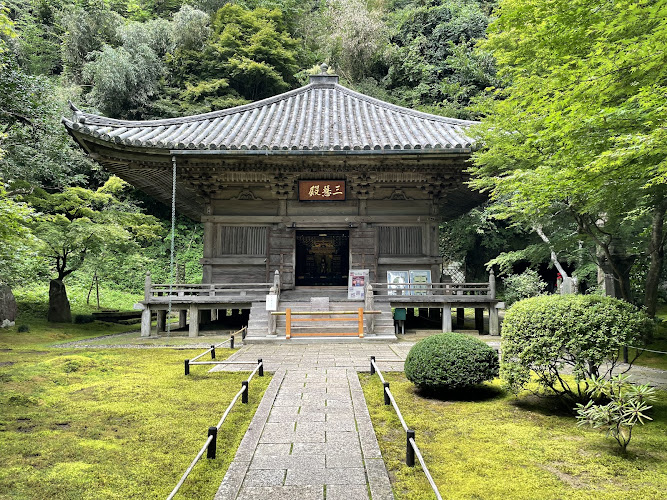
Entsuin
About Entsuin
Description
The Entsuin stands as a remarkable testament to 17th-century Japanese Buddhist architecture and artistry. Built in 1647, this temple holds an enchanting blend of traditional Japanese aesthetics and unexpected Western influences. I'll admit, when I first stepped through its gates, I wasn't prepared for the stunning contrast between its meticulously maintained Japanese garden and the surprising European-inspired garden section - it's honestly like nothing else I've seen in Japan. The temple's main draw is its breathtaking mausoleum, which literally took my breath away with its intricate gold leaf decorations and delicate paintings. The structure was built to honor Mitsumune, the young Date clan heir who passed away at just 19. You can really feel the depth of emotion poured into every detail of this memorial.Key Features
• Rose Garden - A unique Western-style garden that pays homage to the Date clan's historic connections with Europe • Gold-leafed Mausoleum - Adorned with stunning paintings and precious metals that showcase exceptional Momoyama period craftsmanship • Traditional Japanese Garden - Features a peaceful pond, carefully pruned trees, and seasonal flowers that change throughout the year • Historic Buddhist Artifacts - Houses important religious items and artwork from the Edo period • Zen Rock Garden - A contemplative space designed for meditation and reflection • Ancient Cedar Trees - Several centuries-old trees that have witnessed the temple's entire history • Night Illuminations - Special evening lighting during autumn and select seasonal eventsBest Time to Visit
From my experience visiting across different seasons, autumn is hands-down the most magical time to explore Entsuin. The maple trees burst into brilliant shades of red and orange, creating a dramatic backdrop for the temple's architecture. But honestly? The temple offers something special year-round. Spring brings cherry blossoms and azaleas, while summer showcases the rose garden in full bloom. Winter has its own charm - the bare branches and possible snow create an austere beauty that really lets you appreciate the temple's architectural details. I'd suggest planning your visit for early morning or late afternoon to avoid the midday crowds and catch the best lighting for photos.How to Get There
Getting to Entsuin is pretty straightforward. From Matsushima-Kaigan Station, you can walk there in about 5-10 minutes - just follow the well-marked signs toward the temple district. If you're coming from Sendai, catch a train on the JR Senseki Line to Matsushima-Kaigan Station. The journey takes roughly 40 minutes and offers some nice coastal views along the way. For those driving, there's parking available nearby, though spaces can be limited during peak season and holidays. Ya might want to arrive early if you're coming by car, especially during autumn when the fall colors draw bigger crowds.Tips for Visiting
Look, I've learned a few things from my visits that'll help make your experience even better. First off, wear comfortable shoes - you'll be doing quite a bit of walking, and some of the garden paths can be uneven. The temple grounds aren't huge, but you'll want to take your time exploring all the nooks and crannies. Remember to bring cash for the entrance fee - credit cards aren't always accepted. If you're into photography (and trust me, you'll want to take plenty of pictures), morning light tends to be best for capturing the mausoleum's golden details. During peak seasons, especially autumn, try to arrive right when they open or later in the afternoon to dodge the biggest crowds. And don't rush through - set aside at least an hour to really soak in the atmosphere and details of both gardens. Oh, and here's a pro tip: check if there are any special illumination events happening during your visit. The nighttime lighting transforms the entire place into something truly magical - it's like seeing a completely different temple! For the best experience, consider combining your visit with the nearby Zuiganji Temple. They're practically neighbors, and seeing both gives you a fuller picture of Matsushima's religious and cultural heritage. Keep in mind that the temple grounds can get slippery after rain, so watch your step on the stone pathways. Finally, while most of the temple is accessible, some areas might be challenging for visitors with mobility issues. If you're traveling with someone who has limited mobility, it's worth checking with the staff about the best routes to take through the grounds.Key Features
- Key Features
- Best Time to Visit
- How to Get There
- Tips for Visiting
More Details
Updated May 15, 2025
Table of Contents
Description
The Entsuin stands as a remarkable testament to 17th-century Japanese Buddhist architecture and artistry. Built in 1647, this temple holds an enchanting blend of traditional Japanese aesthetics and unexpected Western influences. I’ll admit, when I first stepped through its gates, I wasn’t prepared for the stunning contrast between its meticulously maintained Japanese garden and the surprising European-inspired garden section – it’s honestly like nothing else I’ve seen in Japan.
The temple’s main draw is its breathtaking mausoleum, which literally took my breath away with its intricate gold leaf decorations and delicate paintings. The structure was built to honor Mitsumune, the young Date clan heir who passed away at just 19. You can really feel the depth of emotion poured into every detail of this memorial.
Key Features
• Rose Garden – A unique Western-style garden that pays homage to the Date clan’s historic connections with Europe
• Gold-leafed Mausoleum – Adorned with stunning paintings and precious metals that showcase exceptional Momoyama period craftsmanship
• Traditional Japanese Garden – Features a peaceful pond, carefully pruned trees, and seasonal flowers that change throughout the year
• Historic Buddhist Artifacts – Houses important religious items and artwork from the Edo period
• Zen Rock Garden – A contemplative space designed for meditation and reflection
• Ancient Cedar Trees – Several centuries-old trees that have witnessed the temple’s entire history
• Night Illuminations – Special evening lighting during autumn and select seasonal events
Best Time to Visit
From my experience visiting across different seasons, autumn is hands-down the most magical time to explore Entsuin. The maple trees burst into brilliant shades of red and orange, creating a dramatic backdrop for the temple’s architecture. But honestly? The temple offers something special year-round.
Spring brings cherry blossoms and azaleas, while summer showcases the rose garden in full bloom. Winter has its own charm – the bare branches and possible snow create an austere beauty that really lets you appreciate the temple’s architectural details. I’d suggest planning your visit for early morning or late afternoon to avoid the midday crowds and catch the best lighting for photos.
How to Get There
Getting to Entsuin is pretty straightforward. From Matsushima-Kaigan Station, you can walk there in about 5-10 minutes – just follow the well-marked signs toward the temple district. If you’re coming from Sendai, catch a train on the JR Senseki Line to Matsushima-Kaigan Station. The journey takes roughly 40 minutes and offers some nice coastal views along the way.
For those driving, there’s parking available nearby, though spaces can be limited during peak season and holidays. Ya might want to arrive early if you’re coming by car, especially during autumn when the fall colors draw bigger crowds.
Tips for Visiting
Look, I’ve learned a few things from my visits that’ll help make your experience even better. First off, wear comfortable shoes – you’ll be doing quite a bit of walking, and some of the garden paths can be uneven. The temple grounds aren’t huge, but you’ll want to take your time exploring all the nooks and crannies.
Remember to bring cash for the entrance fee – credit cards aren’t always accepted. If you’re into photography (and trust me, you’ll want to take plenty of pictures), morning light tends to be best for capturing the mausoleum’s golden details.
During peak seasons, especially autumn, try to arrive right when they open or later in the afternoon to dodge the biggest crowds. And don’t rush through – set aside at least an hour to really soak in the atmosphere and details of both gardens.
Oh, and here’s a pro tip: check if there are any special illumination events happening during your visit. The nighttime lighting transforms the entire place into something truly magical – it’s like seeing a completely different temple!
For the best experience, consider combining your visit with the nearby Zuiganji Temple. They’re practically neighbors, and seeing both gives you a fuller picture of Matsushima’s religious and cultural heritage. Keep in mind that the temple grounds can get slippery after rain, so watch your step on the stone pathways.
Finally, while most of the temple is accessible, some areas might be challenging for visitors with mobility issues. If you’re traveling with someone who has limited mobility, it’s worth checking with the staff about the best routes to take through the grounds.
Key Highlights
- Key Features
- Best Time to Visit
- How to Get There
- Tips for Visiting
Location
Places to Stay Near Entsuin
Find and Book a Tour
Explore More Travel Guides
No reviews found! Be the first to review!
Traveler Reviews for Entsuin
There are no reviews yet. Be the first one to write one.
Have you visited Entsuin? Help other travelers by sharing your review.
You Might Also Like
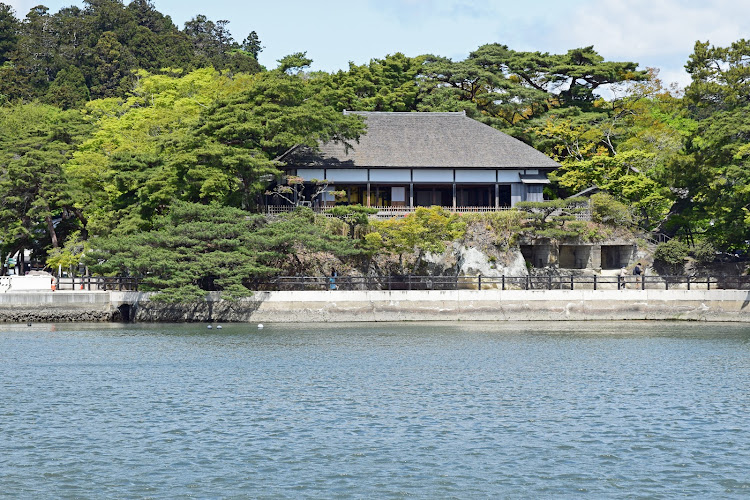
Kanrantei Tea House
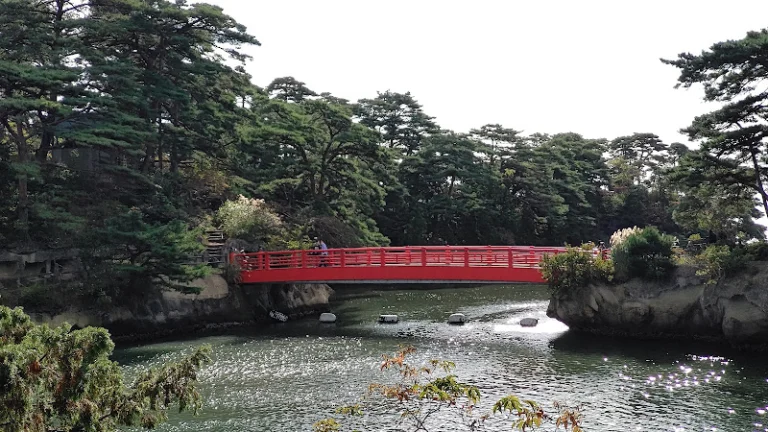
Togetsukyo Bridge

Shin Tomiyama Overlook
Find Accommodations Nearby
Recommended Tours & Activities
Visitor Reviews
There are no reviews yet. Be the first one to write one.
Share Your Experience
Have you visited Entsuin? Help other travelers by leaving a review.