

Eleanor D Wilson Museum
About Eleanor D Wilson Museum
Description
The Eleanor D. Wilson Museum at Hollins University is a modest but surprisingly rich art museum that rewards patient eyes. With a permanent collection that exceeds 1,000 works and a steady rotation of temporary exhibitions, the museum presents a layered portrait of regional and national art practices. The atmosphere is calm, sometimes quietly scholarly, sometimes playfully experimental depending on the exhibition on view. Visitors who expect a cavernous, blockbuster museum will be pleasantly surprised by the intimacy here — galleries scaled for close looking, not for shouting across a marble atrium.
Located on a college campus, the museum acts as both an academic resource and a public cultural hub. The collection ranges from historical prints and drawings to contemporary paintings, sculpture, and works on paper; there are holdings that highlight American art, women artists, and local creators—reflecting the university’s long history as a women’s institution and its ongoing commitment to arts education. Rotating exhibitions often showcase emerging artists, faculty work, and thematic shows that connect the permanent collection to current conversations in the art world.
The experience feels personal. A traveler might drift in, expecting a quick hour-long stop, and then find themselves lingering because a particular series of prints or a small, intense painting insists on more attention. The museum programs occasional artist talks, tours, and student-curated shows, so timing a visit to coincide with one of those events can add depth to the visit. And while the place is modest in footprint, it punches above its weight in terms of thoughtful curation and the quality of the works on display.
Accessibility and visitor comfort are real priorities: there is wheelchair access at the entrance and parking, accessible restrooms, on-site parking for those driving in, and a small café where a traveler can reset after a focused gallery walk. Families won’t feel out of place—children are welcome and the museum often runs kid-friendly programming or gallery activities tied to an exhibition. For travelers who balance time between museums and other Roanoke attractions, this museum is a compact cultural stop that fits neatly into a half-day or a leisurely afternoon.
It’s worth saying this plainly: the museum does not try to be the Taubman-sized cultural behemoth of the region. Instead, it trades scale for intimacy and sense of place. People who enjoy discovering less-hyped but thoughtfully assembled collections will appreciate what the Eleanor D. Wilson Museum offers. It’s the sort of place where a detail in a drawing leads to a conversation with a docent, or where a quiet gallery becomes the best seat in town for thinking about how art relates to local history, education, and community life.
Key Features
- Permanent collection of over 1,000 works spanning prints, drawings, paintings, sculpture, and works on paper
- Regular rotating exhibitions featuring regional artists, contemporary practices, and thematic shows
- Located within Hollins University, integrating academic programs and student-curated displays
- Wheelchair accessible entrance, parking, and restroom facilities
- On-site parking for convenient visitor access
- Café on the premises for light meals and coffee—handy for pacing a day of museum visits
- Guided tours and occasional artist talks, educational programming for children and adults
- Small, intimate galleries ideal for focused viewing and quiet reflection
- Family-friendly atmosphere with special programs that engage younger visitors
Best Time to Visit
The museum tends to be calmest on weekday mornings and early afternoons during the university semester. A visitor who prefers quiet, contemplative viewing should aim for a midweek visit between 10am and 2pm. Weekends and late afternoons occasionally attract larger groups—college classes, community groups, or families—so those times are livelier and can be fun if one likes a bit of bustle.
Seasonally, spring and fall are especially pleasant. The campus itself feels lively then, with students around and outdoor spaces showing seasonal color, which makes for a fuller day when combined with the museum stop. But — and this matters — exhibition schedules change regularly, so the best time to visit also means checking what’s on. The rotating shows can be the museum’s most surprising offerings: sometimes a nationally recognized contemporary artist arrives, other times a tightly curated historic print show illuminates little-known chapters of American art. If the traveler wants to see a specific exhibition, planning in advance and timing the trip around opening dates is smart.
For visitors who appreciate events, the museum often stages openings, talks, and workshops that pair well with a more social outing. Those event nights are lively and can draw a local crowd, which is a great way to sense how the museum connects to the Roanoke cultural scene. If someone enjoys meeting artists or engaging in conversation after looking at work, an opening or lecture is the time to go.
How to Get There
Most visitors arrive by car. The museum offers on-site parking which makes arrival straightforward for day-trippers exploring the Roanoke region. For those coming from downtown Roanoke, the drive is short and typically scenic; the route crosses parts of the Roanoke Valley and feels like a natural transition from urban to campus life. Drivers should allow a few extra minutes for campus navigation; college campuses have a rhythm and the parking lots nearest the museum can fill quickly if there’s an event happening.
Public transit options are more limited but available regionally; a traveler relying on buses should plan their schedule carefully and expect modest walking distances across the campus. Rideshare or taxi services are a practical fallback, especially when aligning museum hours with other activities in the city. For bicycle-minded visitors, campus biking is possible but be prepared for some short hills depending on the route taken.
Once at the museum, the layout is straightforward. The entrance welcomes visitors into a small lobby and gallery sequence that encourages exploration. Because the museum sits within a university setting, the surrounding signage and wayfinding are designed for both students and public visitors; still, a quick stop at the front desk upon arrival will reassure travelers about parking permissions, current exhibitions, and any available guided tours that day.
Tips for Visiting
The museum rewards curiosity, so come with a sense of time and a readiness to look closely. A typical visitor will spend between 45 and 90 minutes, but people who enjoy prints and works on paper might stay longer. The galleries are intimate, so pacing oneself and allowing time to read labels and take in details is key. Bring reading glasses if small label text is a struggle—those tiny typefaces hide gems sometimes.
- Check exhibition schedules before going. Rotating shows change often; if a particular artist or theme matters, plan around opening or closing dates.
- Ask about guided tours. The staff offers tours that add narrative and context to the collection; those are especially useful for travelers who want to understand how the museum situates regional art within broader American art conversations.
- Combine the visit with a campus walk. The university campus has pleasant green spaces and architecture that provide a nice counterpoint to the galleries.
- Use the café to break up the visit. It’s a small convenience, but helpful for digesting a focused gallery experience before heading back into the day.
- Families: look for kids’ programming or gallery activity sheets. The museum often designs ways for younger visitors to engage without causing strain on fragile works.
- Photography: check the museum’s policy at the front desk. Non-flash photography is usually allowed in many small academic museums, but exhibitions with loaned works may prohibit photos.
- Accessibility: the museum is wheelchair accessible. Visitors with mobility needs should mention them upon arrival to get the best route through the galleries and any available seating accommodations.
- Time your arrival to avoid group visits. College classes and tour groups sometimes schedule midday; early morning visits often offer the calmest experience.
- Don’t rush the prints. Works on paper are a strength of the collection; they can be quietly arresting, and often require inches, not feet, between viewer and work.
- Ask staff about acquisition highlights. Museum staff enjoy talking about favorite pieces and recent acquisitions—these quick conversations often reveal stories behind the works that don’t fit on labels.
Finally, travelers who enjoy smaller museums should savor the Wilson Museum’s special quality: it invites repeated visits. Works rotate in and out, and the dialogue between permanent collection and temporary exhibitions evolves. Returning visitors will likely catch new shows and fresh curatorial angles each year. So if the museum resonates, it’s worth coming back; the art world here changes at a pace that rewards attention over time.
In short, the Eleanor D. Wilson Museum offers an accessible, well-curated art experience rooted in the university setting, with thoughtful exhibitions and a permanent collection that quietly shines. For the traveler wanting art that feels considered rather than crowd-pleasing, this museum is a pleasant, memorable stop in the Roanoke cultural landscape.
Key Features
- Permanent collection of over 1,000 works spanning multiple media
- Three interconnected galleries totaling roughly 4,000 square feet
- Regular rotating temporary exhibitions including student-curated shows
- Educational programming: artist talks, workshops, guided tours
- Located on the Hollins University campus with a tranquil, academic setting
More Details
Updated August 30, 2025
Table of Contents
Description
The Eleanor D. Wilson Museum at Hollins University is a modest but surprisingly rich art museum that rewards patient eyes. With a permanent collection that exceeds 1,000 works and a steady rotation of temporary exhibitions, the museum presents a layered portrait of regional and national art practices. The atmosphere is calm, sometimes quietly scholarly, sometimes playfully experimental depending on the exhibition on view. Visitors who expect a cavernous, blockbuster museum will be pleasantly surprised by the intimacy here — galleries scaled for close looking, not for shouting across a marble atrium.
Located on a college campus, the museum acts as both an academic resource and a public cultural hub. The collection ranges from historical prints and drawings to contemporary paintings, sculpture, and works on paper; there are holdings that highlight American art, women artists, and local creators—reflecting the university’s long history as a women’s institution and its ongoing commitment to arts education. Rotating exhibitions often showcase emerging artists, faculty work, and thematic shows that connect the permanent collection to current conversations in the art world.
The experience feels personal. A traveler might drift in, expecting a quick hour-long stop, and then find themselves lingering because a particular series of prints or a small, intense painting insists on more attention. The museum programs occasional artist talks, tours, and student-curated shows, so timing a visit to coincide with one of those events can add depth to the visit. And while the place is modest in footprint, it punches above its weight in terms of thoughtful curation and the quality of the works on display.
Accessibility and visitor comfort are real priorities: there is wheelchair access at the entrance and parking, accessible restrooms, on-site parking for those driving in, and a small café where a traveler can reset after a focused gallery walk. Families won’t feel out of place—children are welcome and the museum often runs kid-friendly programming or gallery activities tied to an exhibition. For travelers who balance time between museums and other Roanoke attractions, this museum is a compact cultural stop that fits neatly into a half-day or a leisurely afternoon.
It’s worth saying this plainly: the museum does not try to be the Taubman-sized cultural behemoth of the region. Instead, it trades scale for intimacy and sense of place. People who enjoy discovering less-hyped but thoughtfully assembled collections will appreciate what the Eleanor D. Wilson Museum offers. It’s the sort of place where a detail in a drawing leads to a conversation with a docent, or where a quiet gallery becomes the best seat in town for thinking about how art relates to local history, education, and community life.
Key Features
- Permanent collection of over 1,000 works spanning prints, drawings, paintings, sculpture, and works on paper
- Regular rotating exhibitions featuring regional artists, contemporary practices, and thematic shows
- Located within Hollins University, integrating academic programs and student-curated displays
- Wheelchair accessible entrance, parking, and restroom facilities
- On-site parking for convenient visitor access
- Café on the premises for light meals and coffee—handy for pacing a day of museum visits
- Guided tours and occasional artist talks, educational programming for children and adults
- Small, intimate galleries ideal for focused viewing and quiet reflection
- Family-friendly atmosphere with special programs that engage younger visitors
Best Time to Visit
The museum tends to be calmest on weekday mornings and early afternoons during the university semester. A visitor who prefers quiet, contemplative viewing should aim for a midweek visit between 10am and 2pm. Weekends and late afternoons occasionally attract larger groups—college classes, community groups, or families—so those times are livelier and can be fun if one likes a bit of bustle.
Seasonally, spring and fall are especially pleasant. The campus itself feels lively then, with students around and outdoor spaces showing seasonal color, which makes for a fuller day when combined with the museum stop. But — and this matters — exhibition schedules change regularly, so the best time to visit also means checking what’s on. The rotating shows can be the museum’s most surprising offerings: sometimes a nationally recognized contemporary artist arrives, other times a tightly curated historic print show illuminates little-known chapters of American art. If the traveler wants to see a specific exhibition, planning in advance and timing the trip around opening dates is smart.
For visitors who appreciate events, the museum often stages openings, talks, and workshops that pair well with a more social outing. Those event nights are lively and can draw a local crowd, which is a great way to sense how the museum connects to the Roanoke cultural scene. If someone enjoys meeting artists or engaging in conversation after looking at work, an opening or lecture is the time to go.
How to Get There
Most visitors arrive by car. The museum offers on-site parking which makes arrival straightforward for day-trippers exploring the Roanoke region. For those coming from downtown Roanoke, the drive is short and typically scenic; the route crosses parts of the Roanoke Valley and feels like a natural transition from urban to campus life. Drivers should allow a few extra minutes for campus navigation; college campuses have a rhythm and the parking lots nearest the museum can fill quickly if there’s an event happening.
Public transit options are more limited but available regionally; a traveler relying on buses should plan their schedule carefully and expect modest walking distances across the campus. Rideshare or taxi services are a practical fallback, especially when aligning museum hours with other activities in the city. For bicycle-minded visitors, campus biking is possible but be prepared for some short hills depending on the route taken.
Once at the museum, the layout is straightforward. The entrance welcomes visitors into a small lobby and gallery sequence that encourages exploration. Because the museum sits within a university setting, the surrounding signage and wayfinding are designed for both students and public visitors; still, a quick stop at the front desk upon arrival will reassure travelers about parking permissions, current exhibitions, and any available guided tours that day.
Tips for Visiting
The museum rewards curiosity, so come with a sense of time and a readiness to look closely. A typical visitor will spend between 45 and 90 minutes, but people who enjoy prints and works on paper might stay longer. The galleries are intimate, so pacing oneself and allowing time to read labels and take in details is key. Bring reading glasses if small label text is a struggle—those tiny typefaces hide gems sometimes.
- Check exhibition schedules before going. Rotating shows change often; if a particular artist or theme matters, plan around opening or closing dates.
- Ask about guided tours. The staff offers tours that add narrative and context to the collection; those are especially useful for travelers who want to understand how the museum situates regional art within broader American art conversations.
- Combine the visit with a campus walk. The university campus has pleasant green spaces and architecture that provide a nice counterpoint to the galleries.
- Use the café to break up the visit. It’s a small convenience, but helpful for digesting a focused gallery experience before heading back into the day.
- Families: look for kids’ programming or gallery activity sheets. The museum often designs ways for younger visitors to engage without causing strain on fragile works.
- Photography: check the museum’s policy at the front desk. Non-flash photography is usually allowed in many small academic museums, but exhibitions with loaned works may prohibit photos.
- Accessibility: the museum is wheelchair accessible. Visitors with mobility needs should mention them upon arrival to get the best route through the galleries and any available seating accommodations.
- Time your arrival to avoid group visits. College classes and tour groups sometimes schedule midday; early morning visits often offer the calmest experience.
- Don’t rush the prints. Works on paper are a strength of the collection; they can be quietly arresting, and often require inches, not feet, between viewer and work.
- Ask staff about acquisition highlights. Museum staff enjoy talking about favorite pieces and recent acquisitions—these quick conversations often reveal stories behind the works that don’t fit on labels.
Finally, travelers who enjoy smaller museums should savor the Wilson Museum’s special quality: it invites repeated visits. Works rotate in and out, and the dialogue between permanent collection and temporary exhibitions evolves. Returning visitors will likely catch new shows and fresh curatorial angles each year. So if the museum resonates, it’s worth coming back; the art world here changes at a pace that rewards attention over time.
In short, the Eleanor D. Wilson Museum offers an accessible, well-curated art experience rooted in the university setting, with thoughtful exhibitions and a permanent collection that quietly shines. For the traveler wanting art that feels considered rather than crowd-pleasing, this museum is a pleasant, memorable stop in the Roanoke cultural landscape.
Key Highlights
- Permanent collection of over 1,000 works spanning multiple media
- Three interconnected galleries totaling roughly 4,000 square feet
- Regular rotating temporary exhibitions including student-curated shows
- Educational programming: artist talks, workshops, guided tours
- Located on the Hollins University campus with a tranquil, academic setting
Location
Places to Stay Near Eleanor D Wilson Museum
Find and Book a Tour
Explore More Travel Guides
No reviews found! Be the first to review!
Traveler Reviews for Eleanor D Wilson Museum
There are no reviews yet. Be the first one to write one.
Have you visited Eleanor D Wilson Museum? Help other travelers by sharing your review.
Nearby Attractions
You Might Also Like

Taubman Museum of Art
Chestnut Ridge Trail
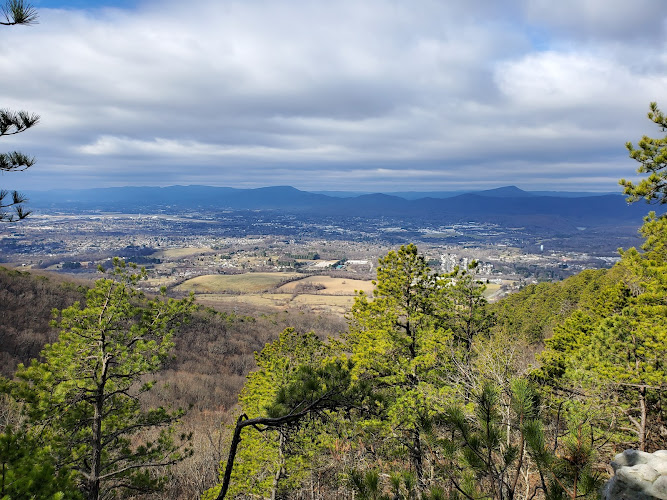
Read Mountain Preserve
Find Accommodations Nearby
Recommended Tours & Activities
Visitor Reviews
There are no reviews yet. Be the first one to write one.
Share Your Experience
Have you visited Eleanor D Wilson Museum? Help other travelers by leaving a review.