

Taubman Museum of Art
About Taubman Museum of Art
Description
The Taubman Museum of Art stands out in downtown Roanoke as a modern art destination that often surprises first-time visitors. From the street the building grabs attention — its sculptural curves and folded metal planes are the work of architect Randall Stout — but what really sticks with people is the mix: a serious permanent collection, rotating traveling exhibitions, hands-on activities for kids, and surprisingly lively public programming. The museum manages to feel both carefully curated and approachable, which is not always easy to pull off.
Visitors will find American and regional works alongside contemporary pieces and thematic exhibitions that rotate several times a year. The permanent collection highlights a range of visual arts, including well-known names and local artists, with regular curatorial swaps so repeat visitors rarely see the same configuration twice. And because the museum brings in traveling shows from larger institutions, there are often headline-worthy exhibitions — think classic American painters one season, contemporary multimedia the next.
Families especially like the interactive gallery spaces. The museum purposely designs an area where children can touch, make, and explore art concepts without the usual hush-you-must-be-quiet pressure. This is not babysitting; it’s art education disguised as play. Many parents report that their kids leave having made something, learned a term or two, and — crucially — wanting to come back. For travelers who hate the thought of dragging bored kids through galleries, this is a major plus.
The Taubman also supports community engagement with frequent public events: talks, live performances, workshops, and late-night openings. These events give the place a pulse that goes beyond the galleries. On certain evenings the museum turns into a low-key performance venue, or hosts artist talks that are surprisingly candid. Locals often treat the museum as a downtown gathering spot rather than a quiet, distant institution, which is refreshing.
Practical amenities are solid. There is an on-site cafe offering a decent selection of coffee, pastries, and light fare — not Michelin, of course, but good for refueling between galleries. The gift shop leans into artful souvenirs, books, and locally made goods; it’s one of those spots where visitors often buy a small, nice thing to mark the trip. Free Wi-Fi, gender-neutral restrooms, and assisted listening devices make a visit easier for many guests. Accessibility is clearly a priority: wheelchair-accessible entrances, accessible restrooms and seating, and even wheelchair rental options are available for visitors who need them.
Admission is fee-based, but the museum offers discounts and special pricing, including reduced rates for active military. It's worth checking what’s on view before buying a ticket since sometimes the rotating exhibition is the primary draw and other times the permanent collection offers the richer experience. Guided tours are available and recommended for those who want context — the staff and docents are knowledgeable and often share little-known stories about the works and the region’s art history.
People often comment on the light and layout inside. The galleries are designed to let the art breathe without overwhelming the visitor with wall-to-wall pieces. Natural light is used thoughtfully in some spaces, and the flow encourages a relaxed pace. For travelers who like to photograph architecture, the building itself is a subject, while those more focused on art will appreciate the considerate curating and clear labeling. The mix of regional highlights and national-level exhibitions helps position the museum as a cultural hub for Western Virginia and beyond.
One anecdote that circulates among regulars: during a rainy afternoon visit, a couple ducked into the museum to escape a sudden downpour and ended up staying hours, moving from one gallery to another, grabbing a late coffee, and joining a drop-in sketch session. They left with a small print from the gift shop and a story about how art saved their rainy day. That sort of unplanned, pleasantly lingering visit happens fairly often — and it’s a testament to how the Taubman can transform a brief stop into a memorable experience.
For visitors concerned about crowds, the museum tends to be busiest on weekends, during special exhibitions, and when downtown events coincide. Mid-morning weekday visits usually offer more breathing room. Parking options around the museum include free street parking in some nearby spots and paid parking garages for longer stays; a little planning goes a long way during festival weekends. Docent-led tours, school programs, and family-friendly afternoon activities are part of the calendar, so travelers who want a more social, guided experience should check event schedules ahead of time.
Beyond the obvious, there are subtle charms worth calling out. The staff’s enthusiasm is noticeable without being pushy — they’ll happily recommend a gallery to linger in or point out a lesser-known artist from the region. The museum also places emphasis on regional art and history, so visitors interested in the cultural context of the Roanoke Valley will find exhibits that tie local stories to broader art movements. And for those who enjoy architectural details, subtle touches like the way galleries connect or the material choices on interior surfaces make a building-tour within a museum visit satisfying.
In short, the Taubman Museum of Art offers travelers a well-rounded cultural stop in Roanoke. It blends solid collections and noteworthy traveling exhibitions with family-friendly spaces, practical amenities, and a building that draws you in before the galleries do. It’s the kind of place where a quick, curiosity-driven stop can turn into a two-hour visit, and a deliberate art-focused outing can feel comfortably intimate. If one had to pick a single reason to go: the combination of thoughtful curation and community-minded programming often yields surprising moments — a new favorite artist, an unexpectedly moving installation, or a kid’s wide-eyed discovery — and that’s travel gold.
Key Features
More Details
Updated August 30, 2025
Table of Contents
Description
The Taubman Museum of Art stands out in downtown Roanoke as a modern art destination that often surprises first-time visitors. From the street the building grabs attention — its sculptural curves and folded metal planes are the work of architect Randall Stout — but what really sticks with people is the mix: a serious permanent collection, rotating traveling exhibitions, hands-on activities for kids, and surprisingly lively public programming. The museum manages to feel both carefully curated and approachable, which is not always easy to pull off.
Visitors will find American and regional works alongside contemporary pieces and thematic exhibitions that rotate several times a year. The permanent collection highlights a range of visual arts, including well-known names and local artists, with regular curatorial swaps so repeat visitors rarely see the same configuration twice. And because the museum brings in traveling shows from larger institutions, there are often headline-worthy exhibitions — think classic American painters one season, contemporary multimedia the next.
Families especially like the interactive gallery spaces. The museum purposely designs an area where children can touch, make, and explore art concepts without the usual hush-you-must-be-quiet pressure. This is not babysitting; it’s art education disguised as play. Many parents report that their kids leave having made something, learned a term or two, and — crucially — wanting to come back. For travelers who hate the thought of dragging bored kids through galleries, this is a major plus.
The Taubman also supports community engagement with frequent public events: talks, live performances, workshops, and late-night openings. These events give the place a pulse that goes beyond the galleries. On certain evenings the museum turns into a low-key performance venue, or hosts artist talks that are surprisingly candid. Locals often treat the museum as a downtown gathering spot rather than a quiet, distant institution, which is refreshing.
Practical amenities are solid. There is an on-site cafe offering a decent selection of coffee, pastries, and light fare — not Michelin, of course, but good for refueling between galleries. The gift shop leans into artful souvenirs, books, and locally made goods; it’s one of those spots where visitors often buy a small, nice thing to mark the trip. Free Wi-Fi, gender-neutral restrooms, and assisted listening devices make a visit easier for many guests. Accessibility is clearly a priority: wheelchair-accessible entrances, accessible restrooms and seating, and even wheelchair rental options are available for visitors who need them.
Admission is fee-based, but the museum offers discounts and special pricing, including reduced rates for active military. It’s worth checking what’s on view before buying a ticket since sometimes the rotating exhibition is the primary draw and other times the permanent collection offers the richer experience. Guided tours are available and recommended for those who want context — the staff and docents are knowledgeable and often share little-known stories about the works and the region’s art history.
People often comment on the light and layout inside. The galleries are designed to let the art breathe without overwhelming the visitor with wall-to-wall pieces. Natural light is used thoughtfully in some spaces, and the flow encourages a relaxed pace. For travelers who like to photograph architecture, the building itself is a subject, while those more focused on art will appreciate the considerate curating and clear labeling. The mix of regional highlights and national-level exhibitions helps position the museum as a cultural hub for Western Virginia and beyond.
One anecdote that circulates among regulars: during a rainy afternoon visit, a couple ducked into the museum to escape a sudden downpour and ended up staying hours, moving from one gallery to another, grabbing a late coffee, and joining a drop-in sketch session. They left with a small print from the gift shop and a story about how art saved their rainy day. That sort of unplanned, pleasantly lingering visit happens fairly often — and it’s a testament to how the Taubman can transform a brief stop into a memorable experience.
For visitors concerned about crowds, the museum tends to be busiest on weekends, during special exhibitions, and when downtown events coincide. Mid-morning weekday visits usually offer more breathing room. Parking options around the museum include free street parking in some nearby spots and paid parking garages for longer stays; a little planning goes a long way during festival weekends. Docent-led tours, school programs, and family-friendly afternoon activities are part of the calendar, so travelers who want a more social, guided experience should check event schedules ahead of time.
Beyond the obvious, there are subtle charms worth calling out. The staff’s enthusiasm is noticeable without being pushy — they’ll happily recommend a gallery to linger in or point out a lesser-known artist from the region. The museum also places emphasis on regional art and history, so visitors interested in the cultural context of the Roanoke Valley will find exhibits that tie local stories to broader art movements. And for those who enjoy architectural details, subtle touches like the way galleries connect or the material choices on interior surfaces make a building-tour within a museum visit satisfying.
In short, the Taubman Museum of Art offers travelers a well-rounded cultural stop in Roanoke. It blends solid collections and noteworthy traveling exhibitions with family-friendly spaces, practical amenities, and a building that draws you in before the galleries do. It’s the kind of place where a quick, curiosity-driven stop can turn into a two-hour visit, and a deliberate art-focused outing can feel comfortably intimate. If one had to pick a single reason to go: the combination of thoughtful curation and community-minded programming often yields surprising moments — a new favorite artist, an unexpectedly moving installation, or a kid’s wide-eyed discovery — and that’s travel gold.
Key Highlights
Taubman Museum of Art
Location
Places to Stay Near Taubman Museum of Art
Find and Book a Tour
Explore More Travel Guides
No reviews found! Be the first to review!
Traveler Reviews for Taubman Museum of Art
There are no reviews yet. Be the first one to write one.
Have you visited Taubman Museum of Art? Help other travelers by sharing your review.
You Might Also Like
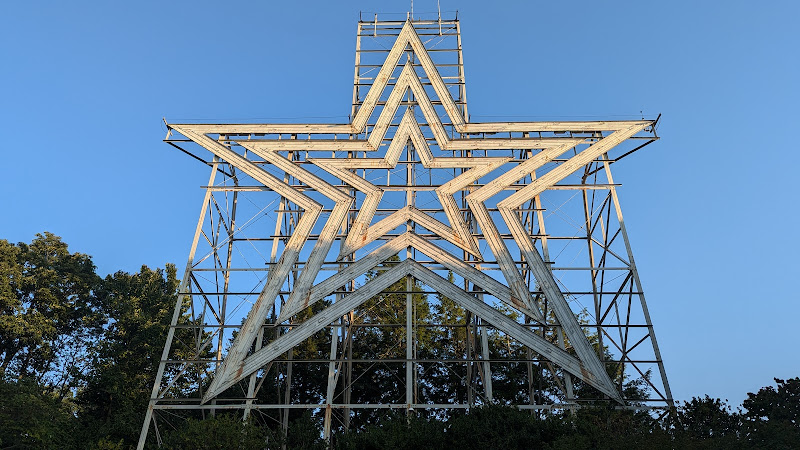
Mill Mountain Park

Wasena Park

Virginia Museum of Transportation
Find Accommodations Nearby
Recommended Tours & Activities
Visitor Reviews
There are no reviews yet. Be the first one to write one.
Share Your Experience
Have you visited Taubman Museum of Art? Help other travelers by leaving a review.