
Ecotourism Mangrove Forest Bloom Beach
About Ecotourism Mangrove Forest Bloom Beach
Description
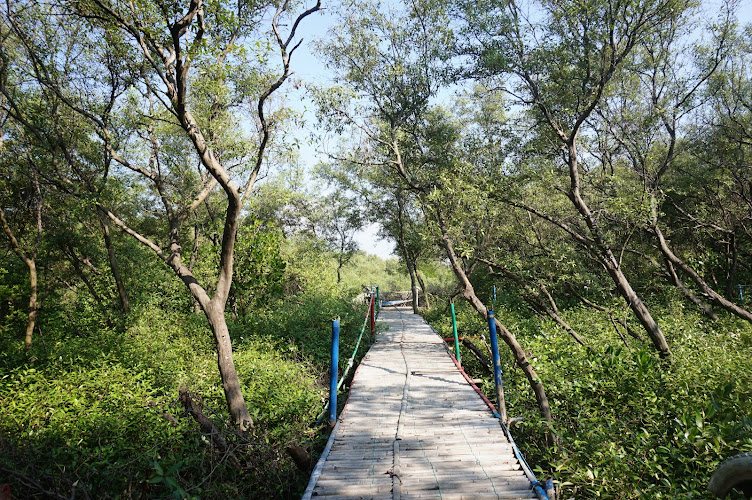
So, you’re thinking about checking out the Ecotourism Mangrove Forest Bloom Beach? Good call. This place is a bit of a hidden gem for travelers who want to get their feet wet (literally) in nature without the usual hustle and bustle of crowded tourist spots. It’s not your typical beach getaway with endless sun loungers and cocktail bars — instead, it’s a raw, earthy experience that pulls you right into the heart of a thriving mangrove ecosystem. If you’re into nature walks, birdwatching, or just soaking in the kind of quiet that makes your brain sigh with relief, this spot’s got you covered.
Now, full disclosure: it’s not perfectly polished. Accessibility is a bit of a challenge here — if you or someone in your group needs wheelchair access, you might hit a few snags. The entrance and parking aren’t really set up for that kind of convenience. But hey, if you’re able-bodied and up for a little adventure, it’s a fantastic place to explore with kids, too. The little ones tend to get a kick out of spotting crabs scuttling through the roots or watching the tide roll in and out.
One thing that really stands out is the atmosphere. It’s peaceful but alive, you know? The mangroves themselves are like nature’s skyscrapers, twisting and turning, creating this maze of roots and branches that support a surprising amount of wildlife. Fishermen still ply their trade here, adding a touch of local culture and tradition that you don’t often get to see up close. I remember chatting with one fisherman who told me stories about how the mangroves protect the shoreline and help keep the fish population healthy — it really made me appreciate how everything’s connected.
Don’t expect luxury or fancy amenities. This place is more about getting back to basics and appreciating the small wonders — like the way the sunlight filters through the leaves or how the salty air smells after a rain. It’s a spot that rewards patience and curiosity. And if you’re the type who loves snapping photos, the natural light and unique landscape make for some seriously Instagram-worthy shots.
Key Features
- Extensive mangrove forest with intricate root systems perfect for exploring and photography
- Beach area adjacent to the mangroves offering a quiet spot to relax and enjoy nature
- Active local fishing community showcasing traditional fishing methods
- Family-friendly environment with plenty of opportunities for kids to learn about marine ecosystems
- Abundant birdlife and small wildlife making it a haven for nature lovers and birdwatchers
- Natural trails weaving through the mangrove forest—great for light hiking and nature walks
- Uncrowded atmosphere compared to other tourist hotspots, offering a more authentic experience
Best Time to Visit
Timing your visit here can make or break your experience. From personal experience, the cooler months tend to be the sweet spot — think late fall through early spring. The weather's milder, and you won’t be battling the oppressive heat or the swarms of mosquitoes that sometimes show up in the warmer, wetter months. Plus, the mangroves look especially stunning during this time when the air feels crisp and the sunlight isn’t too harsh.
Early mornings are magical here. If you’re an early riser (or willing to become one), you’ll catch the forest waking up — birds chirping, fishermen heading out, and the tide gently lapping at the roots. It’s a peaceful time with fewer visitors, too, so you get that exclusive feel without paying a dime.
How to Get There
Getting to the Ecotourism Mangrove Forest Bloom Beach isn’t exactly a straight shot, but that’s part of the charm. Most travelers find their way here by car or local transport from nearby towns. If you’re driving, be prepared for some unpaved roads as you get closer. It’s kind of like a treasure hunt — the less accessible it is, the more you feel like you’ve stumbled upon something special.
Public transport options are limited, so if you’re not renting a car, consider hiring a local guide or joining a small group tour. These often include some fascinating insights about the mangroves and the fishing community, which you might miss if you just wander in solo. Plus, locals know the best spots to see wildlife and avoid tricky parts of the trail.
Tips for Visiting
Alright, here’s where I get a little personal. When I first visited, I underestimated how muddy and slippery the mangrove trails could get — so bring shoes you don’t mind getting dirty. And trust me, flip-flops won’t cut it if you want to explore beyond the beach.
Also, pack insect repellent. Even in the drier months, those little critters love mangroves as much as you do, and they’re not shy about making their presence known. A hat and sunscreen are musts too, because shade can be patchy in some areas.
If you’re traveling with kids, make it a game — see who can spot the most different types of birds or find the coolest crab. It makes the experience more fun and keeps them engaged. And don’t rush. The magic here isn’t in ticking off a checklist; it’s in soaking up the environment, listening to the sounds, and just being present.
One last thing — respect the place. The mangroves are delicate ecosystems that do a ton of work protecting coastlines and supporting marine life. Avoid stepping on roots, don’t litter, and if you see fishermen, observe quietly without disturbing their work. You’ll leave with a better experience, and the mangroves will thank you for it.
Key Features
- Extensive mangrove forest with intricate root systems perfect for exploring and photography
- Beach area adjacent to the mangroves offering a quiet spot to relax and enjoy nature
- Active local fishing community showcasing traditional fishing methods
- Family-friendly environment with plenty of opportunities for kids to learn about marine ecosystems
- Abundant birdlife and small wildlife making it a haven for nature lovers and birdwatchers
- Natural trails weaving through the mangrove forest—great for light hiking and nature walks
- Uncrowded atmosphere compared to other tourist hotspots, offering a more authentic experience
More Details
Updated July 20, 2025
Table of Contents
- Description
- Key Features
- Best Time to Visit
- How to Get There
- Tips for Visiting
- Key Highlights
- Location
- Places to Stay Near Ecotourism Mangrove Forest Bloom Beach
- Find and Book a Tour
- Explore More Travel Guides
- Nearby Places You Might Like
- Traveler Reviews for Ecotourism Mangrove Forest Bloom Beach
- Share Your Experience
Description
So, you’re thinking about checking out the Ecotourism Mangrove Forest Bloom Beach? Good call. This place is a bit of a hidden gem for travelers who want to get their feet wet (literally) in nature without the usual hustle and bustle of crowded tourist spots. It’s not your typical beach getaway with endless sun loungers and cocktail bars — instead, it’s a raw, earthy experience that pulls you right into the heart of a thriving mangrove ecosystem. If you’re into nature walks, birdwatching, or just soaking in the kind of quiet that makes your brain sigh with relief, this spot’s got you covered.
Now, full disclosure: it’s not perfectly polished. Accessibility is a bit of a challenge here — if you or someone in your group needs wheelchair access, you might hit a few snags. The entrance and parking aren’t really set up for that kind of convenience. But hey, if you’re able-bodied and up for a little adventure, it’s a fantastic place to explore with kids, too. The little ones tend to get a kick out of spotting crabs scuttling through the roots or watching the tide roll in and out.
One thing that really stands out is the atmosphere. It’s peaceful but alive, you know? The mangroves themselves are like nature’s skyscrapers, twisting and turning, creating this maze of roots and branches that support a surprising amount of wildlife. Fishermen still ply their trade here, adding a touch of local culture and tradition that you don’t often get to see up close. I remember chatting with one fisherman who told me stories about how the mangroves protect the shoreline and help keep the fish population healthy — it really made me appreciate how everything’s connected.
Don’t expect luxury or fancy amenities. This place is more about getting back to basics and appreciating the small wonders — like the way the sunlight filters through the leaves or how the salty air smells after a rain. It’s a spot that rewards patience and curiosity. And if you’re the type who loves snapping photos, the natural light and unique landscape make for some seriously Instagram-worthy shots.
Key Features
- Extensive mangrove forest with intricate root systems perfect for exploring and photography
- Beach area adjacent to the mangroves offering a quiet spot to relax and enjoy nature
- Active local fishing community showcasing traditional fishing methods
- Family-friendly environment with plenty of opportunities for kids to learn about marine ecosystems
- Abundant birdlife and small wildlife making it a haven for nature lovers and birdwatchers
- Natural trails weaving through the mangrove forest—great for light hiking and nature walks
- Uncrowded atmosphere compared to other tourist hotspots, offering a more authentic experience
Best Time to Visit
Timing your visit here can make or break your experience. From personal experience, the cooler months tend to be the sweet spot — think late fall through early spring. The weather’s milder, and you won’t be battling the oppressive heat or the swarms of mosquitoes that sometimes show up in the warmer, wetter months. Plus, the mangroves look especially stunning during this time when the air feels crisp and the sunlight isn’t too harsh.
Early mornings are magical here. If you’re an early riser (or willing to become one), you’ll catch the forest waking up — birds chirping, fishermen heading out, and the tide gently lapping at the roots. It’s a peaceful time with fewer visitors, too, so you get that exclusive feel without paying a dime.
How to Get There
Getting to the Ecotourism Mangrove Forest Bloom Beach isn’t exactly a straight shot, but that’s part of the charm. Most travelers find their way here by car or local transport from nearby towns. If you’re driving, be prepared for some unpaved roads as you get closer. It’s kind of like a treasure hunt — the less accessible it is, the more you feel like you’ve stumbled upon something special.
Public transport options are limited, so if you’re not renting a car, consider hiring a local guide or joining a small group tour. These often include some fascinating insights about the mangroves and the fishing community, which you might miss if you just wander in solo. Plus, locals know the best spots to see wildlife and avoid tricky parts of the trail.
Tips for Visiting
Alright, here’s where I get a little personal. When I first visited, I underestimated how muddy and slippery the mangrove trails could get — so bring shoes you don’t mind getting dirty. And trust me, flip-flops won’t cut it if you want to explore beyond the beach.
Also, pack insect repellent. Even in the drier months, those little critters love mangroves as much as you do, and they’re not shy about making their presence known. A hat and sunscreen are musts too, because shade can be patchy in some areas.
If you’re traveling with kids, make it a game — see who can spot the most different types of birds or find the coolest crab. It makes the experience more fun and keeps them engaged. And don’t rush. The magic here isn’t in ticking off a checklist; it’s in soaking up the environment, listening to the sounds, and just being present.
One last thing — respect the place. The mangroves are delicate ecosystems that do a ton of work protecting coastlines and supporting marine life. Avoid stepping on roots, don’t litter, and if you see fishermen, observe quietly without disturbing their work. You’ll leave with a better experience, and the mangroves will thank you for it.
Key Highlights
- Extensive mangrove forest with intricate root systems perfect for exploring and photography
- Beach area adjacent to the mangroves offering a quiet spot to relax and enjoy nature
- Active local fishing community showcasing traditional fishing methods
- Family-friendly environment with plenty of opportunities for kids to learn about marine ecosystems
- Abundant birdlife and small wildlife making it a haven for nature lovers and birdwatchers
- Natural trails weaving through the mangrove forest—great for light hiking and nature walks
- Uncrowded atmosphere compared to other tourist hotspots, offering a more authentic experience
Location
Places to Stay Near Ecotourism Mangrove Forest Bloom Beach
Find and Book a Tour
Explore More Travel Guides
No reviews found! Be the first to review!
Traveler Reviews for Ecotourism Mangrove Forest Bloom Beach
There are no reviews yet. Be the first one to write one.
Have you visited Ecotourism Mangrove Forest Bloom Beach? Help other travelers by sharing your review.
You Might Also Like

Find Accommodations Nearby
Recommended Tours & Activities
Visitor Reviews
There are no reviews yet. Be the first one to write one.
Share Your Experience
Have you visited Ecotourism Mangrove Forest Bloom Beach? Help other travelers by leaving a review.