

Duke Town
About Duke Town
Description
Duke Town stands as a testament to the rich Efik heritage that shaped southern Nigeria's coastal regions for centuries. Once known by its traditional name Atakpa, this historic city-state commanded significant influence during the 19th century, when it served as a powerful trading hub along the Cross River. The settlement's territory once stretched impressively from present-day Calabar eastward to Bakassi and westward to Oron, establishing it as a formidable force in pre-colonial West Africa. Walking through Duke Town today feels like stepping into a living museum where the past refuses to fade quietly into memory. The area has been absorbed into modern Nigeria, sure, but the traditional governance structures remain very much alive. The local Obongs—that's what they call the traditional rulers here—still hold court and command respect from the community. It's one of those places where you'll see modern Nigerian life happening alongside customs that have been practiced for generations. I remember my first visit to this area and being struck by how the architecture tells stories without saying a word. Colonial-era buildings stand shoulder to shoulder with traditional Efik structures, creating this fascinating architectural timeline that you can literally walk through in an afternoon. The waterfront areas particularly showcase the city-state's maritime heritage, reminding visitors that this was once where massive trade vessels docked and commerce shaped the destiny of entire communities. What makes Duke Town genuinely interesting for travelers isn't just its historical significance—though that alone would be worth the trip. It's how the Efik people have maintained their cultural identity despite centuries of change, colonization, and modernization. You won't find this place plastered all over Instagram or featured in every travel magazine, which honestly might be part of its charm.Key Features
The distinctive characteristics that set Duke Town apart from other historical destinations in Nigeria deserve careful attention from anyone planning a visit:- The traditional Efik governance system continues to operate alongside modern Nigerian administration, offering travelers a unique glimpse into dual power structures that actually work in practice
- Historic waterfront areas along the Cross River that once facilitated extensive trade networks stretching across West Africa and beyond to European markets
- Original Efik architectural elements visible in compounds and meeting houses that have survived the centuries with varying degrees of preservation
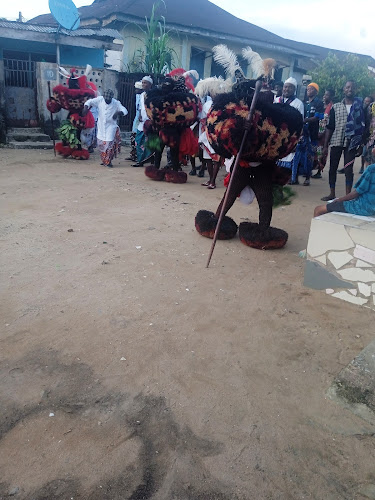
- Cultural festivals and ceremonies tied to the Ekpe society, a traditional institution that played crucial roles in governance and justice administration throughout the city-state's history
- Markets where traditional Efik cuisine, crafts, and textiles can be experienced firsthand, giving visitors access to authentic cultural products rather than tourist reproductions
- The continuing use of Efik language in daily transactions and ceremonies, making it one of the places where indigenous Nigerian languages thrive rather than merely survive
- Traditional fishing practices still employed by local communities, demonstrating methods passed down through countless generations
- Sacred groves and historically significant sites that hold spiritual importance for the Efik people and provide insight into their cosmological beliefs
- Annual remembrance events honoring the city-state's history and the ancestors who established its prominence in the region
- Opportunities to witness traditional conflict resolution methods and community decision-making processes that predate colonial legal systems
Best Time to Visit
Timing your visit to Duke Town requires understanding both the practical considerations of southern Nigeria's climate and the cultural calendar that brings the area's traditions to life. The dry season, running roughly from November through March, offers the most comfortable weather conditions for travelers. During these months, you'll encounter less rainfall and more manageable humidity levels, making it easier to explore outdoor sites and navigate the waterfront areas without constantly dodging tropical downpours. But here's the thing—visiting during the dry season means you might miss some of the most culturally significant events. Many traditional festivals and ceremonies occur according to the Efik calendar, which doesn't always align neatly with tourist-friendly weather patterns. The Ekpe festivals, which showcase elaborate masquerades and traditional performances, often take place during periods when rainfall is more common. December and January tend to be particularly popular months because they combine decent weather with various end-of-year cultural celebrations. The harmattan winds blow in from the Sahara during this period, bringing drier air and creating atmospheric conditions that photographers absolutely love—though the dust haze isn't everyone's cup of tea. If you're the adventurous type who doesn't mind occasional rain, visiting during the shoulder months of October or April can offer advantages. Fewer tourists mean more authentic interactions with locals, and accommodation prices sometimes drop a bit. Plus, the landscape looks absolutely gorgeous after the rains, with everything turning this intense shade of green that you just don't see during the dry season. Peak rainy season—we're talking June through September—probably isn't ideal for most travelers. The roads can become challenging to navigate, and some outdoor sites may be partially inaccessible. And yet, there's something memorable about experiencing a place during its most dramatic weather. Just pack accordingly and prepare for plans to change on short notice.How to Get There
Getting yourself to Duke Town requires a bit of planning since it's not exactly served by direct international flights. Most travelers will fly into Margaret Ekpo International Airport in Calabar, which receives flights from Lagos and Abuja. From the airport, Duke Town lies within relatively easy reach—though "easy" is a relative term when you're dealing with Nigerian road conditions. Taxis and ride-sharing services operate from the airport, and the journey typically takes anywhere from 30 minutes to an hour depending on traffic patterns and your exact destination within the historic Duke Town area. I'd recommend arranging your transport in advance through your accommodation or a reputable tour operator rather than negotiating at the airport, where prices tend to inflate dramatically for obviously foreign travelers. If you're already elsewhere in Nigeria, road travel to the region is definitely possible. The highways connecting Calabar to other major cities have improved significantly in recent years, though the journey can still be lengthy and occasionally adventurous. Buses run regularly from cities like Port Harcourt, but be prepared for travel times that exceed what your GPS might suggest—Nigerian roads have their own logic when it comes to travel duration. For the truly adventurous, boat travel along the Cross River offers a historically appropriate way to arrive, following routes that traders used for centuries. This option isn't necessarily practical for everyone, but it provides incredible perspectives on the waterways that made Duke Town's historical prominence possible. Once you've arrived in the general area, getting around requires local knowledge. The historic sections of Duke Town aren't always clearly marked, and many significant sites blend into residential neighborhoods. Hiring a knowledgeable local guide isn't just helpful—it's pretty much essential if you want to understand what you're looking at and gain access to places that aren't open to random wanderers.Tips for Visiting
Approaching Duke Town with the right mindset and preparation makes the difference between a frustrating experience and a genuinely enriching one. This isn't a place that caters specifically to international tourism, which means you'll need to adapt to local customs and expectations rather than expecting the destination to adapt to you. First and absolutely most important—respect for traditional authority structures isn't optional here. When visiting areas governed by traditional rulers or exploring sites with cultural significance, appropriate protocols matter. This usually means dressing modestly, removing shoes when entering certain spaces, and following the guidance of local hosts without questioning every instruction. I've seen well-meaning travelers create awkward situations by treating sacred spaces like photo opportunities, so just don't be that person. Learning a few basic Efik phrases goes surprisingly far in establishing goodwill with local residents. While many people speak English, making the effort to use traditional greetings demonstrates respect for the culture you're visiting. "Ete nte" as a greeting and "sosongo" to say thank you aren't difficult to remember and will genuinely be appreciated. Photography requires sensitivity and often permission. Don't point your camera at people, ceremonies, or sacred objects without explicit consent. Some traditional practices and sites are considered too sacred for photographic documentation, and respecting these boundaries is non-negotiable. When in doubt, ask first and accept "no" graciously. Cash remains king in most local transactions here. While larger establishments in Calabar accept cards, traditional markets and smaller vendors operate strictly on cash basis. Bring sufficient Nigerian naira in smaller denominations—breaking large bills can sometimes be challenging. The food scene deserves your attention, but approach street food cautiously if you have a sensitive stomach. Traditional Efik dishes like edikang ikong (a nutrient-rich soup), ekpang nkukwo (wrapped cocoyam and water yam), and afang soup offer flavors you won't find elsewhere, but your digestive system might need time to adjust to unfamiliar ingredients and preparation methods. Malaria prophylaxis isn't negotiable for this region. Mosquitoes here don't mess around, and the health risks are real. Bring appropriate antimalarial medication, use insect repellent religiously, and consider treating your clothing with permethrin before the trip. Yellow fever vaccination is required for entry into Nigeria anyway, but make sure your routine vaccinations are current too. Hiring a local guide or cultural liaison transforms the experience completely. These individuals provide context that no guidebook can match, facilitate introductions to community members, and help navigate social situations that might otherwise prove confusing. The investment is absolutely worth it, and you're supporting the local economy directly. Finally, adjust your expectations about timing and scheduling. Things here operate on what locals sometimes call "African time," meaning rigid schedules are more suggestions than commitments. Ceremonies start when the appropriate people arrive, not when a clock says they should. Shops open when owners feel ready. This isn't inefficiency—it's a different cultural approach to time management. Fighting against it only creates stress for everyone involved. Embrace the flexible pace, and you'll enjoy the experience much more.Key Features
- Riverside location on the Cross River with scenic waterfront views
- Historic Efik merchant houses and remnants of 19th-century architecture
- Strong living cultural traditions tied to the Ekpe society
- Close connections to Old Calabar history, including trade and missionary influences
- Easy access to guided walking tours and local storytelling
More Details
Updated January 18, 2026
Table of Contents
Description
Duke Town stands as a testament to the rich Efik heritage that shaped southern Nigeria’s coastal regions for centuries. Once known by its traditional name Atakpa, this historic city-state commanded significant influence during the 19th century, when it served as a powerful trading hub along the Cross River. The settlement’s territory once stretched impressively from present-day Calabar eastward to Bakassi and westward to Oron, establishing it as a formidable force in pre-colonial West Africa.
Walking through Duke Town today feels like stepping into a living museum where the past refuses to fade quietly into memory. The area has been absorbed into modern Nigeria, sure, but the traditional governance structures remain very much alive. The local Obongs—that’s what they call the traditional rulers here—still hold court and command respect from the community. It’s one of those places where you’ll see modern Nigerian life happening alongside customs that have been practiced for generations.
I remember my first visit to this area and being struck by how the architecture tells stories without saying a word. Colonial-era buildings stand shoulder to shoulder with traditional Efik structures, creating this fascinating architectural timeline that you can literally walk through in an afternoon. The waterfront areas particularly showcase the city-state’s maritime heritage, reminding visitors that this was once where massive trade vessels docked and commerce shaped the destiny of entire communities.
What makes Duke Town genuinely interesting for travelers isn’t just its historical significance—though that alone would be worth the trip. It’s how the Efik people have maintained their cultural identity despite centuries of change, colonization, and modernization. You won’t find this place plastered all over Instagram or featured in every travel magazine, which honestly might be part of its charm.
Key Features
The distinctive characteristics that set Duke Town apart from other historical destinations in Nigeria deserve careful attention from anyone planning a visit:
- The traditional Efik governance system continues to operate alongside modern Nigerian administration, offering travelers a unique glimpse into dual power structures that actually work in practice
- Historic waterfront areas along the Cross River that once facilitated extensive trade networks stretching across West Africa and beyond to European markets
- Original Efik architectural elements visible in compounds and meeting houses that have survived the centuries with varying degrees of preservation
- Cultural festivals and ceremonies tied to the Ekpe society, a traditional institution that played crucial roles in governance and justice administration throughout the city-state’s history
- Markets where traditional Efik cuisine, crafts, and textiles can be experienced firsthand, giving visitors access to authentic cultural products rather than tourist reproductions
- The continuing use of Efik language in daily transactions and ceremonies, making it one of the places where indigenous Nigerian languages thrive rather than merely survive
- Traditional fishing practices still employed by local communities, demonstrating methods passed down through countless generations
- Sacred groves and historically significant sites that hold spiritual importance for the Efik people and provide insight into their cosmological beliefs
- Annual remembrance events honoring the city-state’s history and the ancestors who established its prominence in the region
- Opportunities to witness traditional conflict resolution methods and community decision-making processes that predate colonial legal systems
Best Time to Visit
Timing your visit to Duke Town requires understanding both the practical considerations of southern Nigeria’s climate and the cultural calendar that brings the area’s traditions to life. The dry season, running roughly from November through March, offers the most comfortable weather conditions for travelers. During these months, you’ll encounter less rainfall and more manageable humidity levels, making it easier to explore outdoor sites and navigate the waterfront areas without constantly dodging tropical downpours.
But here’s the thing—visiting during the dry season means you might miss some of the most culturally significant events. Many traditional festivals and ceremonies occur according to the Efik calendar, which doesn’t always align neatly with tourist-friendly weather patterns. The Ekpe festivals, which showcase elaborate masquerades and traditional performances, often take place during periods when rainfall is more common.
December and January tend to be particularly popular months because they combine decent weather with various end-of-year cultural celebrations. The harmattan winds blow in from the Sahara during this period, bringing drier air and creating atmospheric conditions that photographers absolutely love—though the dust haze isn’t everyone’s cup of tea.
If you’re the adventurous type who doesn’t mind occasional rain, visiting during the shoulder months of October or April can offer advantages. Fewer tourists mean more authentic interactions with locals, and accommodation prices sometimes drop a bit. Plus, the landscape looks absolutely gorgeous after the rains, with everything turning this intense shade of green that you just don’t see during the dry season.
Peak rainy season—we’re talking June through September—probably isn’t ideal for most travelers. The roads can become challenging to navigate, and some outdoor sites may be partially inaccessible. And yet, there’s something memorable about experiencing a place during its most dramatic weather. Just pack accordingly and prepare for plans to change on short notice.
How to Get There
Getting yourself to Duke Town requires a bit of planning since it’s not exactly served by direct international flights. Most travelers will fly into Margaret Ekpo International Airport in Calabar, which receives flights from Lagos and Abuja. From the airport, Duke Town lies within relatively easy reach—though “easy” is a relative term when you’re dealing with Nigerian road conditions.
Taxis and ride-sharing services operate from the airport, and the journey typically takes anywhere from 30 minutes to an hour depending on traffic patterns and your exact destination within the historic Duke Town area. I’d recommend arranging your transport in advance through your accommodation or a reputable tour operator rather than negotiating at the airport, where prices tend to inflate dramatically for obviously foreign travelers.
If you’re already elsewhere in Nigeria, road travel to the region is definitely possible. The highways connecting Calabar to other major cities have improved significantly in recent years, though the journey can still be lengthy and occasionally adventurous. Buses run regularly from cities like Port Harcourt, but be prepared for travel times that exceed what your GPS might suggest—Nigerian roads have their own logic when it comes to travel duration.
For the truly adventurous, boat travel along the Cross River offers a historically appropriate way to arrive, following routes that traders used for centuries. This option isn’t necessarily practical for everyone, but it provides incredible perspectives on the waterways that made Duke Town’s historical prominence possible.
Once you’ve arrived in the general area, getting around requires local knowledge. The historic sections of Duke Town aren’t always clearly marked, and many significant sites blend into residential neighborhoods. Hiring a knowledgeable local guide isn’t just helpful—it’s pretty much essential if you want to understand what you’re looking at and gain access to places that aren’t open to random wanderers.
Tips for Visiting
Approaching Duke Town with the right mindset and preparation makes the difference between a frustrating experience and a genuinely enriching one. This isn’t a place that caters specifically to international tourism, which means you’ll need to adapt to local customs and expectations rather than expecting the destination to adapt to you.
First and absolutely most important—respect for traditional authority structures isn’t optional here. When visiting areas governed by traditional rulers or exploring sites with cultural significance, appropriate protocols matter. This usually means dressing modestly, removing shoes when entering certain spaces, and following the guidance of local hosts without questioning every instruction. I’ve seen well-meaning travelers create awkward situations by treating sacred spaces like photo opportunities, so just don’t be that person.
Learning a few basic Efik phrases goes surprisingly far in establishing goodwill with local residents. While many people speak English, making the effort to use traditional greetings demonstrates respect for the culture you’re visiting. “Ete nte” as a greeting and “sosongo” to say thank you aren’t difficult to remember and will genuinely be appreciated.
Photography requires sensitivity and often permission. Don’t point your camera at people, ceremonies, or sacred objects without explicit consent. Some traditional practices and sites are considered too sacred for photographic documentation, and respecting these boundaries is non-negotiable. When in doubt, ask first and accept “no” graciously.
Cash remains king in most local transactions here. While larger establishments in Calabar accept cards, traditional markets and smaller vendors operate strictly on cash basis. Bring sufficient Nigerian naira in smaller denominations—breaking large bills can sometimes be challenging.
The food scene deserves your attention, but approach street food cautiously if you have a sensitive stomach. Traditional Efik dishes like edikang ikong (a nutrient-rich soup), ekpang nkukwo (wrapped cocoyam and water yam), and afang soup offer flavors you won’t find elsewhere, but your digestive system might need time to adjust to unfamiliar ingredients and preparation methods.
Malaria prophylaxis isn’t negotiable for this region. Mosquitoes here don’t mess around, and the health risks are real. Bring appropriate antimalarial medication, use insect repellent religiously, and consider treating your clothing with permethrin before the trip. Yellow fever vaccination is required for entry into Nigeria anyway, but make sure your routine vaccinations are current too.
Hiring a local guide or cultural liaison transforms the experience completely. These individuals provide context that no guidebook can match, facilitate introductions to community members, and help navigate social situations that might otherwise prove confusing. The investment is absolutely worth it, and you’re supporting the local economy directly.
Finally, adjust your expectations about timing and scheduling. Things here operate on what locals sometimes call “African time,” meaning rigid schedules are more suggestions than commitments. Ceremonies start when the appropriate people arrive, not when a clock says they should. Shops open when owners feel ready. This isn’t inefficiency—it’s a different cultural approach to time management. Fighting against it only creates stress for everyone involved. Embrace the flexible pace, and you’ll enjoy the experience much more.
Key Highlights
- Riverside location on the Cross River with scenic waterfront views
- Historic Efik merchant houses and remnants of 19th-century architecture
- Strong living cultural traditions tied to the Ekpe society
- Close connections to Old Calabar history, including trade and missionary influences
- Easy access to guided walking tours and local storytelling
Location
Places to Stay Near Duke Town
Find and Book a Tour
Explore More Travel Guides
No reviews found! Be the first to review!
Traveler Reviews for Duke Town
There are no reviews yet. Be the first one to write one.
Have you visited Duke Town? Help other travelers by sharing your review.
Nearby Attractions
You Might Also Like

LEMNA JUNCTION
Big Qua Town

Ayigba Art
Find Accommodations Nearby
Recommended Tours & Activities
Visitor Reviews
There are no reviews yet. Be the first one to write one.
Share Your Experience
Have you visited Duke Town? Help other travelers by leaving a review.