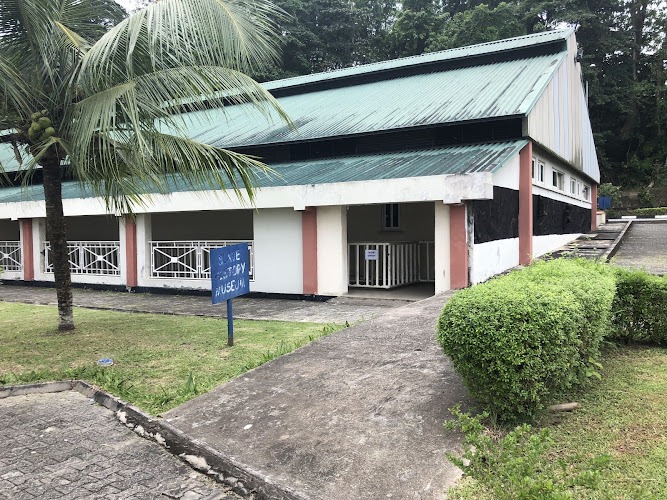
When visitors walk through these halls, they’re not just looking at artifacts behind glass cases. They’re stepping into a profound educational experience that chronicles one of history’s darkest chapters with the respect and gravity it deserves.
What strikes most people first is how the museum doesn’t shy away from the brutal realities of the transatlantic slave trade. And honestly, that’s exactly what makes it so important. The exhibits here tell stories that textbooks often gloss over, presenting the lived experiences of millions who endured unimaginable suffering. But it’s not all heavy – the museum also celebrates the resilience, culture, and contributions of African peoples and their descendants, which I think provides a more complete picture of this complex history.
The facility itself has been designed with accessibility in mind, which is refreshing to see. Too many historical museums forget that everyone deserves access to education and remembrance. Here you’ll find that families, students, historians, and tourists from all walks of life can navigate the space comfortably and engage with the materials presented.
I remember talking to a friend who visited last year, and she mentioned how the museum managed to be both educational and deeply moving without feeling exploitative. That’s a delicate balance, and from what travelers consistently report, this institution manages it well. The curators have clearly put tremendous thought into how they present this history – making it accessible without dumbing it down, emotional without being manipulative.
Key Features
The Slave Trade Museum offers several distinctive elements that set it apart from other historical institutions:
• Live performances that bring historical narratives to life through music, dance, and theatrical presentations – these aren’t just add-ons but integral parts of understanding the cultural heritage preserved despite oppression
• Comprehensive wheelchair accessibility throughout the entire facility, including entrances, parking areas, and restrooms, ensuring that physical limitations don’t prevent anyone from accessing this important history
• Family-friendly exhibits designed to educate younger visitors about this difficult subject matter in age-appropriate ways – because let’s face it, the next generation needs to understand this history too
• On-site restaurant where you can grab a bite and process what you’ve learned, which honestly comes in handy because these exhibits can be emotionally draining
• Well-maintained restroom facilities throughout the museum grounds, which might seem minor but becomes pretty important during longer visits
• Educational programs and presentations that go beyond static displays to create engaging learning experiences for visitors of all ages
• Authentic artifacts and documentation that provide tangible connections to historical events, making the past feel more immediate and real
• Memorial spaces dedicated to honoring those who suffered and died during the slave trade, offering visitors moments for reflection and remembrance
Best Time to Visit
Timing your visit to the Slave Trade Museum can really impact your experience, and I’ve learned from other travelers that there’s definitely a strategy to getting the most out of your trip.
Weekday mornings, particularly Tuesday through Thursday, tend to be quieter times when you can move through exhibits at your own pace without feeling rushed by crowds. There’s something about having space to contemplate these heavy subjects that makes the experience more meaningful. You can stand in front of an exhibit for as long as you need without someone breathing down your neck waiting for their turn.
But here’s the thing – if you want to catch one of those live performances I mentioned earlier, you’ll need to check the museum’s schedule in advance. These typically happen on weekends or during special commemorative events, and they’re absolutely worth planning around. The performances add a whole different dimension to understanding the cultural resilience that survived the horrors of slavery.
Many visitors find that avoiding major holidays and school vacation periods makes sense if you prefer a more contemplative atmosphere. However, if you’re traveling with kids and can only visit during school breaks, don’t let that stop you. Just expect more families and plan accordingly.
Weather-wise, since most of the museum is indoors, you don’t need to worry too much about seasons affecting your visit. Though I’d say comfortable walking shoes matter more than weather-appropriate clothing since you’ll be on your feet quite a bit.
Some people prefer visiting during Black History Month or around Juneteenth when the museum often hosts special programs and expanded exhibits. These times can be busier, sure, but they also offer unique programming you won’t find during regular periods.
How to Get There
Getting to the Slave Trade Museum is generally straightforward, though your specific approach will depend on where you’re coming from and your preferred transportation method.
For those driving, you’ll be pleased to know that wheelchair-accessible parking is available right on site, which eliminates that stressful hunt for parking that seems to plague so many museum visits. Just factor in a bit of extra time if you’re visiting during peak hours when the lot might fill up faster than usual.
Public transportation users should check local bus and transit routes that serve the museum area. Many cities with significant historical museums ensure decent public transit access, though schedules can vary. Download any relevant transit apps before your trip so you’re not scrambling to figure out routes while standing on a street corner.
Rideshare services like Uber or Lyft work perfectly fine for getting to and from the museum, and this option eliminates parking worries entirely. Plus, if you’re traveling from out of town and don’t have a rental car, rideshares can be more economical than taxi services while providing the same convenience.
If you’re staying at a nearby hotel, ask the concierge about shuttle services or walking directions. Sometimes the museum is closer than you’d think, and a pleasant walk can help prepare your mindset for the serious subject matter you’re about to encounter.
For international visitors or those from out of state, the nearest major airport would be your first destination, followed by ground transportation to the museum area. Plan this leg carefully and give yourself buffer time – nothing’s worse than rushing through an important cultural experience because your flight home leaves in three hours.
Tips for Visiting
After hearing from dozens of travelers and piecing together what makes for the best museum experience, here’s what you need to know before you go.
First off, plan for at least three to four hours minimum. I can’t stress this enough – you really can’t rush through a museum like this without missing important context and connections between exhibits. And honestly, trying to speed through defeats the whole purpose. This isn’t the kind of place where you snap a few photos and check it off your bucket list.
Bring tissues. Seriously. The subject matter is heavy, and even people who think they’re prepared find themselves getting emotional. There’s no shame in that – it’s actually a pretty normal human response to confronting the realities of suffering on such a massive scale.
The restaurant on site comes in handy, but some visitors prefer bringing water bottles and light snacks if that’s permitted. Check the museum’s policies first, though. You don’t want to be that person getting lectured about outside food when you’re trying to maintain your contemplative mood.
If you’re visiting with children, prepare them beforehand about what they’ll see and experience. Age-appropriate conversations before arriving can help them process the information better. The museum is good for kids, but that doesn’t mean it’s easy for kids, you know what I mean?
Photography policies vary in different sections, so pay attention to posted signs. Some areas allow photos, others don’t, and there’s usually good reasons for those restrictions. Respect them.
Comfortable shoes are non-negotiable. The museum is accessible, sure, but you’ll still be standing and walking quite a bit. Those cute sandals that looked great at breakfast will be torture by hour two.
Consider visiting the restroom before diving into major exhibit sections. The facilities are available throughout, but interrupting your experience to search for a bathroom can break your concentration.
Don’t feel obligated to see everything if you’re getting overwhelmed. Some visitors find they need breaks, maybe stepping outside for fresh air or sitting in quieter spaces to process what they’ve learned. That’s completely valid and probably healthier than powering through when you’re emotionally exhausted.
Take advantage of any guided tours or audio guides available. These add context and information you’d likely miss wandering around on your own. The live performances especially deserve your full attention when they’re happening.
Finally, give yourself time after your visit to decompress. Maybe don’t schedule another tourist attraction immediately afterward. Grab coffee, take a walk, or just sit somewhere quiet. This kind of historical education stays with you, and rushing off to your next activity doesn’t give you space to really absorb what you’ve learned.
The Slave Trade Museum offers an experience that’s as educational as it is emotionally impactful, documenting a crucial part of human history that continues to shape our world today. Whether you’re a history buff, an educator, or simply someone who believes in understanding the past to build a better future, this museum deserves a spot on your travel itinerary.
 Real Journey Travels