
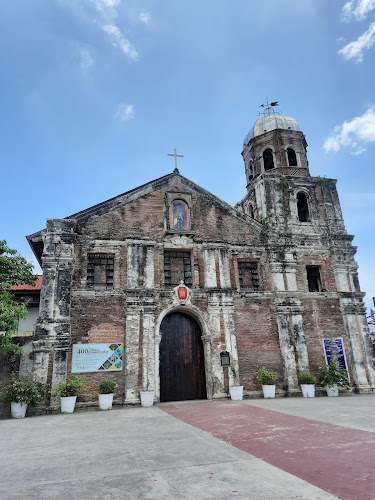
Diocesan Shrine and Parish of St. Mary Magdalene – Poblacion, Kawit, Cavite
About Diocesan Shrine and Parish of St. Mary Magdalene – Poblacion, Kawit, Cavite
Description
The Diocesan Shrine and Parish of St. Mary Magdalene stands as one of Cavite's most treasured religious landmarks, drawing both the faithful and history enthusiasts to the heart of Poblacion in Kawit. This centuries-old church holds a special place in Philippine history—it's where General Emilio Aguinaldo himself worshipped, and if you know your Philippine history, you'll understand just how significant that connection really is. Walking up to this shrine, you can't help but feel a sense of stepping back in time. The architecture tells stories that textbooks sometimes miss, with its Spanish colonial influences still beautifully preserved despite the passage of time and the various challenges the structure has faced over the years. And honestly? There's something deeply moving about standing in a space where so many generations have prayed, celebrated, and gathered for centuries. What makes this shrine particularly special is how it bridges the gap between being a living, breathing parish church and a historical tourist destination. On any given Sunday, you'll see local families attending Mass just as their ancestors did generations ago. But you'll also spot travelers with cameras, quietly documenting the intricate details of the altar, the ceiling, and the religious artwork that adorns the walls. I've visited quite a few churches across the Philippines, and what strikes me about St. Mary Magdalene is how it maintains its spiritual atmosphere while welcoming curious visitors. It's not just a museum piece—it's an active center of faith that happens to be housed in a historically significant building. The church's patroness, St. Mary Magdalene, is honored here with particular devotion, and you can feel that reverence in every corner of the structure. The shrine has undergone careful restoration work over the years, preserving its heritage while ensuring it remains safe and accessible for modern visitors. This balance between preservation and functionality is something many historical churches struggle with, but St. Mary Magdalene manages it quite well.Key Features
The Diocesan Shrine and Parish of St. Mary Magdalene offers visitors several remarkable features that make it worth the journey:- Historical Architecture - The Spanish colonial design showcases elements that date back centuries, with original structural components that have survived wars, natural disasters, and the general wear of time
- Connection to General Emilio Aguinaldo - This wasn't just any parish church for the first Philippine president; it was his spiritual home, and that connection adds immeasurable historical value to any visit
- Religious Artwork and Santos - The interior houses numerous religious images and artworks, some of which are themselves antiques deserving of appreciation for their craftsmanship and spiritual significance
- Wheelchair Accessibility - Unlike many historical churches that struggle with accessibility, this shrine has made genuine efforts to accommodate visitors with mobility challenges, including accessible entrances and parking
- Active Parish Community - The living, breathing faith community adds authenticity to the experience; you're not just visiting a relic but engaging with a place that still serves its original purpose
- Restroom Facilities - Practical but worth mentioning, especially for travelers who've visited historical sites without such amenities and learned the hard way to appreciate them
- Proximity to Aguinaldo Shrine - Being in Kawit means you're steps away from other significant historical sites, making for an excellent day of historical exploration
- Well-Maintained Grounds - The church and its surrounding areas are kept clean and orderly, showing respect for both the religious and historical significance of the site
- Photography Opportunities - The architectural details, the play of light through windows, and the overall aesthetic make this a photographer's delight, though always with respect for ongoing religious services
Best Time to Visit
Timing your visit to the Diocesan Shrine and Parish of St. Mary Magdalene can really enhance your experience, and I'll be straight with you about what works best. Weekday mornings are absolutely ideal if you're coming primarily for the historical and architectural aspects. You'll find fewer crowds, better lighting for photography (that morning sun does wonderful things through those old windows), and the peaceful atmosphere lets you really absorb the significance of where you're standing. I'd suggest arriving between 9 AM and 11 AM when the church is open but services aren't typically in session. But here's the thing—if you want to experience the church as a living parish rather than just a tourist attraction, attending a Sunday Mass gives you that authentic experience. Yes, it'll be more crowded. Yes, you'll need to be more respectful about photography (honestly, just skip it during Mass). But you'll witness how this centuries-old building continues to serve its original purpose, and there's something genuinely moving about that. The feast day of St. Mary Magdalene falls on July 22nd, and if you can plan your visit around this celebration, you're in for something special. The parish goes all out with festivities, processions, and special Masses. The atmosphere becomes electric with devotion and celebration. Just be prepared for significant crowds and limited parking options. Weather-wise, the dry season from November to April offers the most comfortable visiting conditions. Kawit can get quite humid during the rainy months, and while the church provides shelter, you'll probably want to explore the surrounding historical sites too. Nobody enjoys trudging through rain-soaked streets between the church and nearby attractions. Avoid major holidays like Holy Week if you prefer a quieter visit. The church becomes extremely crowded during these peak religious periods. Unless participating in the religious observances is your primary goal, you might find the crowds overwhelming. Early mornings also give you the advantage of better parking availability. And trust me, parking in poblacion areas can be challenging, so this isn't a minor consideration.How to Get There
Getting to the Diocesan Shrine and Parish of St. Mary Magdalene in Poblacion, Kawit is relatively straightforward, though like most trips in the Philippines, it requires some patience and flexibility. If you're driving from Manila, the shrine is approximately 20-25 kilometers away, which sounds short but can take anywhere from 45 minutes to 2 hours depending on traffic. Take the Coastal Road (also called Cavite Coastal Road or R-1) heading south. This route offers nice views and generally moves better than going through the more congested interior roads. Once you reach Kawit, follow signs toward the poblacion area or ask locals for the church—everyone knows where it is. Parking can be a bit tricky since the church sits in the old town center where streets weren't designed for modern vehicle traffic. There's a parking area that accommodates wheelchair-accessible parking, but spaces fill up quickly during Mass times and weekends. Your best bet is arriving early or being prepared to park a short walk away. For those relying on public transportation, take a bus or van from Manila bound for Cavite. Several bus companies service this route from terminals in Pasay or Manila. Tell the driver or conductor you're getting off at Kawit. From the main road, you can take a tricycle directly to the church—just say "simbahan" or "St. Mary Magdalene" and drivers will know exactly where you mean. The tricycle ride should cost around 20-50 pesos depending on exactly where you're picked up. Ride-hailing apps like Grab work in the area, though availability can be spotty compared to Metro Manila. If you've arranged for a Grab or private car, make sure your driver knows you're heading to the church in Poblacion specifically, as there are other parts of Kawit they might head toward otherwise. Another option that's gaining popularity is combining your visit with a guided historical tour of Cavite. Several tour operators offer packages that include the shrine along with the nearby Aguinaldo Shrine and other historical sites in the area. This takes the navigation stress off your shoulders and usually provides historical context you might otherwise miss.Tips for Visiting
Having visited my share of historical churches across the country, here are some practical tips that'll make your visit to St. Mary Magdalene shrine more enjoyable and respectful. First and foremost, dress appropriately. This is an active church, not just a museum. That means covering shoulders and knees, avoiding anything too revealing or casual. Some churches in the Philippines are lenient about this, but showing respect through modest dress is never wrong. And besides, you'll feel less self-conscious and more able to engage with the spiritual atmosphere of the place. Bring cash for donations. There's usually a donation box, and while there's no entrance fee, contributing to the church's maintenance is appreciated. These historical buildings require constant upkeep, and parishes rely heavily on donations. Even a small amount helps. Photography is generally allowed outside of Mass times, but always be respectful. Don't use flash, don't climb on anything to get better angles, and if you're asked not to photograph certain areas, respect that. I've seen tourists get understandably frustrated when they're told certain santos or areas can't be photographed, but these rules exist for good reasons—sometimes spiritual, sometimes practical regarding preservation. Visit the restroom before extended exploration of the area. While the church has facilities (which is genuinely helpful), you'll want to minimize disruptions to your historical tour of the neighborhood once you get into the flow of exploring. If you're particularly interested in the historical aspects, consider hiring a local guide or at least doing significant research beforehand. The church itself might not have detailed plaques explaining every historical element, and having that context enriches the experience tremendously. The connection to Aguinaldo and the Philippine revolution becomes so much more meaningful when you understand the specific events that unfolded. Combine your visit with the nearby Aguinaldo Shrine—they're close enough that visiting both in one trip makes perfect sense. You'll get a fuller picture of Kawit's role in Philippine history, and the two sites complement each other beautifully. Stay hydrated and bring water, especially if visiting during warmer months. The church interior provides relief from heat, but you'll likely be walking around the poblacion area, and Cavite weather can be unforgiving. Be patient with crowds if you're visiting during popular times. Filipinos are generally friendly and accommodating, but popular religious sites get busy. A little patience and good humor go a long way. Check the Mass schedule if you specifically want to avoid or attend services. Parish offices can usually provide this information, or you might find it posted online through local Catholic directories. Lastly, take time to actually sit quietly in the church if circumstances allow. Beyond the historical and architectural significance, this is fundamentally a sacred space. Whether you're religious or not, spending a few minutes in quiet reflection lets you connect with the centuries of prayer and history that have unfolded within these walls. That's an experience you can't really capture in photographs, and honestly? It's often the most memorable part of the visit.Key Features
- Key Features
- Best Time to Visit
- How to Get There
- Tips for Visiting
More Details
Updated March 30, 2026
Table of Contents
- Description
- Key Features
- Best Time to Visit
- How to Get There
- Tips for Visiting
- Key Highlights
- Location
- Places to Stay Near Diocesan Shrine and Parish of St. Mary Magdalene - Poblacion, Kawit, Cavite
- Find and Book a Tour
- Explore More Travel Guides
- Nearby Places You Might Like
- Traveler Reviews for Diocesan Shrine and Parish of St. Mary Magdalene – Poblacion, Kawit, Cavite
- Share Your Experience
Description
The Diocesan Shrine and Parish of St. Mary Magdalene stands as one of Cavite’s most treasured religious landmarks, drawing both the faithful and history enthusiasts to the heart of Poblacion in Kawit. This centuries-old church holds a special place in Philippine history—it’s where General Emilio Aguinaldo himself worshipped, and if you know your Philippine history, you’ll understand just how significant that connection really is.
Walking up to this shrine, you can’t help but feel a sense of stepping back in time. The architecture tells stories that textbooks sometimes miss, with its Spanish colonial influences still beautifully preserved despite the passage of time and the various challenges the structure has faced over the years. And honestly? There’s something deeply moving about standing in a space where so many generations have prayed, celebrated, and gathered for centuries.
What makes this shrine particularly special is how it bridges the gap between being a living, breathing parish church and a historical tourist destination. On any given Sunday, you’ll see local families attending Mass just as their ancestors did generations ago. But you’ll also spot travelers with cameras, quietly documenting the intricate details of the altar, the ceiling, and the religious artwork that adorns the walls.
I’ve visited quite a few churches across the Philippines, and what strikes me about St. Mary Magdalene is how it maintains its spiritual atmosphere while welcoming curious visitors. It’s not just a museum piece—it’s an active center of faith that happens to be housed in a historically significant building. The church’s patroness, St. Mary Magdalene, is honored here with particular devotion, and you can feel that reverence in every corner of the structure.
The shrine has undergone careful restoration work over the years, preserving its heritage while ensuring it remains safe and accessible for modern visitors. This balance between preservation and functionality is something many historical churches struggle with, but St. Mary Magdalene manages it quite well.
Key Features
The Diocesan Shrine and Parish of St. Mary Magdalene offers visitors several remarkable features that make it worth the journey:
- Historical Architecture – The Spanish colonial design showcases elements that date back centuries, with original structural components that have survived wars, natural disasters, and the general wear of time
- Connection to General Emilio Aguinaldo – This wasn’t just any parish church for the first Philippine president; it was his spiritual home, and that connection adds immeasurable historical value to any visit
- Religious Artwork and Santos – The interior houses numerous religious images and artworks, some of which are themselves antiques deserving of appreciation for their craftsmanship and spiritual significance
- Wheelchair Accessibility – Unlike many historical churches that struggle with accessibility, this shrine has made genuine efforts to accommodate visitors with mobility challenges, including accessible entrances and parking
- Active Parish Community – The living, breathing faith community adds authenticity to the experience; you’re not just visiting a relic but engaging with a place that still serves its original purpose
- Restroom Facilities – Practical but worth mentioning, especially for travelers who’ve visited historical sites without such amenities and learned the hard way to appreciate them
- Proximity to Aguinaldo Shrine – Being in Kawit means you’re steps away from other significant historical sites, making for an excellent day of historical exploration
- Well-Maintained Grounds – The church and its surrounding areas are kept clean and orderly, showing respect for both the religious and historical significance of the site
- Photography Opportunities – The architectural details, the play of light through windows, and the overall aesthetic make this a photographer’s delight, though always with respect for ongoing religious services
Best Time to Visit
Timing your visit to the Diocesan Shrine and Parish of St. Mary Magdalene can really enhance your experience, and I’ll be straight with you about what works best.
Weekday mornings are absolutely ideal if you’re coming primarily for the historical and architectural aspects. You’ll find fewer crowds, better lighting for photography (that morning sun does wonderful things through those old windows), and the peaceful atmosphere lets you really absorb the significance of where you’re standing. I’d suggest arriving between 9 AM and 11 AM when the church is open but services aren’t typically in session.
But here’s the thing—if you want to experience the church as a living parish rather than just a tourist attraction, attending a Sunday Mass gives you that authentic experience. Yes, it’ll be more crowded. Yes, you’ll need to be more respectful about photography (honestly, just skip it during Mass). But you’ll witness how this centuries-old building continues to serve its original purpose, and there’s something genuinely moving about that.
The feast day of St. Mary Magdalene falls on July 22nd, and if you can plan your visit around this celebration, you’re in for something special. The parish goes all out with festivities, processions, and special Masses. The atmosphere becomes electric with devotion and celebration. Just be prepared for significant crowds and limited parking options.
Weather-wise, the dry season from November to April offers the most comfortable visiting conditions. Kawit can get quite humid during the rainy months, and while the church provides shelter, you’ll probably want to explore the surrounding historical sites too. Nobody enjoys trudging through rain-soaked streets between the church and nearby attractions.
Avoid major holidays like Holy Week if you prefer a quieter visit. The church becomes extremely crowded during these peak religious periods. Unless participating in the religious observances is your primary goal, you might find the crowds overwhelming.
Early mornings also give you the advantage of better parking availability. And trust me, parking in poblacion areas can be challenging, so this isn’t a minor consideration.
How to Get There
Getting to the Diocesan Shrine and Parish of St. Mary Magdalene in Poblacion, Kawit is relatively straightforward, though like most trips in the Philippines, it requires some patience and flexibility.
If you’re driving from Manila, the shrine is approximately 20-25 kilometers away, which sounds short but can take anywhere from 45 minutes to 2 hours depending on traffic. Take the Coastal Road (also called Cavite Coastal Road or R-1) heading south. This route offers nice views and generally moves better than going through the more congested interior roads. Once you reach Kawit, follow signs toward the poblacion area or ask locals for the church—everyone knows where it is.
Parking can be a bit tricky since the church sits in the old town center where streets weren’t designed for modern vehicle traffic. There’s a parking area that accommodates wheelchair-accessible parking, but spaces fill up quickly during Mass times and weekends. Your best bet is arriving early or being prepared to park a short walk away.
For those relying on public transportation, take a bus or van from Manila bound for Cavite. Several bus companies service this route from terminals in Pasay or Manila. Tell the driver or conductor you’re getting off at Kawit. From the main road, you can take a tricycle directly to the church—just say “simbahan” or “St. Mary Magdalene” and drivers will know exactly where you mean. The tricycle ride should cost around 20-50 pesos depending on exactly where you’re picked up.
Ride-hailing apps like Grab work in the area, though availability can be spotty compared to Metro Manila. If you’ve arranged for a Grab or private car, make sure your driver knows you’re heading to the church in Poblacion specifically, as there are other parts of Kawit they might head toward otherwise.
Another option that’s gaining popularity is combining your visit with a guided historical tour of Cavite. Several tour operators offer packages that include the shrine along with the nearby Aguinaldo Shrine and other historical sites in the area. This takes the navigation stress off your shoulders and usually provides historical context you might otherwise miss.
Tips for Visiting
Having visited my share of historical churches across the country, here are some practical tips that’ll make your visit to St. Mary Magdalene shrine more enjoyable and respectful.
First and foremost, dress appropriately. This is an active church, not just a museum. That means covering shoulders and knees, avoiding anything too revealing or casual. Some churches in the Philippines are lenient about this, but showing respect through modest dress is never wrong. And besides, you’ll feel less self-conscious and more able to engage with the spiritual atmosphere of the place.
Bring cash for donations. There’s usually a donation box, and while there’s no entrance fee, contributing to the church’s maintenance is appreciated. These historical buildings require constant upkeep, and parishes rely heavily on donations. Even a small amount helps.
Photography is generally allowed outside of Mass times, but always be respectful. Don’t use flash, don’t climb on anything to get better angles, and if you’re asked not to photograph certain areas, respect that. I’ve seen tourists get understandably frustrated when they’re told certain santos or areas can’t be photographed, but these rules exist for good reasons—sometimes spiritual, sometimes practical regarding preservation.
Visit the restroom before extended exploration of the area. While the church has facilities (which is genuinely helpful), you’ll want to minimize disruptions to your historical tour of the neighborhood once you get into the flow of exploring.
If you’re particularly interested in the historical aspects, consider hiring a local guide or at least doing significant research beforehand. The church itself might not have detailed plaques explaining every historical element, and having that context enriches the experience tremendously. The connection to Aguinaldo and the Philippine revolution becomes so much more meaningful when you understand the specific events that unfolded.
Combine your visit with the nearby Aguinaldo Shrine—they’re close enough that visiting both in one trip makes perfect sense. You’ll get a fuller picture of Kawit’s role in Philippine history, and the two sites complement each other beautifully.
Stay hydrated and bring water, especially if visiting during warmer months. The church interior provides relief from heat, but you’ll likely be walking around the poblacion area, and Cavite weather can be unforgiving.
Be patient with crowds if you’re visiting during popular times. Filipinos are generally friendly and accommodating, but popular religious sites get busy. A little patience and good humor go a long way.
Check the Mass schedule if you specifically want to avoid or attend services. Parish offices can usually provide this information, or you might find it posted online through local Catholic directories.
Lastly, take time to actually sit quietly in the church if circumstances allow. Beyond the historical and architectural significance, this is fundamentally a sacred space. Whether you’re religious or not, spending a few minutes in quiet reflection lets you connect with the centuries of prayer and history that have unfolded within these walls. That’s an experience you can’t really capture in photographs, and honestly? It’s often the most memorable part of the visit.
Key Highlights
- Key Features
- Best Time to Visit
- How to Get There
- Tips for Visiting
Location
Places to Stay Near Diocesan Shrine and Parish of St. Mary Magdalene - Poblacion, Kawit, Cavite
Find and Book a Tour
Explore More Travel Guides
No reviews found! Be the first to review!
Diocesan Shrine and Parish of St. Mary Magdalene – Poblacion, Kawit, Cavite is a prominent attractions located in Kawit.
Visit us at: CWW3+294, Tanggulan St, Kawit, 4104 Cavite, Philippines.
Traveler Reviews for Diocesan Shrine and Parish of St. Mary Magdalene – Poblacion, Kawit, Cavite
There are no reviews yet. Be the first one to write one.
Have you visited Diocesan Shrine and Parish of St. Mary Magdalene – Poblacion, Kawit, Cavite? Help other travelers by sharing your review.
You Might Also Like
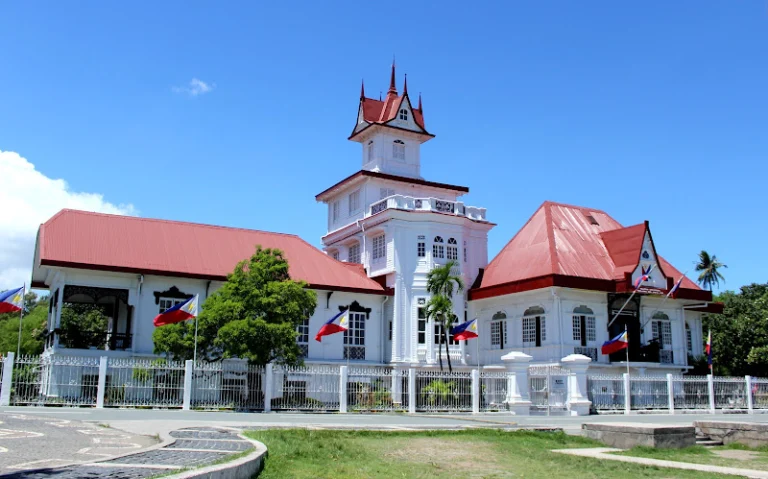
Aguinaldo Shrine (Museo ni Emilio Aguinaldo)
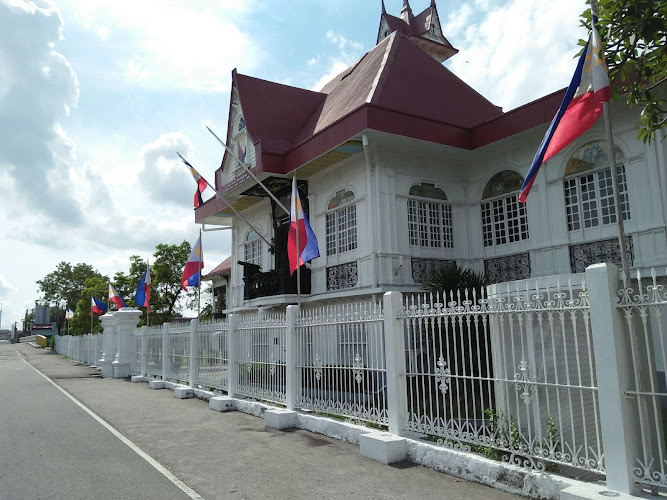
Gen. Emilio Aguinaldo Tomb
Hidden Tapsihan Main
Find Accommodations Nearby
Recommended Tours & Activities
Visitor Reviews
There are no reviews yet. Be the first one to write one.
Share Your Experience
Have you visited Diocesan Shrine and Parish of St. Mary Magdalene – Poblacion, Kawit, Cavite? Help other travelers by leaving a review.