
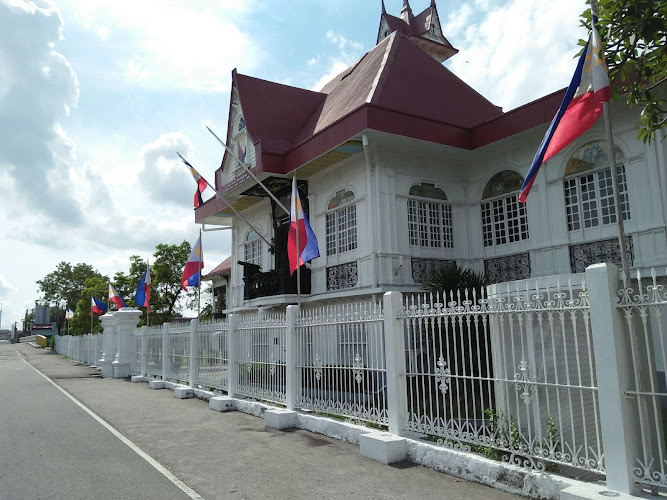
Gen. Emilio Aguinaldo Tomb
About Gen. Emilio Aguinaldo Tomb
Description
The Gen. Emilio Aguinaldo Tomb is more than just a resting place—it’s a quiet, powerful reminder of the Philippines’ long and complex struggle for freedom. Located within the grounds of the Aguinaldo Shrine in Kawit, Cavite, this tomb holds the remains of General Emilio Aguinaldo, the first President of the Philippines and the leader of the revolution that declared independence from Spain in 1898. It’s not a flashy tourist spot, but rather a solemn, dignified space that invites reflection. You can almost feel history breathing through the walls here.
Walking through the shrine, you’ll eventually find yourself in the garden where Aguinaldo’s tomb lies. It’s a simple marble structure, quiet and unassuming, yet it carries the weight of a nation’s story. There’s something humbling about standing there, knowing the man buried beneath once led a revolution that shaped the country’s destiny. And if you’re a history buff like me, you might find yourself staying longer than expected—just taking it all in, imagining what life must have been like during those turbulent years.
The surrounding area is well-kept, with the shrine’s caretakers maintaining its cleanliness and peaceful atmosphere. Families, students, and even solo travelers often come here to pay their respects or to simply enjoy the calm environment. It’s educational, yes, but it’s also deeply emotional. You don’t need to be a historian to appreciate what this place represents. You just need to have a sense of curiosity and respect for the past.
Key Features
- The tomb is located within the grounds of the historic Aguinaldo Shrine, a site where Philippine independence was declared on June 12, 1898.
- Visitors can explore both the ancestral home and the tomb, providing a complete glimpse into Aguinaldo’s life and legacy.
- The tomb itself is a marble structure designed with simplicity and reverence, symbolizing humility despite Aguinaldo’s monumental role in history.
- Surrounding gardens and shaded walkways make it a peaceful place for reflection and photography.
- Interactive exhibits and guided tours at the shrine offer deeper insights into the Philippine Revolution and Aguinaldo’s leadership.
- Family-friendly environment with educational value for children and students.
One thing that stands out is how the place manages to balance solemnity and accessibility. You can bring your kids here, and they’ll actually learn something meaningful while still enjoying the visit. I remember bringing my nephew once—he was only eight—and he was fascinated by the secret passages inside the house before we reached the tomb. It’s those little discoveries that make this place so engaging.
Best Time to Visit
If you’re planning a trip, mornings are the best time to visit. The air is cooler, the crowds are thinner, and the light hits the old house just right for photos. Weekdays are generally quieter than weekends, which makes it easier to take your time exploring. June 12, Philippine Independence Day, is also a special day to visit since the shrine becomes the center of national celebrations. But be warned—it gets crowded!
Personally, I prefer going during the late afternoon. There’s a soft golden glow that settles over the tomb and the gardens, and it gives the whole place this nostalgic, almost cinematic feel. It’s the kind of moment that makes you stop scrolling your phone and just… be present.
How to Get There
Getting to the Gen. Emilio Aguinaldo Tomb is fairly straightforward if you’re coming from Metro Manila. You can take a bus or van bound for Cavite City and get off at Kawit. From there, local tricycles can take you directly to the Aguinaldo Shrine. For those driving, there’s parking available near the site, and the route via Cavitex or Emilio Aguinaldo Highway is generally smooth and well-marked.
If you’re using public transport, I’d suggest leaving early to avoid heavy traffic, especially on weekends. And if you’re the type who enjoys scenic drives, the route offers glimpses of Cavite’s countryside life—small eateries, old churches, and coastal views that make the journey feel like part of the adventure.
Tips for Visiting
Here are a few things I’ve learned from visiting the shrine more than once. First, wear comfortable shoes. You’ll be walking through several levels of the house and around the garden, and some areas have old wooden floors or uneven steps. Second, bring a hat or umbrella if you’re visiting midday—it can get pretty hot, especially in the open courtyard near the tomb.
- Arrive early to enjoy a quieter, more reflective experience.
- Join a guided tour if available; the guides are knowledgeable and often share stories you won’t find in textbooks.
- Photography is allowed, but be respectful—this is a historical and sacred site.
- Bring water, especially if you plan to explore the entire shrine complex.
- Take time to read the plaques and displays; they provide fascinating details about Aguinaldo’s personal life and political journey.
- Support the small souvenir shops nearby—many sell locally crafted memorabilia that make for meaningful keepsakes.
One thing I always tell friends who plan to visit: don’t rush. The tomb might seem like a quick stop, but when you slow down and really absorb the history around you, it becomes so much more. You start to see beyond the marble and dates—you start to connect with the human side of Aguinaldo’s story. That’s the beauty of places like this; they remind us that history isn’t just something we read about. It’s something we can still stand in, breathe in, and feel.
So, if you’re looking for a place that combines history, culture, and a touch of quiet introspection, the Gen. Emilio Aguinaldo Tomb is worth your time. It’s not flashy or commercialized, and maybe that’s exactly what makes it special. It’s a space where the past feels close enough to touch—and where you can leave feeling just a little more connected to the story of the Philippines.
Key Features
- The tomb is located within the grounds of the historic Aguinaldo Shrine, a site where Philippine independence was declared on June 12, 1898.
- Visitors can explore both the ancestral home and the tomb, providing a complete glimpse into Aguinaldo’s life and legacy.
- The tomb itself is a marble structure designed with simplicity and reverence, symbolizing humility despite Aguinaldo’s monumental role in history.
- Surrounding gardens and shaded walkways make it a peaceful place for reflection and photography.
- Interactive exhibits and guided tours at the shrine offer deeper insights into the Philippine Revolution and Aguinaldo’s leadership.
- Family-friendly environment with educational value for children and students.
- Arrive early to enjoy a quieter, more reflective experience.
- Join a guided tour if available; the guides are knowledgeable and often share stories you won’t find in textbooks.
More Details
Updated November 7, 2025
Table of Contents
Description
The Gen. Emilio Aguinaldo Tomb is more than just a resting place—it’s a quiet, powerful reminder of the Philippines’ long and complex struggle for freedom. Located within the grounds of the Aguinaldo Shrine in Kawit, Cavite, this tomb holds the remains of General Emilio Aguinaldo, the first President of the Philippines and the leader of the revolution that declared independence from Spain in 1898. It’s not a flashy tourist spot, but rather a solemn, dignified space that invites reflection. You can almost feel history breathing through the walls here.
Walking through the shrine, you’ll eventually find yourself in the garden where Aguinaldo’s tomb lies. It’s a simple marble structure, quiet and unassuming, yet it carries the weight of a nation’s story. There’s something humbling about standing there, knowing the man buried beneath once led a revolution that shaped the country’s destiny. And if you’re a history buff like me, you might find yourself staying longer than expected—just taking it all in, imagining what life must have been like during those turbulent years.
The surrounding area is well-kept, with the shrine’s caretakers maintaining its cleanliness and peaceful atmosphere. Families, students, and even solo travelers often come here to pay their respects or to simply enjoy the calm environment. It’s educational, yes, but it’s also deeply emotional. You don’t need to be a historian to appreciate what this place represents. You just need to have a sense of curiosity and respect for the past.
Key Features
- The tomb is located within the grounds of the historic Aguinaldo Shrine, a site where Philippine independence was declared on June 12, 1898.
- Visitors can explore both the ancestral home and the tomb, providing a complete glimpse into Aguinaldo’s life and legacy.
- The tomb itself is a marble structure designed with simplicity and reverence, symbolizing humility despite Aguinaldo’s monumental role in history.
- Surrounding gardens and shaded walkways make it a peaceful place for reflection and photography.
- Interactive exhibits and guided tours at the shrine offer deeper insights into the Philippine Revolution and Aguinaldo’s leadership.
- Family-friendly environment with educational value for children and students.
One thing that stands out is how the place manages to balance solemnity and accessibility. You can bring your kids here, and they’ll actually learn something meaningful while still enjoying the visit. I remember bringing my nephew once—he was only eight—and he was fascinated by the secret passages inside the house before we reached the tomb. It’s those little discoveries that make this place so engaging.
Best Time to Visit
If you’re planning a trip, mornings are the best time to visit. The air is cooler, the crowds are thinner, and the light hits the old house just right for photos. Weekdays are generally quieter than weekends, which makes it easier to take your time exploring. June 12, Philippine Independence Day, is also a special day to visit since the shrine becomes the center of national celebrations. But be warned—it gets crowded!
Personally, I prefer going during the late afternoon. There’s a soft golden glow that settles over the tomb and the gardens, and it gives the whole place this nostalgic, almost cinematic feel. It’s the kind of moment that makes you stop scrolling your phone and just… be present.
How to Get There
Getting to the Gen. Emilio Aguinaldo Tomb is fairly straightforward if you’re coming from Metro Manila. You can take a bus or van bound for Cavite City and get off at Kawit. From there, local tricycles can take you directly to the Aguinaldo Shrine. For those driving, there’s parking available near the site, and the route via Cavitex or Emilio Aguinaldo Highway is generally smooth and well-marked.
If you’re using public transport, I’d suggest leaving early to avoid heavy traffic, especially on weekends. And if you’re the type who enjoys scenic drives, the route offers glimpses of Cavite’s countryside life—small eateries, old churches, and coastal views that make the journey feel like part of the adventure.
Tips for Visiting
Here are a few things I’ve learned from visiting the shrine more than once. First, wear comfortable shoes. You’ll be walking through several levels of the house and around the garden, and some areas have old wooden floors or uneven steps. Second, bring a hat or umbrella if you’re visiting midday—it can get pretty hot, especially in the open courtyard near the tomb.
- Arrive early to enjoy a quieter, more reflective experience.
- Join a guided tour if available; the guides are knowledgeable and often share stories you won’t find in textbooks.
- Photography is allowed, but be respectful—this is a historical and sacred site.
- Bring water, especially if you plan to explore the entire shrine complex.
- Take time to read the plaques and displays; they provide fascinating details about Aguinaldo’s personal life and political journey.
- Support the small souvenir shops nearby—many sell locally crafted memorabilia that make for meaningful keepsakes.
One thing I always tell friends who plan to visit: don’t rush. The tomb might seem like a quick stop, but when you slow down and really absorb the history around you, it becomes so much more. You start to see beyond the marble and dates—you start to connect with the human side of Aguinaldo’s story. That’s the beauty of places like this; they remind us that history isn’t just something we read about. It’s something we can still stand in, breathe in, and feel.
So, if you’re looking for a place that combines history, culture, and a touch of quiet introspection, the Gen. Emilio Aguinaldo Tomb is worth your time. It’s not flashy or commercialized, and maybe that’s exactly what makes it special. It’s a space where the past feels close enough to touch—and where you can leave feeling just a little more connected to the story of the Philippines.
Key Highlights
- The tomb is located within the grounds of the historic Aguinaldo Shrine, a site where Philippine independence was declared on June 12, 1898.
- Visitors can explore both the ancestral home and the tomb, providing a complete glimpse into Aguinaldo’s life and legacy.
- The tomb itself is a marble structure designed with simplicity and reverence, symbolizing humility despite Aguinaldo’s monumental role in history.
- Surrounding gardens and shaded walkways make it a peaceful place for reflection and photography.
- Interactive exhibits and guided tours at the shrine offer deeper insights into the Philippine Revolution and Aguinaldo’s leadership.
- Family-friendly environment with educational value for children and students.
- Arrive early to enjoy a quieter, more reflective experience.
- Join a guided tour if available; the guides are knowledgeable and often share stories you won’t find in textbooks.
Location
Places to Stay Near Gen. Emilio Aguinaldo Tomb
Find and Book a Tour
Explore More Travel Guides
No reviews found! Be the first to review!
Traveler Reviews for Gen. Emilio Aguinaldo Tomb
There are no reviews yet. Be the first one to write one.
Have you visited Gen. Emilio Aguinaldo Tomb? Help other travelers by sharing your review.
You Might Also Like
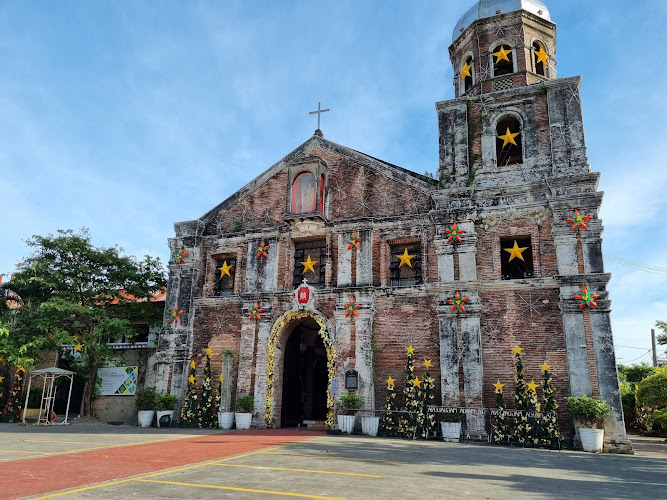
Diocesan Shrine and Parish of St. Mary Magdalene – Poblacion, Kawit, Cavite
Hidden Tapsihan Main
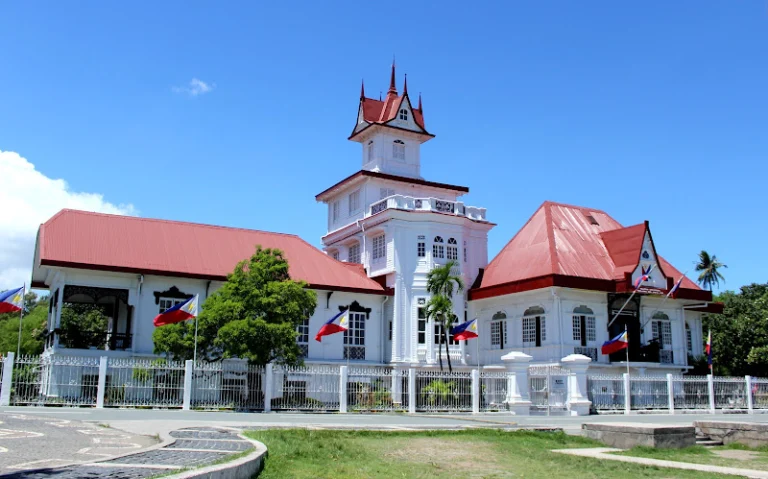
Aguinaldo Shrine (Museo ni Emilio Aguinaldo)
Find Accommodations Nearby
Recommended Tours & Activities
Visitor Reviews
There are no reviews yet. Be the first one to write one.
Share Your Experience
Have you visited Gen. Emilio Aguinaldo Tomb? Help other travelers by leaving a review.