

Debre Markos
About Debre Markos
Description
Located in Ethiopia's Amhara Region, Debre Markos serves as the bustling administrative hub of the East Gojjam Zone. I've always been fascinated by how this historic city maintains its authentic Ethiopian charm while steadily developing into a modern urban center. The city's name, which translates to "Markos' Mount," reflects its rich religious heritage and connection to the Ethiopian Orthodox Church. Walking through Debre Markos, you'll notice the perfect blend of traditional Ethiopian architecture alongside newer developments. The local markets are particularly captivating - I remember being struck by the colorful displays of spices and the animated bargaining between merchants and customers. The surrounding landscape features rolling hills and fertile farmland that give the city its distinctive character.Key Features
• Debre Markos Museum - Houses an impressive collection of historical artifacts and religious manuscripts • Traditional Markets - Experience authentic Ethiopian trading culture and local crafts • Orthodox Churches - Several historic churches showcase unique Ethiopian religious architecture • University of Debre Markos - A major educational institution that brings youthful energy to the city • Local Coffee Ceremonies - Participate in Ethiopia's renowned coffee culture • Historical Buildings - Colonial-era structures that tell stories of the city's past • Agricultural Center - Surrounded by fertile farmland producing teff and other traditional crops • Cultural Festivals - Regular celebrations showcasing local traditions and customsBest Time to Visit
Y'know what? The best time to check out Debre Markos is during the dry season, which runs from October through May. The weather's just perfect then - not too hot, not too cold. But here's a pro tip: November and December are particularly awesome months to visit. The skies are clear, temperatures hover around a comfortable 20-25°C (68-77°F), and the post-rainy season landscape is gorgeously green. Try to avoid the heavy rainfall period between June and September. Trust me, the roads can get pretty muddy and some activities might be limited. Though, if you're okay with occasional showers, September can offer some stunning views with everything in full bloom.How to Get There
Getting to Debre Markos isn't exactly a walk in the park, but that's part of the adventure! The most common route is taking a bus from Addis Ababa - it's about a 7-hour journey on the highway. The roads have improved tons in recent years, making the trip much more comfortable than it used to be. If you're coming from the north, there are regular buses from Bahir Dar too. For those who prefer more flexibility, you can hire a private vehicle from Addis Ababa or Bahir Dar. Just remember that the journey itself is part of the experience - you'll pass through some absolutely stunning Ethiopian countryside.Tips for Visiting
Having spent some time exploring Debre Markos, I've picked up a few tricks that'll make your visit smoother. First off, pack layers! The temperature can swing quite a bit between morning and evening. And don't forget some comfortable walking shoes - you'll want to explore the city on foot to really soak it all in. Learning a few basic Amharic phrases goes a long way here. The locals really appreciate the effort, even if it's just "Selam" (hello) or "Ameseginalehu" (thank you). Also, bring cash - credit cards aren't widely accepted outside of major hotels. Respect the local customs, especially around religious sites. Women should carry a scarf to cover their heads when visiting churches. And hey, don't rush through the coffee ceremonies - they're a crucial part of Ethiopian culture and refusing an invitation is considered impolite. The market is best visited in the morning when it's most active, but keep your valuables secure and bargaining is expected - I usually start at about half the initial asking price. Food-wise, try the local injera joints rather than sticking to hotel restaurants. The authentic taste is worth it, though make sure to pick busy restaurants where the food is fresh. Oh, and one last thing - the altitude might take some getting used to, so take it easy your first day or two. Stay hydrated and don't plan too many activities right off the bat. Some people get a bit winded just walking around at first, but your body adjusts pretty quickly.Key Features
- Key Features
- Best Time to Visit
- How to Get There
- Tips for Visiting
More Details
Updated June 21, 2025
Table of Contents
Description
Located in Ethiopia’s Amhara Region, Debre Markos serves as the bustling administrative hub of the East Gojjam Zone. I’ve always been fascinated by how this historic city maintains its authentic Ethiopian charm while steadily developing into a modern urban center. The city’s name, which translates to “Markos’ Mount,” reflects its rich religious heritage and connection to the Ethiopian Orthodox Church.
Walking through Debre Markos, you’ll notice the perfect blend of traditional Ethiopian architecture alongside newer developments. The local markets are particularly captivating – I remember being struck by the colorful displays of spices and the animated bargaining between merchants and customers. The surrounding landscape features rolling hills and fertile farmland that give the city its distinctive character.
Key Features
• Debre Markos Museum – Houses an impressive collection of historical artifacts and religious manuscripts
• Traditional Markets – Experience authentic Ethiopian trading culture and local crafts
• Orthodox Churches – Several historic churches showcase unique Ethiopian religious architecture
• University of Debre Markos – A major educational institution that brings youthful energy to the city
• Local Coffee Ceremonies – Participate in Ethiopia’s renowned coffee culture
• Historical Buildings – Colonial-era structures that tell stories of the city’s past
• Agricultural Center – Surrounded by fertile farmland producing teff and other traditional crops
• Cultural Festivals – Regular celebrations showcasing local traditions and customs
Best Time to Visit
Y’know what? The best time to check out Debre Markos is during the dry season, which runs from October through May. The weather’s just perfect then – not too hot, not too cold. But here’s a pro tip: November and December are particularly awesome months to visit. The skies are clear, temperatures hover around a comfortable 20-25°C (68-77°F), and the post-rainy season landscape is gorgeously green.
Try to avoid the heavy rainfall period between June and September. Trust me, the roads can get pretty muddy and some activities might be limited. Though, if you’re okay with occasional showers, September can offer some stunning views with everything in full bloom.
How to Get There
Getting to Debre Markos isn’t exactly a walk in the park, but that’s part of the adventure! The most common route is taking a bus from Addis Ababa – it’s about a 7-hour journey on the highway. The roads have improved tons in recent years, making the trip much more comfortable than it used to be.
If you’re coming from the north, there are regular buses from Bahir Dar too. For those who prefer more flexibility, you can hire a private vehicle from Addis Ababa or Bahir Dar. Just remember that the journey itself is part of the experience – you’ll pass through some absolutely stunning Ethiopian countryside.
Tips for Visiting
Having spent some time exploring Debre Markos, I’ve picked up a few tricks that’ll make your visit smoother. First off, pack layers! The temperature can swing quite a bit between morning and evening. And don’t forget some comfortable walking shoes – you’ll want to explore the city on foot to really soak it all in.
Learning a few basic Amharic phrases goes a long way here. The locals really appreciate the effort, even if it’s just “Selam” (hello) or “Ameseginalehu” (thank you). Also, bring cash – credit cards aren’t widely accepted outside of major hotels.
Respect the local customs, especially around religious sites. Women should carry a scarf to cover their heads when visiting churches. And hey, don’t rush through the coffee ceremonies – they’re a crucial part of Ethiopian culture and refusing an invitation is considered impolite.
The market is best visited in the morning when it’s most active, but keep your valuables secure and bargaining is expected – I usually start at about half the initial asking price. Food-wise, try the local injera joints rather than sticking to hotel restaurants. The authentic taste is worth it, though make sure to pick busy restaurants where the food is fresh.
Oh, and one last thing – the altitude might take some getting used to, so take it easy your first day or two. Stay hydrated and don’t plan too many activities right off the bat. Some people get a bit winded just walking around at first, but your body adjusts pretty quickly.
Key Highlights
- Key Features
- Best Time to Visit
- How to Get There
- Tips for Visiting
Location
Places to Stay Near Debre Markos
Find and Book a Tour
Explore More Travel Guides
No reviews found! Be the first to review!
Traveler Reviews for Debre Markos
There are no reviews yet. Be the first one to write one.
Have you visited Debre Markos? Help other travelers by sharing your review.
You Might Also Like
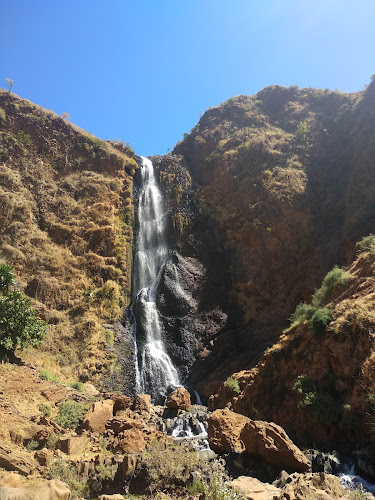
Water Fall ,Debre Markos
Debre Markos University Stadium

Yeraba Dur
Find Accommodations Nearby
Recommended Tours & Activities
Visitor Reviews
There are no reviews yet. Be the first one to write one.
Share Your Experience
Have you visited Debre Markos? Help other travelers by leaving a review.