Daxi Old Street
About Daxi Old Street
Description
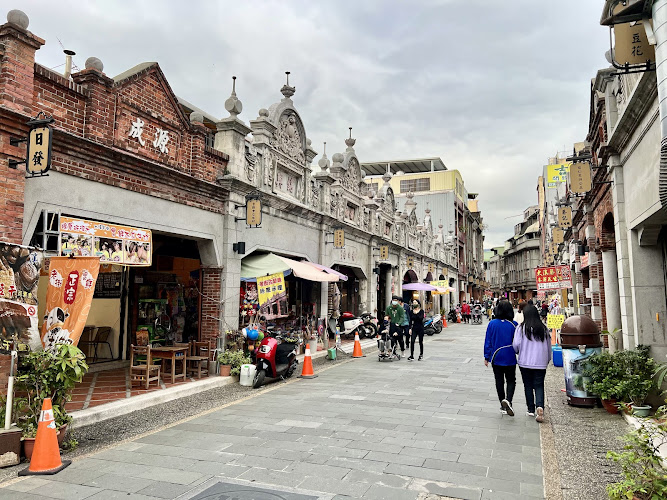
Daxi Old Street represents one of Taiwan's most fascinating historical corridors where the past genuinely comes alive through architecture and tradition. Walking through this preserved streetscape feels like stepping into early 20th century Taiwan, when baroque-style facades met traditional Taiwanese craftsmanship in the most unexpected ways. The merchants here during the Japanese colonial period wanted to show off their wealth and status, so they commissioned these elaborate building fronts that are still standing today - ornate, detailed, and honestly quite stunning when you really look up at them. I remember my first visit here and being genuinely surprised at how authentic everything felt. Unlike some old streets that get turned into touristy theme parks, Daxi manages to maintain this balance between preservation and actual living culture. The buildings aren't just pretty shells - they're functioning shops, family businesses that have been running for generations, and actual homes where real people live their daily lives. That's what makes this place special, I think. You're not just looking at history behind glass; you're experiencing it as it continues to evolve. The street stretches for several blocks and is absolutely packed with specialty shops selling everything from handmade wooden toys to dried tofu products that Daxi is famous for. And the food! Traditional snacks and local delicacies are everywhere you turn. The aroma of freshly made dougan (dried tofu) fills the air, mixed with the sweet smell of peanut candies and traditional pastries. It's the kind of place where your senses get completely overwhelmed in the best possible way.Key Features
The distinctive characteristics of Daxi Old Street make it worth the journey from Taipei or other parts of Taiwan. Here's what makes this destination truly remarkable:- Baroque-Fusion Architecture - The building facades showcase an incredible blend of Western baroque elements with traditional Taiwanese motifs, creating a unique architectural style you won't find anywhere else. Look closely at the decorative details above each storefront - each family added their own symbols of prosperity and good fortune.
- Historical Dried Tofu Heritage - Daxi became famous during the Qing Dynasty for its exceptional dougan production. The local water quality and traditional methods created a product so renowned that it's still the area's signature specialty today. Multiple century-old shops still make it using original family recipes.
- Traditional Wooden Toy Craftsmanship - The area's woodworking tradition lives on through shops selling handcrafted spinning tops, yo-yos, and traditional games. Some artisans demonstrate their craft right in their storefronts, which is pretty mesmerizing to watch.
- Temple Culture - The Daxi Fujen Temple anchors the community and hosts spectacular processions and celebrations throughout the year. The temple's intricate wood carvings demonstrate the exceptional craftsmanship that defines this region.
- Accessible Layout - The entire old street area has been thoughtfully designed with wheelchair-accessible entrances and designated parking areas, making it welcoming for visitors with mobility considerations.
- Family-Friendly Atmosphere - Kids genuinely enjoy the old street experience here. Between the traditional toys, street snacks, and interactive shops, there's plenty to keep younger travelers engaged without relying on modern entertainment.
- Authentic Food Scene - Beyond the famous dougan, you'll find traditional Hakka dishes, indigenous desserts, and snacks that have been made the same way for decades. The peanut candy shops alone are worth the visit - watching them stretch and cut the candy is almost hypnotic.
- Photography Opportunities - Every corner offers Instagram-worthy shots, from the ornate building details to the colorful temple decorations. Early morning light hits those baroque facades just right, creating incredible shadows and depth.
Best Time to Visit
Timing your visit to Daxi Old Street can seriously impact your experience, and I learned this the hard way on a sweltering August afternoon when the crowds were absolutely insane. Weekdays are your friend here. The difference between a Tuesday morning and a Saturday afternoon is like night and day. On weekdays, you can actually browse the shops without being swept along by crowds, have real conversations with shop owners, and take photos without a dozen people in your frame. The local vendors are also more relaxed and willing to share stories about their crafts and family histories. Weather-wise, autumn (September through November) and spring (March through May) offer the most comfortable conditions for walking around. Taiwan's summers get brutally hot and humid, and since Daxi Old Street involves a fair amount of outdoor wandering, you'll be pretty miserable in July or August. Winter visits are pleasant too, though mornings can be surprisingly cool - bring a light jacket. But here's the thing - if you want to experience Daxi at its most culturally alive, plan around the Daxi Puji Temple festivals. The most spectacular is the series of celebrations honoring Guan Gong's birthday, which happens around the 24th day of the sixth lunar month (usually July or August). The traditional processions with giant deity statues, traditional music groups, and elaborate costumes are absolutely incredible. Yeah, it'll be crowded and hot, but witnessing this cultural tradition might be worth the discomfort. Early mornings are magical here regardless of the season. Arriving around 9 AM means you catch shop owners opening up, preparing fresh batches of traditional foods, and setting up their displays. The lighting is better, the temperatures are cooler, and you get this authentic glimpse of the street coming to life. Avoid major Taiwanese holidays like Lunar New Year, Dragon Boat Festival, and Mid-Autumn Festival unless you really enjoy dense crowds. The old street becomes shoulder-to-shoulder packed during these times, making it difficult to appreciate the architecture or shop comfortably.How to Get There
Getting to Daxi Old Street requires a bit more effort than hitting up attractions in Taipei, but it's totally manageable and honestly part of the adventure. From Taipei, the most straightforward method involves taking a bus directly to Daxi. You can catch the Taoyuan Bus (route 5096) from Taipei Bus Station, which takes roughly 90 minutes depending on traffic. The buses run regularly throughout the day, and the fare is reasonable - around 100-150 TWD one way. The bus drops you pretty close to the old street area, maybe a 5-minute walk. If you're coming from Taoyuan city or the airport area, local buses (routes 710, 712, and several others) connect to Daxi. The route system can be a bit confusing if you don't read Chinese, so I'd recommend having your destination written in Chinese characters to show the driver or having Google Maps ready. Driving gives you the most flexibility, especially if you want to explore other nearby attractions like Cihu Memorial Sculpture Park or the tea plantations in the surrounding hills. The parking situation around Daxi Old Street includes both paid lots and street parking - expect to pay around 40-60 TWD per hour. Weekends mean parking becomes more challenging, and you might need to walk a bit further from your parking spot. Some travelers join organized tours from Taipei that include Daxi Old Street along with other Taoyuan attractions. This removes the navigation stress but limits your time at each location. Personally, I prefer the independence of going solo, but tours work great if you're short on time or uncomfortable navigating Taiwan's bus system. Once you arrive in the Daxi area, the old street itself is compact and entirely walkable. The main historic street runs straight, with smaller alleys branching off to explore. Everything is within easy walking distance - the temple, shops, and food stalls cluster together naturally.Tips for Visiting
After multiple visits to Daxi Old Street, I've picked up a few insights that make the experience smoother and more rewarding. Bring cash. Seriously. While some larger shops accept credit cards or mobile payments, many traditional vendors operate on a cash-only basis. There are ATMs in the area, but why waste time hunting for one when you could be eating delicious snacks instead? Having small bills makes transactions easier too - breaking a 1000 TWD note at a small candy shop can be awkward. Wear comfortable walking shoes. The old street features traditional paving stones that look charming but aren't exactly smooth. You'll be on your feet for hours, wandering between shops and exploring side streets. Save the cute-but-uncomfortable shoes for somewhere else. Come hungry but pace yourself. The food offerings are overwhelming, and you'll want to try everything. Start with small portions to sample multiple specialties rather than filling up immediately. The dried tofu comes in various flavors and styles - try a few different shops to compare. Each family claims their recipe is the best, and honestly, they're all pretty great. Look up, not just around. The architectural details are mostly above eye level. Those baroque facades, the family crests, the decorative moldings - they're all on the second and third stories. Most visitors miss these details because they're focused on the shop fronts at ground level. Talk to the shopkeepers if you can. Many older vendors speak limited English, but they appreciate genuine interest in their crafts. Even basic interactions and showing curiosity about their products can lead to demonstrations, samples, or insights into the traditional methods they use. I've had shopkeepers show me old family photos and explain three generations of dried tofu making just because I asked questions. Visit the temple, even if temples aren't usually your thing. The Daxi Fujen Temple isn't just a religious site - it's an art gallery of traditional woodcarving and a community center. The craftsmanship is extraordinary, and watching locals come to pray offers cultural context for the entire old street area. Don't skip the side alleys. Everyone clusters on the main street, but the smaller lanes reveal quieter shops, local eateries serving food for residents rather than tourists, and architectural details without the crowds. Some of my favorite discoveries in Daxi came from random wandering down these less-traveled paths. Plan for at least three to four hours if you want to properly experience everything. You can rush through in 90 minutes, but you'd miss the point entirely. This isn't a check-the-box destination - it's a place to slow down, sample, explore, and soak up the atmosphere. Bring or buy an umbrella. Taiwan's weather changes quickly, and summer afternoon thunderstorms appear out of nowhere. An umbrella also provides essential sun protection during hot months. The wheelchair accessibility is genuinely good here, which isn't always the case at historical sites in Taiwan. The main street areas have ramps and smooth pathways, making it manageable for visitors with mobility devices or families with strollers. If you're interested in the wooden toys and crafts, watch the prices and quality carefully. Some shops sell mass-produced items alongside handcrafted pieces - ask if something was made locally if authenticity matters to you. The price difference reflects the craftsmanship involved. Consider combining your visit with nearby attractions to make a full day trip. The Daxi area has several other interesting spots within a short drive, including the former residences of Chiang Kai-shek and beautiful hiking trails through the surrounding hills. Lastly, manage your expectations based on what you're seeking. Daxi Old Street delivers authentic cultural heritage and genuine historical atmosphere, but it's also definitely a tourist attraction with all that entails. You'll encounter tour groups, souvenir shops, and commercialization alongside the legitimate traditional crafts and foods. That balance between preservation and tourism is just the reality of keeping these historical areas alive and economically viable.Key Features
- Restored Baroque and timber-fronted shophouse architecture
- Traditional food specialties (Daxi dried tofu, peanut candy and snacks)
- Active artisan and furniture-making shops showcasing local crafts
- Riverside location with historical ties to Tamsui River trade
- Lively market atmosphere with souvenir shops and street vendors
More Details
Updated January 17, 2026
Table of Contents
Description
Daxi Old Street represents one of Taiwan’s most fascinating historical corridors where the past genuinely comes alive through architecture and tradition. Walking through this preserved streetscape feels like stepping into early 20th century Taiwan, when baroque-style facades met traditional Taiwanese craftsmanship in the most unexpected ways. The merchants here during the Japanese colonial period wanted to show off their wealth and status, so they commissioned these elaborate building fronts that are still standing today – ornate, detailed, and honestly quite stunning when you really look up at them.
I remember my first visit here and being genuinely surprised at how authentic everything felt. Unlike some old streets that get turned into touristy theme parks, Daxi manages to maintain this balance between preservation and actual living culture. The buildings aren’t just pretty shells – they’re functioning shops, family businesses that have been running for generations, and actual homes where real people live their daily lives. That’s what makes this place special, I think. You’re not just looking at history behind glass; you’re experiencing it as it continues to evolve.
The street stretches for several blocks and is absolutely packed with specialty shops selling everything from handmade wooden toys to dried tofu products that Daxi is famous for. And the food! Traditional snacks and local delicacies are everywhere you turn. The aroma of freshly made dougan (dried tofu) fills the air, mixed with the sweet smell of peanut candies and traditional pastries. It’s the kind of place where your senses get completely overwhelmed in the best possible way.
Key Features
The distinctive characteristics of Daxi Old Street make it worth the journey from Taipei or other parts of Taiwan. Here’s what makes this destination truly remarkable:
- Baroque-Fusion Architecture – The building facades showcase an incredible blend of Western baroque elements with traditional Taiwanese motifs, creating a unique architectural style you won’t find anywhere else. Look closely at the decorative details above each storefront – each family added their own symbols of prosperity and good fortune.
- Historical Dried Tofu Heritage – Daxi became famous during the Qing Dynasty for its exceptional dougan production. The local water quality and traditional methods created a product so renowned that it’s still the area’s signature specialty today. Multiple century-old shops still make it using original family recipes.
- Traditional Wooden Toy Craftsmanship – The area’s woodworking tradition lives on through shops selling handcrafted spinning tops, yo-yos, and traditional games. Some artisans demonstrate their craft right in their storefronts, which is pretty mesmerizing to watch.
- Temple Culture – The Daxi Fujen Temple anchors the community and hosts spectacular processions and celebrations throughout the year. The temple’s intricate wood carvings demonstrate the exceptional craftsmanship that defines this region.
- Accessible Layout – The entire old street area has been thoughtfully designed with wheelchair-accessible entrances and designated parking areas, making it welcoming for visitors with mobility considerations.
- Family-Friendly Atmosphere – Kids genuinely enjoy the old street experience here. Between the traditional toys, street snacks, and interactive shops, there’s plenty to keep younger travelers engaged without relying on modern entertainment.
- Authentic Food Scene – Beyond the famous dougan, you’ll find traditional Hakka dishes, indigenous desserts, and snacks that have been made the same way for decades. The peanut candy shops alone are worth the visit – watching them stretch and cut the candy is almost hypnotic.
- Photography Opportunities – Every corner offers Instagram-worthy shots, from the ornate building details to the colorful temple decorations. Early morning light hits those baroque facades just right, creating incredible shadows and depth.
Best Time to Visit
Timing your visit to Daxi Old Street can seriously impact your experience, and I learned this the hard way on a sweltering August afternoon when the crowds were absolutely insane.
Weekdays are your friend here. The difference between a Tuesday morning and a Saturday afternoon is like night and day. On weekdays, you can actually browse the shops without being swept along by crowds, have real conversations with shop owners, and take photos without a dozen people in your frame. The local vendors are also more relaxed and willing to share stories about their crafts and family histories.
Weather-wise, autumn (September through November) and spring (March through May) offer the most comfortable conditions for walking around. Taiwan’s summers get brutally hot and humid, and since Daxi Old Street involves a fair amount of outdoor wandering, you’ll be pretty miserable in July or August. Winter visits are pleasant too, though mornings can be surprisingly cool – bring a light jacket.
But here’s the thing – if you want to experience Daxi at its most culturally alive, plan around the Daxi Puji Temple festivals. The most spectacular is the series of celebrations honoring Guan Gong’s birthday, which happens around the 24th day of the sixth lunar month (usually July or August). The traditional processions with giant deity statues, traditional music groups, and elaborate costumes are absolutely incredible. Yeah, it’ll be crowded and hot, but witnessing this cultural tradition might be worth the discomfort.
Early mornings are magical here regardless of the season. Arriving around 9 AM means you catch shop owners opening up, preparing fresh batches of traditional foods, and setting up their displays. The lighting is better, the temperatures are cooler, and you get this authentic glimpse of the street coming to life.
Avoid major Taiwanese holidays like Lunar New Year, Dragon Boat Festival, and Mid-Autumn Festival unless you really enjoy dense crowds. The old street becomes shoulder-to-shoulder packed during these times, making it difficult to appreciate the architecture or shop comfortably.
How to Get There
Getting to Daxi Old Street requires a bit more effort than hitting up attractions in Taipei, but it’s totally manageable and honestly part of the adventure.
From Taipei, the most straightforward method involves taking a bus directly to Daxi. You can catch the Taoyuan Bus (route 5096) from Taipei Bus Station, which takes roughly 90 minutes depending on traffic. The buses run regularly throughout the day, and the fare is reasonable – around 100-150 TWD one way. The bus drops you pretty close to the old street area, maybe a 5-minute walk.
If you’re coming from Taoyuan city or the airport area, local buses (routes 710, 712, and several others) connect to Daxi. The route system can be a bit confusing if you don’t read Chinese, so I’d recommend having your destination written in Chinese characters to show the driver or having Google Maps ready.
Driving gives you the most flexibility, especially if you want to explore other nearby attractions like Cihu Memorial Sculpture Park or the tea plantations in the surrounding hills. The parking situation around Daxi Old Street includes both paid lots and street parking – expect to pay around 40-60 TWD per hour. Weekends mean parking becomes more challenging, and you might need to walk a bit further from your parking spot.
Some travelers join organized tours from Taipei that include Daxi Old Street along with other Taoyuan attractions. This removes the navigation stress but limits your time at each location. Personally, I prefer the independence of going solo, but tours work great if you’re short on time or uncomfortable navigating Taiwan’s bus system.
Once you arrive in the Daxi area, the old street itself is compact and entirely walkable. The main historic street runs straight, with smaller alleys branching off to explore. Everything is within easy walking distance – the temple, shops, and food stalls cluster together naturally.
Tips for Visiting
After multiple visits to Daxi Old Street, I’ve picked up a few insights that make the experience smoother and more rewarding.
Bring cash. Seriously. While some larger shops accept credit cards or mobile payments, many traditional vendors operate on a cash-only basis. There are ATMs in the area, but why waste time hunting for one when you could be eating delicious snacks instead? Having small bills makes transactions easier too – breaking a 1000 TWD note at a small candy shop can be awkward.
Wear comfortable walking shoes. The old street features traditional paving stones that look charming but aren’t exactly smooth. You’ll be on your feet for hours, wandering between shops and exploring side streets. Save the cute-but-uncomfortable shoes for somewhere else.
Come hungry but pace yourself. The food offerings are overwhelming, and you’ll want to try everything. Start with small portions to sample multiple specialties rather than filling up immediately. The dried tofu comes in various flavors and styles – try a few different shops to compare. Each family claims their recipe is the best, and honestly, they’re all pretty great.
Look up, not just around. The architectural details are mostly above eye level. Those baroque facades, the family crests, the decorative moldings – they’re all on the second and third stories. Most visitors miss these details because they’re focused on the shop fronts at ground level.
Talk to the shopkeepers if you can. Many older vendors speak limited English, but they appreciate genuine interest in their crafts. Even basic interactions and showing curiosity about their products can lead to demonstrations, samples, or insights into the traditional methods they use. I’ve had shopkeepers show me old family photos and explain three generations of dried tofu making just because I asked questions.
Visit the temple, even if temples aren’t usually your thing. The Daxi Fujen Temple isn’t just a religious site – it’s an art gallery of traditional woodcarving and a community center. The craftsmanship is extraordinary, and watching locals come to pray offers cultural context for the entire old street area.
Don’t skip the side alleys. Everyone clusters on the main street, but the smaller lanes reveal quieter shops, local eateries serving food for residents rather than tourists, and architectural details without the crowds. Some of my favorite discoveries in Daxi came from random wandering down these less-traveled paths.
Plan for at least three to four hours if you want to properly experience everything. You can rush through in 90 minutes, but you’d miss the point entirely. This isn’t a check-the-box destination – it’s a place to slow down, sample, explore, and soak up the atmosphere.
Bring or buy an umbrella. Taiwan’s weather changes quickly, and summer afternoon thunderstorms appear out of nowhere. An umbrella also provides essential sun protection during hot months.
The wheelchair accessibility is genuinely good here, which isn’t always the case at historical sites in Taiwan. The main street areas have ramps and smooth pathways, making it manageable for visitors with mobility devices or families with strollers.
If you’re interested in the wooden toys and crafts, watch the prices and quality carefully. Some shops sell mass-produced items alongside handcrafted pieces – ask if something was made locally if authenticity matters to you. The price difference reflects the craftsmanship involved.
Consider combining your visit with nearby attractions to make a full day trip. The Daxi area has several other interesting spots within a short drive, including the former residences of Chiang Kai-shek and beautiful hiking trails through the surrounding hills.
Lastly, manage your expectations based on what you’re seeking. Daxi Old Street delivers authentic cultural heritage and genuine historical atmosphere, but it’s also definitely a tourist attraction with all that entails. You’ll encounter tour groups, souvenir shops, and commercialization alongside the legitimate traditional crafts and foods. That balance between preservation and tourism is just the reality of keeping these historical areas alive and economically viable.
Key Highlights
- Restored Baroque and timber-fronted shophouse architecture
- Traditional food specialties (Daxi dried tofu, peanut candy and snacks)
- Active artisan and furniture-making shops showcasing local crafts
- Riverside location with historical ties to Tamsui River trade
- Lively market atmosphere with souvenir shops and street vendors
Location
Places to Stay Near Daxi Old Street
Find and Book a Tour
Explore More Travel Guides
No reviews found! Be the first to review!
Traveler Reviews for Daxi Old Street
There are no reviews yet. Be the first one to write one.
Have you visited Daxi Old Street? Help other travelers by sharing your review.
Nearby Attractions
Find Accommodations Nearby
Recommended Tours & Activities
Visitor Reviews
There are no reviews yet. Be the first one to write one.
Share Your Experience
Have you visited Daxi Old Street? Help other travelers by leaving a review.
