
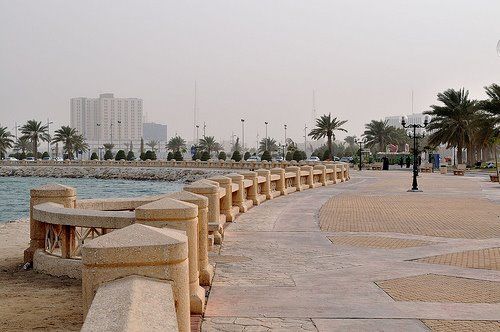
Dammam
About Dammam
Description
Dammam sits right on the edge of the Arabian Gulf, and honestly, it's one of those cities that doesn't always get the attention it deserves when travelers plan their Saudi Arabia itineraries. As the capital of the Eastern Province, this industrial port city has grown into the fifth-largest urban center in the Kingdom, with a population pushing past 1.3 million people. And while that might sound like just another big city, there's actually something quite fascinating about how Dammam blends its working-class roots with genuine Arabian hospitality. I'll be straight with you - Dammam isn't going to wow you with ancient ruins or flashy tourist traps. What it offers instead is an authentic glimpse into modern Saudi life, where the smell of salt air mixes with the energy of commerce and daily living. The waterfront stretches for miles along the Gulf, giving the city a completely different vibe from inland Saudi destinations. You'll find families picnicking along the corniche as cargo ships drift past on the horizon, which creates this interesting contrast between leisure and industry. The city has really come into its own over the past few decades. What started as a small fishing village transformed dramatically after oil discoveries in the region, and now it serves as the main gateway to Saudi Arabia's petroleum-rich Eastern Province. But don't let the industrial label fool you - there's warmth here that surprises first-time visitors. The locals seem genuinely pleased when travelers take interest in their city, probably because they're used to being overlooked in favor of flashier destinations. Walking through different neighborhoods, you'll notice the city's character shifts. Some areas feel distinctly modern with shopping centers and high-rises, while others maintain a more traditional atmosphere. The souks still draw crowds looking for spices, textiles, and fresh seafood pulled from the Gulf that morning. And speaking of seafood - if you're a fish lover, you're in for a treat.Key Features
The city presents several distinctive characteristics that shape the visitor experience:- Corniche waterfront - This scenic stretch along the Arabian Gulf provides locals and visitors with green spaces, walking paths, and spots to watch the sunset over the water. It's where the city really comes alive in the evenings when temperatures drop.
- King Abdulaziz Center for World Culture - Known locally as Ithra, this architectural marvel houses theaters, galleries, a library, and exhibition spaces. The building itself looks like something from a science fiction movie with its tubular design.
- Traditional souks and markets - The old market areas give you a real sense of regional commerce, with vendors selling everything from dates to perfumes to handcrafted items you won't find in modern malls.
- Proximity to Bahrain - The King Fahd Causeway connects Dammam to the island nation of Bahrain, making it incredibly easy to explore two countries in one trip.
- Heritage Village - This reconstructed traditional settlement shows what life looked like before oil changed everything, with old-style houses and exhibits about regional history.
- Marina and harbor areas - The working ports and recreational marinas showcase the city's ongoing relationship with the sea, from massive container ships to small fishing boats.
- Modern shopping facilities - Several large malls cater to both locals and visitors, offering international brands alongside regional retailers.
- Seafood restaurants - Fresh Gulf fish and prawns feature prominently in local cuisine, with restaurants ranging from simple grills to upscale establishments.
Best Time to Visit
Timing your visit to Dammam really matters, and I can't stress this enough. The climate here swings between extremes that'll either make your trip comfortable or leave you wondering why you didn't check the weather patterns first. November through March represents the sweet spot for visiting. During these months, temperatures hover in the pleasant range of 15-25 degrees Celsius during the day, with cooler evenings that actually feel refreshing. You can walk around comfortably, explore outdoor areas without melting, and genuinely enjoy being outside. The humidity also drops significantly compared to summer months, which makes a huge difference when you're spending time along the waterfront. Winter in Dammam (December to February) occasionally brings light rain, but nothing that should derail your plans. In fact, a bit of drizzle can make the city feel almost cozy, if that makes sense for a Gulf city. The locals break out jackets for what might feel like mild weather to visitors from colder climates, but trust me - after months of scorching heat, they're entitled to celebrate cooler temperatures however they want. April and October serve as shoulder seasons. They're manageable if you're flexible with your schedule and willing to do outdoor activities early morning or late evening. Temperatures start climbing in April, sometimes hitting 30-35 degrees Celsius, while October sees them gradually declining from summer peaks. But here's where I need to be real with you - avoid June through September unless you have a specific reason to be there or you genuinely enjoy feeling like you've stepped into an oven. Summer temperatures regularly exceed 45 degrees Celsius, and the combination of heat plus humidity from the Gulf creates conditions that are just punishing. I've talked to travelers who thought they could handle it, and they spent most of their time shuttling between air-conditioned spaces. The city doesn't shut down during summer since locals are accustomed to it, but outdoor tourism becomes pretty miserable. Religious holidays, particularly Ramadan, create a different visiting experience. Many restaurants close during daylight hours, and the city's rhythm changes significantly. It's not necessarily a bad time to visit if you're interested in cultural immersion, but you need to adjust expectations and show respect for fasting practices.How to Get There
Getting to Dammam is actually more straightforward than reaching many other Saudi cities, which makes sense given its role as a major commercial hub. King Fahd International Airport serves as the main gateway. And here's an interesting fact - it's one of the largest airports in the world by area, though not by passenger traffic. The airport sits about 20 kilometers northwest of the city center, handling both domestic and international flights. You'll find connections from major Middle Eastern hubs like Dubai, Doha, and Abu Dhabi, plus direct flights from various Asian and European cities. Saudi Arabia's flagship carrier operates numerous daily flights connecting Dammam with Riyadh and Jeddah, making domestic connections relatively painless. From the airport, taxis and ride-sharing services provide the most practical transport into the city. The drive takes roughly 20-30 minutes depending on traffic. Car rentals are available at the airport if you prefer independence, though navigating a new city always comes with a learning curve. The King Fahd Causeway offers an alternative entry point for visitors coming from Bahrain. This 25-kilometer bridge spans the Gulf, and crossing it feels like a mini-adventure in itself. If you're already in Bahrain or planning to visit both locations, driving across provides flexibility that flights can't match. Just remember to sort out your entry requirements for both countries beforehand. Saudi Arabia's improved tourist visa system has made entry considerably easier than it was just a few years ago. E-visas are available for citizens of many countries, though you'll want to verify current requirements for your specific nationality. The process has become surprisingly streamlined compared to the complicated sponsorship systems of the past. Buses connect Dammam with other Saudi cities, operated by the national transport company SAPTCO. These services work well for budget-conscious travelers, though they're naturally slower than flying. The bus station sits in a central location, making onward travel into the city manageable.Tips for Visiting
Right, let's talk practical advice because Dammam presents some specific considerations that differ from other travel destinations. Dress codes matter here more than in many places. Saudi Arabia has relaxed some regulations for tourists, but respectful clothing remains important. For women, that means covering shoulders and knees at minimum, though full abayas aren't legally required for non-Muslims anymore. Men should avoid shorts in most settings beyond beaches or pools. When in doubt, observe what locals are wearing and follow their lead. The weekend here runs Friday-Saturday, not Saturday-Sunday like much of the world. This throws off many first-time visitors who don't realize that Thursday evening is essentially Friday night elsewhere. Plan shopping and activities accordingly since many businesses close Friday mornings for prayers. Cash still plays a bigger role than in some highly-digitized countries, though card acceptance has improved dramatically. ATMs are widespread, but having some riyals on hand helps with smaller vendors, taxis, and market purchases. Currency exchange is available at the airport and various locations throughout the city. Arabic is the primary language, and English proficiency varies widely. You'll generally manage fine in hotels, restaurants, and tourist areas, but don't expect everyone to speak English. Learning a few basic Arabic phrases goes a long way - not just practically, but in building rapport with locals who appreciate the effort. Transportation within Dammam typically means taxis or ride-sharing apps. Public transit exists but isn't particularly tourist-friendly yet. Ride-sharing apps have become popular and work much like they do elsewhere. Agree on taxi fares before departing if the meter isn't running, or better yet, stick with app-based services where pricing is predetermined. Prayer times structure the daily rhythm. Five times daily, you'll hear the call to prayer echoing across the city, and shops may close briefly, particularly during Friday noon prayers. Rather than fighting this schedule, embrace it. Those quiet moments offer chances to rest, hydrate, or simply observe local religious practices. The heat during summer months isn't just uncomfortable - it's genuinely dangerous if you're not careful. Even during "cooler" months, afternoon sun can be intense. Carry water constantly, wear sunscreen, and don't underestimate how quickly dehydration sets in. I sound like someone's worried parent, but heat exhaustion sneaks up on you faster than you'd think. Photography requires some sensitivity. Avoid photographing people without permission, particularly women. Military or government installations are absolutely off-limits for cameras. When in doubt about whether something is okay to photograph, ask first or skip it. Alcohol is prohibited throughout Saudi Arabia, full stop. Don't try to bring it in, and don't expect to find it anywhere. Many hotels cater to this by offering fancy mocktails and non-alcoholic beverages, but if drinking is central to how you vacation, you'll need to adjust expectations. Dining times run later than in many Western countries. Lunch often happens from 1-3 PM, while dinner service doesn't really get going until 8 PM or later. Restaurants stay open quite late, which works nicely given how people avoid the heat by shifting activities toward evening hours. Female travelers will find Dammam generally safe and welcoming, though cultural norms differ from more liberal destinations. The separate family sections in restaurants provide comfortable dining spaces, and harassment is relatively rare, particularly compared to some other countries in the region. Connect with the waterfront during your stay. The corniche offers the most pleasant outdoor experience, especially during evening hours. Watching locals picnic, kids play, and families stroll gives you genuine insight into daily life here in a way that touring sites alone never quite captures.Key Features
- Key Features
- Best Time to Visit
- How to Get There
- Tips for Visiting
More Details
Updated April 5, 2026
Table of Contents
- Description
- Key Features
- Best Time to Visit
- How to Get There
- Tips for Visiting
- Key Highlights
- Location
- Places to Stay Near Dammam
- Find and Book a Tour
- Explore More Travel Guides
- Key Takeaways
- About Dammam
- History and Significance
- What Makes It Special
- What to See and Do
- Main Attractions and Highlights
- Best Time to Visit
- Visitor Information
- Location and How to Get There
- Tips for Visitors
- Nearby Places You Might Like
- Traveler Reviews for Dammam
- Share Your Experience
Description
Dammam sits right on the edge of the Arabian Gulf, and honestly, it’s one of those cities that doesn’t always get the attention it deserves when travelers plan their Saudi Arabia itineraries. As the capital of the Eastern Province, this industrial port city has grown into the fifth-largest urban center in the Kingdom, with a population pushing past 1.3 million people. And while that might sound like just another big city, there’s actually something quite fascinating about how Dammam blends its working-class roots with genuine Arabian hospitality.
I’ll be straight with you – Dammam isn’t going to wow you with ancient ruins or flashy tourist traps. What it offers instead is an authentic glimpse into modern Saudi life, where the smell of salt air mixes with the energy of commerce and daily living. The waterfront stretches for miles along the Gulf, giving the city a completely different vibe from inland Saudi destinations. You’ll find families picnicking along the corniche as cargo ships drift past on the horizon, which creates this interesting contrast between leisure and industry.
The city has really come into its own over the past few decades. What started as a small fishing village transformed dramatically after oil discoveries in the region, and now it serves as the main gateway to Saudi Arabia’s petroleum-rich Eastern Province. But don’t let the industrial label fool you – there’s warmth here that surprises first-time visitors. The locals seem genuinely pleased when travelers take interest in their city, probably because they’re used to being overlooked in favor of flashier destinations.
Walking through different neighborhoods, you’ll notice the city’s character shifts. Some areas feel distinctly modern with shopping centers and high-rises, while others maintain a more traditional atmosphere. The souks still draw crowds looking for spices, textiles, and fresh seafood pulled from the Gulf that morning. And speaking of seafood – if you’re a fish lover, you’re in for a treat.
Key Features
The city presents several distinctive characteristics that shape the visitor experience:
- Corniche waterfront – This scenic stretch along the Arabian Gulf provides locals and visitors with green spaces, walking paths, and spots to watch the sunset over the water. It’s where the city really comes alive in the evenings when temperatures drop.
- King Abdulaziz Center for World Culture – Known locally as Ithra, this architectural marvel houses theaters, galleries, a library, and exhibition spaces. The building itself looks like something from a science fiction movie with its tubular design.
- Traditional souks and markets – The old market areas give you a real sense of regional commerce, with vendors selling everything from dates to perfumes to handcrafted items you won’t find in modern malls.
- Proximity to Bahrain – The King Fahd Causeway connects Dammam to the island nation of Bahrain, making it incredibly easy to explore two countries in one trip.
- Heritage Village – This reconstructed traditional settlement shows what life looked like before oil changed everything, with old-style houses and exhibits about regional history.
- Marina and harbor areas – The working ports and recreational marinas showcase the city’s ongoing relationship with the sea, from massive container ships to small fishing boats.
- Modern shopping facilities – Several large malls cater to both locals and visitors, offering international brands alongside regional retailers.
- Seafood restaurants – Fresh Gulf fish and prawns feature prominently in local cuisine, with restaurants ranging from simple grills to upscale establishments.
Best Time to Visit
Timing your visit to Dammam really matters, and I can’t stress this enough. The climate here swings between extremes that’ll either make your trip comfortable or leave you wondering why you didn’t check the weather patterns first.
November through March represents the sweet spot for visiting. During these months, temperatures hover in the pleasant range of 15-25 degrees Celsius during the day, with cooler evenings that actually feel refreshing. You can walk around comfortably, explore outdoor areas without melting, and genuinely enjoy being outside. The humidity also drops significantly compared to summer months, which makes a huge difference when you’re spending time along the waterfront.
Winter in Dammam (December to February) occasionally brings light rain, but nothing that should derail your plans. In fact, a bit of drizzle can make the city feel almost cozy, if that makes sense for a Gulf city. The locals break out jackets for what might feel like mild weather to visitors from colder climates, but trust me – after months of scorching heat, they’re entitled to celebrate cooler temperatures however they want.
April and October serve as shoulder seasons. They’re manageable if you’re flexible with your schedule and willing to do outdoor activities early morning or late evening. Temperatures start climbing in April, sometimes hitting 30-35 degrees Celsius, while October sees them gradually declining from summer peaks.
But here’s where I need to be real with you – avoid June through September unless you have a specific reason to be there or you genuinely enjoy feeling like you’ve stepped into an oven. Summer temperatures regularly exceed 45 degrees Celsius, and the combination of heat plus humidity from the Gulf creates conditions that are just punishing. I’ve talked to travelers who thought they could handle it, and they spent most of their time shuttling between air-conditioned spaces. The city doesn’t shut down during summer since locals are accustomed to it, but outdoor tourism becomes pretty miserable.
Religious holidays, particularly Ramadan, create a different visiting experience. Many restaurants close during daylight hours, and the city’s rhythm changes significantly. It’s not necessarily a bad time to visit if you’re interested in cultural immersion, but you need to adjust expectations and show respect for fasting practices.
How to Get There
Getting to Dammam is actually more straightforward than reaching many other Saudi cities, which makes sense given its role as a major commercial hub.
King Fahd International Airport serves as the main gateway. And here’s an interesting fact – it’s one of the largest airports in the world by area, though not by passenger traffic. The airport sits about 20 kilometers northwest of the city center, handling both domestic and international flights. You’ll find connections from major Middle Eastern hubs like Dubai, Doha, and Abu Dhabi, plus direct flights from various Asian and European cities. Saudi Arabia’s flagship carrier operates numerous daily flights connecting Dammam with Riyadh and Jeddah, making domestic connections relatively painless.
From the airport, taxis and ride-sharing services provide the most practical transport into the city. The drive takes roughly 20-30 minutes depending on traffic. Car rentals are available at the airport if you prefer independence, though navigating a new city always comes with a learning curve.
The King Fahd Causeway offers an alternative entry point for visitors coming from Bahrain. This 25-kilometer bridge spans the Gulf, and crossing it feels like a mini-adventure in itself. If you’re already in Bahrain or planning to visit both locations, driving across provides flexibility that flights can’t match. Just remember to sort out your entry requirements for both countries beforehand.
Saudi Arabia’s improved tourist visa system has made entry considerably easier than it was just a few years ago. E-visas are available for citizens of many countries, though you’ll want to verify current requirements for your specific nationality. The process has become surprisingly streamlined compared to the complicated sponsorship systems of the past.
Buses connect Dammam with other Saudi cities, operated by the national transport company SAPTCO. These services work well for budget-conscious travelers, though they’re naturally slower than flying. The bus station sits in a central location, making onward travel into the city manageable.
Tips for Visiting
Right, let’s talk practical advice because Dammam presents some specific considerations that differ from other travel destinations.
Dress codes matter here more than in many places. Saudi Arabia has relaxed some regulations for tourists, but respectful clothing remains important. For women, that means covering shoulders and knees at minimum, though full abayas aren’t legally required for non-Muslims anymore. Men should avoid shorts in most settings beyond beaches or pools. When in doubt, observe what locals are wearing and follow their lead.
The weekend here runs Friday-Saturday, not Saturday-Sunday like much of the world. This throws off many first-time visitors who don’t realize that Thursday evening is essentially Friday night elsewhere. Plan shopping and activities accordingly since many businesses close Friday mornings for prayers.
Cash still plays a bigger role than in some highly-digitized countries, though card acceptance has improved dramatically. ATMs are widespread, but having some riyals on hand helps with smaller vendors, taxis, and market purchases. Currency exchange is available at the airport and various locations throughout the city.
Arabic is the primary language, and English proficiency varies widely. You’ll generally manage fine in hotels, restaurants, and tourist areas, but don’t expect everyone to speak English. Learning a few basic Arabic phrases goes a long way – not just practically, but in building rapport with locals who appreciate the effort.
Transportation within Dammam typically means taxis or ride-sharing apps. Public transit exists but isn’t particularly tourist-friendly yet. Ride-sharing apps have become popular and work much like they do elsewhere. Agree on taxi fares before departing if the meter isn’t running, or better yet, stick with app-based services where pricing is predetermined.
Prayer times structure the daily rhythm. Five times daily, you’ll hear the call to prayer echoing across the city, and shops may close briefly, particularly during Friday noon prayers. Rather than fighting this schedule, embrace it. Those quiet moments offer chances to rest, hydrate, or simply observe local religious practices.
The heat during summer months isn’t just uncomfortable – it’s genuinely dangerous if you’re not careful. Even during “cooler” months, afternoon sun can be intense. Carry water constantly, wear sunscreen, and don’t underestimate how quickly dehydration sets in. I sound like someone’s worried parent, but heat exhaustion sneaks up on you faster than you’d think.
Photography requires some sensitivity. Avoid photographing people without permission, particularly women. Military or government installations are absolutely off-limits for cameras. When in doubt about whether something is okay to photograph, ask first or skip it.
Alcohol is prohibited throughout Saudi Arabia, full stop. Don’t try to bring it in, and don’t expect to find it anywhere. Many hotels cater to this by offering fancy mocktails and non-alcoholic beverages, but if drinking is central to how you vacation, you’ll need to adjust expectations.
Dining times run later than in many Western countries. Lunch often happens from 1-3 PM, while dinner service doesn’t really get going until 8 PM or later. Restaurants stay open quite late, which works nicely given how people avoid the heat by shifting activities toward evening hours.
Female travelers will find Dammam generally safe and welcoming, though cultural norms differ from more liberal destinations. The separate family sections in restaurants provide comfortable dining spaces, and harassment is relatively rare, particularly compared to some other countries in the region.
Connect with the waterfront during your stay. The corniche offers the most pleasant outdoor experience, especially during evening hours. Watching locals picnic, kids play, and families stroll gives you genuine insight into daily life here in a way that touring sites alone never quite captures.
Key Highlights
- Key Features
- Best Time to Visit
- How to Get There
- Tips for Visiting
Location
Places to Stay Near Dammam
Find and Book a Tour
Explore More Travel Guides
No reviews found! Be the first to review!
Dammam sits right on the edge of the Arabian Gulf, quietly minding its own business while flashier Saudi cities steal the spotlight. You won’t find big crowds of tourists here—and honestly, that’s part of the charm.
This port city mixes an oil industry legacy with a relaxed waterfront scene, giving you a no-nonsense look at real life in the Eastern Province, minus the tourist gloss.
The vibe here? It’s refreshingly down-to-earth. You can wander the long Corniche as the sun dips over the Gulf, poke around cultural sites that whisper stories of oil booms, or just use Dammam as your jumping-off point for Bahrain.
There’s local history everywhere. Dammam is where commercial oil was first discovered back in 1938, which—let’s be honest—changed everything for Saudi Arabia. Getting here is a breeze, with solid links to Al Khobar and Dhahran, so you’re never really far from the action.
Key Takeaways
- Dammam gives you an authentic Gulf coast experience with way less tourist traffic than Riyadh or Jeddah.
- It’s your gateway to Bahrain via the King Fahd Causeway, and Ithra’s not far off if you’re chasing culture.
- The oil heritage and that endless Corniche? They offer a peek into Saudi Arabia’s wild transformation.
About Dammam
Dammam started out as a humble fishing village in 1923 and somehow morphed into the country’s fifth-largest city. Its spot on the Arabian Gulf has shaped everything—economy, food, even the pace of life.
History and Significance
The Dawasir tribe landed here in 1923, with King Ibn Saud’s blessing. Picture a tiny fishing hamlet, nothing like the city you see now.
Then came the 1930s, and oil exploration changed everything. Dammam Well No. 7—now known as the ‘Prosperity Well’—struck oil in 1938. That moment? It flipped the script for the whole region.
After that, Dammam became the Eastern Province’s capital. The government built roads and railways, connecting it to Riyadh and beyond.
What was once a sleepy coastal village turned into the beating heart of Saudi’s oil industry. These days, Dammam is a major administrative center for the oil sector.
King Abdulaziz Port moves over 2 million TEUs of cargo, making it the country’s third-largest port. Not bad for a city that started with fishing boats.
What Makes It Special
Dammam hugs the Arabian Gulf, so you get those waterfront views most Saudi cities can only dream about. The Corniche runs along the coast, and it’s actually where people hang out, especially when the temperature drops a little in the evenings.
There’s a real balance here—modern malls and restaurants, but also traditional souqs where you can hunt for local treasures. Half Moon Bay is a favorite for families and anyone wanting to dip their toes in the water.
King Fahd Park brings a splash of green to the desert landscape. The Dammam Museum is a nice surprise, showing off the Eastern Province’s history and culture—no long road trip required.
If you’re thinking about visiting, winter (November to January) is your friend. Summer? It’s brutal—40°C and climbing. Double-check attraction hours, too; they tend to shift with the seasons.
What to See and Do
Dammam’s got a mix of waterfront hangouts, parks for families, and cultural spots that actually feel genuine. It’s easy to fill your days, whether you’re strolling the Corniche or getting lost in a traditional village.
Main Attractions and Highlights
The Dammam Corniche is pretty much a must. This stretch along the Gulf is perfect for walking, people-watching, or just sipping coffee while the sun goes down.
You can rent a bike, or just pick a café and linger. There are playgrounds for kids and enough space to feel the sea breeze.
King Fahad Park is one of the region’s biggest green spaces. Think artificial lakes, walking trails, and loads of spots for a picnic. Locals flock here on weekends, especially when it’s not scorching hot.
The Heritage Village is a little time capsule—traditional architecture, Bedouin displays, and just enough history to keep you interested for an hour or so.
If you’re craving some quiet, the Palm Oasis is dotted with date palms and shady paths. Al Faisaliyah Park is another green spot, great for an afternoon picnic or just stretching your legs.
Best Time to Visit
November through March is when Dammam is at its best. Temperatures hover between 15-25°C, so you can actually enjoy being outside.
Steer clear of June to September unless you’re a fan of extreme heat. The Gulf humidity makes it feel even hotter than the thermometer says.
Crowds peak on Thursdays and Fridays—families everywhere, parks buzzing. If you want peace and quiet, try weekday mornings. Early evenings aren’t bad either, especially if you want to dodge the midday sun.
Visitor Information
Dammam sits right on Saudi Arabia’s Gulf coast, about 400 kilometers east of Riyadh. It’s easy enough to get here, but a few tips can make your visit smoother.
Location and How to Get There
King Fahd International Airport is about 40 kilometers northwest of downtown. It’s huge—one of the world’s biggest by area—and serves the whole Dammam-Khobar-Dhahran region.
Taxis from the airport to the city center take 30 to 45 minutes, depending on traffic. Most drivers don’t use meters, so negotiate your fare up front.
You’ll probably pay SAR 80 to 120, but don’t be surprised if drivers ask for more at first. Ride-hailing apps like Uber and Careem are usually more straightforward and less hassle.
Driving in from Riyadh? It’s about four hours on Highway 40. Coming from the Western Province, you’ll use Highway 613 through Hofuf and the Al Ahsa Oasis.
The train’s also an option, with regular service to Riyadh via the Saudi Railway Company. Dammam, Al Khobar, and Dhahran make up the metro area, and honestly, you’ll want a car or taxi to hop between them.
Tips for Visitors
If you’re planning a trip to Dammam, aim for sometime between November and March. Temperatures hover between 15°C and 25°C—honestly, that’s when the city feels most welcoming.
Summer here? Whew, it gets brutal. From June to September, expect the mercury to soar past 40°C, and the humidity can be downright stifling. Not exactly ideal for wandering the Corniche.
Most of Dammam’s favorites, like the Corniche and Marjan Island, are open late—sometimes until midnight. Still, it’s always wise to double-check hours before heading out since places can surprise you with unexpected closures.
Ithra’s schedule deserves a special mention. It’s closed on Sundays, and if you swing by on a Friday, don’t bother showing up until after 4:00 PM. Ramadan brings its own rhythm—restaurants usually shut during daylight, and tourist sites often run on reduced hours. Worth keeping in mind.
Let’s talk dress code. Dammam sits in the Eastern Province, which is a bit more laid-back than other spots in Saudi, but you’ll still want to cover shoulders and knees out in public. No need for an abaya anymore if you’re a woman, but conservative is still the way to go.
Weekends here kick off Thursday evening and roll into Friday. That’s when the Corniche, Heritage Village, and King Fahd Park get packed. If you’re after a quieter vibe, try hitting the big attractions during the workweek.
Traveler Reviews for Dammam
There are no reviews yet. Be the first one to write one.
Have you visited Dammam? Help other travelers by sharing your review.
You Might Also Like
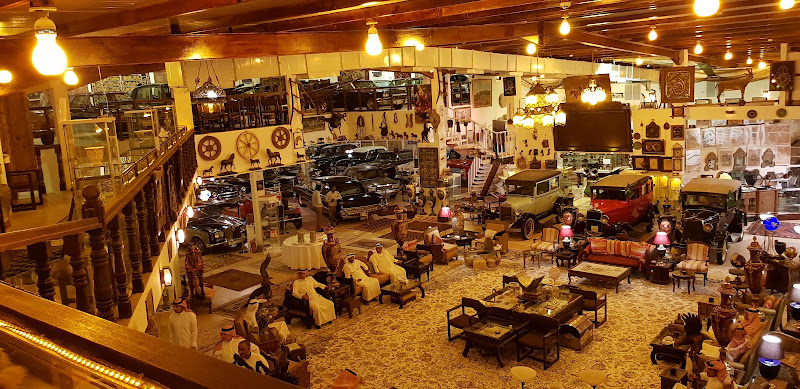
Alfelwah and Aljowharah Museum
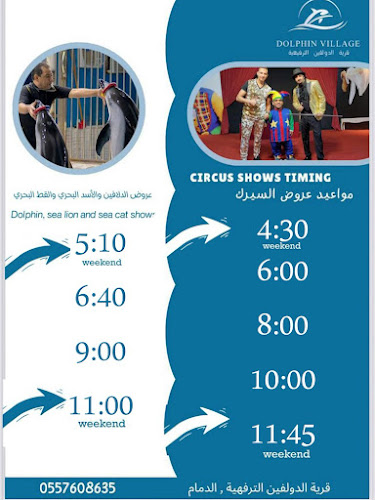
Dolphin Village Dammam
Muhammed Ibn Saud
Find Accommodations Nearby
Recommended Tours & Activities
Visitor Reviews
There are no reviews yet. Be the first one to write one.
Share Your Experience
Have you visited Dammam? Help other travelers by leaving a review.