
Alfelwah and Aljowharah Museum
About Alfelwah and Aljowharah Museum
Description
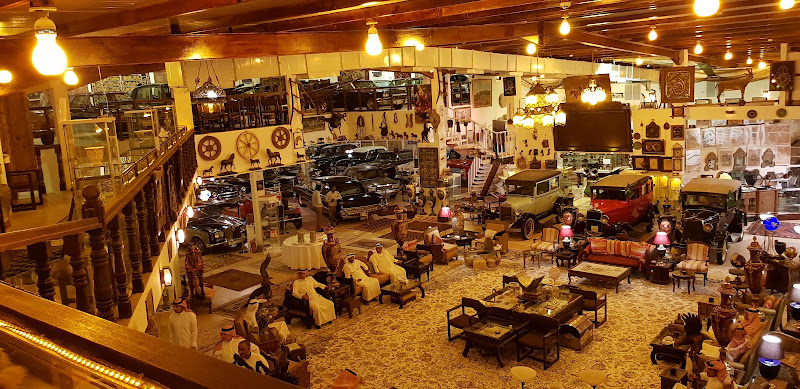
The Alfelwah and Aljowharah Museum is often described as one of those rare places where history doesn’t just sit quietly behind glass—it feels alive. Known as the largest museum in Saudi Arabia, it’s not just about size, though the sheer scale is impressive. What makes this place stand out is the way it blends a personal collector’s passion with a national story. Walking through its palace-style villa, you’ll come across more than half a million artifacts that trace everything from local traditions to global influences. It’s the kind of space where you might find yourself pausing longer than expected, simply because the details pull you in.
Now, to be fair, not every visitor walks away with the same level of awe. Some folks find the layout overwhelming, while others wish for more context on certain displays. But overwhelmingly, people talk about the sense of discovery here—the feeling that you’re stepping into someone’s treasure chest of history, art, and culture. For families, it’s a surprisingly engaging outing. Kids often light up at the live performances and interactive elements, while adults appreciate the craftsmanship and sheer variety of objects on display. It’s both a cultural landmark and a personal passion project, and that blend gives it a character you don’t always find in larger, more institutional museums.
Key Features
- Recognized as the largest museum in Saudi Arabia, housing over 500,000 artifacts
- Palace-style villa setting that feels more intimate than a traditional gallery
- Live performances that bring history and tradition to life
- Amenities including a restaurant, restrooms, and gender-neutral facilities
- Family-friendly environment with exhibits appealing to both adults and children
- Collections covering traditional crafts, historical artifacts, and cultural heritage
- Private collector’s touch gives the museum a unique and personal atmosphere
Best Time to Visit
If you’re like me and prefer to avoid big crowds, aim for weekday mornings. The flow of visitors is lighter, which means you’ll have more breathing room to take in the exhibits at your own pace. Weekends, especially in the afternoons, tend to draw more families, which can make the place feel lively but also a bit busier. Weather-wise, Dammam can get pretty hot in the summer, so pairing a museum visit with cooler indoor time is actually a smart move. Personally, I’d say late autumn or early spring is perfect—you can enjoy the city comfortably outside and retreat to the museum for a few hours without rushing.
How to Get There
Reaching the museum is straightforward if you’re already in Dammam. Taxis and ride-hailing apps are the easiest option, especially if you’re not familiar with local roads. Public transport exists, but honestly, it’s not always the most convenient for travelers with limited time. If you’re driving, parking is available nearby, though it can fill up on weekends. I remember the first time I went, I underestimated traffic and ended up arriving a bit later than planned—so, give yourself some buffer time. The museum is fairly central, so combining it with other stops in the city is totally doable.
Tips for Visiting
Here’s where a bit of planning goes a long way. Tickets are best secured in advance, especially if you’re visiting during peak times. It saves you from waiting around and lets you focus on the experience itself. Wear comfortable shoes—this isn’t a quick in-and-out stop, and you’ll likely spend a few hours wandering the halls. If you’re going with kids, check ahead for live performance schedules, since those tend to be highlights for younger visitors.
Don’t rush through the restaurant either. It’s a nice break in between exploring, and the food gives you a taste of local flavors. And yes, the restrooms are clean and accessible, which is something travelers often wonder about. One piece of advice from my own mistake: bring a bottle of water. Even though it’s indoors, you’ll be walking a lot, and staying hydrated keeps your energy up. Lastly, keep an open mind. Some displays might feel eclectic or even a bit overwhelming, but that’s part of the charm—it’s not a cookie-cutter museum, and that’s exactly why it sticks with you long after you leave.
Key Features
- Recognized as the largest museum in Saudi Arabia, housing over 500,000 artifacts
- Palace-style villa setting that feels more intimate than a traditional gallery
- Live performances that bring history and tradition to life
- Amenities including a restaurant, restrooms, and gender-neutral facilities
- Family-friendly environment with exhibits appealing to both adults and children
- Collections covering traditional crafts, historical artifacts, and cultural heritage
- Private collector’s touch gives the museum a unique and personal atmosphere
More Details
Updated September 30, 2025
Table of Contents
Description
The Alfelwah and Aljowharah Museum is often described as one of those rare places where history doesn’t just sit quietly behind glass—it feels alive. Known as the largest museum in Saudi Arabia, it’s not just about size, though the sheer scale is impressive. What makes this place stand out is the way it blends a personal collector’s passion with a national story. Walking through its palace-style villa, you’ll come across more than half a million artifacts that trace everything from local traditions to global influences. It’s the kind of space where you might find yourself pausing longer than expected, simply because the details pull you in.
Now, to be fair, not every visitor walks away with the same level of awe. Some folks find the layout overwhelming, while others wish for more context on certain displays. But overwhelmingly, people talk about the sense of discovery here—the feeling that you’re stepping into someone’s treasure chest of history, art, and culture. For families, it’s a surprisingly engaging outing. Kids often light up at the live performances and interactive elements, while adults appreciate the craftsmanship and sheer variety of objects on display. It’s both a cultural landmark and a personal passion project, and that blend gives it a character you don’t always find in larger, more institutional museums.
Key Features
- Recognized as the largest museum in Saudi Arabia, housing over 500,000 artifacts
- Palace-style villa setting that feels more intimate than a traditional gallery
- Live performances that bring history and tradition to life
- Amenities including a restaurant, restrooms, and gender-neutral facilities
- Family-friendly environment with exhibits appealing to both adults and children
- Collections covering traditional crafts, historical artifacts, and cultural heritage
- Private collector’s touch gives the museum a unique and personal atmosphere
Best Time to Visit
If you’re like me and prefer to avoid big crowds, aim for weekday mornings. The flow of visitors is lighter, which means you’ll have more breathing room to take in the exhibits at your own pace. Weekends, especially in the afternoons, tend to draw more families, which can make the place feel lively but also a bit busier. Weather-wise, Dammam can get pretty hot in the summer, so pairing a museum visit with cooler indoor time is actually a smart move. Personally, I’d say late autumn or early spring is perfect—you can enjoy the city comfortably outside and retreat to the museum for a few hours without rushing.
How to Get There
Reaching the museum is straightforward if you’re already in Dammam. Taxis and ride-hailing apps are the easiest option, especially if you’re not familiar with local roads. Public transport exists, but honestly, it’s not always the most convenient for travelers with limited time. If you’re driving, parking is available nearby, though it can fill up on weekends. I remember the first time I went, I underestimated traffic and ended up arriving a bit later than planned—so, give yourself some buffer time. The museum is fairly central, so combining it with other stops in the city is totally doable.
Tips for Visiting
Here’s where a bit of planning goes a long way. Tickets are best secured in advance, especially if you’re visiting during peak times. It saves you from waiting around and lets you focus on the experience itself. Wear comfortable shoes—this isn’t a quick in-and-out stop, and you’ll likely spend a few hours wandering the halls. If you’re going with kids, check ahead for live performance schedules, since those tend to be highlights for younger visitors.
Don’t rush through the restaurant either. It’s a nice break in between exploring, and the food gives you a taste of local flavors. And yes, the restrooms are clean and accessible, which is something travelers often wonder about. One piece of advice from my own mistake: bring a bottle of water. Even though it’s indoors, you’ll be walking a lot, and staying hydrated keeps your energy up. Lastly, keep an open mind. Some displays might feel eclectic or even a bit overwhelming, but that’s part of the charm—it’s not a cookie-cutter museum, and that’s exactly why it sticks with you long after you leave.
Key Highlights
- Recognized as the largest museum in Saudi Arabia, housing over 500,000 artifacts
- Palace-style villa setting that feels more intimate than a traditional gallery
- Live performances that bring history and tradition to life
- Amenities including a restaurant, restrooms, and gender-neutral facilities
- Family-friendly environment with exhibits appealing to both adults and children
- Collections covering traditional crafts, historical artifacts, and cultural heritage
- Private collector’s touch gives the museum a unique and personal atmosphere
Location
Places to Stay Near Alfelwah and Aljowharah Museum
Find and Book a Tour
Explore More Travel Guides
No reviews found! Be the first to review!
Traveler Reviews for Alfelwah and Aljowharah Museum
There are no reviews yet. Be the first one to write one.
Have you visited Alfelwah and Aljowharah Museum? Help other travelers by sharing your review.
You Might Also Like

Adventure World
Dammam
King Abdullah Park
Find Accommodations Nearby
Recommended Tours & Activities
Visitor Reviews
There are no reviews yet. Be the first one to write one.
Share Your Experience
Have you visited Alfelwah and Aljowharah Museum? Help other travelers by leaving a review.