
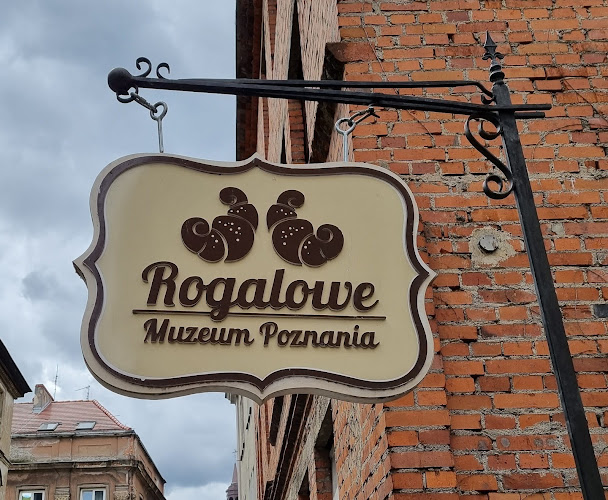
Croissant Museum
About Croissant Museum
Description
The Croissant Museum offers one of those delightfully quirky travel experiences that you stumble upon and end up talking about for years afterward. Housed within a Renaissance tenement house, this cultural museum dedicates itself entirely to the art and history of baking croissants—yes, that flaky, buttery pastry you probably had for breakfast this morning. And honestly, who knew that such a specific topic could fill an entire museum? But here we are, and it's absolutely worth your time. I'll admit, when I first heard about a museum dedicated solely to croissants, I had my doubts. It sounded like one of those tourist traps that promises novelty but delivers disappointment. But after visiting, I can tell you it's genuinely fascinating how much history and cultural significance revolves around this particular pastry. The museum manages to weave together baking traditions, historical narratives, and hands-on experiences in a way that keeps you engaged throughout your visit. The Renaissance architecture itself provides a beautiful backdrop for your croissant education. Walking through these historic halls while learning about centuries-old baking techniques creates this interesting juxtaposition between old-world charm and culinary craftsmanship. The museum staff really knows their stuff too—they're passionate about croissant history in a way that's both endearing and infectious. You'll find yourself caring about lamination techniques and butter percentages more than you ever thought possible. What makes this place stand out isn't just the subject matter but how they present it. There's a sense of humor running throughout the exhibits that acknowledges the inherent silliness of taking croissants this seriously while simultaneously treating the subject with genuine respect. It's educational without being stuffy, entertaining without being frivolous. That balance is harder to achieve than you might think.Key Features
The Croissant Museum packs quite a bit into its historic space, offering visitors a comprehensive look at everything croissant-related. Here's what you can expect during your visit: • Interactive baking demonstrations that show the precise technique required for creating those signature flaky layers • Historical exhibits tracing the croissant's journey from Austrian kipferl to French patisserie staple • Authentic Renaissance-era building architecture that adds historical ambiance to your museum experience • Hands-on workshops where visitors can actually try their hand at croissant-making under expert guidance • Display cases featuring various croissant shapes and styles from different regions and time periods • Educational materials explaining the science behind perfect pastry creation, including butter selection and folding techniques • Photo opportunities throughout the museum for capturing your croissant adventure • Restroom facilities available on-site for visitor convenience • Multiple payment options accepted including credit cards, debit cards, and mobile payments • Kid-friendly exhibits that make learning about baking history accessible for younger visitors • Onsite services that enhance the overall museum experience • Collection of historical baking tools and equipment used throughout different eras The museum really shines in its practical demonstrations. Watching skilled bakers create croissants from scratch is genuinely mesmerizing—there's something hypnotic about seeing butter folded into dough over and over until those perfect layers form. And the smell, oh the smell. Your nose will thank you even if your diet won't.Best Time to Visit
Timing your visit to the Croissant Museum can make a significant difference in your overall experience. The museum strongly recommends getting tickets in advance, and I'd echo that suggestion based on how popular this place has become. Nothing ruins a carefully planned itinerary like showing up to find there's no availability for hours. Weekday mornings tend to offer the most pleasant visiting conditions. You'll encounter fewer crowds, which means more space to explore exhibits without feeling rushed and better opportunities to ask questions during demonstrations. Plus, if you're visiting in the morning, the baking demonstrations align perfectly with actual breakfast hours—there's something particularly satisfying about learning croissant history while fresh batches come out of the ovens. Weekend afternoons predictably draw the biggest crowds, especially during peak tourist season. Families with children often visit during these times, which creates a livelier atmosphere but also means more competition for prime viewing spots during demonstrations. If you don't mind bustling energy and want to experience the museum at its most animated, weekend visits work just fine. Weather doesn't factor too heavily into your planning since this is an indoor attraction, but keep in mind that the building's Renaissance-era construction means climate control has its limits. Summer visits can get warm inside, particularly when ovens are running for demonstrations. Dress in layers so you can adjust as needed. School holiday periods bring an influx of young visitors on educational trips. This can either enhance or detract from your experience depending on your preference for energetic kids asking a million questions. Personally, I found their genuine enthusiasm kind of charming, but if you're seeking a quieter, more contemplative museum experience, you might want to avoid these peak school break times.How to Get There
Getting to the Croissant Museum requires some planning, particularly regarding accessibility considerations. The building's historical nature means it lacks wheelchair accessible entrances and parking—something to definitely keep in mind when arranging your visit. This isn't ideal, and it's worth contacting the museum directly if you have specific accessibility needs to see what accommodations might be possible. Public transportation offers the most straightforward approach for most visitors. The museum's location makes it accessible via several transit routes, and honestly, arriving by public transport gives you more flexibility since dedicated parking for the museum is limited. You won't have to worry about finding a spot or dealing with parking fees. If you're staying in the central tourist district, walking might be your best bet. The journey takes you through some genuinely interesting neighborhoods, and you can explore a bit along the way. I always prefer walking when visiting new places because you discover those little cafes and shops that don't make it into guidebooks. Just make sure you have comfortable shoes—European cobblestones look charming but feel brutal after a few hours. Taxi or rideshare services work well too, especially if you're traveling with a group or have mobility considerations. Drop-off and pick-up near the museum entrance is straightforward, though you might need to walk a short distance depending on street conditions and local traffic patterns. For those driving despite the parking challenges, nearby public parking garages offer alternatives. You'll likely need to walk several blocks from where you park, so factor in extra time. Arriving early improves your chances of finding closer parking options.Tips for Visiting
Making the most of your Croissant Museum visit involves some strategic planning and a few insider considerations. First and most importantly—book your tickets ahead of time. This cannot be stressed enough. The museum specifically recommends advance booking, and given its popularity, showing up without tickets is risky at best. Arrive slightly before your scheduled entry time. This gives you a buffer for any navigation mishaps and lets you start your visit without feeling rushed. The museum experience works best when you can move through at a comfortable pace rather than feeling like you're racing through exhibits. Come hungry, or at least with room for a snack. While I won't spoil all the surprises, let's just say there may be opportunities to taste test certain freshly baked items. Visiting on an empty stomach ensures you can fully appreciate these moments. But also maybe don't skip breakfast entirely—there's nothing worse than being so hungry that you can't concentrate on the actual exhibits. Bring your phone or camera for photos, though be mindful of other visitors when taking pictures. The Renaissance building provides gorgeous backdrops, and you'll want documentation of your croissant-themed adventure. Some exhibits photograph better than others, so pay attention to lighting. Wear comfortable clothing suitable for standing and moving around for an hour or two. As mentioned earlier, the building can get warm, especially near the baking areas. Layers work best so you can adapt to temperature changes as you move through different sections. If you're visiting with children, the museum rates as good for kids, but prepare them for what's essentially an educational experience. It's engaging and hands-on enough to keep most kids interested, but this isn't an amusement park. Bringing small snacks for younger children isn't a bad idea, though obviously be respectful about where and when you eat them. The restroom facilities are available, but there's only limited capacity in the historic building. Use them when you arrive to avoid potentially missing parts of demonstrations or workshops. Consider the workshop schedule when booking your visit. If hands-on baking appeals to you, check whether your ticket time coincides with these sessions. Getting flour on your hands and actually creating croissant dough takes the experience from passive observation to active participation in a really satisfying way. Don't rush through just to check it off your list. Yeah, it's a museum about croissants, which sounds inherently lightweight. But there's genuinely interesting content here about food history, cultural traditions, and craftsmanship. Give yourself permission to actually engage with the material rather than treating it as purely novelty tourism. Finally, manage your expectations appropriately. This is a specialized museum in a historic building—it's not massive, and the scope remains focused on its specific subject matter. What it does, it does well, but you're not getting a sprawling institution with dozens of galleries. The experience typically takes one to two hours depending on whether you participate in workshops and how thoroughly you explore exhibits.Key Features
- Live croissant-baking demonstrations and guided storytelling
- Focus on the rogale świętomarcińskie — Poznań’s traditional St. Martin’s croissant
- Historic Renaissance tenement setting in the Old Market (Stary Rynek)
- Interactive moments and small-group shows (including the goat-related story segments)
- Opportunity to taste or buy freshly made croissants
More Details
Updated March 30, 2026
Table of Contents
Description
The Croissant Museum offers one of those delightfully quirky travel experiences that you stumble upon and end up talking about for years afterward. Housed within a Renaissance tenement house, this cultural museum dedicates itself entirely to the art and history of baking croissants—yes, that flaky, buttery pastry you probably had for breakfast this morning. And honestly, who knew that such a specific topic could fill an entire museum? But here we are, and it’s absolutely worth your time.
I’ll admit, when I first heard about a museum dedicated solely to croissants, I had my doubts. It sounded like one of those tourist traps that promises novelty but delivers disappointment. But after visiting, I can tell you it’s genuinely fascinating how much history and cultural significance revolves around this particular pastry. The museum manages to weave together baking traditions, historical narratives, and hands-on experiences in a way that keeps you engaged throughout your visit.
The Renaissance architecture itself provides a beautiful backdrop for your croissant education. Walking through these historic halls while learning about centuries-old baking techniques creates this interesting juxtaposition between old-world charm and culinary craftsmanship. The museum staff really knows their stuff too—they’re passionate about croissant history in a way that’s both endearing and infectious. You’ll find yourself caring about lamination techniques and butter percentages more than you ever thought possible.
What makes this place stand out isn’t just the subject matter but how they present it. There’s a sense of humor running throughout the exhibits that acknowledges the inherent silliness of taking croissants this seriously while simultaneously treating the subject with genuine respect. It’s educational without being stuffy, entertaining without being frivolous. That balance is harder to achieve than you might think.
Key Features
The Croissant Museum packs quite a bit into its historic space, offering visitors a comprehensive look at everything croissant-related. Here’s what you can expect during your visit:
• Interactive baking demonstrations that show the precise technique required for creating those signature flaky layers
• Historical exhibits tracing the croissant’s journey from Austrian kipferl to French patisserie staple
• Authentic Renaissance-era building architecture that adds historical ambiance to your museum experience
• Hands-on workshops where visitors can actually try their hand at croissant-making under expert guidance
• Display cases featuring various croissant shapes and styles from different regions and time periods
• Educational materials explaining the science behind perfect pastry creation, including butter selection and folding techniques
• Photo opportunities throughout the museum for capturing your croissant adventure
• Restroom facilities available on-site for visitor convenience
• Multiple payment options accepted including credit cards, debit cards, and mobile payments
• Kid-friendly exhibits that make learning about baking history accessible for younger visitors
• Onsite services that enhance the overall museum experience
• Collection of historical baking tools and equipment used throughout different eras
The museum really shines in its practical demonstrations. Watching skilled bakers create croissants from scratch is genuinely mesmerizing—there’s something hypnotic about seeing butter folded into dough over and over until those perfect layers form. And the smell, oh the smell. Your nose will thank you even if your diet won’t.
Best Time to Visit
Timing your visit to the Croissant Museum can make a significant difference in your overall experience. The museum strongly recommends getting tickets in advance, and I’d echo that suggestion based on how popular this place has become. Nothing ruins a carefully planned itinerary like showing up to find there’s no availability for hours.
Weekday mornings tend to offer the most pleasant visiting conditions. You’ll encounter fewer crowds, which means more space to explore exhibits without feeling rushed and better opportunities to ask questions during demonstrations. Plus, if you’re visiting in the morning, the baking demonstrations align perfectly with actual breakfast hours—there’s something particularly satisfying about learning croissant history while fresh batches come out of the ovens.
Weekend afternoons predictably draw the biggest crowds, especially during peak tourist season. Families with children often visit during these times, which creates a livelier atmosphere but also means more competition for prime viewing spots during demonstrations. If you don’t mind bustling energy and want to experience the museum at its most animated, weekend visits work just fine.
Weather doesn’t factor too heavily into your planning since this is an indoor attraction, but keep in mind that the building’s Renaissance-era construction means climate control has its limits. Summer visits can get warm inside, particularly when ovens are running for demonstrations. Dress in layers so you can adjust as needed.
School holiday periods bring an influx of young visitors on educational trips. This can either enhance or detract from your experience depending on your preference for energetic kids asking a million questions. Personally, I found their genuine enthusiasm kind of charming, but if you’re seeking a quieter, more contemplative museum experience, you might want to avoid these peak school break times.
How to Get There
Getting to the Croissant Museum requires some planning, particularly regarding accessibility considerations. The building’s historical nature means it lacks wheelchair accessible entrances and parking—something to definitely keep in mind when arranging your visit. This isn’t ideal, and it’s worth contacting the museum directly if you have specific accessibility needs to see what accommodations might be possible.
Public transportation offers the most straightforward approach for most visitors. The museum’s location makes it accessible via several transit routes, and honestly, arriving by public transport gives you more flexibility since dedicated parking for the museum is limited. You won’t have to worry about finding a spot or dealing with parking fees.
If you’re staying in the central tourist district, walking might be your best bet. The journey takes you through some genuinely interesting neighborhoods, and you can explore a bit along the way. I always prefer walking when visiting new places because you discover those little cafes and shops that don’t make it into guidebooks. Just make sure you have comfortable shoes—European cobblestones look charming but feel brutal after a few hours.
Taxi or rideshare services work well too, especially if you’re traveling with a group or have mobility considerations. Drop-off and pick-up near the museum entrance is straightforward, though you might need to walk a short distance depending on street conditions and local traffic patterns.
For those driving despite the parking challenges, nearby public parking garages offer alternatives. You’ll likely need to walk several blocks from where you park, so factor in extra time. Arriving early improves your chances of finding closer parking options.
Tips for Visiting
Making the most of your Croissant Museum visit involves some strategic planning and a few insider considerations. First and most importantly—book your tickets ahead of time. This cannot be stressed enough. The museum specifically recommends advance booking, and given its popularity, showing up without tickets is risky at best.
Arrive slightly before your scheduled entry time. This gives you a buffer for any navigation mishaps and lets you start your visit without feeling rushed. The museum experience works best when you can move through at a comfortable pace rather than feeling like you’re racing through exhibits.
Come hungry, or at least with room for a snack. While I won’t spoil all the surprises, let’s just say there may be opportunities to taste test certain freshly baked items. Visiting on an empty stomach ensures you can fully appreciate these moments. But also maybe don’t skip breakfast entirely—there’s nothing worse than being so hungry that you can’t concentrate on the actual exhibits.
Bring your phone or camera for photos, though be mindful of other visitors when taking pictures. The Renaissance building provides gorgeous backdrops, and you’ll want documentation of your croissant-themed adventure. Some exhibits photograph better than others, so pay attention to lighting.
Wear comfortable clothing suitable for standing and moving around for an hour or two. As mentioned earlier, the building can get warm, especially near the baking areas. Layers work best so you can adapt to temperature changes as you move through different sections.
If you’re visiting with children, the museum rates as good for kids, but prepare them for what’s essentially an educational experience. It’s engaging and hands-on enough to keep most kids interested, but this isn’t an amusement park. Bringing small snacks for younger children isn’t a bad idea, though obviously be respectful about where and when you eat them.
The restroom facilities are available, but there’s only limited capacity in the historic building. Use them when you arrive to avoid potentially missing parts of demonstrations or workshops.
Consider the workshop schedule when booking your visit. If hands-on baking appeals to you, check whether your ticket time coincides with these sessions. Getting flour on your hands and actually creating croissant dough takes the experience from passive observation to active participation in a really satisfying way.
Don’t rush through just to check it off your list. Yeah, it’s a museum about croissants, which sounds inherently lightweight. But there’s genuinely interesting content here about food history, cultural traditions, and craftsmanship. Give yourself permission to actually engage with the material rather than treating it as purely novelty tourism.
Finally, manage your expectations appropriately. This is a specialized museum in a historic building—it’s not massive, and the scope remains focused on its specific subject matter. What it does, it does well, but you’re not getting a sprawling institution with dozens of galleries. The experience typically takes one to two hours depending on whether you participate in workshops and how thoroughly you explore exhibits.
Key Highlights
- Live croissant-baking demonstrations and guided storytelling
- Focus on the rogale świętomarcińskie — Poznań’s traditional St. Martin’s croissant
- Historic Renaissance tenement setting in the Old Market (Stary Rynek)
- Interactive moments and small-group shows (including the goat-related story segments)
- Opportunity to taste or buy freshly made croissants
Location
Places to Stay Near Croissant Museum
Find and Book a Tour
Explore More Travel Guides
No reviews found! Be the first to review!
Croissant Museum is a prominent attractions located in Poznań.
Visit us at: wejście od, Klasztorna 23, 61-779 Poznań, Poland.
Traveler Reviews for Croissant Museum
There are no reviews yet. Be the first one to write one.
Have you visited Croissant Museum? Help other travelers by sharing your review.
Nearby Attractions
You Might Also Like

New Zoo
Wodospad Szeląg

The Imperial Castle in Poznań
Find Accommodations Nearby
Recommended Tours & Activities
Visitor Reviews
There are no reviews yet. Be the first one to write one.
Share Your Experience
Have you visited Croissant Museum? Help other travelers by leaving a review.