Costão do Santinho Resort
About Costão do Santinho Resort
Description
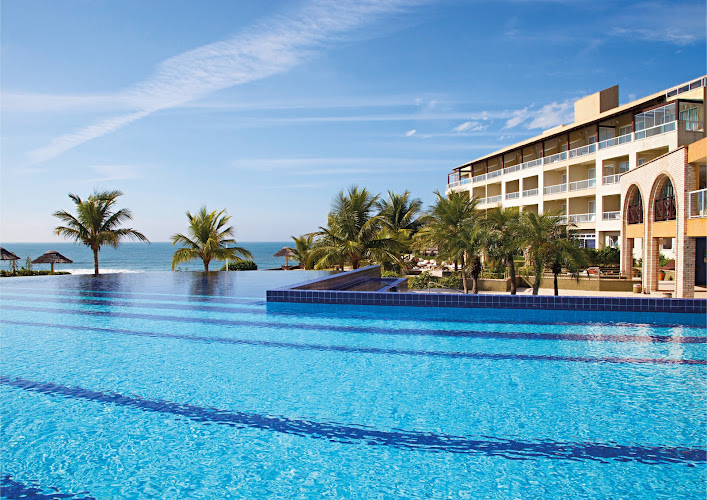
Costão do Santinho Resort sits on one of Brazil's most stunning stretches of coastline, and honestly, calling it just a resort feels like underselling what this place really offers. This is the kind of destination where you can actually disconnect from the chaos of everyday life while still having access to pretty much everything you'd want in a beach vacation. The property sprawls across a massive area that includes not just the hotel buildings themselves but also archaeological sites with indigenous rock carvings that date back thousands of years—which is something you definitely don't find at your typical beach resort. I've always believed that the best resorts are the ones that don't try too hard to be everything to everyone, and this place manages to strike that balance surprisingly well. You get the all-inclusive convenience without feeling like you're trapped in a tourist bubble. The resort faces the Atlantic Ocean with direct beach access, and the natural landscape around it remains largely untouched, giving you that authentic Brazilian coastal experience that's becoming harder to find as development continues along the country's shoreline. What really sets Costão do Santinho apart from other beach destinations in southern Brazil is how it manages to cater to families, couples, and solo travelers without making any group feel like an afterthought. The resort's design incorporates traditional Azorean architecture—reflecting the Portuguese heritage of Florianópolis—with modern amenities that actually work. And trust me, that's not always a given at resort properties.Key Features
The standout features at Costão do Santinho Resort include: • Seven distinct restaurants serving everything from traditional Brazilian cuisine to international dishes, meaning you won't get that dreaded resort food fatigue after a few days • Multiple swimming pools scattered throughout the property, including heated options for those cooler southern Brazilian days when the ocean feels a bit too brisk • A full-service spa offering treatments that incorporate local ingredients and techniques—this isn't your cookie-cutter resort spa menu • Direct access to two beaches (Costão and Santinho), giving you options depending on wave conditions and your mood • Golf driving range for those who can't leave their clubs at home, though let's be honest, the beach views might distract from your swing • Water sports center with equipment and instruction for surfing, stand-up paddleboarding, kayaking, and other ocean activities • Kids' club with supervised activities, which parents consistently mention as being genuinely engaging rather than just a glorified babysitting service • Tennis courts, soccer fields, and volleyball areas for the athletically inclined • On-site archaeological sites featuring indigenous rock art dating back approximately 5,000 years, protected by Brazil's national heritage program • Complimentary parking and Wi-Fi throughout the property—seems basic, but you'd be surprised how many upscale resorts still charge for these • Fitness center with ocean views that actually make those morning workouts less painfulBest Time to Visit
Here's where things get interesting, because the "best" time really depends on what kind of experience you're after. The peak summer months from December through March bring warm temperatures (around 25-30°C) and the liveliest atmosphere, but they also bring the crowds and higher prices. If you've got school-age kids, you're probably stuck with these months anyway, and honestly, the resort handles the volume pretty well. But here's what I think more travelers should consider: visiting during the shoulder seasons of April-May or September-November. The weather remains pleasant—maybe a bit cooler for swimming, but the heated pools solve that problem—and you'll find significantly fewer people competing for beach chairs and restaurant reservations. The ocean temperature hovers around 20-22°C during these months, which isn't exactly bath-water warm, but it's perfectly swimmable if you're not the type who needs tropical water temps. Winter months (June through August) see temperatures drop to around 15-20°C, and while that might sound chilly for a beach vacation, this period offers its own advantages. Room rates drop considerably, the resort feels almost private with fewer guests, and the cooler weather is actually perfect for hiking the trails around the property and exploring the archaeological sites without working up a sweat. Plus, the spa treatments feel extra indulgent when there's a crisp breeze outside. One thing to keep in mind: southern Brazil doesn't follow the same weather patterns as Rio or the Northeast. Rain can happen any month, though June and July tend to be the wettest. But these are usually short afternoon showers rather than all-day washouts.How to Get There
Getting to Costão do Santinho requires a bit more effort than some other Brazilian beach destinations, but that's partly why it maintains its appeal. The nearest airport is Florianópolis International Airport (Hercílio Luz), which sits on the island of Santa Catarina. Most travelers fly into São Paulo or Rio first, then catch a connecting flight—the domestic flight takes about an hour from São Paulo. Once you land in Florianópolis, you're looking at roughly a 40-minute drive to the resort, depending on traffic conditions. The resort offers transfer services for a fee, which honestly makes sense for first-time visitors who might find the local roads a bit confusing. Taxis and ride-sharing services are available at the airport, though prices can vary wildly depending on the time of day and season. If you're driving yourself (rental cars are available at the airport), take the SC-401 highway north toward the beach areas. The roads are generally well-maintained, but Brazilian driving culture takes some getting used to if you're not familiar with it. GPS works reliably in this area, which wasn't always the case even five years ago. Some visitors arrive via bus from other parts of southern Brazil, particularly from Curitiba or Porto Alegre. Long-distance buses in Brazil are typically comfortable and affordable, but add several hours to your journey. From Florianópolis's main bus terminal, you'll still need local transportation to reach the resort.Tips for Visiting
After talking with folks who've stayed here and looking at what tends to make or break a visit, here are some practical insights that don't usually make it into the glossy brochures. First off, understand what "all-inclusive" means at this particular resort. While meals and basic drinks are covered, premium alcoholic beverages cost extra, as do certain specialty restaurants and spa treatments. This isn't unusual, but it's worth clarifying at check-in exactly what your package includes to avoid any surprise charges later. Bring multiple forms of sun protection because the southern Brazilian sun is no joke, even when the air temperature feels moderate. The combination of ocean reflection and relatively clean air means you'll burn faster than you might expect. And speaking of burning, insect repellent is essential for evening walks, particularly during warmer months. The resort property is enormous—like, genuinely huge—so comfortable walking shoes are a must. You might be tempted to pack only flip-flops and sandals, but trust me, your feet will thank you for bringing proper shoes. Some guests mention the distances between rooms and facilities as a drawback, but I'd argue it's part of the resort's charm that everything isn't crammed together. Book spa treatments and any specialty restaurant reservations as soon as you arrive, especially during high season. These fill up quickly, and showing up hoping for availability usually leads to disappointment. The concierge can help with this during check-in. Don't skip the archaeological site tours. Yes, they're included, and yes, you might think "how interesting can some old rock carvings really be?" But these sites offer genuine historical context for the region and provide a nice break from beach-pool-restaurant routine. The guides are typically knowledgeable and passionate about the indigenous history. Portuguese is the primary language, and while staff at the front desk and main restaurants speak English, don't expect everyone to be fluent. Learning a few basic Portuguese phrases goes a long way and locals genuinely appreciate the effort. Download a translation app before arriving since Wi-Fi, while free, isn't always super reliable in all areas of the property. For families with young children, request rooms closer to the kids' club and family pool area—it'll save you considerable walking with tired little ones. The resort can accommodate these requests if you mention them when booking. Water quality from taps is generally safe for brushing teeth, but most visitors stick to bottled water for drinking. The resort provides bottled water in rooms, which is standard practice throughout Brazil. Finally, manage your expectations about service speed. Brazilian culture operates at a different pace than North America or Europe, and this extends to restaurant service and housekeeping. It's not about poor service—it's just a cultural difference. Embrace the slower rhythm and you'll enjoy your stay much more than if you're constantly checking your watch.Key Features
- Key Features
- Best Time to Visit
- How to Get There
- Tips for Visiting
More Details
Updated January 18, 2026
Table of Contents
Description
Costão do Santinho Resort sits on one of Brazil’s most stunning stretches of coastline, and honestly, calling it just a resort feels like underselling what this place really offers. This is the kind of destination where you can actually disconnect from the chaos of everyday life while still having access to pretty much everything you’d want in a beach vacation. The property sprawls across a massive area that includes not just the hotel buildings themselves but also archaeological sites with indigenous rock carvings that date back thousands of years—which is something you definitely don’t find at your typical beach resort.
I’ve always believed that the best resorts are the ones that don’t try too hard to be everything to everyone, and this place manages to strike that balance surprisingly well. You get the all-inclusive convenience without feeling like you’re trapped in a tourist bubble. The resort faces the Atlantic Ocean with direct beach access, and the natural landscape around it remains largely untouched, giving you that authentic Brazilian coastal experience that’s becoming harder to find as development continues along the country’s shoreline.
What really sets Costão do Santinho apart from other beach destinations in southern Brazil is how it manages to cater to families, couples, and solo travelers without making any group feel like an afterthought. The resort’s design incorporates traditional Azorean architecture—reflecting the Portuguese heritage of Florianópolis—with modern amenities that actually work. And trust me, that’s not always a given at resort properties.
Key Features
The standout features at Costão do Santinho Resort include:
• Seven distinct restaurants serving everything from traditional Brazilian cuisine to international dishes, meaning you won’t get that dreaded resort food fatigue after a few days
• Multiple swimming pools scattered throughout the property, including heated options for those cooler southern Brazilian days when the ocean feels a bit too brisk
• A full-service spa offering treatments that incorporate local ingredients and techniques—this isn’t your cookie-cutter resort spa menu
• Direct access to two beaches (Costão and Santinho), giving you options depending on wave conditions and your mood
• Golf driving range for those who can’t leave their clubs at home, though let’s be honest, the beach views might distract from your swing
• Water sports center with equipment and instruction for surfing, stand-up paddleboarding, kayaking, and other ocean activities
• Kids’ club with supervised activities, which parents consistently mention as being genuinely engaging rather than just a glorified babysitting service
• Tennis courts, soccer fields, and volleyball areas for the athletically inclined
• On-site archaeological sites featuring indigenous rock art dating back approximately 5,000 years, protected by Brazil’s national heritage program
• Complimentary parking and Wi-Fi throughout the property—seems basic, but you’d be surprised how many upscale resorts still charge for these
• Fitness center with ocean views that actually make those morning workouts less painful
Best Time to Visit
Here’s where things get interesting, because the “best” time really depends on what kind of experience you’re after. The peak summer months from December through March bring warm temperatures (around 25-30°C) and the liveliest atmosphere, but they also bring the crowds and higher prices. If you’ve got school-age kids, you’re probably stuck with these months anyway, and honestly, the resort handles the volume pretty well.
But here’s what I think more travelers should consider: visiting during the shoulder seasons of April-May or September-November. The weather remains pleasant—maybe a bit cooler for swimming, but the heated pools solve that problem—and you’ll find significantly fewer people competing for beach chairs and restaurant reservations. The ocean temperature hovers around 20-22°C during these months, which isn’t exactly bath-water warm, but it’s perfectly swimmable if you’re not the type who needs tropical water temps.
Winter months (June through August) see temperatures drop to around 15-20°C, and while that might sound chilly for a beach vacation, this period offers its own advantages. Room rates drop considerably, the resort feels almost private with fewer guests, and the cooler weather is actually perfect for hiking the trails around the property and exploring the archaeological sites without working up a sweat. Plus, the spa treatments feel extra indulgent when there’s a crisp breeze outside.
One thing to keep in mind: southern Brazil doesn’t follow the same weather patterns as Rio or the Northeast. Rain can happen any month, though June and July tend to be the wettest. But these are usually short afternoon showers rather than all-day washouts.
How to Get There
Getting to Costão do Santinho requires a bit more effort than some other Brazilian beach destinations, but that’s partly why it maintains its appeal. The nearest airport is Florianópolis International Airport (Hercílio Luz), which sits on the island of Santa Catarina. Most travelers fly into São Paulo or Rio first, then catch a connecting flight—the domestic flight takes about an hour from São Paulo.
Once you land in Florianópolis, you’re looking at roughly a 40-minute drive to the resort, depending on traffic conditions. The resort offers transfer services for a fee, which honestly makes sense for first-time visitors who might find the local roads a bit confusing. Taxis and ride-sharing services are available at the airport, though prices can vary wildly depending on the time of day and season.
If you’re driving yourself (rental cars are available at the airport), take the SC-401 highway north toward the beach areas. The roads are generally well-maintained, but Brazilian driving culture takes some getting used to if you’re not familiar with it. GPS works reliably in this area, which wasn’t always the case even five years ago.
Some visitors arrive via bus from other parts of southern Brazil, particularly from Curitiba or Porto Alegre. Long-distance buses in Brazil are typically comfortable and affordable, but add several hours to your journey. From Florianópolis’s main bus terminal, you’ll still need local transportation to reach the resort.
Tips for Visiting
After talking with folks who’ve stayed here and looking at what tends to make or break a visit, here are some practical insights that don’t usually make it into the glossy brochures.
First off, understand what “all-inclusive” means at this particular resort. While meals and basic drinks are covered, premium alcoholic beverages cost extra, as do certain specialty restaurants and spa treatments. This isn’t unusual, but it’s worth clarifying at check-in exactly what your package includes to avoid any surprise charges later.
Bring multiple forms of sun protection because the southern Brazilian sun is no joke, even when the air temperature feels moderate. The combination of ocean reflection and relatively clean air means you’ll burn faster than you might expect. And speaking of burning, insect repellent is essential for evening walks, particularly during warmer months.
The resort property is enormous—like, genuinely huge—so comfortable walking shoes are a must. You might be tempted to pack only flip-flops and sandals, but trust me, your feet will thank you for bringing proper shoes. Some guests mention the distances between rooms and facilities as a drawback, but I’d argue it’s part of the resort’s charm that everything isn’t crammed together.
Book spa treatments and any specialty restaurant reservations as soon as you arrive, especially during high season. These fill up quickly, and showing up hoping for availability usually leads to disappointment. The concierge can help with this during check-in.
Don’t skip the archaeological site tours. Yes, they’re included, and yes, you might think “how interesting can some old rock carvings really be?” But these sites offer genuine historical context for the region and provide a nice break from beach-pool-restaurant routine. The guides are typically knowledgeable and passionate about the indigenous history.
Portuguese is the primary language, and while staff at the front desk and main restaurants speak English, don’t expect everyone to be fluent. Learning a few basic Portuguese phrases goes a long way and locals genuinely appreciate the effort. Download a translation app before arriving since Wi-Fi, while free, isn’t always super reliable in all areas of the property.
For families with young children, request rooms closer to the kids’ club and family pool area—it’ll save you considerable walking with tired little ones. The resort can accommodate these requests if you mention them when booking.
Water quality from taps is generally safe for brushing teeth, but most visitors stick to bottled water for drinking. The resort provides bottled water in rooms, which is standard practice throughout Brazil.
Finally, manage your expectations about service speed. Brazilian culture operates at a different pace than North America or Europe, and this extends to restaurant service and housekeeping. It’s not about poor service—it’s just a cultural difference. Embrace the slower rhythm and you’ll enjoy your stay much more than if you’re constantly checking your watch.
Key Highlights
- Key Features
- Best Time to Visit
- How to Get There
- Tips for Visiting
Location
Places to Stay Near Costão do Santinho Resort
Find and Book a Tour
Explore More Travel Guides
No reviews found! Be the first to review!
Traveler Reviews for Costão do Santinho Resort
There are no reviews yet. Be the first one to write one.
Have you visited Costão do Santinho Resort? Help other travelers by sharing your review.
Find Accommodations Nearby
Recommended Tours & Activities
Visitor Reviews
There are no reviews yet. Be the first one to write one.
Share Your Experience
Have you visited Costão do Santinho Resort? Help other travelers by leaving a review.
