
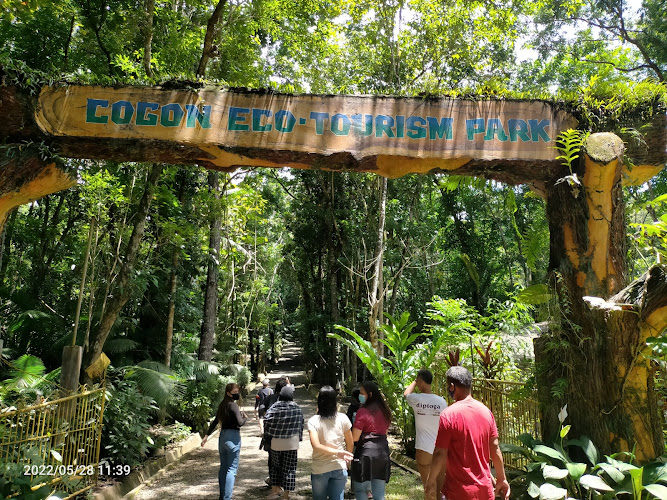
Cogon Eco-Tourism Park
About Cogon Eco-Tourism Park
Description
[Cogon Eco Park started as an ambitious reforestation project in 1952](https://www.vigattintourism.com/tourism/articles/Cogon-Eco-Park), transforming 344 hectares into what's now one of Dipolog City's most cherished natural sanctuaries. I've gotta tell ya, this place is seriously impressive - imagine stepping into a living, breathing classroom of Philippine biodiversity! The park has evolved way beyond its humble beginnings to become this amazing green space where nature and recreation come together perfectly. What really gets me excited about this place is how it manages to balance conservation with visitor enjoyment. [The park features a fascinating Subanen Village, where you can actually meet indigenous people who still call this place home](https://mydipolog.wordpress.com/). And lemme tell you about the wildlife - they're developing this cool aviary that'll house all sorts of bird species, plus they've got these well-maintained enclosures for various local wildlife.Key Features
• Sprawling 344-hectare forest reserve with diverse local flora • Traditional Subanen Village showcasing indigenous culture • Developing aviary and wildlife observation areas • Well-maintained hiking trails for various skill levels • Educational nature exhibits and programs • Family-friendly recreational areas • Stunning viewpoints for photography • Protected wildlife habitats • Clean picnic spots and rest areas • Cultural performance spacesBest Time to Visit
I've found that the sweet spot for visiting is during the dry season, between November and May. The trails are less muddy then, and you'll have clearer skies for those Instagram-worthy nature shots. Early mornings, like 7-9 AM, are absolutely magical here - the air is crisp, the birds are super active, and you might catch some amazing morning mist over the forest. If you're into wildlife watching (and trust me, you should be!), this is prime time to spot various species going about their morning routines. Weekdays tend to be quieter, which is perfect if you're looking to really soak in the tranquility of the place. But honestly? Even on weekends when it's busier, the park is big enough that you can always find your own peaceful corner.How to Get There
Getting to Cogon Eco Park is pretty straightforward, especially if you're coming from downtown Dipolog. You can grab a tricycle or habal-habal (motorcycle taxi) from the city center - just make sure to agree on the price beforehand. If you're driving, the roads are well-maintained and signposted, though some sections get a bit winding as you head up into the forest area. From the Dipolog Airport, it's about a 30-minute drive. I usually recommend downloading an offline map before heading out, cause mobile signal can be a bit spotty in some areas. And hey, part of the adventure is the journey itself - the route offers some pretty sweet views of the surrounding landscape!Tips for Visiting
Okay, so here's the real deal - I've been here multiple times, and I've picked up some practical tips that'll make your visit way better. First off, wear proper shoes! I learned this the hard way - those nature trails can get slippery, especially after rain. Bring a refillable water bottle cause staying hydrated is super important in our tropical climate. If you're into photography (even just with your phone), morning light creates this gorgeous effect through the trees. Pack some snacks - while there are usually some vendors around, having your own supply means you can trek longer without worrying about food. Bug spray is your best friend here - trust me on this one! And even though lots of areas are shaded, don't skip the sunscreen. The sun can still get pretty intense through the canopy. Oh, and bring a small backpack for your stuff - you'll want your hands free to explore and take pictures. I always tell my friends to set aside at least 3-4 hours to really experience the park properly. There's so much to see, and rushing through would be a shame. Also, consider hiring a local guide - they know all these hidden spots and can tell you fascinating stories about the park's history and the Subanen culture. The park keeps evolving with new additions and improvements, but what stays constant is its role as this amazing green sanctuary. Whether you're a nature enthusiast, a cultural explorer, or just someone looking to escape the city buzz, you'll find your own special connection to this place. Just remember to respect the environment and the local communities - we want to keep this paradise pristine for future generations to enjoy!Key Features
- Key Features
- Best Time to Visit
- How to Get There
- Tips for Visiting
More Details
Updated June 14, 2025
Table of Contents
Description
[Cogon Eco Park started as an ambitious reforestation project in 1952](https://www.vigattintourism.com/tourism/articles/Cogon-Eco-Park), transforming 344 hectares into what’s now one of Dipolog City’s most cherished natural sanctuaries. I’ve gotta tell ya, this place is seriously impressive – imagine stepping into a living, breathing classroom of Philippine biodiversity! The park has evolved way beyond its humble beginnings to become this amazing green space where nature and recreation come together perfectly.
What really gets me excited about this place is how it manages to balance conservation with visitor enjoyment. [The park features a fascinating Subanen Village, where you can actually meet indigenous people who still call this place home](https://mydipolog.wordpress.com/). And lemme tell you about the wildlife – they’re developing this cool aviary that’ll house all sorts of bird species, plus they’ve got these well-maintained enclosures for various local wildlife.
Key Features
• Sprawling 344-hectare forest reserve with diverse local flora
• Traditional Subanen Village showcasing indigenous culture
• Developing aviary and wildlife observation areas
• Well-maintained hiking trails for various skill levels
• Educational nature exhibits and programs
• Family-friendly recreational areas
• Stunning viewpoints for photography
• Protected wildlife habitats
• Clean picnic spots and rest areas
• Cultural performance spaces
Best Time to Visit
I’ve found that the sweet spot for visiting is during the dry season, between November and May. The trails are less muddy then, and you’ll have clearer skies for those Instagram-worthy nature shots. Early mornings, like 7-9 AM, are absolutely magical here – the air is crisp, the birds are super active, and you might catch some amazing morning mist over the forest. If you’re into wildlife watching (and trust me, you should be!), this is prime time to spot various species going about their morning routines.
Weekdays tend to be quieter, which is perfect if you’re looking to really soak in the tranquility of the place. But honestly? Even on weekends when it’s busier, the park is big enough that you can always find your own peaceful corner.
How to Get There
Getting to Cogon Eco Park is pretty straightforward, especially if you’re coming from downtown Dipolog. You can grab a tricycle or habal-habal (motorcycle taxi) from the city center – just make sure to agree on the price beforehand. If you’re driving, the roads are well-maintained and signposted, though some sections get a bit winding as you head up into the forest area.
From the Dipolog Airport, it’s about a 30-minute drive. I usually recommend downloading an offline map before heading out, cause mobile signal can be a bit spotty in some areas. And hey, part of the adventure is the journey itself – the route offers some pretty sweet views of the surrounding landscape!
Tips for Visiting
Okay, so here’s the real deal – I’ve been here multiple times, and I’ve picked up some practical tips that’ll make your visit way better. First off, wear proper shoes! I learned this the hard way – those nature trails can get slippery, especially after rain. Bring a refillable water bottle cause staying hydrated is super important in our tropical climate.
If you’re into photography (even just with your phone), morning light creates this gorgeous effect through the trees. Pack some snacks – while there are usually some vendors around, having your own supply means you can trek longer without worrying about food.
Bug spray is your best friend here – trust me on this one! And even though lots of areas are shaded, don’t skip the sunscreen. The sun can still get pretty intense through the canopy. Oh, and bring a small backpack for your stuff – you’ll want your hands free to explore and take pictures.
I always tell my friends to set aside at least 3-4 hours to really experience the park properly. There’s so much to see, and rushing through would be a shame. Also, consider hiring a local guide – they know all these hidden spots and can tell you fascinating stories about the park’s history and the Subanen culture.
The park keeps evolving with new additions and improvements, but what stays constant is its role as this amazing green sanctuary. Whether you’re a nature enthusiast, a cultural explorer, or just someone looking to escape the city buzz, you’ll find your own special connection to this place. Just remember to respect the environment and the local communities – we want to keep this paradise pristine for future generations to enjoy!
Key Highlights
- Key Features
- Best Time to Visit
- How to Get There
- Tips for Visiting
Location
Places to Stay Near Cogon Eco-Tourism Park
Find and Book a Tour
Explore More Travel Guides
No reviews found! Be the first to review!
Traveler Reviews for Cogon Eco-Tourism Park
There are no reviews yet. Be the first one to write one.
Have you visited Cogon Eco-Tourism Park? Help other travelers by sharing your review.
You Might Also Like
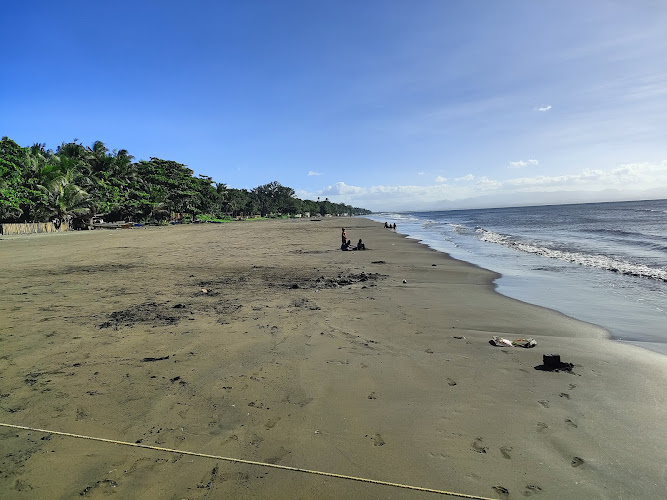
Sicayab beach
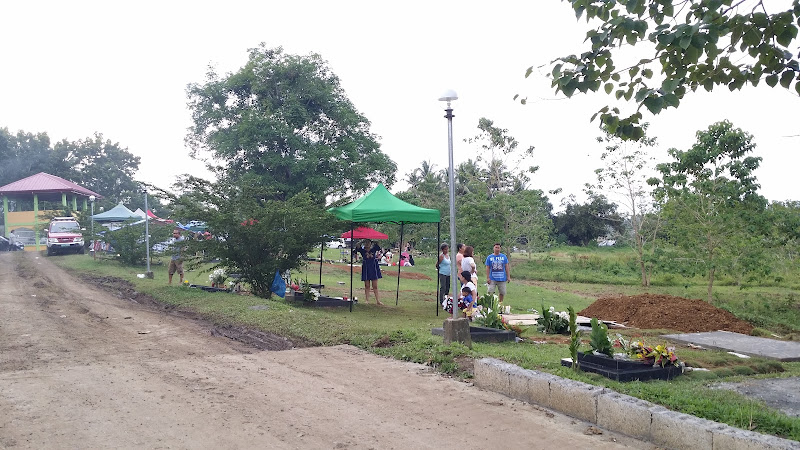
Dipolog Memorial Garden
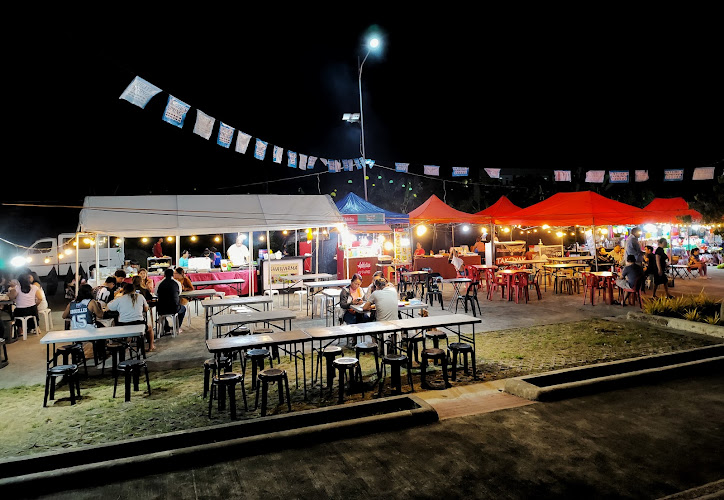
Dipolog City River Park
Find Accommodations Nearby
Recommended Tours & Activities
Visitor Reviews
There are no reviews yet. Be the first one to write one.
Share Your Experience
Have you visited Cogon Eco-Tourism Park? Help other travelers by leaving a review.