

Cihu Mausoleum
About Cihu Mausoleum
Description
The Cihu Mausoleum stands as one of Taiwan's most significant historical monuments, a place where politics, history, and natural beauty converge in unexpected ways. This tranquil site serves as the final resting place of Chiang Kai-shek, the controversial leader who shaped modern Taiwan's trajectory for decades. But honestly, calling it just a mausoleum doesn't quite capture the full experience – it's more like stepping into a carefully preserved moment of Taiwan's complex past, set against a backdrop that's genuinely peaceful. I remember my first visit there, expecting something heavy and solemn (which it partly is), but also finding these gorgeous lake views that somehow made the whole experience feel less like a history lesson and more like a contemplative walk through time. The grounds surrounding the mausoleum are maintained with almost obsessive care, and you'll notice how the entire area seems to exist in this quiet bubble away from modern Taiwan's hustle. What makes Cihu particularly fascinating is how it embodies Taiwan's ongoing conversation with its own history. You've got this monument to a figure who remains deeply divisive – some view him as Taiwan's savior while others see him as an authoritarian ruler – yet the site itself is managed with respect and dignity regardless of where you stand politically. And honestly, that complexity makes it worth visiting even if you're not a huge history buff. The lakeside setting genuinely enhances the experience. There's something about water that makes people reflective (pun intended), and the designers clearly knew what they were doing when they chose this location. The mausoleum itself isn't enormous or ostentatious like you might expect – it's actually relatively modest considering Chiang's stature, which some visitors find surprising.Key Features
The Cihu Mausoleum offers travelers several distinctive elements that make it worth the journey:- Hourly Guard Changing Ceremony – The ceremonial changing of the guard happens every hour on the hour, and it's genuinely impressive. These guards move with precision that would make the Buckingham Palace folks nod in approval. The ceremony typically lasts about 10-15 minutes and draws crowds, so arriving a bit early gives you better viewing positions.
- Peaceful Lakeside Setting – The surrounding lake creates an atmosphere that's miles away from typical tourist attractions. Early morning visits especially reward you with mist rolling off the water and a serenity that's increasingly rare in modern Taiwan.
- Well-Maintained Gardens – The landscaping here deserves recognition. Manicured lawns, seasonal flowers, and walking paths that invite exploration make this more than just a quick stop-and-photo destination.
- Complete Wheelchair Accessibility – Both the entrance and parking areas accommodate wheelchair users, which unfortunately isn't always the case at Taiwan's historical sites. The pathways are smooth and well-paved throughout.
- Chiang Kai-shek Statue Collection – Here's something many visitors don't expect: nearby you'll find an outdoor collection of Chiang Kai-shek statues that were removed from various locations across Taiwan. It's this surreal sculpture garden with dozens of identical-yet-different bronze figures, creating this almost art installation vibe that photographers absolutely love.
- Free Parking Options – Both free and paid parking are available depending on where you end up, which is helpful for budget-conscious travelers.
- Family-Friendly Environment – The grounds are safe for children, with open spaces where kids can move around without disturbing the solemn atmosphere of the actual mausoleum building.
- Educational Value – Informational displays provide context about Taiwan's modern history, though admittedly the English translations could use some work in places.
Best Time to Visit
Timing your visit to Cihu Mausoleum can dramatically affect your experience, and I've learned this through some trial and error over multiple visits. Spring, particularly March through May, offers the most comfortable weather conditions. You're not battling the oppressive summer heat that Taiwan's famous for, and the gardens are typically bursting with seasonal blooms. The temperatures hover around 20-25°C (68-77°F), making those lakeside walks genuinely pleasant rather than a sweaty ordeal. Autumn – September through November – runs a close second. The crowds thin out compared to spring, and you get these crisp days that make the lake views even more spectacular. I've found October particularly lovely when the occasional cool breeze reminds you that Taiwan does actually have seasons beyond "hot" and "really hot." But here's where things get interesting: if you're willing to brave Taiwan's summer humidity (June through August), you'll encounter far fewer tourists. Just bring water, wear a hat, and plan your visit for early morning or late afternoon. The summer light creates different photographic opportunities too, with that golden hour glow hitting the lake just right. Winter visits (December through February) can be surprisingly chilly, especially with wind coming off the water. But the upside? Practically empty grounds on weekdays. If you prefer contemplative solitude over perfect weather, winter weekday mornings are magical. Regarding time of day, arriving around 9-10 AM on weekdays gives you that sweet spot between "too early to function" and "overwhelmed by tour groups." Weekends naturally draw more visitors, particularly Taiwanese families and domestic tour groups. The changing of the guard ceremonies happen every hour from opening until closing, so you're not locked into one specific time, though the 10 AM and 2 PM ceremonies typically draw the biggest crowds. Avoid major Taiwanese holidays like Lunar New Year or National Day if you're not fond of crowds. The site becomes significantly busier during these periods, and parking can become genuinely challenging.How to Get There
Getting to Cihu Mausoleum requires some planning since it's not exactly in the middle of Taipei's convenient metro system. The mausoleum sits in Taoyuan's Daxi District, which means you're looking at roughly an hour's journey from Taipei, maybe more depending on traffic and your chosen transportation method. By car, you've got the most flexibility. Take National Highway 3 and exit at Daxi. From there, follow the signs toward Cihu – they're reasonably well-marked, though having GPS or Google Maps running helps since some turns aren't immediately obvious. The drive from Taoyuan city center takes about 30-40 minutes. Parking is available on-site, and like I mentioned earlier, you've got both free and paid options depending on where you end up in the parking areas. Public transportation is doable but requires patience. From Taipei, take a train to Taoyuan Railway Station, then catch a bus toward Daxi. The 5098 bus route serves the area, though schedules can be sporadic – we're talking every hour or so rather than every 15 minutes. Once you reach Daxi, you'll need either a taxi or another local bus to reach Cihu itself. Honestly, this option works better if you're already staying in Taoyuan or if you're combining it with other Daxi area attractions. The most practical approach for most international travelers involves either renting a car or booking a day tour that includes Cihu among several stops. Many Taipei-based tour operators offer half-day or full-day trips that combine Cihu Mausoleum with nearby attractions like the Daxi Old Street, which makes logistical sense since you're already making the trek out there. Taxis from Taoyuan are an option, though you'll want to negotiate the fare beforehand or ensure the meter's running. The ride costs somewhere in the 500-700 TWD range depending on your starting point, and arranging for the driver to wait or return for pickup can simplify your visit.Tips for Visiting
Respectful attire matters here more than at many Taiwan tourist spots. You don't need formal clothing, but shorts, tank tops, and beachwear feel out of place given the site's significance. Think casual but covered – regular jeans or comfortable pants with a collared shirt works perfectly fine. Photography is allowed and even encouraged in most areas, but use common sense. During the actual changing of the guard ceremony, flash photography can be distracting, and stepping into the ceremony space for that perfect Instagram shot isn't cool. The guards take their duty seriously, and so do many local visitors. Plan at least an hour and a half for your visit, maybe two if you want to explore the statue collection thoroughly and take your time by the lake. Rushing through defeats the whole purpose – this isn't a check-box attraction but rather a place that rewards slower exploration. Bring insect repellent during warmer months. The lakeside location means mosquitoes consider you a moving buffet, especially during dawn or dusk visits. I learned this the hard way during one summer visit when I left looking like I'd contracted some exotic disease. Food and drink options near the mausoleum itself are limited. There's some vending machines but don't expect a cafe or restaurant on-site. The nearby Daxi area has plenty of food options though, so planning a meal either before or after makes sense. And actually, Daxi Old Street is worth exploring for its traditional snacks and food vendors. English signage exists but isn't comprehensive everywhere. A translation app on your phone helps fill in gaps, especially for the historical context displays. Better yet, reading up on Chiang Kai-shek and Taiwan's modern history before visiting adds layers of understanding that make the experience more meaningful. If you're visiting with children, the guard ceremony usually holds their attention pretty well, but the mausoleum itself might not fascinate younger kids beyond a few minutes. The surrounding gardens give them space to move around though, and many families I've seen use it as more of a park visit with an educational component. Weather can change quickly, particularly in the mountains. Even if Taipei looks sunny, bring a light jacket or umbrella. The area around Cihu sits at slightly higher elevation and seems to generate its own weather patterns sometimes. Weekday mornings remain your best bet for a contemplative experience. Weekend afternoons transform the place into something more crowded and rushed. If you're after photographs without random strangers in every frame or you want that peaceful atmosphere people associate with mausoleums, timing matters significantly. Consider combining Cihu with other Daxi area attractions. The old street I mentioned offers traditional Taiwanese architecture and food, and there are some nice temples in the area too. Making a full day trip rather than rushing just for Cihu gives you better value for the travel time invested. Lastly, approach the site with an open mind about Taiwan's complex history. Chiang Kai-shek evokes strong feelings, and you'll encounter both reverence and criticism in Taiwan's ongoing dialogue about his legacy. The mausoleum itself presents one perspective, but understanding the fuller context – both positive and negative – enriches what you're seeing. And honestly, that's what makes historical sites interesting rather than just pretty buildings surrounded by nice gardens.Key Features
- Mausoleum and formal memorial architecture dedicated to Chiang Kai-shek
- Nearly 300 bronze statues of Chiang Kai-shek displayed in a sculpture park
- Chiang’s former residence and landscaped gardens overlooking Cihu (Mercy Lake)
- Scenic walking trails and lookout points with lake and hillside views
- Educational displays and historical context about Taiwan’s modern history
More Details
Updated January 17, 2026
Description
The Cihu Mausoleum stands as one of Taiwan’s most significant historical monuments, a place where politics, history, and natural beauty converge in unexpected ways. This tranquil site serves as the final resting place of Chiang Kai-shek, the controversial leader who shaped modern Taiwan’s trajectory for decades. But honestly, calling it just a mausoleum doesn’t quite capture the full experience – it’s more like stepping into a carefully preserved moment of Taiwan’s complex past, set against a backdrop that’s genuinely peaceful.
I remember my first visit there, expecting something heavy and solemn (which it partly is), but also finding these gorgeous lake views that somehow made the whole experience feel less like a history lesson and more like a contemplative walk through time. The grounds surrounding the mausoleum are maintained with almost obsessive care, and you’ll notice how the entire area seems to exist in this quiet bubble away from modern Taiwan’s hustle.
What makes Cihu particularly fascinating is how it embodies Taiwan’s ongoing conversation with its own history. You’ve got this monument to a figure who remains deeply divisive – some view him as Taiwan’s savior while others see him as an authoritarian ruler – yet the site itself is managed with respect and dignity regardless of where you stand politically. And honestly, that complexity makes it worth visiting even if you’re not a huge history buff.
The lakeside setting genuinely enhances the experience. There’s something about water that makes people reflective (pun intended), and the designers clearly knew what they were doing when they chose this location. The mausoleum itself isn’t enormous or ostentatious like you might expect – it’s actually relatively modest considering Chiang’s stature, which some visitors find surprising.
Key Features
The Cihu Mausoleum offers travelers several distinctive elements that make it worth the journey:
- Hourly Guard Changing Ceremony – The ceremonial changing of the guard happens every hour on the hour, and it’s genuinely impressive. These guards move with precision that would make the Buckingham Palace folks nod in approval. The ceremony typically lasts about 10-15 minutes and draws crowds, so arriving a bit early gives you better viewing positions.
- Peaceful Lakeside Setting – The surrounding lake creates an atmosphere that’s miles away from typical tourist attractions. Early morning visits especially reward you with mist rolling off the water and a serenity that’s increasingly rare in modern Taiwan.
- Well-Maintained Gardens – The landscaping here deserves recognition. Manicured lawns, seasonal flowers, and walking paths that invite exploration make this more than just a quick stop-and-photo destination.
- Complete Wheelchair Accessibility – Both the entrance and parking areas accommodate wheelchair users, which unfortunately isn’t always the case at Taiwan’s historical sites. The pathways are smooth and well-paved throughout.
- Chiang Kai-shek Statue Collection – Here’s something many visitors don’t expect: nearby you’ll find an outdoor collection of Chiang Kai-shek statues that were removed from various locations across Taiwan. It’s this surreal sculpture garden with dozens of identical-yet-different bronze figures, creating this almost art installation vibe that photographers absolutely love.
- Free Parking Options – Both free and paid parking are available depending on where you end up, which is helpful for budget-conscious travelers.
- Family-Friendly Environment – The grounds are safe for children, with open spaces where kids can move around without disturbing the solemn atmosphere of the actual mausoleum building.
- Educational Value – Informational displays provide context about Taiwan’s modern history, though admittedly the English translations could use some work in places.
Best Time to Visit
Timing your visit to Cihu Mausoleum can dramatically affect your experience, and I’ve learned this through some trial and error over multiple visits.
Spring, particularly March through May, offers the most comfortable weather conditions. You’re not battling the oppressive summer heat that Taiwan’s famous for, and the gardens are typically bursting with seasonal blooms. The temperatures hover around 20-25°C (68-77°F), making those lakeside walks genuinely pleasant rather than a sweaty ordeal.
Autumn – September through November – runs a close second. The crowds thin out compared to spring, and you get these crisp days that make the lake views even more spectacular. I’ve found October particularly lovely when the occasional cool breeze reminds you that Taiwan does actually have seasons beyond “hot” and “really hot.”
But here’s where things get interesting: if you’re willing to brave Taiwan’s summer humidity (June through August), you’ll encounter far fewer tourists. Just bring water, wear a hat, and plan your visit for early morning or late afternoon. The summer light creates different photographic opportunities too, with that golden hour glow hitting the lake just right.
Winter visits (December through February) can be surprisingly chilly, especially with wind coming off the water. But the upside? Practically empty grounds on weekdays. If you prefer contemplative solitude over perfect weather, winter weekday mornings are magical.
Regarding time of day, arriving around 9-10 AM on weekdays gives you that sweet spot between “too early to function” and “overwhelmed by tour groups.” Weekends naturally draw more visitors, particularly Taiwanese families and domestic tour groups. The changing of the guard ceremonies happen every hour from opening until closing, so you’re not locked into one specific time, though the 10 AM and 2 PM ceremonies typically draw the biggest crowds.
Avoid major Taiwanese holidays like Lunar New Year or National Day if you’re not fond of crowds. The site becomes significantly busier during these periods, and parking can become genuinely challenging.
How to Get There
Getting to Cihu Mausoleum requires some planning since it’s not exactly in the middle of Taipei’s convenient metro system. The mausoleum sits in Taoyuan’s Daxi District, which means you’re looking at roughly an hour’s journey from Taipei, maybe more depending on traffic and your chosen transportation method.
By car, you’ve got the most flexibility. Take National Highway 3 and exit at Daxi. From there, follow the signs toward Cihu – they’re reasonably well-marked, though having GPS or Google Maps running helps since some turns aren’t immediately obvious. The drive from Taoyuan city center takes about 30-40 minutes. Parking is available on-site, and like I mentioned earlier, you’ve got both free and paid options depending on where you end up in the parking areas.
Public transportation is doable but requires patience. From Taipei, take a train to Taoyuan Railway Station, then catch a bus toward Daxi. The 5098 bus route serves the area, though schedules can be sporadic – we’re talking every hour or so rather than every 15 minutes. Once you reach Daxi, you’ll need either a taxi or another local bus to reach Cihu itself. Honestly, this option works better if you’re already staying in Taoyuan or if you’re combining it with other Daxi area attractions.
The most practical approach for most international travelers involves either renting a car or booking a day tour that includes Cihu among several stops. Many Taipei-based tour operators offer half-day or full-day trips that combine Cihu Mausoleum with nearby attractions like the Daxi Old Street, which makes logistical sense since you’re already making the trek out there.
Taxis from Taoyuan are an option, though you’ll want to negotiate the fare beforehand or ensure the meter’s running. The ride costs somewhere in the 500-700 TWD range depending on your starting point, and arranging for the driver to wait or return for pickup can simplify your visit.
Tips for Visiting
Respectful attire matters here more than at many Taiwan tourist spots. You don’t need formal clothing, but shorts, tank tops, and beachwear feel out of place given the site’s significance. Think casual but covered – regular jeans or comfortable pants with a collared shirt works perfectly fine.
Photography is allowed and even encouraged in most areas, but use common sense. During the actual changing of the guard ceremony, flash photography can be distracting, and stepping into the ceremony space for that perfect Instagram shot isn’t cool. The guards take their duty seriously, and so do many local visitors.
Plan at least an hour and a half for your visit, maybe two if you want to explore the statue collection thoroughly and take your time by the lake. Rushing through defeats the whole purpose – this isn’t a check-box attraction but rather a place that rewards slower exploration.
Bring insect repellent during warmer months. The lakeside location means mosquitoes consider you a moving buffet, especially during dawn or dusk visits. I learned this the hard way during one summer visit when I left looking like I’d contracted some exotic disease.
Food and drink options near the mausoleum itself are limited. There’s some vending machines but don’t expect a cafe or restaurant on-site. The nearby Daxi area has plenty of food options though, so planning a meal either before or after makes sense. And actually, Daxi Old Street is worth exploring for its traditional snacks and food vendors.
English signage exists but isn’t comprehensive everywhere. A translation app on your phone helps fill in gaps, especially for the historical context displays. Better yet, reading up on Chiang Kai-shek and Taiwan’s modern history before visiting adds layers of understanding that make the experience more meaningful.
If you’re visiting with children, the guard ceremony usually holds their attention pretty well, but the mausoleum itself might not fascinate younger kids beyond a few minutes. The surrounding gardens give them space to move around though, and many families I’ve seen use it as more of a park visit with an educational component.
Weather can change quickly, particularly in the mountains. Even if Taipei looks sunny, bring a light jacket or umbrella. The area around Cihu sits at slightly higher elevation and seems to generate its own weather patterns sometimes.
Weekday mornings remain your best bet for a contemplative experience. Weekend afternoons transform the place into something more crowded and rushed. If you’re after photographs without random strangers in every frame or you want that peaceful atmosphere people associate with mausoleums, timing matters significantly.
Consider combining Cihu with other Daxi area attractions. The old street I mentioned offers traditional Taiwanese architecture and food, and there are some nice temples in the area too. Making a full day trip rather than rushing just for Cihu gives you better value for the travel time invested.
Lastly, approach the site with an open mind about Taiwan’s complex history. Chiang Kai-shek evokes strong feelings, and you’ll encounter both reverence and criticism in Taiwan’s ongoing dialogue about his legacy. The mausoleum itself presents one perspective, but understanding the fuller context – both positive and negative – enriches what you’re seeing. And honestly, that’s what makes historical sites interesting rather than just pretty buildings surrounded by nice gardens.
Key Highlights
- Mausoleum and formal memorial architecture dedicated to Chiang Kai-shek
- Nearly 300 bronze statues of Chiang Kai-shek displayed in a sculpture park
- Chiang’s former residence and landscaped gardens overlooking Cihu (Mercy Lake)
- Scenic walking trails and lookout points with lake and hillside views
- Educational displays and historical context about Taiwan’s modern history
Location
Places to Stay Near Cihu Mausoleum
Find and Book a Tour
Explore More Travel Guides
No reviews found! Be the first to review!
Traveler Reviews for Cihu Mausoleum
There are no reviews yet. Be the first one to write one.
Have you visited Cihu Mausoleum? Help other travelers by sharing your review.
Nearby Attractions
You Might Also Like

Taroko National Park

Craftsman Story House, Daxi Wood Art Ecomuseum, Taoyuan
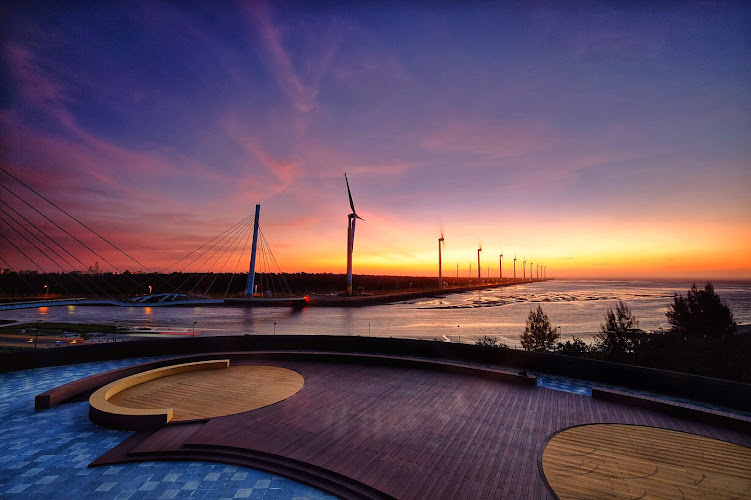
Gaomei Wetlands Visitor Center
Find Accommodations Nearby
Recommended Tours & Activities
Visitor Reviews
There are no reviews yet. Be the first one to write one.
Share Your Experience
Have you visited Cihu Mausoleum? Help other travelers by leaving a review.