
Church of the Cordeliers of Nancy
About Church of the Cordeliers of Nancy
Key Features
More Details
Updated June 11, 2025
## Church of the Cordeliers of Nancy: Gothic Necropolis of the Dukes of Lorraine
At the heart of Nancy’s old town, just off the Ducal Palace, the Church of the Cordeliers (Église des Cordeliers / Saint-François-des-Cordeliers) is one of those places that quietly explains why Lorraine mattered in European history. It looks relatively simple from the street, but inside you’re standing in the dynastic burial church of the Dukes of Lorraine, tied to the Habsburg-Lorraine line and to figures as well-known as Marie-Antoinette.
Below is a deep-dive guide for RealJourneyTravels-style readers: architecture, royal tombs, practical tips, and how to fold the church into a day exploring Nancy’s UNESCO-listed ensemble.
—
### Quick Facts
– Name: Church of the Cordeliers of Nancy (Église des Cordeliers / Saint-François-des-Cordeliers)
– Location: 66 Grande Rue, 54000 Nancy, France – along the Grande Rue in the old town, next to the Palace of the Dukes of Lorraine Tourisme
– GPS coordinates: approx. 48.697633, 6.1790269 (your given data)
– Built: Late 15th century, consecrated in 1487
– Founder: Duke René II of Lorraine, after his victory at the Battle of Nancy (1477)
– Style: Late Gothic with later Renaissance and Baroque funerary additions Tourisme
– Current role: Historic monument, part of the Musée Lorrain exhibition space and an active place of worship for certain ceremonies Lorrain
– Rating: Around 4.5–4.6/5 on major review platforms (Tripadvisor, Google) – consistent but always subject to change.
—
## Why the Church Matters in Nancy’s Story
### A “Lorraine Saint-Denis”
Local tourism boards explicitly describe the Cordeliers as “Lorraine’s Saint-Denis”, a reference to the royal necropolis of the French kings near Paris. Tourisme
– The church became the dynastic burial place of the Dukes of Lorraine and Bar from the late 15th century onwards, replacing the now-lost Collegiate Church of Saint-Georges.
– The adjacent Notre-Dame-de-Lorette chapel (often called the “Round Chapel”), built between 1609–1612 under Duke Henry II, houses the tombs and cenotaphs of many princes of the ducal family. A Grave
You’re not just in a parish church; you’re in a political statement in stone: a space designed to anchor ducal legitimacy, piety, and lineage right next to their palace.
### Habsburg-Lorraine Connections
The site also acts as a bridge to broader European history:
– Members of the House of Lorraine, later Habsburg-Lorraine, are commemorated here.
– Marie-Antoinette stopped at the church to pray on her way to Paris to marry the future Louis XVI, underlining the dynastic connection between Vienna, Nancy, and Versailles.
– In the 20th century, Archduke Otto von Habsburg, heir to the Austro-Hungarian throne, married here in 1951; anniversary celebrations and requiem liturgies continued the relationship between the family and the church well into the 2000s.
If you’re interested in European dynastic history, these details make the Cordeliers a quiet heavyweight compared with more “famous” churches on the standard France itinerary.
—
## Architecture: Sober Outside, Story-Rich Inside
### Exterior: A Plain Gothic Shell
From Grande Rue, the church looks austere:
– A single, relatively narrow Gothic nave (about 73 m long and 9 m wide) with a simple gabled façade. Tourisme
– A large rose window on the façade, rebuilt in a later period, featuring the arms of Lorraine. Tourisme
That restraint is typical of Franciscan Cordelier churches, where architectural simplicity supports the order’s ideals of poverty and humility.
### Interior: One Long Nave and Side Chapels
Once you step inside, the logic of the building changes:
– The single vaulted nave is flanked by collateral chapels that house important funerary monuments.
– Traces of medieval frescoes survive in one bay near the choir, hinting at how richly painted the space once was. Tourisme
– Several stained-glass fragments from the original windows are now conserved by the Musée Lorrain, so what you see today is only a part of the original decorative program. Lorrain
The overall effect is more museum-like than devotional on a quiet weekday, especially while the Ducal Palace undergoes renovation and uses the church for major exhibitions on Lorraine’s history. Lorrain
—
## Key Things to See Inside
### 1. Tombs of the Dukes of Lorraine
Along the nave and in the chapels you’ll find an array of Renaissance and Baroque tombs and cenotaphs:
– Ducal enfeus in the lateral chapels – arched wall recesses containing effigies or urns of various members of the Lorraine dynasty.
– A particularly imposing polychrome Renaissance enfeu of Duke René II on the right side of the nave, just before the choir. It suffered damage during the French Revolution but still dominates that section of the church. Moments
Trip-planning angle: many visitors rush past these monuments; if you slow down and read the plaques, you effectively get a crash course in five centuries of Lorraine’s ruling house.
### 2. The Recumbent Effigy of Philippe de Gueldres
Arguably the most affecting artwork in the church is the recumbent statue of Philippe de Gueldres, wife of Duke René II:
– Carved in stained limestone by the celebrated sculptor Ligier Richier. Moments
– Remarkably, the sculpture escaped Revolutionary destruction that damaged other tombs. Moments
For art-interested travelers, this is an excellent piece to pair with other Ligier Richier works in Lorraine, such as his transi (cadaver) sculptures in Bar-le-Duc and Saint-Mihiel.
### 3. The High Altar and Retable
The high altar area is framed by:
– A polychrome retable from 1522, representing key religious scenes and tying into the ducal iconography. Tourisme
– Surrounding wooden choir stalls with finely carved misericords, giving a strong sense of 16th- and 17th-century liturgical life in Lorraine. Lorrain
### 4. Notre-Dame-de-Lorette Chapel (Round Chapel)
Accessible from the north side of the choir, this chapel is a major highlight:
– Built 1609–1612, inspired by Italian models, particularly the Medici chapel in Florence. A Grave
– Contains tombs of the ducal family, including cenotaphs of princes of the House of Lorraine. A Grave
It’s a good place to pause and connect Nancy with other European necropolises you might know: Saint-Denis near Paris, the Habsburg burial crypts in Vienna, or the royal tombs in Kraków’s Wawel Cathedral.
—
## Visiting Today: What to Expect
> Data note: Opening hours and exhibition content can change, especially while the Ducal Palace and Musée Lorrain are being renovated. Always double-check current information via the official Nancy tourism or museum websites before you go. Tourisme
### Location & Access
– Address: 66 Grande Rue, 54000 Nancy, France (your provided address uses “Fran√ça” – this is simply “France” with character encoding issues).
– The church is immediately next to the Palace of the Dukes of Lorraine and forms part of the wider Musée Lorrain complex. Lorrain
– From Place Stanislas, it’s a short walk via Rue Saint-Georges or Grande Rue, passing through the old town. Lorrain
Public transport (as per regional tourism sources):
– Tram line 1 (Nancy’s primary line) stops at “Division de Fer”, about a 5-minute walk from the church. Lorrain
– Several local buses in the Stan network also stop nearby; routes and line numbers may change, so confirm on the current transport map or app. Lorrain
Parking:
– Paid parking is available at nearby city-centre car parks such as Place Carnot or Faubourg des Trois-Maisons; exact tariffs and regulations evolve, so check signage or the city’s parking information before leaving your vehicle. Lorrain
### Tickets & Opening Hours
– According to tourism and museum sites, the church is integrated into the Musée Lorrain visitor route, with access usually included in museum admission. Lorrain
– Some sources and recent reviews report free entry when used as an exhibition space or during certain events.
Because there is some variation between sources and over time, treat pricing and schedule details as subject to change and verify close to your travel date.
—
## Practical Tips for Your Visit
### 1. Combine with Nancy’s Old Town and Ducal Palace
The Cordeliers church is most rewarding when visited as part of a mini-circuit:
– Ducal Palace / Musée Lorrain: Shares the site; current exhibitions in the church focus on the history of the Duchies of Lorraine and Bar with paintings, sculptures, and digital projections about the city in 1611. Lorrain
– Place Stanislas and the 18th-century ensemble: A short walk away and UNESCO-listed, giving you the contrast between medieval-Renaissance ducal power and 18th-century royal urbanism.
### 2. Give Yourself Time for the Details
Plan at least 45–60 minutes inside if you’re interested in:
– Reading the tomb inscriptions (where legible).
– Studying Ligier Richier’s sculpture and the 1522 retable.
– Exploring temporary exhibitions that trace five centuries of Lorraine history using objects from the museum’s collections. Lorrain
### 3. Photography and Behavior
– Photography is generally allowed in many French historic churches without flash, but policies can change, especially when museum loans and digital installations are involved. Check posted signs or ask staff.
– This remains a consecrated space with occasional Masses and commemorations, such as an annual October Mass for the Dukes of Lorraine and Bar. Behave as you would in an active church: dress respectfully, keep voices low, and avoid intrusive photos during services.
### 4. Accessibility
Table of Contents
Key Highlights
Church of the Cordeliers of Nancy
Location
Places to Stay Near Church of the Cordeliers of Nancy"You can see interesting things inside"
Find and Book a Tour
Explore More Travel Guides
No reviews found! Be the first to review!
Traveler Reviews for Church of the Cordeliers of Nancy
There are no reviews yet. Be the first one to write one.
Have you visited Church of the Cordeliers of Nancy? Help other travelers by sharing your review.
You Might Also Like

Parc Charles III
Bergeret Building
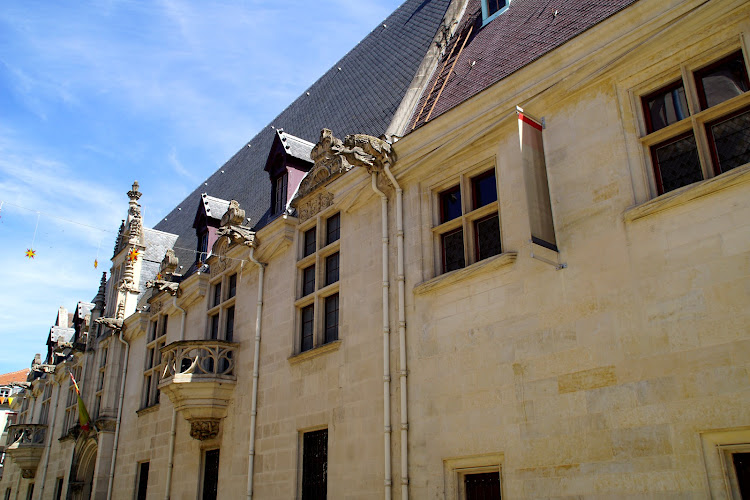
Palace of the Dukes of Lorraine – Lorraine Museum
Find Accommodations Nearby
Recommended Tours & Activities
Visitor Reviews
There are no reviews yet. Be the first one to write one.
Share Your Experience
Have you visited Church of the Cordeliers of Nancy? Help other travelers by leaving a review.