
Church Nossa Senhora dos Prazeres
About Church Nossa Senhora dos Prazeres
Key Features
More Details
Updated June 10, 2025
## Church Nossa Senhora dos Prazeres in Beja: a Baroque jewel hiding behind a plain façade
From the outside, Church Nossa Senhora dos Prazeres on Rua Abel Viana looks like many whitewashed Alentejo churches. Step through the door, and you’re suddenly standing in one of the most theatrically decorated Baroque interiors in southern Portugal – a place where gilded wood, 17th-century azulejos and a painted vault all compete for your attention. Beja
This small church also houses the Museu Episcopal de Beja, an important collection of religious art for the Baixo Alentejo region. If you’re already considering a Beja stop on an Alentejo itinerary, this should be one of the first doors you try to open.
—
## Where the church sits in Beja
– Address: R. Abel Viana 7, 7800-396 Beja, Portugal Vistas
– GPS coordinates: 38.0155435, -7.866345 (central Beja)
– Setting: an area that expanded beyond the medieval walls in the 16th century, near a breach created in the old fortifications as the town grew. Cultural
You’ll find the church a short walk from Beja’s historic core and within easy walking distance of Beja Castle and the Queen Leonor Museum, so it fits neatly into a half-day walking loop of the city.
—
## A 17th-century church with full Baroque “stage design”
The Church of Nossa Senhora dos Prazeres was built in 1672, in the late Portuguese Mannerist tradition, but its interior decoration already belongs firmly to the Baroque period. Art Virtual Museum
Architecturally, it follows a compact, carefully controlled plan:
– a quadrangular nave covered by a tunnel vault
– a narrower, lower chancel
– a semi-circular apse topped by a cupola and lantern, clearly legible from outside
Inside, though, the effect is far from restrained – every surface is used to direct your eye toward the high altar.
### Gilded woodcarving, huge canvases and azulejo storytelling
The first shock is the sheer amount of gold. The chancel and the triumphal arch are clad in elaborate talha dourada (gilded woodcarving) typical of Portuguese Baroque churches, framing large painted canvases and sculpture niches. Portugal
Along the lower walls, 17th–18th-century azulejo panels run like a storybook frieze. These tiles are associated with the Spanish-born tile painter Gabriel del Barco, one of the major names in Portuguese azulejo art, whose work in this church is dated around 1698. You’ll see:
– blue-and-white scenes with complex landscapes and architectural backdrops
– rich Baroque frames that echo the carved wood above
– a continuous narrative band, rather than isolated tile pictures
This layered combination – azulejos at eye level, paintings above, then sculptural and gilded framing – is precisely what art historians mean when they talk about Baroque “total artwork” in Portuguese churches.
### The painted barrel vault and the dome with a skylight
Look up in the nave: the tunnel vault is covered in fresco painting, a rare survival in a relatively small provincial church. Portugal The imagery is dense – angels, clouds, and scenes framed in painted architecture – and it works with the gilded frames below to create a single visual “stage”.
Move forward into the main chapel and you’ll feel the space tighten and then open again under the dome with a central skylight. Daylight falls directly onto the high altar and its image of Our Lady, emphasising the vertical axis of the church. Portugal It’s a small but very effective piece of Baroque theatre: the light is literally on the star of the show.
—
## Museu Episcopal de Beja: sacred art inside the church
The Museu Episcopal de Beja (Episcopal Museum) is installed inside the church building itself.
Key points:
– Founded in 1892 by local church authorities to prevent sacred artworks from dissolved monasteries and convents being dispersed.
– Today it is part of the Diocese of Beja’s museum network, focused on the religious and artistic heritage of Baixo Alentejo.
– Collections include paintings, sculpture, liturgical metalwork, textiles and decorative arts from churches and convents across the region.
If you’re interested in how church interiors like Nossa Senhora dos Prazeres were assembled – where the side altars came from, how processional images were used, how silverwork and vestments fit into the liturgical year – the museum adds that context in a single visit.
> ⚠️ Important: some sources from the mid-2010s mention that the museum space was not fully accessible to visitors with limited mobility and that access routes involved stairs. This information may now be outdated. If accessibility is important for your party, contact the Diocese of Beja or local tourism office before planning a visit.
—
## Practical tips for visiting
### Opening hours, tickets and how to confirm details
There is no single, consistently updated English-language source for the church and museum schedule. Official contact details are published through the Diocese of Beja and the Museum of World Network of Baroque Art listings: Art Virtual Museum
– Postal address: Largo dos Prazeres 4, 7800-475 Beja, Portugal
– Telephone (Diocese heritage department): +351 284 320 918 Art Virtual Museum
– Email: [email protected] (Departamento do Património Histórico e Artístico da Diocese de Beja) Art Virtual Museum
Because cultural funding, staffing and restoration works can all affect hours, treat any third-party timetable you find online as potentially outdated and:
– check the latest information on the Beja municipality or diocesan website
– or call/email the contacts above shortly before your trip
This is especially important if you are travelling off-season, outside Portuguese school holidays, or relying on public transport schedules.
### Dress code and behaviour
This is both a museum space and an active Catholic church:
– Dress comfortably but avoid beachwear or highly revealing clothing.
– Keep voices low; if a service or private devotion is taking place, move quietly around the edges or return later.
– Photography policies may vary – in some Portuguese churches flash is not allowed, and tripods are usually banned. When in doubt, ask staff before shooting.
The aim is simple: everyone, regardless of belief or background, should feel welcome and respected in the space.
### Accessibility notes
– Historical churches in Portugal often have one or more steps at the entrance and narrow internal transitions between nave, chapel and museum spaces.
– As noted above, a 2015 report described the Episcopal Museum as not accessible to visitors with reduced mobility, but this may have changed since.
If step-free access or accessible toilets are essential, contact the Diocese or Beja’s tourist office in advance and ask specifically about:
– entrance thresholds
– internal stairs to any upper-level exhibition spaces
– availability of staff assistance
—
## How much time to allow – and who will enjoy it most
– Church only: 25–40 minutes is enough to slowly walk the nave, study the tiles and spend time under the dome.
– Church + museum: plan 60–90 minutes, especially if you like to read labels or sketch details.
This is a particularly rewarding stop for:
– travellers interested in Baroque art and architecture
– photographers who like strong contrasts between simple exteriors and ornate interiors
– visitors curious about religious history in the Alentejo, not just big-city Lisbon or Porto churches
—
## Combining the church with a walking route in Beja
To make the most of your time in Beja, combine Church Nossa Senhora dos Prazeres with a short circuit through the old town:
1. Beja Castle (Castelo de Beja) – a medieval fortress rebuilt under King Dinis around 1310, with one of Portugal’s tallest keep towers and views over the Alentejo plains.
2. Queen Leonor Museum (Museu Rainha D. Leonor) – housed in the former Convent of the Conception, with strong collections of sculpture, painting, azulejos and decorative arts. e Monumentos
3. Historic streets around the old walls – several municipal walking routes highlight how churches like Nossa Senhora dos Prazeres were built alongside new breaches in Beja’s medieval defences as the town expanded. Beja
Within your own site architecture, this article can logically interlink with:
– a broader Beja city guide focusing on the castle, Queen Leonor Museum and historic centre
– a South Alentejo road trip piece that strings Beja together with Évora, Mértola or the Guadiana valley
For readers, those internal paths help turn a single church visit into the anchor for a full day – or even a dedicated Alentejo itinerary.
—
## Key information at a glance
– Name: Igreja / Church Nossa Senhora dos Prazeres (Church of Our Lady of Pleasures) Vistas
– Location: R. Abel Viana 7, 7800-396 Beja, Portugal (central Beja, Baixo Alentejo) Vistas
– Built: 1672 Art Virtual Museum
– Architectural style: 17th-century Portuguese Mannerist structure with a fully Baroque interior scenography (gilded woodcarving, fresco vault, dome with skylight) Beja
– Highlights:
– lavish talha dourada framing large Baroque paintings
– 17th–18th-century azulejo panels, associated with Gabriel del Barco
– painted tunnel vault and cupola over the main chapel Portugal
– on-site Episcopal Museum with collections of sacred art from the region
Whenever you plan your Beja stop, treat any detail about hours or accessibility you find online as provisional, verify close to your visit, and then give yourself enough time inside to let the space work on you. The contrast between the modest exterior and the dazzling interior is exactly what makes this church so memorable.
Key Highlights
Church Nossa Senhora dos Prazeres
Location
Places to Stay Near Church Nossa Senhora dos Prazeres"Quem olha de fora não tem noção da beleza do seu interior, ..."
Find and Book a Tour
Explore More Travel Guides
No reviews found! Be the first to review!
Traveler Reviews for Church Nossa Senhora dos Prazeres
There are no reviews yet. Be the first one to write one.
Have you visited Church Nossa Senhora dos Prazeres? Help other travelers by sharing your review.
You Might Also Like
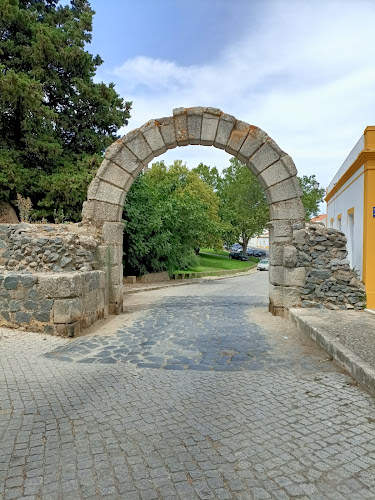
Arco das Portas de Avis

Praça da Republica 1
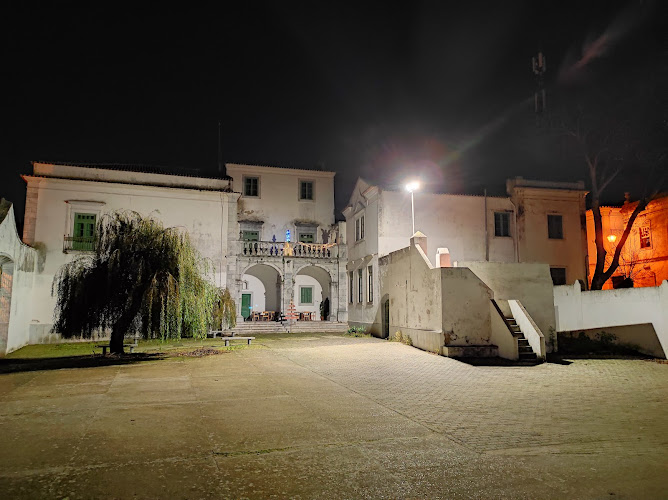
Palácio dos Maldonados
Find Accommodations Nearby
Recommended Tours & Activities
Visitor Reviews
There are no reviews yet. Be the first one to write one.
Share Your Experience
Have you visited Church Nossa Senhora dos Prazeres? Help other travelers by leaving a review.