
Beja
About Beja
More Details
Updated April 16, 2024
## Beja, Portugal: A Compact Alentejo Capital With a Towering Past
Beja sits in the heart of Portugal’s Baixo Alentejo, and it rewards slow travelers with Roman archaeology, a record-setting medieval tower, and food traditions powered by black Iberian pork and sheep’s-milk cheese. Coordinates for the city center: 38.0153039, -7.8627308.
—
### Why put Beja on your map
– Climb one of Portugal’s most striking keeps. The Castle of Beja anchors the skyline with a keep around 40 meters (130 ft) tall, built in gleaming marble—unusual in Portugal—offering wide-angle views across the Alentejo plain. The fortress complex is irregular in plan, with a three-level keep (top level octagonal) and surviving curtain walls.
– See rare Visigothic art in an early Christian church. Beja’s Igreja de Santo Amaro houses the Visigothic nucleus of the regional museum: stone reliefs and stelae contextualized inside one of Portugal’s notable Paleo-Christian buildings, with documented 5th–6th-century phases. Portugal
– Walk through a convent turned museum with centuries of Beja’s history. The Museu Rainha D. Leonor occupies the former Convent of Nossa Senhora da Conceição and spreads across the convent and the Church of Santo Amaro, blending Roman finds, sacred art, and local heritage. Portugal
– Step into a Roman country estate just outside town. At the Villa Romana de Pisões (10 km SW of Beja), you’ll find mosaics, a hypocaust bath complex, and a sophisticated water system linked to a Roman dam—rare survivals that make the site a standout in southern Portugal.
—
## Essential context for planning
### When to go (and heat awareness)
Beja routinely logs some of Portugal’s highest summer temperatures; climate normals show frequent days above 35 °C (95 °F) in summer. In June 2025, forecasts highlighted Beja and Évora among Portuguese hotspots during a significant southern-Europe heatwave. If you’re heat-sensitive, target spring or late autumn, aim for early-morning sightseeing, and confirm shade/water availability at outdoor sites. to Travel
> Outdated data watch: opening hours and site access policies at museums and the Roman villa can change—verify the latest times on the official Museu Regional or municipal pages before you go. Portugal
### Getting there without a car
– Train (CP – Comboios de Portugal): Typical journeys from Lisbon involve an IC train to Casa Branca and a Beja shuttle connection. Schedules vary by day; CP sells through-tickets. Use CP’s site for current timetables. de Portugal
– Bus (Rede Expressos/FlixBus): Direct coaches link Lisbon (Sete Rios/Oriente) and Beja in roughly 2h30–3h15 depending on service. Check live runs and fares.
—
## What to see in a focused 24–36 hours
### 1) Castelo de Beja & Tower Keep (allow 60–90 minutes)
Walk the walls, then climb the marble keep for horizon-to-horizon views across wheat fields and olive groves. The keep’s three levels (upper level octagonal) and defensive details (adarves, machicolations, merlons) make it catnip for architecture fans. Photography is best in early morning or late afternoon when stone relief pops.
### 2) Museu Rainha D. Leonor (Convent of Conceição) (90 minutes)
A layered collection where Roman artifacts, regional art, and convent spaces tell Beja’s story from antiquity through the early modern period. Cross-check if temporary exhibits are split between the convent and Santo Amaro. Portugal
### 3) Igreja de Santo Amaro – Visigothic Nucleus (45–60 minutes)
Among Portugal’s key Paleo-Christian survivals; stone carvings and architectural fragments illuminate the lesser-known Visigothic chapter of Iberian history. Portugal
### 4) Núcleo Museológico da Rua do Sembrano (30–45 minutes)
Archaeology beneath glass walkways traces Beja’s urban layers—from Iron Age through Roman, Islamic, and medieval phases—useful context after the castle and museums.
### 5) Villa Romana de Pisões (half-day with transit)
If you have a car or hire a local transfer, this is your deep-dive: mosaics, baths (apodyterium, caldarium, tepidarium, frigidarium identified), agricultural installations, and an adjacent Roman dam engineered to feed both farm and leisure features. Surfaces can be uneven; dress for the countryside.
—
## Eat & drink: what Beja does well
– Porco Preto (black Iberian pork) in Alentejo cuts like plumas, secretos, or mixed grills; expect robust seasoning and generous portions. Migas—a savory bread-based side—often shares the plate.
– Queijo Serpa (PDO): a soft to semi-soft raw sheep’s-milk cheese made with thistle rennet, historically produced across Baixo Alentejo—look for it in taverns and specialty shops.
– Alentejo wines: Beja sits near the Vidigueira DOC subregion, long known for characterful whites (Antão Vaz, Roupeiro) and reds (Trincadeira, Aragonez, Alicante Bouschet). Cellar doors in the Vidigueira area are an easy add-on.
—
## Practical tips that save time
– Start early at the castle on hot days and slot museums in for midday cooling; the convent complex offers shade. Climate data confirm high heat probability in peak summer. to Travel
– Sequence smartly: Castle → Convent Museum → Santo Amaro → late lunch → Sembrano. Add Pisões if you have transport and half a day.
– Verify site status before detouring to Pisões; rural archaeology sites can intermittently close for conservation or have limited staffing. (Check municipal/museum pages.) Portugal
– Rail vs. coach: Trains are scenic but not as frequent; coaches often run more times per day between Lisbon and Beja. Compare day-of options. de Portugal
—
## Responsible & inclusive travel notes
– Heat safety: Summer extremes are real in Beja; 2025’s early heatwave underscores the trend. Hydrate, use sun protection, and schedule breaks. Washington Post
– Site accessibility: Medieval and Roman sites often involve stairs and uneven ground; if step-free access is essential, contact the museum or municipality ahead of time to confirm routes and facilities. (Policies and provisions can change.) Portugal
—
### At-a-glance: Beja highlights
– Castle & 40-m keep with unique marble construction and panoramic views.
– Convent museum (Museu Rainha D. Leonor) spanning Roman to early modern collections. Portugal
– Visigothic nucleus in Santo Amaro—rare Iberian early-medieval art. Portugal
– Roman Villa of Pisões—mosaics, baths, and a Roman dam in situ.
– Food & wine: Porco Preto with migas; Serpa PDO cheese; nearby Vidigueira wines.
—
All facts above are drawn from primary/official or well-established references and reflect the most recent publicly available information at the time of writing. Always reconfirm opening hours and transport schedules before travel.
Location
Places to Stay Near Beja
Find and Book a Tour
Explore More Travel Guides
No reviews found! Be the first to review!
Traveler Reviews for Beja
There are no reviews yet. Be the first one to write one.
Have you visited Beja? Help other travelers by sharing your review.
You Might Also Like
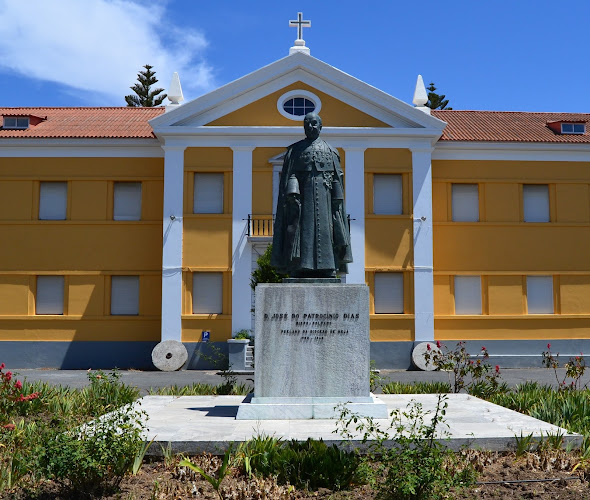
Estátua do José do Patrocínio Dias
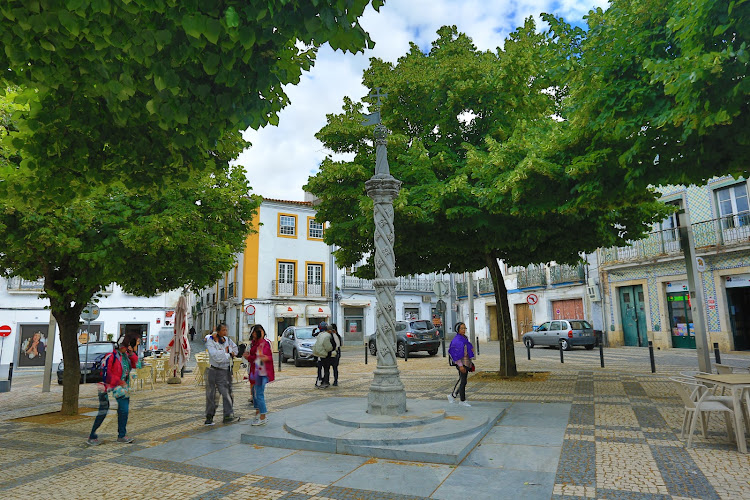
Pillory Beja

Statue of Queen Leonor
Find Accommodations Nearby
Recommended Tours & Activities
Visitor Reviews
There are no reviews yet. Be the first one to write one.
Share Your Experience
Have you visited Beja? Help other travelers by leaving a review.