Description
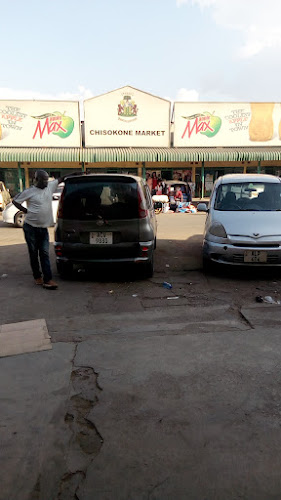
Chisokone Market stands as one of Kitwe’s most significant commercial hubs and offers travelers an authentic window into everyday Zambian life. This sprawling marketplace has served the local community for decades and continues to draw both residents and curious visitors who want to experience genuine African market culture without the tourist polish you might find at more commercialized spots.
When you step into Chisokone Market, you’re entering a world that operates on its own rhythm and rules. The atmosphere here is real and unfiltered – this isn’t a market that’s been sanitized for tourism. Instead, it’s a working marketplace where thousands of people come daily to buy, sell, and trade everything from fresh produce to secondhand clothing, electronics, household goods, and traditional remedies. And honestly, that’s what makes it special.
I’ve visited markets across Africa, and there’s something about places like Chisokone that just hit different. They’re not trying to be anything they’re not. The vendors here are conducting serious business, and you’re getting a front-row seat to the economic heartbeat of Kitwe’s Copperbelt region. The market sprawls across a considerable area with different sections devoted to specific goods, creating a sort of organized chaos that somehow works despite appearing overwhelming at first glance.
The market caters primarily to locals, which means prices tend to be more reasonable than tourist-oriented venues, though you’ll definitely need to sharpen your bargaining skills. The facility does offer some modern conveniences including wheelchair accessible entrances and restroom facilities, which surprised me the first time I learned about it since many traditional African markets lack these amenities. They’ve even embraced NFC mobile payments in some sections, showing how traditional commerce is adapting to modern technology.
What strikes most visitors is the sheer scale and diversity of goods available. From colorful chitenge fabrics to fresh vegetables harvested that morning from nearby farms, from electronics repairs happening right before your eyes to tailors working vintage sewing machines, Chisokone represents a microcosm of Zambian commerce and culture.
Key Features
Chisokone Market offers several distinctive features that make it worth visiting for travelers seeking authentic cultural experiences:
- Extensive fresh produce section featuring tropical fruits, vegetables, and ingredients essential to Zambian cuisine that you won’t typically find in Western supermarkets
- Second-hand clothing area known locally as “salaula” where you can find incredible bargains on everything from jeans to designer items at a fraction of retail prices
- Traditional medicine and herbs section where local healers sell remedies used for generations throughout the Copperbelt region
- Electronics repair and sales area where skilled technicians fix everything from smartphones to televisions, often with creative solutions you wouldn’t see elsewhere
- Fabric and tailoring section where you can purchase beautiful chitenge cloth and have custom garments made within days at very affordable prices
- Food stalls serving authentic Zambian street food including nshima, kapenta, and freshly prepared snacks that give you a taste of local cuisine
- Household goods section offering everything from kitchenware to furniture, much of it locally manufactured or crafted
- Wheelchair accessible entrance making the market more inclusive than many traditional African marketplaces
- Mobile payment options available in certain sections, bridging traditional commerce with modern convenience
- Restroom facilities available on-site, addressing one of the common concerns travelers have when visiting local markets
Best Time to Visit
Timing your visit to Chisokone Market can make a significant difference in your experience, and I’d recommend planning carefully based on what you want to see and how much chaos you can handle.
Early mornings, particularly between 7:00 and 9:00 AM, offer the freshest produce and the most energetic atmosphere as vendors set up their stalls and serious shoppers arrive to get first pick of the day’s goods. The temperatures are also more comfortable during these hours, especially during Zambia’s hot season from September to November. But be prepared – early morning means competing with locals who know exactly what they’re looking for and aren’t particularly patient with wandering tourists blocking the aisles.
Mid-mornings through early afternoon see the market at its busiest. If you want to experience the full intensity of Chisokone, visit between 10:00 AM and 2:00 PM. The crowds can feel overwhelming, the noise level rises considerably, and navigating the narrow passages between stalls requires some patience and spatial awareness. However, this is when the market truly comes alive with the most energy and activity.
Late afternoons after 4:00 PM tend to be quieter as many vendors begin packing up, though some sections remain active until evening. You might find better bargaining opportunities during these hours as sellers prefer to move remaining inventory rather than pack it up, but selection becomes more limited.
Regarding seasons, the dry season from May to October generally provides more comfortable visiting conditions with less mud and easier navigation through the market’s pathways. The rainy season from November to April can turn some areas into muddy challenges, though the market continues operating regardless of weather. And actually, there’s something quite memorable about experiencing a sudden African rainstorm while sheltering under a market stall awning, chatting with vendors as rain drums on corrugated metal roofs.
Weekdays tend to be slightly less crowded than Saturdays, which are traditionally the biggest shopping days when people receive wages and stock up for the week. Sundays see reduced activity with fewer vendors operating.
Avoid major holidays and the days immediately preceding them when crowds swell to nearly unmanageable levels and prices sometimes inflate due to increased demand.
How to Get There
Getting to Chisokone Market is relatively straightforward once you understand Kitwe’s transportation options, though as with most things in Zambia, it requires a bit of flexibility and patience.
For travelers staying in Kitwe’s city center, the market is accessible by various means. Taxis are probably the most comfortable option and drivers throughout the city know Chisokone well – you won’t need to provide detailed directions. Negotiate the fare before departing, and expect to pay reasonable rates for the short journey from most central locations. Many hotels and guesthouses can arrange taxi services or recommend reliable drivers.
Local minibuses, which Zambians call “kombis,” run frequent routes that pass near or stop at Chisokone Market. These shared taxis offer the most economical option and provide authentic local travel experience, though they can be crowded and confusing for first-time visitors. The fare is minimal, but you’ll need to know when to signal your stop and be comfortable with the somewhat chaotic boarding process.
If you’re renting a vehicle, parking near the market exists but spaces fill quickly during busy hours and security for your vehicle becomes a consideration. I’d honestly recommend against driving yourself unless you’re comfortable navigating congested African market areas and managing persistent parking attendants who’ll offer to watch your car for a fee.
For those staying outside Kitwe, the city is accessible by bus from major Zambian cities including Lusaka and Ndola. Once you arrive at Kitwe’s bus station, Chisokone Market is a short taxi ride away.
Walking to the market is feasible if you’re staying nearby, though pay attention to your surroundings and avoid displaying expensive electronics or jewelry that might attract unwanted attention. The streets around the market get busy with foot traffic, which generally provides safety in numbers during daylight hours.
Some tour operators in the Copperbelt region now include Chisokone Market in cultural tours, which can be a good option if you prefer having a guide who can navigate the market, handle translations, and provide context about what you’re seeing.
Tips for Visiting
Visiting Chisokone Market successfully requires some preparation and cultural awareness that’ll make your experience more enjoyable and respectful.
Bring cash in small denominations. While some vendors accept mobile payments, the majority still operate on a cash basis, and having exact change or small bills makes transactions smoother. Carrying large bills creates difficulties since many vendors lack sufficient change, and it also advertises that you’re carrying significant money.
Your bargaining skills will get a workout here. Prices for tourists often start considerably higher than what locals pay, and vendors expect negotiation. Don’t be offended by inflated initial quotes – it’s part of the commercial dance. That said, be respectful in your haggling and recognize that these are people earning a living, not a game where you’re trying to pay the absolute minimum. I usually aim for about 60-70% of the initial asking price as a fair compromise.
Dress modestly and practically. Zambia is generally conservative, and respectful clothing helps you blend in better. Wear comfortable, closed-toe shoes since you’ll be walking on uneven surfaces and through areas that might be muddy or cluttered. Leave expensive jewelry and watches at your accommodation – there’s no need to advertise affluence in a market setting.
Photography requires sensitivity and permission. Many vendors don’t appreciate having cameras pointed at their stalls or themselves without being asked first. Some may request a small fee for photos, which is fair given that their image is being used. Always ask before photographing people, and respect refusals graciously.
Keep your belongings secure. Chisokone is generally safe during daylight hours, but like any crowded marketplace worldwide, pickpockets do operate. Use a money belt or secure front pocket for valuables, keep bags zipped and in front of you, and avoid displaying phones or cameras unnecessarily.
Consider hiring a local guide for your first visit. Several informal guides hang around the market entrance and can help navigate, translate, and negotiate on your behalf for a modest fee agreed upon beforehand. This can significantly enhance your understanding and comfort level, especially if you’re not accustomed to African market environments.
Be prepared for sensory overload. The sounds, smells, sights, and crowds can feel overwhelming initially. Take breaks when needed, stay hydrated (bring bottled water), and don’t feel pressured to see everything in one visit.
Try the local food if you’re adventurous, but use common sense about food safety. Look for busy stalls with high turnover where food is freshly prepared and cooked thoroughly. Avoid things that have been sitting out for unknown periods or anything involving raw ingredients your stomach isn’t accustomed to.
Learn a few basic phrases in Bemba or Nyanja, the local languages. Even simple greetings like “muli shani” (how are you?) can break the ice and show respect for local culture. Vendors often warm up considerably when visitors make an effort to use local languages.
Go with reasonable expectations. This isn’t a curated tourist experience with polished presentation and predictable outcomes. It’s a real working market where you might encounter mud, strong smells, aggressive vendors, or confusing navigation. But if you embrace the authenticity and approach it with curiosity rather than rigid expectations, Chisokone Market offers insights into Zambian life that no museum or tour package can match.
 Real Journey Travels