Description
The Bwana Mkubwa Mine Pit stands as one of Zambia’s most historically significant yet underappreciated industrial heritage sites. Located in the Copperbelt Province near Ndola, this abandoned open-pit copper mine offers travelers a fascinating glimpse into the country’s mining past and the raw power of industrial extraction. The site represents more than just a hole in the ground—it’s a testament to human ambition, economic history, and the environmental impact of resource extraction that shaped modern Zambia.
Walking up to the edge of this massive pit is honestly a bit overwhelming. The sheer scale of what humans carved out of the earth here makes you reconsider everything you thought you knew about mining operations. This wasn’t some small-scale operation with pickaxes and wheelbarrows. We’re talking about a full-blown industrial excavation that helped establish Zambia’s reputation as a major copper producer on the African continent.
The mine itself dates back to the early colonial period when copper was first discovered in this region. Bwana Mkubwa, which translates to “Great Master” in Swahili, operated during the formative years of Zambia’s copper industry before being abandoned as operations moved to more profitable locations. What remains is this gaping chasm in the landscape—a sort of accidental monument to an era that fundamentally transformed the region’s economy and society.
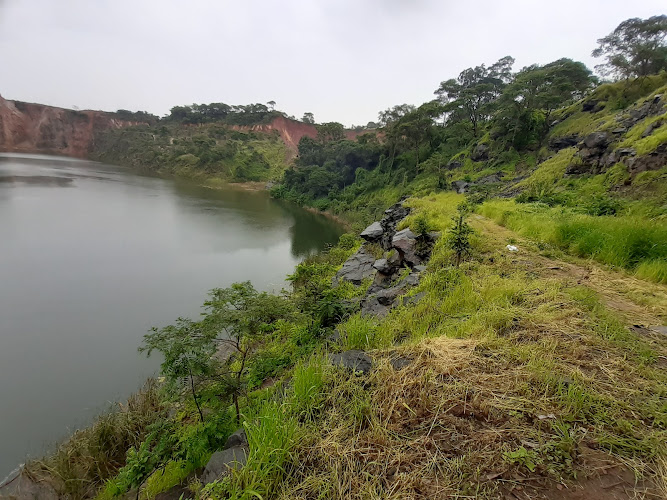
The pit has since filled partially with water, creating an eerie turquoise lake at its bottom that contrasts sharply with the reddish-brown rock faces. This isn’t your typical tourist destination with gift shops and guided tour groups. It’s raw, it’s real, and it’s a bit rough around the edges—which is precisely what makes it compelling for travelers seeking authentic experiences off the beaten path.
Key Features
The Bwana Mkubwa Mine Pit offers several distinctive elements that make it worth adding to your Zambian itinerary:
- Massive Scale: The pit extends hundreds of meters across and deep into the earth, offering dramatic views that photography enthusiasts will absolutely love. The sense of depth and dimension is something you really can’t capture fully in pictures—you have to see it yourself.
- Water-Filled Basin: The turquoise water that has accumulated at the bottom creates an striking visual contrast against the exposed rock layers. The color comes from mineral content in the water, giving it an almost otherworldly appearance.
- Geological Exposure: The pit walls reveal distinct layers of rock strata, providing a cross-section view of the earth’s geological history. Geology buffs will find this particularly fascinating as you can literally see millions of years of earth formation exposed.
- Industrial Heritage: Remnants of mining infrastructure can still be spotted around the site, including old equipment, processing areas, and access roads that nature is slowly reclaiming.
- Bird Watching Opportunities: Surprisingly, the area has become something of an accidental wildlife sanctuary. Various bird species have made the pit edges and surrounding areas their home, adapting to this human-altered landscape.
- Historical Significance: This mine represents the birthplace of Zambia’s copper industry, which still dominates the national economy today. Understanding this history gives context to much of the country’s modern development.
- Photography Potential: The dramatic landscapes, stark industrial remnants, and unique color palette make this an exceptional location for photography—particularly during golden hour when the light hits the rock faces just right.
Best Time to Visit
Timing your visit to the Bwana Mkubwa Mine Pit requires considering both weather conditions and practical access concerns. The dry season, running from May through October, is generally your best bet for visiting this site. During these months, the paths around the pit are more accessible and you won’t be dealing with muddy conditions that can make the area genuinely hazardous.
I’d specifically recommend visiting between May and August if you want cooler temperatures. The Copperbelt region can get seriously hot during the build-up to the rainy season (September through November), and standing under the sun at an exposed mine pit isn’t exactly comfortable when temperatures soar above 30°C. Early morning visits are particularly rewarding—the light is softer, temperatures are more manageable, and you’ll have better visibility for photography.
The rainy season from November through April presents challenges. Not only does the area become muddy and potentially dangerous near the pit edges, but access roads can deteriorate significantly. And let’s be honest—peering into a massive pit during a thunderstorm isn’t the wisest decision you could make. The edges can become slippery, and the whole experience becomes more stressful than enjoyable.
But here’s something most guides won’t tell you: visiting during the late dry season (August-September) means you’ll see the water level at its lowest, potentially revealing more of the pit’s internal structure. The trade-off is hotter weather, but if you’re particularly interested in the geological aspects, this timing might be worth considering.
Weekdays tend to be quieter than weekends when local visitors might come to see the site. Though honestly, this isn’t exactly a crowded tourist destination any day of the week, which is part of its appeal for travelers seeking solitude and contemplation.
How to Get There
Getting to the Bwana Mkubwa Mine Pit requires a bit of planning since it’s not served by public transportation infrastructure. The site is located roughly 10 kilometers south of Ndola, Zambia’s third-largest city and the commercial center of the Copperbelt Province.
Most travelers will need to arrange private transportation from Ndola. Hiring a taxi for a half-day excursion is probably your most straightforward option. Make sure to negotiate the price beforehand and confirm that the driver will wait for you at the site. You don’t want to get stranded at an abandoned mine pit with no way back to civilization—trust me on this one.
If you’ve rented a vehicle, you can drive yourself, though be prepared for roads that might charitably be described as “variable quality.” A vehicle with decent ground clearance is advisable, particularly if you’re visiting during or shortly after the rainy season. The main route takes you south from Ndola along roads that connect to the old mining areas. Local knowledge helps here, so don’t hesitate to ask for directions along the way.
From Lusaka, the capital, you’re looking at roughly a five-hour drive covering about 320 kilometers. The journey takes you through the heart of Zambia’s agricultural regions before entering the Copperbelt. Many travelers combine a visit to the mine pit with other Copperbelt attractions, making it part of a broader industrial heritage tour.
The actual entrance to the site isn’t always clearly marked, which adds to the adventure but can also be frustrating. Look for signs or ask locals for “Bwana Mkubwa Mine” once you’re in the general area. Most people in the region know of the site and can point you in the right direction.
There’s no formal parking area or visitor center—you’ll essentially park where you can find safe, stable ground and proceed on foot to the pit edge. This informal nature of the site is part of what keeps it authentic but also means you need to be more self-reliant than at developed tourist attractions.
Tips for Visiting
Visiting the Bwana Mkubwa Mine Pit requires more preparation and caution than your typical tourist site. First and foremost, safety should be your primary concern. The pit edges are not secured with fencing or barriers, and the ground can be unstable. Stay well back from the edge—seriously, that Instagram shot isn’t worth a potentially fatal fall. The drops are significant and the consequences of misjudging your footing would be severe.
Bring plenty of water, especially if you’re visiting during the warmer months. There are no facilities at the site whatsoever. No restrooms, no vendors, no water fountains. You’ll want at least two liters per person if you’re planning to spend any significant time there. Sunscreen and a hat are essential too—there’s minimal shade around the pit area.
Wear sturdy, closed-toe shoes with good traction. Flip-flops or sandals are completely inappropriate for this terrain. You’ll be walking on uneven ground with loose rocks, and you need footwear that provides both protection and stability.
Consider hiring a local guide if you can arrange one through your accommodation in Ndola. While the site itself is fairly straightforward, having someone who knows the history and can point out specific features adds significant value to the experience. Plus, it supports the local community economically.
Photography equipment should definitely come along, but be mindful of your surroundings while shooting. It’s easy to get focused on getting the perfect shot and lose awareness of where you’re standing relative to the pit edge. Use a camera strap and consider bringing a tripod for steadier shots, particularly if you’re interested in long exposures of the water.
Don’t expect mobile phone coverage to be reliable in the area. Let someone know where you’re going and when you expect to return. This is just basic safety protocol when visiting remote or industrial sites.
The site is essentially unmanaged, which means you’re responsible for carrying out anything you bring in. Pack out all trash and leave the area as you found it. This isn’t just environmental consciousness—it’s about preserving the site for future visitors and showing respect for local communities.
Be prepared for the reality that this isn’t a polished tourist experience. There are no interpretation panels explaining what you’re seeing, no carefully maintained viewing platforms, and no souvenir stands. That rawness is exactly what makes it special, but it requires a different mindset than visiting more developed attractions.
Finally, manage your expectations based on what you’re actually coming to see. This is an abandoned industrial site, not a natural wonder or carefully preserved heritage site. Some visitors find it absolutely fascinating while others wonder what the fuss is about. If you’re interested in industrial history, mining operations, or simply seeing landscapes that have been dramatically altered by human activity, you’ll likely find it worthwhile. If you’re expecting manicured gardens and interpretive centers, you’ll be disappointed.
The Bwana Mkubwa Mine Pit offers something increasingly rare in modern travel—an unfiltered, uncommercialized experience that lets you engage with history and landscape on your own terms. It’s not for everyone, but for travelers willing to venture slightly off the standard tourist circuit, it provides a thought-provoking glimpse into the forces that shaped modern Zambia.
 Real Journey Travels