
ChimboteIslaBlancaVision
About ChimboteIslaBlancaVision
Description
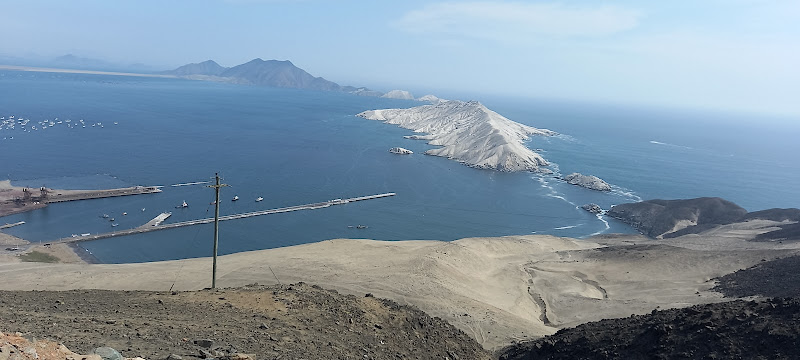
ChimboteIslaBlancaVision represents one of those places that doesn't quite fit the typical tourist brochure template, and honestly, that's part of its appeal. Located in Peru's coastal region, this hiking area offers travelers a chance to explore terrain that feels genuinely off the beaten path. The landscape here carries that raw, unpolished quality that adventure seekers tend to crave – you won't find manicured trails with handrails every few meters, which is exactly what makes it interesting. I've always believed that the best hiking experiences come from places that make you work a bit for the reward, and this spot delivers on that philosophy. The trails wind through coastal desert terrain that transitions into rocky outcrops, giving hikers a real sense of the diverse geography that characterizes Peru's northern coastline. And while it might not have the international recognition of places like Machu Picchu, that anonymity works in its favor. You're more likely to encounter local hikers and the occasional adventurous traveler than tour groups with matching hats. The area gets its name from the nearby Isla Blanca, which translates to White Island, and on clear days you can catch views of the coastline that stretch out in both directions. The hiking here isn't necessarily challenging in a technical sense, but the environment demands respect. You're dealing with sun exposure, potentially uneven terrain, and the kind of isolation that means you need to be self-sufficient. That said, for travelers who appreciate authentic outdoor experiences without heavy commercialization, this place hits the right notes.Key Features
The hiking trails at ChimboteIslaBlancaVision offer several distinctive characteristics that set them apart from more developed tourist destinations: • Coastal desert hiking terrain that showcases Peru's unique northern coastline ecosystem • Relatively undeveloped trails that provide genuine wilderness experience without excessive infrastructure • Panoramic views of the Pacific Ocean from elevated trail sections • Opportunities to observe local wildlife adapted to arid coastal environments • Multiple trail options suitable for different fitness levels and time constraints • Limited crowds compared to Peru's more famous hiking destinations • Access to areas where you can see the interaction between desert and marine ecosystems • Photography opportunities that capture the stark beauty of coastal Peru • Trail sections that connect to viewpoints overlooking Isla Blanca and surrounding waters • Real sense of solitude that's increasingly difficult to find in popular tourist areasBest Time to Visit
Timing your visit to ChimboteIslaBlancaVision requires understanding Peru's coastal weather patterns, which don't follow the typical rainy season and dry season division you'll find in the Andes. The coast has its own rhythm, and working with it rather than against it makes all the difference in your experience. May through October generally offers the most reliable conditions for hiking. During these months, you'll encounter less humidity and more consistent weather, though the coast can still be surprisingly cool and often overcast due to the Humboldt Current's influence. But that marine layer actually works in your favor when you're hiking – it keeps temperatures manageable and reduces sun exposure intensity. I'd personally lean toward visiting between June and September if you want the best balance of comfortable temperatures and clear skies. The sun during these months sits at angles that create dramatic lighting for photography, especially in early morning and late afternoon. And those are also the times when the heat becomes less oppressive, making your hike considerably more enjoyable. December through March brings warmer temperatures, which sounds appealing until you're actually on the trail without shade. The sun can be brutal during summer months, and the lack of tree cover means you're exposed for extended periods. If you do visit during this window, start your hikes at dawn – seriously, before 7 AM if possible. The difference between hiking at 6:30 AM versus 10 AM is the difference between an enjoyable experience and questioning your life choices. Local festivals and holidays might affect your visit too. Chimbote celebrates several traditional events throughout the year, and while these can add cultural richness to your trip, they might also mean busier trails as locals take advantage of time off. The Día de San Pedrito in late June brings increased activity to the coastal area, which could be a positive or negative depending on whether you're seeking solitude or cultural immersion.How to Get There
Getting to ChimboteIslaBlancaVision requires a bit more planning than simply booking a tour bus, which again, is part of what keeps it authentic. Chimbote itself sits about 420 kilometers north of Lima along the Pan-American Highway, and most travelers will need to make this journey in stages. If you're starting from Lima, you have a couple options. Buses run regularly between Lima and Chimbote, with several companies offering overnight services that arrive early morning. The journey takes roughly 6-7 hours depending on traffic and stops. I've found that the more reputable bus companies charge around 50-80 soles and provide reasonably comfortable seats, though calling them "luxury" would be stretching the truth. Alternatively, you could drive if you've rented a vehicle, which gives you flexibility but also means navigating the Pan-American Highway for several hours. The highway itself is generally well-maintained on this stretch, but driver behavior can be unpredictable, so defensive driving isn't just recommended – it's essential. Once you arrive in Chimbote, reaching the hiking area requires local knowledge or good navigation skills. Taxis can take you to the general area, though you'll want to negotiate the fare beforehand and possibly arrange a pickup time. Not all taxi drivers will be familiar with the specific trailheads, so having downloaded offline maps on your phone proves incredibly useful here. Some travelers opt to stay in Chimbote proper and make day trips to the hiking area. The city offers basic accommodations and services, though it's primarily an industrial port city rather than a tourist destination. That industrial character means lower prices and a more authentic Peruvian experience, but also fewer English speakers and tourist-oriented amenities.Tips for Visiting
Let me share some practical wisdom gained from both personal experience and observing what separates prepared hikers from struggling ones in these kinds of environments. Water is non-negotiable. Bring at least twice as much as you think you'll need. The coastal desert environment is deceptively dry, and you'll lose moisture through perspiration faster than you realize. I typically carry 3-4 liters for a full day hike, and I've never regretted having extra. And no, you won't find water sources along the trail, so whatever you bring is what you have. Sun protection goes beyond just sunscreen, though you definitely need that too (SPF 50+ recommended). A wide-brimmed hat, lightweight long-sleeved shirt, and quality sunglasses make the difference between comfortable hiking and sunburn misery. The sun reflects off the desert terrain and can hit you from unexpected angles. Start early, and I mean genuinely early. The best hiking window is between 6 AM and 10 AM. After that, the heat builds quickly and the experience becomes more about endurance than enjoyment. Plus, morning light provides the best visibility and photography conditions. Tell someone your plans before heading out. This area doesn't have the safety infrastructure of more developed parks. Cell phone coverage can be spotty, so having someone who knows your expected return time provides a crucial safety net. Bring snacks with decent caloric density. Trail mix, energy bars, or dried fruit give you sustainable energy without weighing down your pack. Your body burns through calories faster in hot conditions, and maintaining energy levels keeps both your mood and decision-making sharp. Wear proper footwear. And I don't mean your casual walking shoes or fashion sneakers. Actual hiking boots or trail runners with ankle support and decent tread make navigating uneven terrain safer and more comfortable. I once saw someone attempt these trails in flip-flops, which was entertaining from a distance but probably quite painful for them. Pack a basic first aid kit with blister treatment, antiseptic, bandages, and any personal medications. The nearest medical facilities are back in Chimbote, so handling minor issues yourself becomes important. Check weather conditions before departing, even though the coast has relatively stable weather. Occasional fog banks can roll in and reduce visibility, and while rare, unexpected weather events do occur. Respect the environment by following leave-no-trace principles. Pack out everything you pack in, stay on established trails where they exist, and avoid disturbing wildlife or plant life. These areas remain relatively pristine precisely because visitors treat them with respect. Consider hiring a local guide for your first visit, especially if you're unfamiliar with desert hiking or don't speak Spanish. Local guides know the terrain, can share information about the ecosystem, and provide an extra safety margin. The cost is typically reasonable and supports the local economy.Key Features
- Key Features
- Best Time to Visit
- How to Get There
- Tips for Visiting
More Details
Updated March 30, 2026
Table of Contents
Description
ChimboteIslaBlancaVision represents one of those places that doesn’t quite fit the typical tourist brochure template, and honestly, that’s part of its appeal. Located in Peru’s coastal region, this hiking area offers travelers a chance to explore terrain that feels genuinely off the beaten path. The landscape here carries that raw, unpolished quality that adventure seekers tend to crave – you won’t find manicured trails with handrails every few meters, which is exactly what makes it interesting.
I’ve always believed that the best hiking experiences come from places that make you work a bit for the reward, and this spot delivers on that philosophy. The trails wind through coastal desert terrain that transitions into rocky outcrops, giving hikers a real sense of the diverse geography that characterizes Peru’s northern coastline. And while it might not have the international recognition of places like Machu Picchu, that anonymity works in its favor. You’re more likely to encounter local hikers and the occasional adventurous traveler than tour groups with matching hats.
The area gets its name from the nearby Isla Blanca, which translates to White Island, and on clear days you can catch views of the coastline that stretch out in both directions. The hiking here isn’t necessarily challenging in a technical sense, but the environment demands respect. You’re dealing with sun exposure, potentially uneven terrain, and the kind of isolation that means you need to be self-sufficient. That said, for travelers who appreciate authentic outdoor experiences without heavy commercialization, this place hits the right notes.
Key Features
The hiking trails at ChimboteIslaBlancaVision offer several distinctive characteristics that set them apart from more developed tourist destinations:
• Coastal desert hiking terrain that showcases Peru’s unique northern coastline ecosystem
• Relatively undeveloped trails that provide genuine wilderness experience without excessive infrastructure
• Panoramic views of the Pacific Ocean from elevated trail sections
• Opportunities to observe local wildlife adapted to arid coastal environments
• Multiple trail options suitable for different fitness levels and time constraints
• Limited crowds compared to Peru’s more famous hiking destinations
• Access to areas where you can see the interaction between desert and marine ecosystems
• Photography opportunities that capture the stark beauty of coastal Peru
• Trail sections that connect to viewpoints overlooking Isla Blanca and surrounding waters
• Real sense of solitude that’s increasingly difficult to find in popular tourist areas
Best Time to Visit
Timing your visit to ChimboteIslaBlancaVision requires understanding Peru’s coastal weather patterns, which don’t follow the typical rainy season and dry season division you’ll find in the Andes. The coast has its own rhythm, and working with it rather than against it makes all the difference in your experience.
May through October generally offers the most reliable conditions for hiking. During these months, you’ll encounter less humidity and more consistent weather, though the coast can still be surprisingly cool and often overcast due to the Humboldt Current’s influence. But that marine layer actually works in your favor when you’re hiking – it keeps temperatures manageable and reduces sun exposure intensity.
I’d personally lean toward visiting between June and September if you want the best balance of comfortable temperatures and clear skies. The sun during these months sits at angles that create dramatic lighting for photography, especially in early morning and late afternoon. And those are also the times when the heat becomes less oppressive, making your hike considerably more enjoyable.
December through March brings warmer temperatures, which sounds appealing until you’re actually on the trail without shade. The sun can be brutal during summer months, and the lack of tree cover means you’re exposed for extended periods. If you do visit during this window, start your hikes at dawn – seriously, before 7 AM if possible. The difference between hiking at 6:30 AM versus 10 AM is the difference between an enjoyable experience and questioning your life choices.
Local festivals and holidays might affect your visit too. Chimbote celebrates several traditional events throughout the year, and while these can add cultural richness to your trip, they might also mean busier trails as locals take advantage of time off. The Día de San Pedrito in late June brings increased activity to the coastal area, which could be a positive or negative depending on whether you’re seeking solitude or cultural immersion.
How to Get There
Getting to ChimboteIslaBlancaVision requires a bit more planning than simply booking a tour bus, which again, is part of what keeps it authentic. Chimbote itself sits about 420 kilometers north of Lima along the Pan-American Highway, and most travelers will need to make this journey in stages.
If you’re starting from Lima, you have a couple options. Buses run regularly between Lima and Chimbote, with several companies offering overnight services that arrive early morning. The journey takes roughly 6-7 hours depending on traffic and stops. I’ve found that the more reputable bus companies charge around 50-80 soles and provide reasonably comfortable seats, though calling them “luxury” would be stretching the truth.
Alternatively, you could drive if you’ve rented a vehicle, which gives you flexibility but also means navigating the Pan-American Highway for several hours. The highway itself is generally well-maintained on this stretch, but driver behavior can be unpredictable, so defensive driving isn’t just recommended – it’s essential.
Once you arrive in Chimbote, reaching the hiking area requires local knowledge or good navigation skills. Taxis can take you to the general area, though you’ll want to negotiate the fare beforehand and possibly arrange a pickup time. Not all taxi drivers will be familiar with the specific trailheads, so having downloaded offline maps on your phone proves incredibly useful here.
Some travelers opt to stay in Chimbote proper and make day trips to the hiking area. The city offers basic accommodations and services, though it’s primarily an industrial port city rather than a tourist destination. That industrial character means lower prices and a more authentic Peruvian experience, but also fewer English speakers and tourist-oriented amenities.
Tips for Visiting
Let me share some practical wisdom gained from both personal experience and observing what separates prepared hikers from struggling ones in these kinds of environments.
Water is non-negotiable. Bring at least twice as much as you think you’ll need. The coastal desert environment is deceptively dry, and you’ll lose moisture through perspiration faster than you realize. I typically carry 3-4 liters for a full day hike, and I’ve never regretted having extra. And no, you won’t find water sources along the trail, so whatever you bring is what you have.
Sun protection goes beyond just sunscreen, though you definitely need that too (SPF 50+ recommended). A wide-brimmed hat, lightweight long-sleeved shirt, and quality sunglasses make the difference between comfortable hiking and sunburn misery. The sun reflects off the desert terrain and can hit you from unexpected angles.
Start early, and I mean genuinely early. The best hiking window is between 6 AM and 10 AM. After that, the heat builds quickly and the experience becomes more about endurance than enjoyment. Plus, morning light provides the best visibility and photography conditions.
Tell someone your plans before heading out. This area doesn’t have the safety infrastructure of more developed parks. Cell phone coverage can be spotty, so having someone who knows your expected return time provides a crucial safety net.
Bring snacks with decent caloric density. Trail mix, energy bars, or dried fruit give you sustainable energy without weighing down your pack. Your body burns through calories faster in hot conditions, and maintaining energy levels keeps both your mood and decision-making sharp.
Wear proper footwear. And I don’t mean your casual walking shoes or fashion sneakers. Actual hiking boots or trail runners with ankle support and decent tread make navigating uneven terrain safer and more comfortable. I once saw someone attempt these trails in flip-flops, which was entertaining from a distance but probably quite painful for them.
Pack a basic first aid kit with blister treatment, antiseptic, bandages, and any personal medications. The nearest medical facilities are back in Chimbote, so handling minor issues yourself becomes important.
Check weather conditions before departing, even though the coast has relatively stable weather. Occasional fog banks can roll in and reduce visibility, and while rare, unexpected weather events do occur.
Respect the environment by following leave-no-trace principles. Pack out everything you pack in, stay on established trails where they exist, and avoid disturbing wildlife or plant life. These areas remain relatively pristine precisely because visitors treat them with respect.
Consider hiring a local guide for your first visit, especially if you’re unfamiliar with desert hiking or don’t speak Spanish. Local guides know the terrain, can share information about the ecosystem, and provide an extra safety margin. The cost is typically reasonable and supports the local economy.
Key Highlights
- Key Features
- Best Time to Visit
- How to Get There
- Tips for Visiting
Location
Places to Stay Near ChimboteIslaBlancaVision
Find and Book a Tour
Explore More Travel Guides
No reviews found! Be the first to review!
ChimboteIslaBlancaVision is a prominent Zona de senderismo located in Chimbote.
Visit us at: W9PJ+QXV, Chimbote 02800, Peru.
Traveler Reviews for ChimboteIslaBlancaVision
There are no reviews yet. Be the first one to write one.
Have you visited ChimboteIslaBlancaVision? Help other travelers by sharing your review.
You Might Also Like
I.E. 88009 Enrique Meiggs
Holiday apartment rental
Chimbote
Find Accommodations Nearby
Recommended Tours & Activities
Visitor Reviews
There are no reviews yet. Be the first one to write one.
Share Your Experience
Have you visited ChimboteIslaBlancaVision? Help other travelers by leaving a review.