
Chimbote
About Chimbote
Description
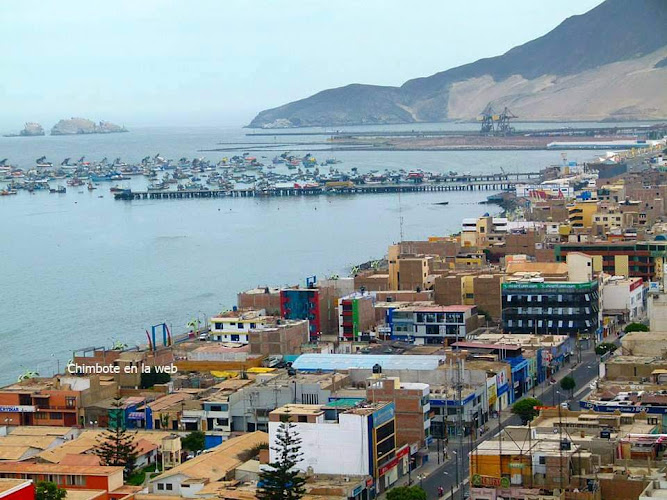
Chimbote sits along Peru's northern Pacific coast, and honestly, it's one of those places that doesn't show up in many glossy travel brochures – but that's exactly what makes it interesting. This industrial port city in the Ancash region has built its reputation on fishing and steel production rather than tourism, which means travelers who venture here get an authentic slice of working Peru that feels worlds away from the tourist circuits of Cusco or Lima's Miraflores district. I'll be straight with you – Chimbote isn't going to win any beauty contests at first glance. The city's skyline is dominated by fish processing plants and industrial facilities that have made this one of Peru's most important commercial centers. But if you're the type of traveler who appreciates real, unvarnished experiences over Instagram-perfect moments, there's something genuinely compelling about this gritty coastal hub. The city serves around 380,000 people and functions as a crucial gateway for travelers heading inland toward the spectacular Cordillera Blanca mountain range. Many visitors treat Chimbote as just a stopover on their way to Huaraz, but those who take time to explore discover a city with its own character – one shaped by decades of maritime commerce and the daily rhythms of Peru's fishing industry. What struck me most about Chimbote is how it represents Peru's working class heart. While other coastal cities have transformed themselves into tourist destinations, Chimbote has remained true to its industrial roots. The smell of fish processing might hit you when the wind shifts, and the beaches won't remind you of Caribbean paradises, but there's an honesty to the place that grows on you. The Catedral Nuestra Señora del Carmen y San Pedro Apóstol stands as the city's architectural crown jewel, offering visitors a glimpse of ornate religious artistry that seems almost incongruous against the industrial backdrop. This grand cathedral reflects the deep Catholic faith that persists throughout Peru, even in its most commercial corners.Key Features
Travelers exploring Chimbote will encounter several distinctive elements that define this working port city: • The imposing Catedral Nuestra Señora del Carmen y San Pedro Apóstol showcases elaborate religious artwork and serves as the spiritual center for the local fishing community • Malecón waterfront promenade where locals gather in evenings, offering views across the bay toward the distinctive white formations of Isla Blanca • Isla Blanca itself – an uninhabited islet that looks almost otherworldly with its white surface, accessible by arranging boat trips with local fishermen • The bustling fish processing industry that drives the regional economy and provides insight into Peru's position as one of the world's leading fishing nations • Strategic location as the starting point for the spectacular journey to Huaraz through the Cañón del Pato, featuring dozens of mountain tunnels carved through sheer rock • Working port atmosphere that offers unfiltered observations of daily Peruvian commercial life • Local markets brimming with incredibly fresh seafood at prices that would make coastal city dwellers elsewhere weep with envy • The bay of Ferrol which provides natural harbor protection and supports the city's maritime activities • Authentic Peruvian restaurants serving coastal cuisine without tourist markups or menu translationsBest Time to Visit
Timing your visit to Chimbote requires thinking about what you're actually trying to accomplish. The weather here doesn't follow the dramatic wet-dry patterns you'll find in Peru's highlands or Amazon regions. Instead, Chimbote experiences a desert coastal climate influenced by the cold Humboldt Current. December through March brings the warmest temperatures, ranging from the mid-70s to low 80s Fahrenheit. These months see more sunshine and less of the garúa – that persistent coastal fog that can blanket the city during winter months. If you're planning to take a boat out to Isla Blanca or spend time along the waterfront, these summer months offer the most pleasant conditions. But here's the thing – Chimbote really isn't a beach resort destination regardless of when you visit. The city's industrial character remains constant throughout the year, so weather considerations matter less than they would in purely tourism-focused coastal towns. April through November brings cooler temperatures and more overcast skies. The garúa becomes more common, creating grey days that match the industrial aesthetic perfectly, if I'm being poetic about it. Temperatures during these months typically stay in the 60s, which is actually quite comfortable for exploring the city on foot. For travelers using Chimbote as a jumping-off point to Huaraz and the Cordillera Blanca, the dry season from May through September is ideal. The mountain roads, including the dramatic Cañón del Pato route, become more reliable during these months. And honestly, if you're heading to the mountains anyway, Chimbote's weather becomes somewhat irrelevant since you're just passing through. I'd suggest avoiding major Peruvian holidays unless you specifically want to experience local celebrations. During Fiestas Patrias in late July, transportation can become crowded and more expensive as Peruvians travel domestically.How to Get There
Getting to Chimbote is straightforward enough, though it requires some patience like most travel in Peru. The city sits along the Pan-American Highway, that legendary road connecting much of South America's western coast, making it accessible by bus from numerous locations. From Lima, buses depart regularly for the roughly six to eight-hour journey northward. Multiple bus companies service this route with varying levels of comfort – you can choose everything from basic seats to near-luxury reclining options with meal service. The buses travel up the coastal highway, passing through several smaller towns along the way. I've found that night buses work well for this route since you arrive in Chimbote in the morning ready to continue your journey. If you're coming from Trujillo to the north, the bus journey takes about three to four hours. This makes Chimbote a convenient stop when traveling between Peru's northern archaeological sites and the mountain destinations around Huaraz. The city does have an airport – Aeropuerto Jaime Andrade Ayllón Carmona – but commercial flights are limited and irregular. Most travelers will find bus transport more practical and economical. Flying really isn't necessary given Chimbote's location along major ground transportation routes. For those heading to Huaraz and the Cordillera Blanca, Chimbote serves as an alternative starting point to the more common route through the Callejón de Huaylas. The journey through the Cañón del Pato offers one of Peru's most dramatic drives, passing through over 30 tunnels carved through solid rock. Buses make this journey regularly, though it's not for those with serious motion sickness or anxiety about mountain roads. The scenery is absolutely stunning if you can handle the twists and turns. Within Chimbote, taxis and mototaxis provide easy transportation around the city. As with anywhere in Peru, agree on fares before getting in, or insist the driver use a meter if available.Tips for Visiting
Approaching Chimbote with the right expectations makes all the difference. This isn't Cartagena or Valparaíso – it's a working city that happens to be on the coast rather than a coastal resort that happens to have some industry. Keep your valuables secure and maintain the same awareness you'd exercise in any Peruvian city. Chimbote has experienced some security challenges over the years, so avoid flashing expensive cameras or jewelry, particularly in the port areas. Stick to populated areas, especially after dark, and you'll most likely be fine. The seafood here is exceptional and ridiculously cheap by international standards. Ceviche made from fish caught that morning costs a fraction of what you'd pay in tourist areas. But choose restaurants that look busy with locals – high turnover means fresher ingredients. My rule of thumb is if the place is empty at lunchtime, there's probably a reason. Don't expect many people to speak English. Chimbote receives few international tourists, so brush up on your Spanish basics or download a translation app. That said, Peruvians are generally patient and helpful with visitors making an effort to communicate. If you're sensitive to smells, be prepared for the distinctive aroma of fish processing that occasionally wafts through parts of the city. It's just part of Chimbote's industrial reality. I've found it bothers some visitors more than others. The Malecón offers a pleasant walk, particularly in late afternoon when locals come out to enjoy the breeze. It's a good spot for observing daily life and getting a sense of the city's relationship with the sea. Consider visiting the cathedral not just for its religious significance but as a quiet refuge from the city's industrial buzz. The artwork inside provides context for understanding coastal Peruvian spirituality and cultural heritage. If you're arranging a boat trip to Isla Blanca, negotiate clearly beforehand about timing, what's included, and total cost. Go through your hotel for recommendations on reputable boat operators rather than arranging things spontaneously at the waterfront. For those continuing to Huaraz, stock up on any supplies you might need here. Chimbote has supermarkets and shops where prices haven't been inflated for tourists. The mountain towns ahead are wonderful but sometimes have limited selection. Finally, approach Chimbote with curiosity rather than a checklist. The city rewards travelers interested in seeing how real Peruvians live and work rather than those seeking postcard moments. It's industrial, it's gritty, it's authentic – and that's precisely its appeal for certain types of travelers.Key Features
- Key Features
- Best Time to Visit
- How to Get There
- Tips for Visiting
More Details
Updated March 30, 2026
Table of Contents
Description
Chimbote sits along Peru’s northern Pacific coast, and honestly, it’s one of those places that doesn’t show up in many glossy travel brochures – but that’s exactly what makes it interesting. This industrial port city in the Ancash region has built its reputation on fishing and steel production rather than tourism, which means travelers who venture here get an authentic slice of working Peru that feels worlds away from the tourist circuits of Cusco or Lima’s Miraflores district.
I’ll be straight with you – Chimbote isn’t going to win any beauty contests at first glance. The city’s skyline is dominated by fish processing plants and industrial facilities that have made this one of Peru’s most important commercial centers. But if you’re the type of traveler who appreciates real, unvarnished experiences over Instagram-perfect moments, there’s something genuinely compelling about this gritty coastal hub.
The city serves around 380,000 people and functions as a crucial gateway for travelers heading inland toward the spectacular Cordillera Blanca mountain range. Many visitors treat Chimbote as just a stopover on their way to Huaraz, but those who take time to explore discover a city with its own character – one shaped by decades of maritime commerce and the daily rhythms of Peru’s fishing industry.
What struck me most about Chimbote is how it represents Peru’s working class heart. While other coastal cities have transformed themselves into tourist destinations, Chimbote has remained true to its industrial roots. The smell of fish processing might hit you when the wind shifts, and the beaches won’t remind you of Caribbean paradises, but there’s an honesty to the place that grows on you.
The Catedral Nuestra Señora del Carmen y San Pedro Apóstol stands as the city’s architectural crown jewel, offering visitors a glimpse of ornate religious artistry that seems almost incongruous against the industrial backdrop. This grand cathedral reflects the deep Catholic faith that persists throughout Peru, even in its most commercial corners.
Key Features
Travelers exploring Chimbote will encounter several distinctive elements that define this working port city:
• The imposing Catedral Nuestra Señora del Carmen y San Pedro Apóstol showcases elaborate religious artwork and serves as the spiritual center for the local fishing community
• Malecón waterfront promenade where locals gather in evenings, offering views across the bay toward the distinctive white formations of Isla Blanca
• Isla Blanca itself – an uninhabited islet that looks almost otherworldly with its white surface, accessible by arranging boat trips with local fishermen
• The bustling fish processing industry that drives the regional economy and provides insight into Peru’s position as one of the world’s leading fishing nations
• Strategic location as the starting point for the spectacular journey to Huaraz through the Cañón del Pato, featuring dozens of mountain tunnels carved through sheer rock
• Working port atmosphere that offers unfiltered observations of daily Peruvian commercial life
• Local markets brimming with incredibly fresh seafood at prices that would make coastal city dwellers elsewhere weep with envy
• The bay of Ferrol which provides natural harbor protection and supports the city’s maritime activities
• Authentic Peruvian restaurants serving coastal cuisine without tourist markups or menu translations
Best Time to Visit
Timing your visit to Chimbote requires thinking about what you’re actually trying to accomplish. The weather here doesn’t follow the dramatic wet-dry patterns you’ll find in Peru’s highlands or Amazon regions. Instead, Chimbote experiences a desert coastal climate influenced by the cold Humboldt Current.
December through March brings the warmest temperatures, ranging from the mid-70s to low 80s Fahrenheit. These months see more sunshine and less of the garúa – that persistent coastal fog that can blanket the city during winter months. If you’re planning to take a boat out to Isla Blanca or spend time along the waterfront, these summer months offer the most pleasant conditions.
But here’s the thing – Chimbote really isn’t a beach resort destination regardless of when you visit. The city’s industrial character remains constant throughout the year, so weather considerations matter less than they would in purely tourism-focused coastal towns.
April through November brings cooler temperatures and more overcast skies. The garúa becomes more common, creating grey days that match the industrial aesthetic perfectly, if I’m being poetic about it. Temperatures during these months typically stay in the 60s, which is actually quite comfortable for exploring the city on foot.
For travelers using Chimbote as a jumping-off point to Huaraz and the Cordillera Blanca, the dry season from May through September is ideal. The mountain roads, including the dramatic Cañón del Pato route, become more reliable during these months. And honestly, if you’re heading to the mountains anyway, Chimbote’s weather becomes somewhat irrelevant since you’re just passing through.
I’d suggest avoiding major Peruvian holidays unless you specifically want to experience local celebrations. During Fiestas Patrias in late July, transportation can become crowded and more expensive as Peruvians travel domestically.
How to Get There
Getting to Chimbote is straightforward enough, though it requires some patience like most travel in Peru. The city sits along the Pan-American Highway, that legendary road connecting much of South America’s western coast, making it accessible by bus from numerous locations.
From Lima, buses depart regularly for the roughly six to eight-hour journey northward. Multiple bus companies service this route with varying levels of comfort – you can choose everything from basic seats to near-luxury reclining options with meal service. The buses travel up the coastal highway, passing through several smaller towns along the way. I’ve found that night buses work well for this route since you arrive in Chimbote in the morning ready to continue your journey.
If you’re coming from Trujillo to the north, the bus journey takes about three to four hours. This makes Chimbote a convenient stop when traveling between Peru’s northern archaeological sites and the mountain destinations around Huaraz.
The city does have an airport – Aeropuerto Jaime Andrade Ayllón Carmona – but commercial flights are limited and irregular. Most travelers will find bus transport more practical and economical. Flying really isn’t necessary given Chimbote’s location along major ground transportation routes.
For those heading to Huaraz and the Cordillera Blanca, Chimbote serves as an alternative starting point to the more common route through the Callejón de Huaylas. The journey through the Cañón del Pato offers one of Peru’s most dramatic drives, passing through over 30 tunnels carved through solid rock. Buses make this journey regularly, though it’s not for those with serious motion sickness or anxiety about mountain roads. The scenery is absolutely stunning if you can handle the twists and turns.
Within Chimbote, taxis and mototaxis provide easy transportation around the city. As with anywhere in Peru, agree on fares before getting in, or insist the driver use a meter if available.
Tips for Visiting
Approaching Chimbote with the right expectations makes all the difference. This isn’t Cartagena or Valparaíso – it’s a working city that happens to be on the coast rather than a coastal resort that happens to have some industry.
Keep your valuables secure and maintain the same awareness you’d exercise in any Peruvian city. Chimbote has experienced some security challenges over the years, so avoid flashing expensive cameras or jewelry, particularly in the port areas. Stick to populated areas, especially after dark, and you’ll most likely be fine.
The seafood here is exceptional and ridiculously cheap by international standards. Ceviche made from fish caught that morning costs a fraction of what you’d pay in tourist areas. But choose restaurants that look busy with locals – high turnover means fresher ingredients. My rule of thumb is if the place is empty at lunchtime, there’s probably a reason.
Don’t expect many people to speak English. Chimbote receives few international tourists, so brush up on your Spanish basics or download a translation app. That said, Peruvians are generally patient and helpful with visitors making an effort to communicate.
If you’re sensitive to smells, be prepared for the distinctive aroma of fish processing that occasionally wafts through parts of the city. It’s just part of Chimbote’s industrial reality. I’ve found it bothers some visitors more than others.
The Malecón offers a pleasant walk, particularly in late afternoon when locals come out to enjoy the breeze. It’s a good spot for observing daily life and getting a sense of the city’s relationship with the sea.
Consider visiting the cathedral not just for its religious significance but as a quiet refuge from the city’s industrial buzz. The artwork inside provides context for understanding coastal Peruvian spirituality and cultural heritage.
If you’re arranging a boat trip to Isla Blanca, negotiate clearly beforehand about timing, what’s included, and total cost. Go through your hotel for recommendations on reputable boat operators rather than arranging things spontaneously at the waterfront.
For those continuing to Huaraz, stock up on any supplies you might need here. Chimbote has supermarkets and shops where prices haven’t been inflated for tourists. The mountain towns ahead are wonderful but sometimes have limited selection.
Finally, approach Chimbote with curiosity rather than a checklist. The city rewards travelers interested in seeing how real Peruvians live and work rather than those seeking postcard moments. It’s industrial, it’s gritty, it’s authentic – and that’s precisely its appeal for certain types of travelers.
Key Highlights
- Key Features
- Best Time to Visit
- How to Get There
- Tips for Visiting
Location
Places to Stay Near Chimbote
Find and Book a Tour
Explore More Travel Guides
No reviews found! Be the first to review!
Chimbote is a prominent Outdoors & Nature located in Chimbote.
Visit us at: VCJV+4R3, Chimbote 02804, Perù.
Traveler Reviews for Chimbote
There are no reviews yet. Be the first one to write one.
Have you visited Chimbote? Help other travelers by sharing your review.
You Might Also Like
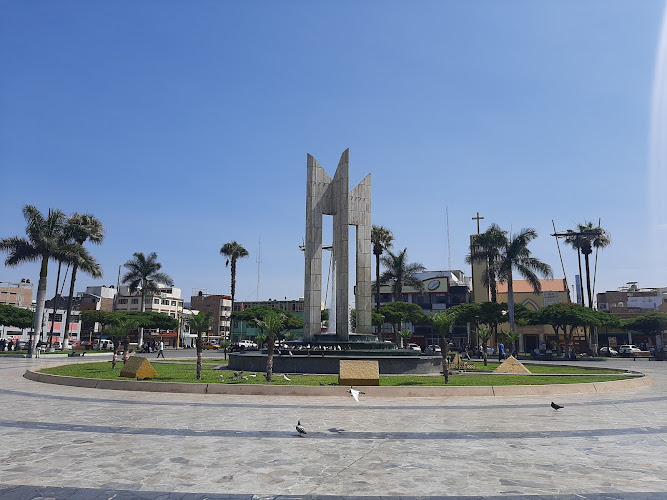
Chimbote Main Square
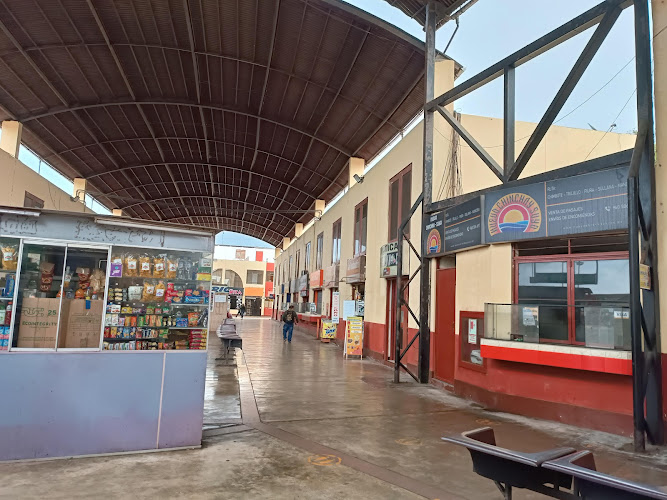
Terminal Terrestre Chimbote
Chancay&Angamos
Find Accommodations Nearby
Recommended Tours & Activities
Visitor Reviews
There are no reviews yet. Be the first one to write one.
Share Your Experience
Have you visited Chimbote? Help other travelers by leaving a review.