
Terminal Terrestre Chimbote
About Terminal Terrestre Chimbote
Description
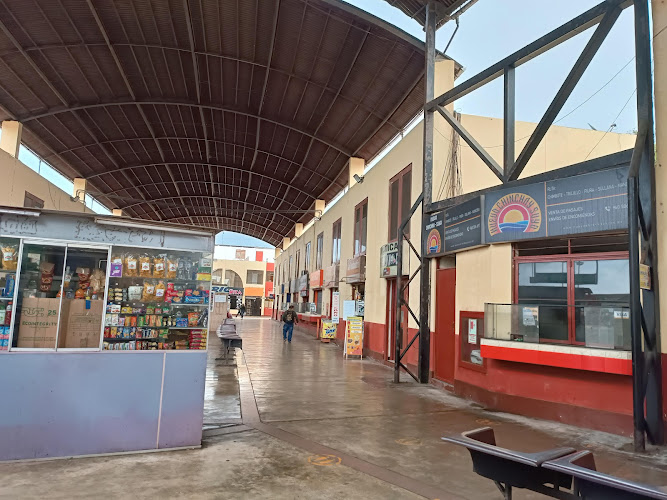
Terminal Terrestre Chimbote serves as the primary transportation hub for travelers moving in and out of this coastal Peruvian city. This bus terminal connects passengers to destinations throughout the country, making it an essential stop for anyone exploring the Ancash region or continuing their journey along Peru's diverse landscape. The facility handles daily departures and arrivals from multiple bus companies, creating a bustling atmosphere that reflects the rhythm of Peruvian travel culture. You'll find that this terminal operates as more than just a transit point. It's honestly become a microcosm of Chimbote itself, where locals and tourists intersect during their travels. The terminal accommodates thousands of passengers each month, with services ranging from economy buses to more premium options that offer reclining seats and onboard amenities for longer journeys. What strikes most visitors is the sheer variety of destinations available from this single location. Whether you're heading north toward Trujillo and the beaches of Mancora or south to Lima and beyond, the terminal provides numerous daily options. And this accessibility makes it particularly valuable for travelers who prefer overland transportation or those on tighter budgets looking to explore Peru without the expense of domestic flights. The facility itself has evolved over the years to accommodate growing passenger numbers and changing expectations. While it maintains a functional, no-frills approach to transportation services, recent improvements have addressed some of the concerns that travelers might have when navigating a busy South American bus terminal.Key Features
The Terminal Terrestre Chimbote offers several features that travelers should know about before their visit: • Full wheelchair accessibility throughout the facility, including dedicated entrances, parking areas, restrooms, and seating sections that accommodate travelers with mobility challenges • On-site restroom facilities available for passenger use, though you'll want to bring small bills for any attendant fees • Designated paid parking lot for those arriving by private vehicle or taxi, with spaces specifically reserved for accessible parking • LGBTQ+ friendly environment and transgender safe space designation, which is particularly noteworthy in a region where such explicit inclusivity isn't always guaranteed • Multiple ticket counters representing various bus companies, allowing you to compare prices and departure times in person • Waiting areas with seating, though availability varies depending on peak travel times • Small vendors selling snacks, beverages, and basic travel necessities • Security presence throughout the terminal, providing a degree of oversight for passenger safety But I'll be honest with you - this isn't a modern airport-style terminal with extensive amenities. It's a working transportation hub that prioritizes function over luxury, which is exactly what you'd expect from a regional bus terminal in Peru.Best Time to Visit
Timing your arrival at Terminal Terrestre Chimbote can significantly impact your experience. The terminal operates year-round, but certain patterns emerge that savvy travelers should consider. Weekday mornings, particularly Tuesday through Thursday, tend to be less congested than weekend departures when locals travel for family visits or short trips. If you're flexible with your schedule, aim for these quieter periods. Friday afternoons and evenings get absolutely packed with people heading out for weekends, and you'll find yourself navigating through considerably larger crowds. Holiday periods transform the terminal into something resembling controlled chaos. Major Peruvian holidays like Fiestas Patrias in late July, Christmas, and New Year's see passenger numbers spike dramatically. During these times, arriving at least two hours before your scheduled departure becomes essential rather than optional. Early morning departures, those leaving between 5:00 AM and 7:00 AM, often mean arriving while it's still dark. The terminal area is generally safe during these hours, but you'll want to arrange transportation to the terminal in advance rather than wandering around looking for a taxi in the pre-dawn darkness. From a weather perspective, Chimbote's coastal location means relatively stable temperatures throughout the year. However, the winter months from June through September bring overcast skies and cooler temperatures. The terminal itself isn't heavily climate-controlled, so dress accordingly for potential waiting periods. I'd personally recommend arriving during daylight hours when possible, simply because it's easier to orient yourself and assess your surroundings. The terminal layout becomes more straightforward when you can clearly see signage and identify the correct bus company platforms.How to Get There
Reaching Terminal Terrestre Chimbote requires some planning, especially if you're unfamiliar with the city layout. The terminal sits in a location that's accessible from various parts of Chimbote, though it's not exactly in the city center. Most travelers arriving in Chimbote for the first time will come by bus from other Peruvian cities and will therefore arrive directly at the terminal. But if you're staying in Chimbote and need to reach the terminal for departure, you have several options. Taxis remain the most straightforward choice for most visitors. You can hail taxis from virtually anywhere in Chimbote, though I'd strongly suggest asking your hotel or accommodation to call a trusted taxi service rather than flagging down random vehicles on the street. Negotiate or confirm the fare before getting in - this isn't negotiable advice, it's essential. Most rides from central Chimbote hotels to the terminal run between 10-20 soles depending on your exact starting point and traffic conditions. Local combis and colectivos (shared minivans) also service routes that pass near the terminal. These cost significantly less than private taxis but require familiarity with the route system and usually involve carrying your luggage while standing in a crowded vehicle. If you're traveling light and feeling adventurous, this option provides an authentic local experience. For those driving, the paid parking lot accommodates personal vehicles. Just remember that if you're planning to leave your car for an extended period while traveling, confirm with terminal staff about maximum parking durations and fees. Walking to the terminal is generally not recommended unless you're staying very nearby. Chimbote's street layout and traffic patterns don't particularly favor pedestrians hauling luggage, and the security concerns of walking with visible baggage outweigh any cost savings.Tips for Visiting
Navigating Terminal Terrestre Chimbote successfully requires some practical knowledge that guidebooks don't always cover. These tips come from the reality of what travelers actually encounter. Arrive earlier than you think necessary. While showing up three hours early like at an international airport seems excessive, giving yourself at least 45 minutes to an hour before departure prevents stress. Bus companies sometimes change platform assignments, and locating the correct departure point can take longer than expected, especially during busy periods. Keep your belongings secure at all times. This sounds obvious, but the terminal environment presents numerous distractions. Pickpocketing occurs, and bags left unattended even momentarily can disappear. I always keep my daypack in front of me rather than on my back, and I never place anything valuable on seats beside me while waiting. Bring small denomination bills. You'll need these for restroom attendants, snacks from vendors, and sometimes even for paying small fees that crop up. Breaking large bills can be surprisingly difficult, and vendors aren't obligated to make change for you. Verify your ticket information multiple times. Double-check the bus company name, departure time, platform number, and destination. Mistakes happen, and catching an error before boarding beats discovering mid-journey that you're on the wrong bus. Don't expect extensive food options inside the terminal. The vendors sell basics - bottled water, chips, cookies, maybe some fruit. If you're traveling on a long-haul bus, stock up on proper meals and snacks before arriving at the terminal. The wheelchair accessibility features are genuinely functional, which deserves mention because this isn't always the case in Peru. Travelers with mobility needs can actually use this terminal, though I'd still recommend arriving with extra time to navigate the space. For LGBTQ+ travelers, the designated safe space designation provides some reassurance, though as with anywhere in Peru, discretion regarding public displays of affection remains advisable. The terminal staff generally maintain a professional, welcoming attitude toward all passengers. Consider your luggage carefully before arrival. While you might be tempted to bring everything you own, remember that you'll be managing your bags through the terminal, possibly up stairs or through crowded areas. Pack light if possible, or at minimum ensure you can physically handle your own luggage without assistance. Trust your instincts about people who approach you. Legitimate bus company representatives will be at official ticket counters, not wandering through the terminal offering "special deals" or insisting you follow them somewhere. Scams targeting travelers exist, and the terminal environment provides cover for opportunistic individuals. Bathrooms require small change for attendants, typically 1 sol or sometimes 50 centavos. They're not always in pristine condition, but they're functional. Carry hand sanitizer because soap and running water aren't guaranteed. If you're catching a night bus, which many travelers do to save on accommodation costs, the waiting area can get chilly. Bring a light jacket even if daytime temperatures are warm. And honestly, don't expect to get much rest while waiting - the terminal maintains a constant level of activity and noise. Purchase your ticket in advance when possible, especially for popular routes or holiday travel. While walk-up purchases work for many departures, securing your seat ahead of time eliminates uncertainty and often provides better seat selection.Key Features
- Multiple interprovincial and regional bus operators serving Ancash and long‑distance routes
- Central location with easy access to the city and local transport links
- On-site ticket booths and travel agencies (including Cruz del Sur and other carriers)
- Food and convenience vendors for quick meals and travel essentials
- Facilities for luggage handling and frequent departures throughout the day
More Details
Updated March 30, 2026
Table of Contents
Description
Terminal Terrestre Chimbote serves as the primary transportation hub for travelers moving in and out of this coastal Peruvian city. This bus terminal connects passengers to destinations throughout the country, making it an essential stop for anyone exploring the Ancash region or continuing their journey along Peru’s diverse landscape. The facility handles daily departures and arrivals from multiple bus companies, creating a bustling atmosphere that reflects the rhythm of Peruvian travel culture.
You’ll find that this terminal operates as more than just a transit point. It’s honestly become a microcosm of Chimbote itself, where locals and tourists intersect during their travels. The terminal accommodates thousands of passengers each month, with services ranging from economy buses to more premium options that offer reclining seats and onboard amenities for longer journeys.
What strikes most visitors is the sheer variety of destinations available from this single location. Whether you’re heading north toward Trujillo and the beaches of Mancora or south to Lima and beyond, the terminal provides numerous daily options. And this accessibility makes it particularly valuable for travelers who prefer overland transportation or those on tighter budgets looking to explore Peru without the expense of domestic flights.
The facility itself has evolved over the years to accommodate growing passenger numbers and changing expectations. While it maintains a functional, no-frills approach to transportation services, recent improvements have addressed some of the concerns that travelers might have when navigating a busy South American bus terminal.
Key Features
The Terminal Terrestre Chimbote offers several features that travelers should know about before their visit:
• Full wheelchair accessibility throughout the facility, including dedicated entrances, parking areas, restrooms, and seating sections that accommodate travelers with mobility challenges
• On-site restroom facilities available for passenger use, though you’ll want to bring small bills for any attendant fees
• Designated paid parking lot for those arriving by private vehicle or taxi, with spaces specifically reserved for accessible parking
• LGBTQ+ friendly environment and transgender safe space designation, which is particularly noteworthy in a region where such explicit inclusivity isn’t always guaranteed
• Multiple ticket counters representing various bus companies, allowing you to compare prices and departure times in person
• Waiting areas with seating, though availability varies depending on peak travel times
• Small vendors selling snacks, beverages, and basic travel necessities
• Security presence throughout the terminal, providing a degree of oversight for passenger safety
But I’ll be honest with you – this isn’t a modern airport-style terminal with extensive amenities. It’s a working transportation hub that prioritizes function over luxury, which is exactly what you’d expect from a regional bus terminal in Peru.
Best Time to Visit
Timing your arrival at Terminal Terrestre Chimbote can significantly impact your experience. The terminal operates year-round, but certain patterns emerge that savvy travelers should consider.
Weekday mornings, particularly Tuesday through Thursday, tend to be less congested than weekend departures when locals travel for family visits or short trips. If you’re flexible with your schedule, aim for these quieter periods. Friday afternoons and evenings get absolutely packed with people heading out for weekends, and you’ll find yourself navigating through considerably larger crowds.
Holiday periods transform the terminal into something resembling controlled chaos. Major Peruvian holidays like Fiestas Patrias in late July, Christmas, and New Year’s see passenger numbers spike dramatically. During these times, arriving at least two hours before your scheduled departure becomes essential rather than optional.
Early morning departures, those leaving between 5:00 AM and 7:00 AM, often mean arriving while it’s still dark. The terminal area is generally safe during these hours, but you’ll want to arrange transportation to the terminal in advance rather than wandering around looking for a taxi in the pre-dawn darkness.
From a weather perspective, Chimbote’s coastal location means relatively stable temperatures throughout the year. However, the winter months from June through September bring overcast skies and cooler temperatures. The terminal itself isn’t heavily climate-controlled, so dress accordingly for potential waiting periods.
I’d personally recommend arriving during daylight hours when possible, simply because it’s easier to orient yourself and assess your surroundings. The terminal layout becomes more straightforward when you can clearly see signage and identify the correct bus company platforms.
How to Get There
Reaching Terminal Terrestre Chimbote requires some planning, especially if you’re unfamiliar with the city layout. The terminal sits in a location that’s accessible from various parts of Chimbote, though it’s not exactly in the city center.
Most travelers arriving in Chimbote for the first time will come by bus from other Peruvian cities and will therefore arrive directly at the terminal. But if you’re staying in Chimbote and need to reach the terminal for departure, you have several options.
Taxis remain the most straightforward choice for most visitors. You can hail taxis from virtually anywhere in Chimbote, though I’d strongly suggest asking your hotel or accommodation to call a trusted taxi service rather than flagging down random vehicles on the street. Negotiate or confirm the fare before getting in – this isn’t negotiable advice, it’s essential. Most rides from central Chimbote hotels to the terminal run between 10-20 soles depending on your exact starting point and traffic conditions.
Local combis and colectivos (shared minivans) also service routes that pass near the terminal. These cost significantly less than private taxis but require familiarity with the route system and usually involve carrying your luggage while standing in a crowded vehicle. If you’re traveling light and feeling adventurous, this option provides an authentic local experience.
For those driving, the paid parking lot accommodates personal vehicles. Just remember that if you’re planning to leave your car for an extended period while traveling, confirm with terminal staff about maximum parking durations and fees.
Walking to the terminal is generally not recommended unless you’re staying very nearby. Chimbote’s street layout and traffic patterns don’t particularly favor pedestrians hauling luggage, and the security concerns of walking with visible baggage outweigh any cost savings.
Tips for Visiting
Navigating Terminal Terrestre Chimbote successfully requires some practical knowledge that guidebooks don’t always cover. These tips come from the reality of what travelers actually encounter.
Arrive earlier than you think necessary. While showing up three hours early like at an international airport seems excessive, giving yourself at least 45 minutes to an hour before departure prevents stress. Bus companies sometimes change platform assignments, and locating the correct departure point can take longer than expected, especially during busy periods.
Keep your belongings secure at all times. This sounds obvious, but the terminal environment presents numerous distractions. Pickpocketing occurs, and bags left unattended even momentarily can disappear. I always keep my daypack in front of me rather than on my back, and I never place anything valuable on seats beside me while waiting.
Bring small denomination bills. You’ll need these for restroom attendants, snacks from vendors, and sometimes even for paying small fees that crop up. Breaking large bills can be surprisingly difficult, and vendors aren’t obligated to make change for you.
Verify your ticket information multiple times. Double-check the bus company name, departure time, platform number, and destination. Mistakes happen, and catching an error before boarding beats discovering mid-journey that you’re on the wrong bus.
Don’t expect extensive food options inside the terminal. The vendors sell basics – bottled water, chips, cookies, maybe some fruit. If you’re traveling on a long-haul bus, stock up on proper meals and snacks before arriving at the terminal.
The wheelchair accessibility features are genuinely functional, which deserves mention because this isn’t always the case in Peru. Travelers with mobility needs can actually use this terminal, though I’d still recommend arriving with extra time to navigate the space.
For LGBTQ+ travelers, the designated safe space designation provides some reassurance, though as with anywhere in Peru, discretion regarding public displays of affection remains advisable. The terminal staff generally maintain a professional, welcoming attitude toward all passengers.
Consider your luggage carefully before arrival. While you might be tempted to bring everything you own, remember that you’ll be managing your bags through the terminal, possibly up stairs or through crowded areas. Pack light if possible, or at minimum ensure you can physically handle your own luggage without assistance.
Trust your instincts about people who approach you. Legitimate bus company representatives will be at official ticket counters, not wandering through the terminal offering “special deals” or insisting you follow them somewhere. Scams targeting travelers exist, and the terminal environment provides cover for opportunistic individuals.
Bathrooms require small change for attendants, typically 1 sol or sometimes 50 centavos. They’re not always in pristine condition, but they’re functional. Carry hand sanitizer because soap and running water aren’t guaranteed.
If you’re catching a night bus, which many travelers do to save on accommodation costs, the waiting area can get chilly. Bring a light jacket even if daytime temperatures are warm. And honestly, don’t expect to get much rest while waiting – the terminal maintains a constant level of activity and noise.
Purchase your ticket in advance when possible, especially for popular routes or holiday travel. While walk-up purchases work for many departures, securing your seat ahead of time eliminates uncertainty and often provides better seat selection.
Key Highlights
- Multiple interprovincial and regional bus operators serving Ancash and long‑distance routes
- Central location with easy access to the city and local transport links
- On-site ticket booths and travel agencies (including Cruz del Sur and other carriers)
- Food and convenience vendors for quick meals and travel essentials
- Facilities for luggage handling and frequent departures throughout the day
Location
Places to Stay Near Terminal Terrestre Chimbote
Find and Book a Tour
Explore More Travel Guides
No reviews found! Be the first to review!
Terminal Terrestre Chimbote is a prominent Servicio de transporte located in Chimbote.
Visit us at: VCWV+733, 1N, Chimbote 02804, Peru.
Traveler Reviews for Terminal Terrestre Chimbote
There are no reviews yet. Be the first one to write one.
Have you visited Terminal Terrestre Chimbote? Help other travelers by sharing your review.
Nearby Attractions
You Might Also Like
Chimbote Main Square
TerminalPesqueroLaCaleta
Chancay&Angamos
Find Accommodations Nearby
Recommended Tours & Activities
Visitor Reviews
There are no reviews yet. Be the first one to write one.
Share Your Experience
Have you visited Terminal Terrestre Chimbote? Help other travelers by leaving a review.