
Chilehaus
About Chilehaus
Description
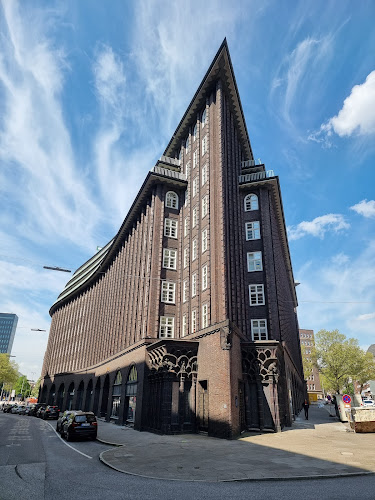
Chilehaus in Hamburg is one of those places that quietly takes your breath away. It’s not flashy or loud, but it has this kind of steady, old-world confidence about it. Built in the 1920s, this architectural gem stands as a symbol of Hamburg’s post-war resilience and its maritime soul. Designed by Fritz Höger, the building’s sharp, ship-like prow seems to slice through the air — a bold nod to the city’s deep connection with the sea. Every time someone rounds the corner and catches sight of that pointed façade, there’s usually a little gasp. I remember my first time seeing it — I actually stopped mid-step because it looked like the bow of a massive brick ship about to set sail right through the city streets.
What makes Chilehaus so fascinating isn’t just its shape. It’s the craftsmanship. Thousands of dark brown clinker bricks were meticulously laid to create this expressionist masterpiece, and when the sunlight hits them at the right angle, the whole building glows with a warm, reddish hue. It’s almost poetic, really — a building made of clay and fire that somehow feels alive. Inside, it’s a mix of modern offices, cozy restaurants, and boutique shops. The atmosphere has that quiet hum of history meeting the everyday bustle of modern life. You might hear the faint clink of coffee cups from a café tucked away in one of its courtyards or the echo of footsteps in its arched corridors. It’s a living landmark, not just a museum piece.
And while most people come for the architecture, what they often take away is a sense of calm. Maybe it’s the symmetry, or maybe it’s knowing that this building has stood through nearly a century of change. Either way, Chilehaus has that rare ability to make you pause — to look up, to breathe, and to appreciate the artistry of the past.
Key Features
- Iconic 1920s brick expressionist architecture designed by Fritz Höger
- Distinctive ship-like shape symbolizing Hamburg’s maritime heritage
- Constructed with over 4.8 million dark clinker bricks
- UNESCO World Heritage Site (part of the Kontorhaus District)
- Mixture of offices, restaurants, and boutique shops within the building
- Wheelchair accessible entrance and pathways
- Beautifully lit façade at night, perfect for evening photography
- Central location near Hamburg’s main attractions and shopping areas
Best Time to Visit
If you ask me, the best time to visit Chilehaus is during the late afternoon — that golden hour when the sun dips low and the bricks seem to glow from within. But honestly, it depends on what you’re after. In summer, the nearby cafés spill out onto the sidewalks, and you can sip an espresso while watching the light play across the building’s curves. In winter, it’s quieter, almost contemplative, and the Christmas lights in the surrounding area make it feel straight out of a storybook.
Spring and autumn are ideal if you want fewer crowds but still enjoy pleasant weather for walking tours. Early mornings are great for photographers — you’ll catch the building in soft light with hardly anyone around. And if you’re into architecture, try joining a guided tour. They often run year-round and give you access to some of the interior spaces most people never see.
How to Get There
Getting to Chilehaus is simple, even if you’re new to Hamburg. The building sits right in the heart of the city’s historic Kontorhaus District, a short stroll from the main train station. You can hop on the U-Bahn and get off at Mönckebergstraße or Meßberg — both stops are just a few minutes’ walk away. If you’re already exploring the city center, it’s an easy detour on foot. And honestly, walking is the best way to approach it. The surrounding streets are lined with other architectural treasures, so you get this slow build-up before Chilehaus suddenly appears in front of you like the grand finale.
For those who prefer public transport, Hamburg’s system is clean, efficient, and easy to navigate. Buses also stop nearby, and there’s plenty of signage pointing you in the right direction. If you’re driving, there are parking garages close by, though I’d recommend leaving the car behind — the area’s narrow streets are better enjoyed on foot. Plus, you’ll want your hands free for your camera or that inevitable pastry from a nearby bakery.
Tips for Visiting
Here’s the thing about Chilehaus — it’s easy to rush through it, snap a few photos, and move on. But don’t. Slow down. Walk around it. Circle it. Each side offers a slightly different perspective, and the way the light hits the bricks changes throughout the day. If you’re into photography, bring a wide-angle lens — the narrow streets make it tricky to capture the full ship-like form otherwise.
Wear comfortable shoes because you’ll want to explore the surrounding Kontorhaus District too. The nearby Sprinkenhof and Meßberghof buildings share the same architectural DNA and are worth a peek. And if you’re a coffee lover like me, there’s a tiny café tucked into one of the courtyards that serves the smoothest cappuccino I’ve had in Hamburg — no exaggeration. It’s the kind of place where locals linger, and that’s always a good sign.
Accessibility is another plus. The entrance is wheelchair-friendly, and the area around the building is flat and easy to navigate. If you’re visiting during the weekend, mornings are quieter, making it easier to take in the details without the weekday office crowd. And for those who love a good night shot, come back after sunset. The building’s lighting design is subtle but dramatic — it highlights the curves and edges in a way that makes the whole structure look almost cinematic.
One last thing — don’t just look at Chilehaus as a piece of architecture. Think of it as a story in brick form. It was built during a time of economic optimism, funded by a shipping magnate who made his fortune trading with Chile (hence the name). It’s a reminder of Hamburg’s global connections and its ability to rebuild and reinvent itself. And maybe that’s why people keep coming back — not just to admire the design, but to feel that quiet sense of endurance it represents.
So if you find yourself wandering through Hamburg with a bit of time to spare, let Chilehaus surprise you. It’s not the kind of landmark that shouts for attention — it’s the kind that rewards curiosity. And in a city full of modern glass towers and bustling harbors, this brick-built ship still holds its course, steady and proud, a testament to the art of building with soul.
Key Features
- Iconic 1920s brick expressionist architecture designed by Fritz Höger
- Distinctive ship-like shape symbolizing Hamburg’s maritime heritage
- Constructed with over 4.8 million dark clinker bricks
- UNESCO World Heritage Site (part of the Kontorhaus District)
- Mixture of offices, restaurants, and boutique shops within the building
- Wheelchair accessible entrance and pathways
- Beautifully lit façade at night, perfect for evening photography
- Central location near Hamburg’s main attractions and shopping areas
More Details
Updated October 11, 2025
Table of Contents Chilehaus in Hamburg is one of those places that quietly takes your breath away. It’s not flashy or loud, but it has this kind of steady, old-world confidence about it. Built in the 1920s, this architectural gem stands as a symbol of Hamburg’s post-war resilience and its maritime soul. Designed by Fritz Höger, the building’s sharp, ship-like prow seems to slice through the air — a bold nod to the city’s deep connection with the sea. Every time someone rounds the corner and catches sight of that pointed façade, there’s usually a little gasp. I remember my first time seeing it — I actually stopped mid-step because it looked like the bow of a massive brick ship about to set sail right through the city streets. What makes Chilehaus so fascinating isn’t just its shape. It’s the craftsmanship. Thousands of dark brown clinker bricks were meticulously laid to create this expressionist masterpiece, and when the sunlight hits them at the right angle, the whole building glows with a warm, reddish hue. It’s almost poetic, really — a building made of clay and fire that somehow feels alive. Inside, it’s a mix of modern offices, cozy restaurants, and boutique shops. The atmosphere has that quiet hum of history meeting the everyday bustle of modern life. You might hear the faint clink of coffee cups from a café tucked away in one of its courtyards or the echo of footsteps in its arched corridors. It’s a living landmark, not just a museum piece. And while most people come for the architecture, what they often take away is a sense of calm. Maybe it’s the symmetry, or maybe it’s knowing that this building has stood through nearly a century of change. Either way, Chilehaus has that rare ability to make you pause — to look up, to breathe, and to appreciate the artistry of the past. If you ask me, the best time to visit Chilehaus is during the late afternoon — that golden hour when the sun dips low and the bricks seem to glow from within. But honestly, it depends on what you’re after. In summer, the nearby cafés spill out onto the sidewalks, and you can sip an espresso while watching the light play across the building’s curves. In winter, it’s quieter, almost contemplative, and the Christmas lights in the surrounding area make it feel straight out of a storybook. Spring and autumn are ideal if you want fewer crowds but still enjoy pleasant weather for walking tours. Early mornings are great for photographers — you’ll catch the building in soft light with hardly anyone around. And if you’re into architecture, try joining a guided tour. They often run year-round and give you access to some of the interior spaces most people never see. Getting to Chilehaus is simple, even if you’re new to Hamburg. The building sits right in the heart of the city’s historic Kontorhaus District, a short stroll from the main train station. You can hop on the U-Bahn and get off at Mönckebergstraße or Meßberg — both stops are just a few minutes’ walk away. If you’re already exploring the city center, it’s an easy detour on foot. And honestly, walking is the best way to approach it. The surrounding streets are lined with other architectural treasures, so you get this slow build-up before Chilehaus suddenly appears in front of you like the grand finale. For those who prefer public transport, Hamburg’s system is clean, efficient, and easy to navigate. Buses also stop nearby, and there’s plenty of signage pointing you in the right direction. If you’re driving, there are parking garages close by, though I’d recommend leaving the car behind — the area’s narrow streets are better enjoyed on foot. Plus, you’ll want your hands free for your camera or that inevitable pastry from a nearby bakery. Here’s the thing about Chilehaus — it’s easy to rush through it, snap a few photos, and move on. But don’t. Slow down. Walk around it. Circle it. Each side offers a slightly different perspective, and the way the light hits the bricks changes throughout the day. If you’re into photography, bring a wide-angle lens — the narrow streets make it tricky to capture the full ship-like form otherwise. Wear comfortable shoes because you’ll want to explore the surrounding Kontorhaus District too. The nearby Sprinkenhof and Meßberghof buildings share the same architectural DNA and are worth a peek. And if you’re a coffee lover like me, there’s a tiny café tucked into one of the courtyards that serves the smoothest cappuccino I’ve had in Hamburg — no exaggeration. It’s the kind of place where locals linger, and that’s always a good sign. Accessibility is another plus. The entrance is wheelchair-friendly, and the area around the building is flat and easy to navigate. If you’re visiting during the weekend, mornings are quieter, making it easier to take in the details without the weekday office crowd. And for those who love a good night shot, come back after sunset. The building’s lighting design is subtle but dramatic — it highlights the curves and edges in a way that makes the whole structure look almost cinematic. One last thing — don’t just look at Chilehaus as a piece of architecture. Think of it as a story in brick form. It was built during a time of economic optimism, funded by a shipping magnate who made his fortune trading with Chile (hence the name). It’s a reminder of Hamburg’s global connections and its ability to rebuild and reinvent itself. And maybe that’s why people keep coming back — not just to admire the design, but to feel that quiet sense of endurance it represents. So if you find yourself wandering through Hamburg with a bit of time to spare, let Chilehaus surprise you. It’s not the kind of landmark that shouts for attention — it’s the kind that rewards curiosity. And in a city full of modern glass towers and bustling harbors, this brick-built ship still holds its course, steady and proud, a testament to the art of building with soul.Description
Key Features
Best Time to Visit
How to Get There
Tips for Visiting
Key Highlights
- Iconic 1920s brick expressionist architecture designed by Fritz Höger
- Distinctive ship-like shape symbolizing Hamburg’s maritime heritage
- Constructed with over 4.8 million dark clinker bricks
- UNESCO World Heritage Site (part of the Kontorhaus District)
- Mixture of offices, restaurants, and boutique shops within the building
- Wheelchair accessible entrance and pathways
- Beautifully lit façade at night, perfect for evening photography
- Central location near Hamburg’s main attractions and shopping areas
Location
Places to Stay Near Chilehaus
Find and Book a Tour
Explore More Travel Guides
No reviews found! Be the first to review!
Traveler Reviews for Chilehaus
There are no reviews yet. Be the first one to write one.
Have you visited Chilehaus? Help other travelers by sharing your review.
You Might Also Like
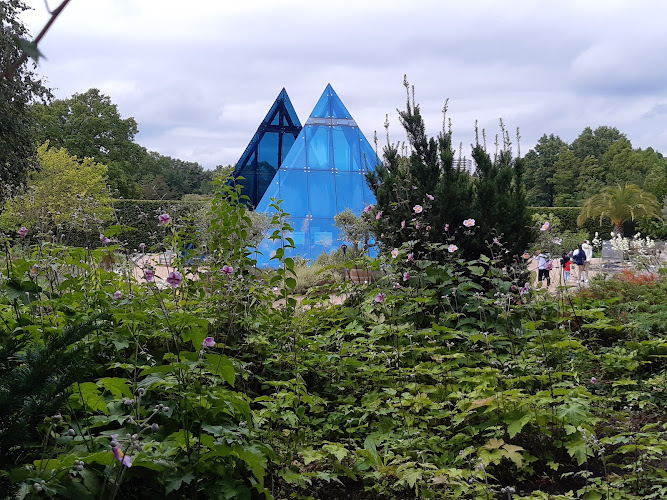
Loki-Schmidt-Haus – Museum für Nutzpflanzen
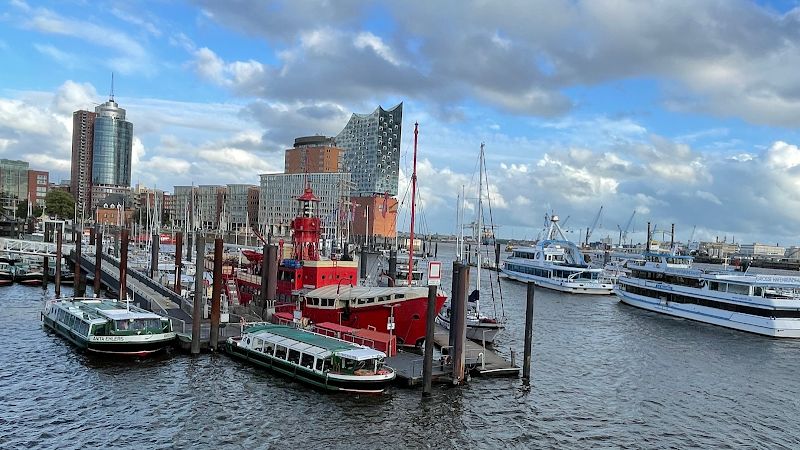
Hafenjungs
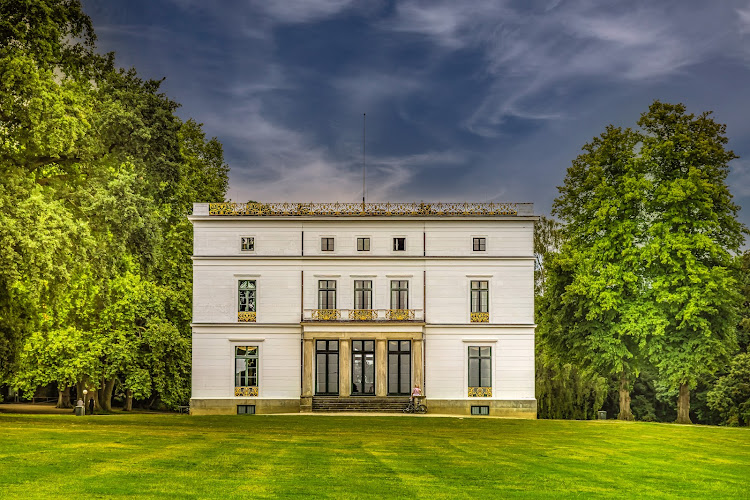
Jenisch House
Find Accommodations Nearby
Recommended Tours & Activities
Visitor Reviews
There are no reviews yet. Be the first one to write one.
Share Your Experience
Have you visited Chilehaus? Help other travelers by leaving a review.