About Chatterjee Plaza.

Description

Chatterjee Plaza represents one of those urban market spaces that has genuinely evolved alongside the community it serves. This isn't your typical tourist trap bazaar with overpriced trinkets and pushy vendors - it's a working market that locals actually use, which frankly makes it all the more interesting for travelers looking to experience authentic daily life rather than staged cultural performances. The market operates as a multi-vendor complex where you'll find everything from fresh produce to clothing, household goods to electronics. And while it might not have the polished aesthetic of modern shopping malls, that's precisely where its character lies. The atmosphere here feels lived-in, real, and decidedly unpretentious. You'll hear haggling in multiple languages, smell street food cooking in corners you haven't explored yet, and witness the kind of commercial hustle that defines marketplaces across the world. What struck me during my visits was how the place manages to serve both practical shoppers and curious wanderers without losing its identity. Sure, some sections feel more chaotic than others, and you'll occasionally encounter vendors having off days, but that's markets for you. They're organic spaces that shift with weather, seasons, and the collective mood of hundreds of people trying to make a living. The infrastructure supports modern payment methods including debit cards and NFC mobile payments, which honestly surprised me the first time I tapped my phone to pay for spices. It's this blend of traditional market culture with contemporary convenience that makes Chatterjee Plaza worth your time. You're not stuck carrying wads of cash, which makes the entire experience less stressful and more spontaneous.

Key Features

  • Multi-vendor marketplace offering diverse product categories from fresh produce to electronics and apparel
  • Modern payment infrastructure accepting debit cards and contactless NFC mobile payments alongside traditional cash transactions
  • Onsite services available for customer convenience and immediate assistance
  • Authentic local shopping environment frequented by residents for everyday purchases
  • Mix of permanent stalls and rotating vendors creating variety with each visit
  • Food vendors and snack stalls scattered throughout the market complex
  • Covered and open-air sections providing shopping options regardless of weather conditions
  • Competitive pricing due to vendor proximity and natural market competition
  • Opportunities for price negotiation in many stalls, particularly for bulk purchases
  • Central location making it accessible from various parts of the surrounding area

Best Time to Visit

Timing your visit to Chatterjee Plaza can genuinely make or break your experience, and I learned this the hard way after showing up on a sweltering afternoon when half the vendors looked ready to pack it in for the day. Early mornings, particularly between 8 AM and 11 AM, offer the best overall experience. The market hums with fresh energy, vendors have their full inventory displayed, and the temperatures haven't climbed to uncomfortable levels yet. If you're interested in fresh produce or food items, morning visits are non-negotiable - you'll get the pick of the day's offerings before they're picked over or wilted by afternoon heat. Weekday mornings tend to be less crowded than weekends, which matters if you're someone who gets overwhelmed in dense crowds or wants to actually browse without constantly navigating around other shoppers. But weekends do have their own appeal - more vendors sometimes set up temporary stalls, and there's an undeniable buzz that comes with peak shopping hours. Avoid late afternoons during summer months unless you enjoy shopping in an oven. The combination of heat, fatigue from both shoppers and sellers, and dwindling inventory makes it less than ideal. However, if you're specifically hunting for end-of-day bargains and don't mind picked-over selections, some vendors do discount perishables rather than haul them home. The monsoon season requires strategic planning. While covered sections provide shelter, navigating between them means dealing with rain, and the entire market takes on a different character when waterlogged. Some vendors don't show up during heavy rain, so you might find reduced options. Festival periods transform Chatterjee Plaza completely. The market becomes absolutely packed with shoppers preparing for celebrations, prices sometimes creep upward due to demand, but the atmosphere becomes infectiously festive. If you want to witness the market at its most energetic and culturally rich, timing a visit around local festivals provides unforgettable experiences despite the crowds.

How to Get There

Getting to Chatterjee Plaza doesn't require expedition-level planning, though having a basic navigation strategy helps, especially if you're unfamiliar with the area. Public transportation serves the market reasonably well. Local buses stop within walking distance, and asking drivers or conductors about the Chatterjee Plaza stop usually gets you pointed in the right direction. The beauty of taking buses is experiencing the commute alongside locals - you'll get a feel for the rhythm of daily life before even reaching the market. Auto-rickshaws and cycle-rickshaws know the location well since it's a recognized landmark in the area. Negotiating fares beforehand prevents misunderstandings later, and most drivers quote reasonable rates for this destination. I've found that rickshaw drivers often have insider knowledge about which entrances are less congested depending on the time of day. If you're using ride-sharing apps, the location is typically marked and recognized by drivers. Drop-off points vary, but drivers familiar with the area know where to let passengers off for easiest access. Just be prepared for traffic congestion during peak hours, which can extend your journey time significantly. For those driving themselves, parking exists but fills up quickly during busy periods. Arriving early secures better parking spots, and having small bills ready for parking attendants saves hassle. The parking situation isn't elaborate - think designated areas rather than multi-story structures - so managing expectations helps. Walking to Chatterjee Plaza from nearby neighborhoods is entirely feasible and actually recommended if you're staying within reasonable distance. You'll navigate through surrounding streets, observe local architecture, and arrive with a better sense of the market's geographic and cultural context. First-time visitors should consider downloading offline maps beforehand since mobile signals can get wonky in crowded market areas. Marking the entrance you used helps tremendously when trying to find your way back, because the market sprawls enough that exiting from a different side than you entered can be genuinely disorienting.

Tips for Visiting

Let me share some practical wisdom gathered from both successful visits and a few face-palm moments at Chatterjee Plaza. Dress practically, not fashionably. You'll be walking on surfaces that range from smooth concrete to questionable puddles, navigating through tight spaces, and possibly squatting to examine lower-shelf items. Comfortable, closed-toe shoes are essential. Save the sandals for beach destinations. And pockets with zippers or buttons keep your belongings secure in crowded sections. Bring multiple payment options despite the modern payment infrastructure. While many vendors accept cards and mobile payments, smaller stalls still operate cash-only. Having a mix of large and small bills prevents the "I don't have change" dance that wastes everyone's time. I typically carry about 60% of my intended budget in cash and rely on cards for larger purchases. Hydration matters more than you'd think. The market generates its own microclimate - body heat, cooking fires, and limited ventilation in covered areas create stuffy conditions. Carrying a water bottle keeps you functional during extended browsing sessions. Some vendors sell bottled water, but having your own means not interrupting your shopping rhythm. Bargaining is expected in many stalls but know where it's appropriate. Fixed-price shops clearly mark items and won't negotiate, while traditional vendors typically quote initial prices with room for discussion. Start friendly, never aggressive. I usually counter at about 70% of the initial asking price and meet somewhere in the middle. But if you're buying something worth just a few dollars, consider whether haggling over pennies is really worth it. Take photographs respectfully. Some vendors welcome cameras, others find them intrusive or worry about business secrets being shared with competitors. Always ask permission before photographing people or their stalls. Candid street photography enthusiasts should be particularly mindful - this is someone's workplace, not a staged photo set. Explore beyond the main aisles. The most interesting finds often hide in corner stalls and secondary sections that casual visitors miss. Some of my favorite discoveries came from wandering down passages that looked unpromising at first glance. That's where you find specialized vendors and people truly passionate about their specific products rather than general merchandise pushers. Watch your belongings constantly but don't be paranoid. Pickpockets exist in any crowded market worldwide, but creating a fortress around your bag ruins the experience. Keep valuables in front-facing pockets or crossbody bags, stay aware of your surroundings, and don't flash expensive electronics unnecessarily. Basic urban awareness goes a long way. Eat the street food, but choose wisely. Vendors cooking food fresh in front of you with high customer turnover generally offer safer bets than stalls with pre-made items sitting under questionable temperatures. Follow where you see locals eating - they know which vendors maintain standards and which to avoid. Don't rush. The market reveals itself gradually, and speed-shopping misses the entire point. Budget at least two to three hours for a meaningful visit, longer if you're a dedicated browser or want to eat and people-watch. Some sections deserve multiple passes because you'll notice different things each time. Learn a few local phrases beyond "hello" and "thank you." Even butchered attempts at the local language earn smiles and often better prices. Vendors appreciate effort, and those small linguistic bridges transform transactions into genuine exchanges. Finally, managing expectations prevents disappointment. Chatterjee Plaza isn't a curated heritage market designed for tourist Instagram feeds. It's a working commercial space with all the imperfections that implies - occasional mess, varying vendor attitudes, and hit-or-miss quality across different stalls. But accepting it as an authentic market rather than expecting a sanitized cultural experience allows you to appreciate what it actually offers rather than being disappointed by what it isn't.

Key Features

  • Authentic local market atmosphere with everyday goods
  • Cluster of small shops: groceries, hardware, textiles and services
  • Affordable street food and Bengali snack stalls
  • Convenient location on GT Road, Ushagram, near transport links
  • Well-used by locals — good for people-watching and practical shopping

More Details

Updated March 30, 2026

Description

Chatterjee Plaza represents one of those urban market spaces that has genuinely evolved alongside the community it serves. This isn’t your typical tourist trap bazaar with overpriced trinkets and pushy vendors – it’s a working market that locals actually use, which frankly makes it all the more interesting for travelers looking to experience authentic daily life rather than staged cultural performances.

The market operates as a multi-vendor complex where you’ll find everything from fresh produce to clothing, household goods to electronics. And while it might not have the polished aesthetic of modern shopping malls, that’s precisely where its character lies. The atmosphere here feels lived-in, real, and decidedly unpretentious. You’ll hear haggling in multiple languages, smell street food cooking in corners you haven’t explored yet, and witness the kind of commercial hustle that defines marketplaces across the world.

What struck me during my visits was how the place manages to serve both practical shoppers and curious wanderers without losing its identity. Sure, some sections feel more chaotic than others, and you’ll occasionally encounter vendors having off days, but that’s markets for you. They’re organic spaces that shift with weather, seasons, and the collective mood of hundreds of people trying to make a living.

The infrastructure supports modern payment methods including debit cards and NFC mobile payments, which honestly surprised me the first time I tapped my phone to pay for spices. It’s this blend of traditional market culture with contemporary convenience that makes Chatterjee Plaza worth your time. You’re not stuck carrying wads of cash, which makes the entire experience less stressful and more spontaneous.

Key Features

  • Multi-vendor marketplace offering diverse product categories from fresh produce to electronics and apparel
  • Modern payment infrastructure accepting debit cards and contactless NFC mobile payments alongside traditional cash transactions
  • Onsite services available for customer convenience and immediate assistance
  • Authentic local shopping environment frequented by residents for everyday purchases
  • Mix of permanent stalls and rotating vendors creating variety with each visit
  • Food vendors and snack stalls scattered throughout the market complex
  • Covered and open-air sections providing shopping options regardless of weather conditions
  • Competitive pricing due to vendor proximity and natural market competition
  • Opportunities for price negotiation in many stalls, particularly for bulk purchases
  • Central location making it accessible from various parts of the surrounding area

Best Time to Visit

Timing your visit to Chatterjee Plaza can genuinely make or break your experience, and I learned this the hard way after showing up on a sweltering afternoon when half the vendors looked ready to pack it in for the day.

Early mornings, particularly between 8 AM and 11 AM, offer the best overall experience. The market hums with fresh energy, vendors have their full inventory displayed, and the temperatures haven’t climbed to uncomfortable levels yet. If you’re interested in fresh produce or food items, morning visits are non-negotiable – you’ll get the pick of the day’s offerings before they’re picked over or wilted by afternoon heat.

Weekday mornings tend to be less crowded than weekends, which matters if you’re someone who gets overwhelmed in dense crowds or wants to actually browse without constantly navigating around other shoppers. But weekends do have their own appeal – more vendors sometimes set up temporary stalls, and there’s an undeniable buzz that comes with peak shopping hours.

Avoid late afternoons during summer months unless you enjoy shopping in an oven. The combination of heat, fatigue from both shoppers and sellers, and dwindling inventory makes it less than ideal. However, if you’re specifically hunting for end-of-day bargains and don’t mind picked-over selections, some vendors do discount perishables rather than haul them home.

The monsoon season requires strategic planning. While covered sections provide shelter, navigating between them means dealing with rain, and the entire market takes on a different character when waterlogged. Some vendors don’t show up during heavy rain, so you might find reduced options.

Festival periods transform Chatterjee Plaza completely. The market becomes absolutely packed with shoppers preparing for celebrations, prices sometimes creep upward due to demand, but the atmosphere becomes infectiously festive. If you want to witness the market at its most energetic and culturally rich, timing a visit around local festivals provides unforgettable experiences despite the crowds.

How to Get There

Getting to Chatterjee Plaza doesn’t require expedition-level planning, though having a basic navigation strategy helps, especially if you’re unfamiliar with the area.

Public transportation serves the market reasonably well. Local buses stop within walking distance, and asking drivers or conductors about the Chatterjee Plaza stop usually gets you pointed in the right direction. The beauty of taking buses is experiencing the commute alongside locals – you’ll get a feel for the rhythm of daily life before even reaching the market.

Auto-rickshaws and cycle-rickshaws know the location well since it’s a recognized landmark in the area. Negotiating fares beforehand prevents misunderstandings later, and most drivers quote reasonable rates for this destination. I’ve found that rickshaw drivers often have insider knowledge about which entrances are less congested depending on the time of day.

If you’re using ride-sharing apps, the location is typically marked and recognized by drivers. Drop-off points vary, but drivers familiar with the area know where to let passengers off for easiest access. Just be prepared for traffic congestion during peak hours, which can extend your journey time significantly.

For those driving themselves, parking exists but fills up quickly during busy periods. Arriving early secures better parking spots, and having small bills ready for parking attendants saves hassle. The parking situation isn’t elaborate – think designated areas rather than multi-story structures – so managing expectations helps.

Walking to Chatterjee Plaza from nearby neighborhoods is entirely feasible and actually recommended if you’re staying within reasonable distance. You’ll navigate through surrounding streets, observe local architecture, and arrive with a better sense of the market’s geographic and cultural context.

First-time visitors should consider downloading offline maps beforehand since mobile signals can get wonky in crowded market areas. Marking the entrance you used helps tremendously when trying to find your way back, because the market sprawls enough that exiting from a different side than you entered can be genuinely disorienting.

Tips for Visiting

Let me share some practical wisdom gathered from both successful visits and a few face-palm moments at Chatterjee Plaza.

Dress practically, not fashionably. You’ll be walking on surfaces that range from smooth concrete to questionable puddles, navigating through tight spaces, and possibly squatting to examine lower-shelf items. Comfortable, closed-toe shoes are essential. Save the sandals for beach destinations. And pockets with zippers or buttons keep your belongings secure in crowded sections.

Bring multiple payment options despite the modern payment infrastructure. While many vendors accept cards and mobile payments, smaller stalls still operate cash-only. Having a mix of large and small bills prevents the “I don’t have change” dance that wastes everyone’s time. I typically carry about 60% of my intended budget in cash and rely on cards for larger purchases.

Hydration matters more than you’d think. The market generates its own microclimate – body heat, cooking fires, and limited ventilation in covered areas create stuffy conditions. Carrying a water bottle keeps you functional during extended browsing sessions. Some vendors sell bottled water, but having your own means not interrupting your shopping rhythm.

Bargaining is expected in many stalls but know where it’s appropriate. Fixed-price shops clearly mark items and won’t negotiate, while traditional vendors typically quote initial prices with room for discussion. Start friendly, never aggressive. I usually counter at about 70% of the initial asking price and meet somewhere in the middle. But if you’re buying something worth just a few dollars, consider whether haggling over pennies is really worth it.

Take photographs respectfully. Some vendors welcome cameras, others find them intrusive or worry about business secrets being shared with competitors. Always ask permission before photographing people or their stalls. Candid street photography enthusiasts should be particularly mindful – this is someone’s workplace, not a staged photo set.

Explore beyond the main aisles. The most interesting finds often hide in corner stalls and secondary sections that casual visitors miss. Some of my favorite discoveries came from wandering down passages that looked unpromising at first glance. That’s where you find specialized vendors and people truly passionate about their specific products rather than general merchandise pushers.

Watch your belongings constantly but don’t be paranoid. Pickpockets exist in any crowded market worldwide, but creating a fortress around your bag ruins the experience. Keep valuables in front-facing pockets or crossbody bags, stay aware of your surroundings, and don’t flash expensive electronics unnecessarily. Basic urban awareness goes a long way.

Eat the street food, but choose wisely. Vendors cooking food fresh in front of you with high customer turnover generally offer safer bets than stalls with pre-made items sitting under questionable temperatures. Follow where you see locals eating – they know which vendors maintain standards and which to avoid.

Don’t rush. The market reveals itself gradually, and speed-shopping misses the entire point. Budget at least two to three hours for a meaningful visit, longer if you’re a dedicated browser or want to eat and people-watch. Some sections deserve multiple passes because you’ll notice different things each time.

Learn a few local phrases beyond “hello” and “thank you.” Even butchered attempts at the local language earn smiles and often better prices. Vendors appreciate effort, and those small linguistic bridges transform transactions into genuine exchanges.

Finally, managing expectations prevents disappointment. Chatterjee Plaza isn’t a curated heritage market designed for tourist Instagram feeds. It’s a working commercial space with all the imperfections that implies – occasional mess, varying vendor attitudes, and hit-or-miss quality across different stalls. But accepting it as an authentic market rather than expecting a sanitized cultural experience allows you to appreciate what it actually offers rather than being disappointed by what it isn’t.
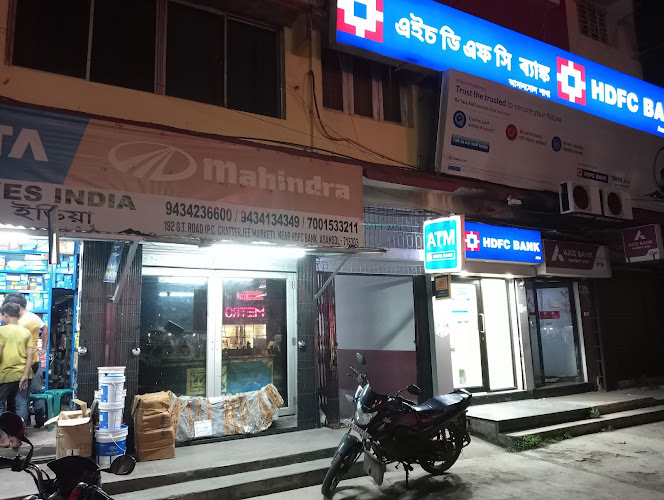

Key Highlights

  • Authentic local market atmosphere with everyday goods
  • Cluster of small shops: groceries, hardware, textiles and services
  • Affordable street food and Bengali snack stalls
  • Convenient location on GT Road, Ushagram, near transport links
  • Well-used by locals — good for people-watching and practical shopping

Location

Places to Stay Near Chatterjee Plaza.

Find and Book a Tour

Explore More Travel Guides

No reviews found! Be the first to review!

Chatterjee Plaza. is a prominent Market located in Asansol.

Visit us at: 28, GT Rd, Ushagram, Asansol, West Bengal 713303, India.

Traveler Reviews for Chatterjee Plaza.

There are no reviews yet. Be the first one to write one.

Share Your Experience

Have you visited Chatterjee Plaza.? Help other travelers by sharing your review.

Nearby Attractions

Asansol Junction (railway area and surroundings) Burnpur / Asansol industrial heritage sites Local temples and neighbourhood parks

Find Accommodations Nearby

Recommended Tours & Activities

Visitor Reviews

There are no reviews yet. Be the first one to write one.

Share Your Experience

Have you visited Chatterjee Plaza.? Help other travelers by leaving a review.