
Ushagram
About Ushagram
Description
Ushagram offers travelers a remarkable opportunity to step away from the conventional tourist circuit and experience something genuinely different. This rural tourism destination brings visitors face-to-face with authentic village life, presenting a slice of countryside existence that's becoming increasingly rare in our fast-paced modern world. And honestly, that's exactly what makes it special. The concept behind Ushagram revolves around immersive cultural experiences rather than just sightseeing. You're not standing behind barriers taking photos here – you're actually participating in daily activities that have sustained communities for generations. Think of it as a living museum where everything is real, from the people you meet to the skills you'll try your hand at during your stay. What strikes most visitors is how the experience manages to be both educational and deeply relaxing at the same time. There's something therapeutic about watching artisans work with their hands, creating beautiful objects using techniques passed down through countless generations. The pace of life here follows natural rhythms rather than digital notifications, which can be surprisingly refreshing even if it takes a day or two to adjust. The accommodations typically reflect traditional architectural styles while incorporating basic modern comforts – think of it as rustic with just enough convenience to keep you comfortable without breaking the immersion. I've heard from travelers who initially worried about leaving their urban comforts behind, only to find themselves genuinely reluctant to leave when their visit ended.Key Features
The distinguishing characteristics of Ushagram create an experience that differs significantly from standard tourism offerings: • Hands-on craft workshops where visitors learn traditional skills like pottery, weaving, and natural dyeing from master craftspeople who've spent decades perfecting their art • Agricultural activities that let you participate in seasonal farming tasks, from planting to harvesting, depending on when you visit • Traditional cooking demonstrations using locally sourced ingredients and age-old recipes that have been family secrets for generations • Cultural performances featuring folk music and dance forms that remain largely unknown outside rural communities • Village walks through surrounding areas where guides explain local ecology, medicinal plants, and sustainable living practices • Interaction opportunities with local families who share stories about their daily lives, challenges, and traditions • Organic farm tours showcasing chemical-free agriculture methods and traditional crop varieties rarely seen in commercial farming • Bullock cart rides that transport you around the area in the same way people traveled for centuries before motorized vehicles • Traditional games and sports that village children and adults play, offering genuine fun without any electricity required • Artisan marketplaces where you can purchase authentic handicrafts directly from the people who made them, ensuring fair compensationBest Time to Visit
Timing your visit to Ushagram makes a considerable difference in what you'll experience and how comfortable you'll be. The winter months from November through February generally provide the most pleasant weather conditions for travelers unaccustomed to extreme heat. Temperatures remain moderate, making outdoor activities and village exploration much more enjoyable. Plus, you won't spend half your day seeking shade or gulping water. That said, each season brings its own character to rural life. The post-monsoon period from September to October showcases the countryside at its greenest, with fields full of growing crops and a general sense of abundance. But the monsoon itself from June through August presents challenges – muddy paths, potential travel disruptions, and high humidity that some visitors find uncomfortable. Spring months of March and April offer warm weather and various harvest activities, though temperatures start climbing as summer approaches. If you're specifically interested in agricultural experiences, coordinating your visit with planting or harvesting seasons adds another layer of authenticity to your stay. Local festivals and celebrations also cluster around certain times of year, and experiencing one of these traditional events can become a highlight of your entire trip. One thing people don't always consider is that weekends and school holidays might mean more domestic visitors, which changes the atmosphere somewhat. Midweek visits during off-peak seasons often provide more intimate experiences with artisans and villagers who have more time to engage with fewer guests present. The shoulder seasons – late February to early March and late October to early November – often represent the sweet spot where weather remains comfortable while crowds stay manageable.How to Get There
Getting to Ushagram requires some advance planning since rural destinations don't typically sit next to major transportation hubs. Most visitors find that the journey becomes part of the experience rather than just a means to an end, though your patience might get tested along the way. The typical approach involves reaching the nearest major town or city first, then arranging onward transportation to the village. Depending on the specific location, this might mean a combination of train, bus, and hired vehicle. Many Ushagram projects offer pickup services from designated meeting points, which eliminates much of the navigation stress – and trust me, rural roads don't always appear on GPS apps. Private taxis or hired cars provide the most comfortable option, allowing you to travel at your own pace and stop for photos or refreshments. The cost runs higher than public transportation, but splitting among a group makes it reasonable. Shared jeeps or local buses offer more economical alternatives and provide authentic glimpses of rural transportation, complete with stops at seemingly random points and passengers carrying everything from groceries to livestock. If you're driving yourself, be prepared for road conditions that vary from decent to challenging. What looks like a short distance on a map can take considerably longer than expected when you're navigating village roads. Downloading offline maps beforehand saves considerable frustration in areas with spotty mobile coverage. Some Ushagram destinations are located within a few hours drive from major cities, making day trips technically possible, though staying overnight lets you experience the full rhythm of village life. Early morning and evening hours hold particular magic that day-trippers completely miss. Confirming transportation arrangements before departing your starting point prevents last-minute scrambling. Having contact numbers for your accommodation and any arranged drivers stored offline helps when connectivity disappears, which it probably will at some point.Tips for Visiting
Making the most of your Ushagram experience involves some preparation and the right mindset. First off, pack appropriately for rural conditions – comfortable walking shoes are non-negotiable since you'll be on your feet exploring. Modest clothing shows respect for local customs and keeps you more comfortable around conservative communities. And bring layers, because rural areas experience greater temperature swings between day and night than cities. Your expectations need calibrating before arrival. The bathrooms won't match five-star hotels, hot water might be limited to certain hours, and WiFi will probably be slow when it works at all. But that's kind of the point. Travelers who come ready to embrace these differences rather than complain about them have dramatically better experiences. Bring cash in smaller denominations since rural areas rarely have ATMs or card payment options. You'll need it for purchasing handicrafts, tipping guides, and buying any extras. Speaking of purchases, buying directly from artisans provides income that genuinely impacts their families while you acquire unique souvenirs with actual stories behind them. Basic medications, insect repellent, and sunscreen should come with you since local shops may not stock what you're used to. A reusable water bottle helps reduce plastic waste while keeping you hydrated. And a flashlight or headlamp proves invaluable when navigating after dark in areas without streetlights. Photography enthusiasts should definitely bring cameras, but always ask permission before photographing people. Many villagers happily agree, but assuming consent disrespects their dignity. Some of my favorite travel photos came from sitting and chatting with people first, building rapport before mentioning cameras. Learning a few phrases in the local language goes surprisingly far in building connections. Even mangled attempts at greetings usually earn smiles and appreciation for the effort. Most rural communities value politeness and patience over linguistic perfection. Participate fully in offered activities even if they seem simple or outside your comfort zone. You might discover hidden talents for pottery or realize that traditional cooking techniques make perfect sense once explained. The memories come from doing, not just observing. Be environmentally conscious throughout your stay. These communities often maintain sustainable practices that shame urban resource consumption. Following their lead on water conservation, waste reduction, and energy use shows respect while learning valuable lessons. Finally, approach your visit with genuine curiosity rather than condescension. Rural doesn't mean backwards, and village residents possess knowledge and skills that would baffle most city dwellers. The exchange works both ways – you're learning from them as much as they're sharing their culture with you.Key Features
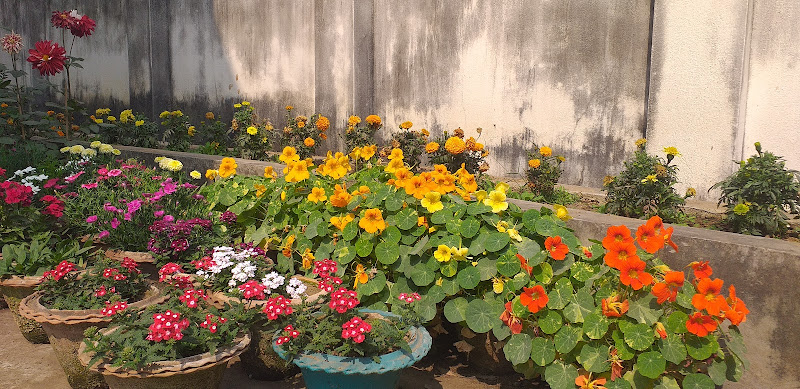
- Shaded walking lanes and small community gardens
- Authentic neighborhood life and informal local markets
- Good spot for morning/evening walks and casual photography
- Nearby schools and residential architecture showcasing local styles
- Easy access from central Asansol and public transport routes
More Details
Updated March 30, 2026
Table of Contents
Description
Ushagram offers travelers a remarkable opportunity to step away from the conventional tourist circuit and experience something genuinely different. This rural tourism destination brings visitors face-to-face with authentic village life, presenting a slice of countryside existence that’s becoming increasingly rare in our fast-paced modern world. And honestly, that’s exactly what makes it special.
The concept behind Ushagram revolves around immersive cultural experiences rather than just sightseeing. You’re not standing behind barriers taking photos here – you’re actually participating in daily activities that have sustained communities for generations. Think of it as a living museum where everything is real, from the people you meet to the skills you’ll try your hand at during your stay.
What strikes most visitors is how the experience manages to be both educational and deeply relaxing at the same time. There’s something therapeutic about watching artisans work with their hands, creating beautiful objects using techniques passed down through countless generations. The pace of life here follows natural rhythms rather than digital notifications, which can be surprisingly refreshing even if it takes a day or two to adjust.
The accommodations typically reflect traditional architectural styles while incorporating basic modern comforts – think of it as rustic with just enough convenience to keep you comfortable without breaking the immersion. I’ve heard from travelers who initially worried about leaving their urban comforts behind, only to find themselves genuinely reluctant to leave when their visit ended.
Key Features
The distinguishing characteristics of Ushagram create an experience that differs significantly from standard tourism offerings:
• Hands-on craft workshops where visitors learn traditional skills like pottery, weaving, and natural dyeing from master craftspeople who’ve spent decades perfecting their art
• Agricultural activities that let you participate in seasonal farming tasks, from planting to harvesting, depending on when you visit
• Traditional cooking demonstrations using locally sourced ingredients and age-old recipes that have been family secrets for generations
• Cultural performances featuring folk music and dance forms that remain largely unknown outside rural communities
• Village walks through surrounding areas where guides explain local ecology, medicinal plants, and sustainable living practices
• Interaction opportunities with local families who share stories about their daily lives, challenges, and traditions
• Organic farm tours showcasing chemical-free agriculture methods and traditional crop varieties rarely seen in commercial farming
• Bullock cart rides that transport you around the area in the same way people traveled for centuries before motorized vehicles
• Traditional games and sports that village children and adults play, offering genuine fun without any electricity required
• Artisan marketplaces where you can purchase authentic handicrafts directly from the people who made them, ensuring fair compensation
Best Time to Visit
Timing your visit to Ushagram makes a considerable difference in what you’ll experience and how comfortable you’ll be. The winter months from November through February generally provide the most pleasant weather conditions for travelers unaccustomed to extreme heat. Temperatures remain moderate, making outdoor activities and village exploration much more enjoyable. Plus, you won’t spend half your day seeking shade or gulping water.
That said, each season brings its own character to rural life. The post-monsoon period from September to October showcases the countryside at its greenest, with fields full of growing crops and a general sense of abundance. But the monsoon itself from June through August presents challenges – muddy paths, potential travel disruptions, and high humidity that some visitors find uncomfortable.
Spring months of March and April offer warm weather and various harvest activities, though temperatures start climbing as summer approaches. If you’re specifically interested in agricultural experiences, coordinating your visit with planting or harvesting seasons adds another layer of authenticity to your stay. Local festivals and celebrations also cluster around certain times of year, and experiencing one of these traditional events can become a highlight of your entire trip.
One thing people don’t always consider is that weekends and school holidays might mean more domestic visitors, which changes the atmosphere somewhat. Midweek visits during off-peak seasons often provide more intimate experiences with artisans and villagers who have more time to engage with fewer guests present.
The shoulder seasons – late February to early March and late October to early November – often represent the sweet spot where weather remains comfortable while crowds stay manageable.
How to Get There
Getting to Ushagram requires some advance planning since rural destinations don’t typically sit next to major transportation hubs. Most visitors find that the journey becomes part of the experience rather than just a means to an end, though your patience might get tested along the way.
The typical approach involves reaching the nearest major town or city first, then arranging onward transportation to the village. Depending on the specific location, this might mean a combination of train, bus, and hired vehicle. Many Ushagram projects offer pickup services from designated meeting points, which eliminates much of the navigation stress – and trust me, rural roads don’t always appear on GPS apps.
Private taxis or hired cars provide the most comfortable option, allowing you to travel at your own pace and stop for photos or refreshments. The cost runs higher than public transportation, but splitting among a group makes it reasonable. Shared jeeps or local buses offer more economical alternatives and provide authentic glimpses of rural transportation, complete with stops at seemingly random points and passengers carrying everything from groceries to livestock.
If you’re driving yourself, be prepared for road conditions that vary from decent to challenging. What looks like a short distance on a map can take considerably longer than expected when you’re navigating village roads. Downloading offline maps beforehand saves considerable frustration in areas with spotty mobile coverage.
Some Ushagram destinations are located within a few hours drive from major cities, making day trips technically possible, though staying overnight lets you experience the full rhythm of village life. Early morning and evening hours hold particular magic that day-trippers completely miss.
Confirming transportation arrangements before departing your starting point prevents last-minute scrambling. Having contact numbers for your accommodation and any arranged drivers stored offline helps when connectivity disappears, which it probably will at some point.
Tips for Visiting
Making the most of your Ushagram experience involves some preparation and the right mindset. First off, pack appropriately for rural conditions – comfortable walking shoes are non-negotiable since you’ll be on your feet exploring. Modest clothing shows respect for local customs and keeps you more comfortable around conservative communities. And bring layers, because rural areas experience greater temperature swings between day and night than cities.
Your expectations need calibrating before arrival. The bathrooms won’t match five-star hotels, hot water might be limited to certain hours, and WiFi will probably be slow when it works at all. But that’s kind of the point. Travelers who come ready to embrace these differences rather than complain about them have dramatically better experiences.
Bring cash in smaller denominations since rural areas rarely have ATMs or card payment options. You’ll need it for purchasing handicrafts, tipping guides, and buying any extras. Speaking of purchases, buying directly from artisans provides income that genuinely impacts their families while you acquire unique souvenirs with actual stories behind them.
Basic medications, insect repellent, and sunscreen should come with you since local shops may not stock what you’re used to. A reusable water bottle helps reduce plastic waste while keeping you hydrated. And a flashlight or headlamp proves invaluable when navigating after dark in areas without streetlights.
Photography enthusiasts should definitely bring cameras, but always ask permission before photographing people. Many villagers happily agree, but assuming consent disrespects their dignity. Some of my favorite travel photos came from sitting and chatting with people first, building rapport before mentioning cameras.
Learning a few phrases in the local language goes surprisingly far in building connections. Even mangled attempts at greetings usually earn smiles and appreciation for the effort. Most rural communities value politeness and patience over linguistic perfection.
Participate fully in offered activities even if they seem simple or outside your comfort zone. You might discover hidden talents for pottery or realize that traditional cooking techniques make perfect sense once explained. The memories come from doing, not just observing.
Be environmentally conscious throughout your stay. These communities often maintain sustainable practices that shame urban resource consumption. Following their lead on water conservation, waste reduction, and energy use shows respect while learning valuable lessons.
Finally, approach your visit with genuine curiosity rather than condescension. Rural doesn’t mean backwards, and village residents possess knowledge and skills that would baffle most city dwellers. The exchange works both ways – you’re learning from them as much as they’re sharing their culture with you.
Key Highlights
- Shaded walking lanes and small community gardens
- Authentic neighborhood life and informal local markets
- Good spot for morning/evening walks and casual photography
- Nearby schools and residential architecture showcasing local styles
- Easy access from central Asansol and public transport routes
Location
Places to Stay Near Ushagram
Find and Book a Tour
Explore More Travel Guides
No reviews found! Be the first to review!
Ushagram is a prominent Outdoors & Nature located in Asansol.
Visit us at: M2G4+G5Q, Ushagram, Asansol, West Bengal 713303, India.
Traveler Reviews for Ushagram
There are no reviews yet. Be the first one to write one.
Have you visited Ushagram? Help other travelers by sharing your review.
Nearby Attractions
You Might Also Like

Carnival Cinemas
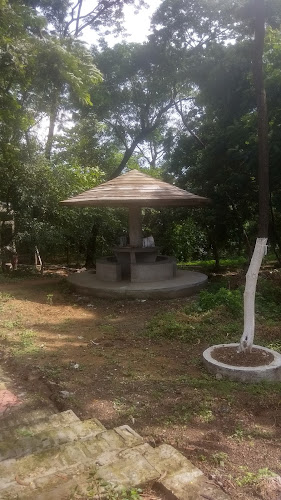
The Asansol Eco Park - Asansol City, West Bengal, India
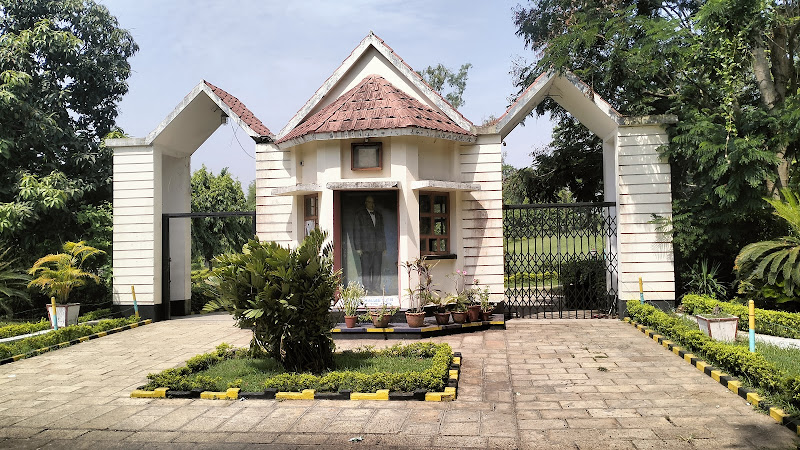
Nehru Park, Riverside, Asansol
Find Accommodations Nearby
Recommended Tours & Activities
Visitor Reviews
There are no reviews yet. Be the first one to write one.
Share Your Experience
Have you visited Ushagram? Help other travelers by leaving a review.