
Chapelle de l’Oratoire
About Chapelle de l’Oratoire
Description
The Chapelle de l’Oratoire in Nantes is one of those places that quietly steals your attention without even trying. It’s not the kind of attraction that screams for attention with flashy signs or crowds. Instead, it stands there, quietly dignified, a 17th-century gem that has seen centuries of change unfold around it. Built between 1708 and 1710 by the Oratorians—a Catholic congregation known for their influence on education and spirituality—the chapel has lived many lives. It’s been a place of worship, a courtroom, even a cultural space. Today, it forms part of the city’s Museum of Arts, blending history, architecture, and art in a way that feels surprisingly modern for a building that’s over 300 years old.
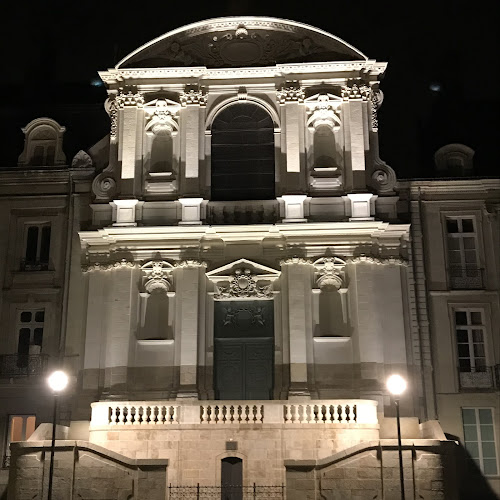
What strikes most visitors first is its façade. Crafted from pale tuffeau stone, it glows softly in the Nantes light (which, if you’ve been, you know can be moody and golden all at once). The architecture is a fine example of the Catholic Reformation style—elegant but not ostentatious, spiritual yet grounded. The curved pediment, framed by delicate pilasters, gives it a sense of calm balance. And if you look closely, you’ll notice small decorative details that reveal the craftsmanship of the era—shell motifs, subtle carvings, and proportion that feels almost musical.
Inside, the atmosphere changes. It’s quieter, more contemplative. The Oratorians designed it to encourage reflection rather than grandeur, and you can feel that intention in the way sound carries softly across the space. The chapel’s integration into the Musée d’Arts de Nantes adds another layer—art installations and exhibitions sometimes use the chapel as a backdrop, creating this fascinating dialogue between sacred history and contemporary creativity. It’s the kind of place where you might find yourself pausing longer than expected, just absorbing the stillness.
I remember my first visit—it was a rainy afternoon, and I ducked in mostly to escape the drizzle. But once inside, I forgot about the weather completely. The air carried that faint, comforting scent of old stone and polished wood, and the faint echo of footsteps made it feel almost alive. There’s something about places like this—where history doesn’t just sit behind glass but breathes quietly in the walls.
Key Features
- 17th-century architecture: Built between 1708 and 1710 by architect Louis Trestournel, the chapel reflects the refined style of the Oratorian order.
- Historical versatility: It has served as a religious site, a court of justice, and now as part of the Nantes Museum of Arts.
- Distinctive façade: The tuffeau stone exterior, curved pediment, and shell motifs highlight the craftsmanship of the period.
- Artistic integration: The chapel is now used for cultural exhibitions and art installations, blending sacred architecture with modern creativity.
- Peaceful ambiance: Despite being near the city center, the interior offers a calm, meditative space away from the bustle.
- Connection to the Oratorians: The chapel reflects the educational and spiritual influence of the Oratorian congregation in 17th- and 18th-century Nantes.
Best Time to Visit
If you’re planning a visit, spring and early autumn are ideal. The weather in Nantes is mild, and the light during these seasons gives the chapel’s stone façade a warm, almost honeyed glow. Summer can be busier, especially with tourists exploring the nearby cathedral and museum, but it’s still manageable since the chapel doesn’t usually attract large crowds. Winter, on the other hand, has its own charm—less foot traffic, more introspection. There’s something poetic about stepping into a centuries-old chapel while the city outside hums quietly under gray skies.
Personally, I love visiting in the late afternoon. The way the light filters through the high windows gives the interior this golden, almost cinematic quality. It’s a moment that feels suspended in time—perfect for photography or just sitting quietly, letting the day slow down for a bit.
How to Get There
Reaching the Chapelle de l’Oratoire is quite straightforward. It’s located near the heart of Nantes, close to some of the city’s most iconic landmarks like the Cathedral of Saint-Pierre and Saint-Paul and the Museum of Arts. If you’re coming by tram, the nearest stop is usually within a short walk, and the local signage makes it easy to find your way. For those exploring on foot, it’s a pleasant stroll through the city’s historic quarter, where every corner seems to reveal another story.
Driving isn’t the most practical option, as parking in the area can be limited, but if you’re staying nearby, walking or cycling is ideal. Nantes is wonderfully pedestrian-friendly, and the route offers glimpses of architectural gems, cafés, and charming side streets that make the journey part of the experience. I once took a detour through a nearby market on my way there and ended up chatting with a local bookseller about the chapel’s history—proof that sometimes the best parts of travel happen between destinations.
Tips for Visiting
A few things to keep in mind when planning your visit. The chapel is part of the Museum of Arts, so it’s best to check the museum’s opening hours beforehand. Entry might be included with your museum ticket, which makes it a great two-in-one experience if you’re interested in both art and architecture.
- Take your time inside: The chapel isn’t large, but its details reward slow observation. Look up at the ceiling vaults and notice how the light shifts across the stone.
- Photography: Photos are usually allowed, but be respectful if there’s an exhibition or quiet visitors around.
- Combine your visit: Pair it with the nearby cathedral or a walk through the Jardin des Plantes—both are within easy reach and complement the experience beautifully.
- Quiet moments: Go early in the morning or close to closing time if you want to enjoy the space with fewer people around.
- Accessibility: The museum and chapel are generally accessible, though some older areas may have uneven flooring—comfortable shoes are a must.
One thing I love about the Chapelle de l’Oratoire is how it bridges the past and present. You can sense the centuries of devotion and change, yet it doesn’t feel trapped in history. Instead, it feels alive—adapted, relevant, and quietly confident in its place among Nantes’ cultural landmarks. Whether you’re drawn by architecture, art, or simply curiosity, it’s a place that rewards attention. And honestly, even if you’re not a “museum person,” give it a chance. You might walk out feeling unexpectedly moved.
For travelers exploring Nantes, this chapel offers more than just a photo stop—it’s a window into the city’s layered history and its enduring relationship with art and faith. It’s the kind of spot that doesn’t demand much from you, just a bit of time and an open mind. And in return, it gives you something rare: a sense of quiet connection—to the past, to the space, and maybe even to yourself.
Key Features
- Key Features
- Best Time to Visit
- How to Get There
- Tips for Visiting
More Details
Updated November 30, 2025
Table of Contents
Description
The Chapelle de l’Oratoire in Nantes is one of those places that quietly steals your attention without even trying. It’s not the kind of attraction that screams for attention with flashy signs or crowds. Instead, it stands there, quietly dignified, a 17th-century gem that has seen centuries of change unfold around it. Built between 1708 and 1710 by the Oratorians—a Catholic congregation known for their influence on education and spirituality—the chapel has lived many lives. It’s been a place of worship, a courtroom, even a cultural space. Today, it forms part of the city’s Museum of Arts, blending history, architecture, and art in a way that feels surprisingly modern for a building that’s over 300 years old.
What strikes most visitors first is its façade. Crafted from pale tuffeau stone, it glows softly in the Nantes light (which, if you’ve been, you know can be moody and golden all at once). The architecture is a fine example of the Catholic Reformation style—elegant but not ostentatious, spiritual yet grounded. The curved pediment, framed by delicate pilasters, gives it a sense of calm balance. And if you look closely, you’ll notice small decorative details that reveal the craftsmanship of the era—shell motifs, subtle carvings, and proportion that feels almost musical.
Inside, the atmosphere changes. It’s quieter, more contemplative. The Oratorians designed it to encourage reflection rather than grandeur, and you can feel that intention in the way sound carries softly across the space. The chapel’s integration into the Musée d’Arts de Nantes adds another layer—art installations and exhibitions sometimes use the chapel as a backdrop, creating this fascinating dialogue between sacred history and contemporary creativity. It’s the kind of place where you might find yourself pausing longer than expected, just absorbing the stillness.
I remember my first visit—it was a rainy afternoon, and I ducked in mostly to escape the drizzle. But once inside, I forgot about the weather completely. The air carried that faint, comforting scent of old stone and polished wood, and the faint echo of footsteps made it feel almost alive. There’s something about places like this—where history doesn’t just sit behind glass but breathes quietly in the walls.
Key Features
- 17th-century architecture: Built between 1708 and 1710 by architect Louis Trestournel, the chapel reflects the refined style of the Oratorian order.
- Historical versatility: It has served as a religious site, a court of justice, and now as part of the Nantes Museum of Arts.
- Distinctive façade: The tuffeau stone exterior, curved pediment, and shell motifs highlight the craftsmanship of the period.
- Artistic integration: The chapel is now used for cultural exhibitions and art installations, blending sacred architecture with modern creativity.
- Peaceful ambiance: Despite being near the city center, the interior offers a calm, meditative space away from the bustle.
- Connection to the Oratorians: The chapel reflects the educational and spiritual influence of the Oratorian congregation in 17th- and 18th-century Nantes.
Best Time to Visit
If you’re planning a visit, spring and early autumn are ideal. The weather in Nantes is mild, and the light during these seasons gives the chapel’s stone façade a warm, almost honeyed glow. Summer can be busier, especially with tourists exploring the nearby cathedral and museum, but it’s still manageable since the chapel doesn’t usually attract large crowds. Winter, on the other hand, has its own charm—less foot traffic, more introspection. There’s something poetic about stepping into a centuries-old chapel while the city outside hums quietly under gray skies.
Personally, I love visiting in the late afternoon. The way the light filters through the high windows gives the interior this golden, almost cinematic quality. It’s a moment that feels suspended in time—perfect for photography or just sitting quietly, letting the day slow down for a bit.
How to Get There
Reaching the Chapelle de l’Oratoire is quite straightforward. It’s located near the heart of Nantes, close to some of the city’s most iconic landmarks like the Cathedral of Saint-Pierre and Saint-Paul and the Museum of Arts. If you’re coming by tram, the nearest stop is usually within a short walk, and the local signage makes it easy to find your way. For those exploring on foot, it’s a pleasant stroll through the city’s historic quarter, where every corner seems to reveal another story.
Driving isn’t the most practical option, as parking in the area can be limited, but if you’re staying nearby, walking or cycling is ideal. Nantes is wonderfully pedestrian-friendly, and the route offers glimpses of architectural gems, cafés, and charming side streets that make the journey part of the experience. I once took a detour through a nearby market on my way there and ended up chatting with a local bookseller about the chapel’s history—proof that sometimes the best parts of travel happen between destinations.
Tips for Visiting
A few things to keep in mind when planning your visit. The chapel is part of the Museum of Arts, so it’s best to check the museum’s opening hours beforehand. Entry might be included with your museum ticket, which makes it a great two-in-one experience if you’re interested in both art and architecture.
- Take your time inside: The chapel isn’t large, but its details reward slow observation. Look up at the ceiling vaults and notice how the light shifts across the stone.
- Photography: Photos are usually allowed, but be respectful if there’s an exhibition or quiet visitors around.
- Combine your visit: Pair it with the nearby cathedral or a walk through the Jardin des Plantes—both are within easy reach and complement the experience beautifully.
- Quiet moments: Go early in the morning or close to closing time if you want to enjoy the space with fewer people around.
- Accessibility: The museum and chapel are generally accessible, though some older areas may have uneven flooring—comfortable shoes are a must.
One thing I love about the Chapelle de l’Oratoire is how it bridges the past and present. You can sense the centuries of devotion and change, yet it doesn’t feel trapped in history. Instead, it feels alive—adapted, relevant, and quietly confident in its place among Nantes’ cultural landmarks. Whether you’re drawn by architecture, art, or simply curiosity, it’s a place that rewards attention. And honestly, even if you’re not a “museum person,” give it a chance. You might walk out feeling unexpectedly moved.
For travelers exploring Nantes, this chapel offers more than just a photo stop—it’s a window into the city’s layered history and its enduring relationship with art and faith. It’s the kind of spot that doesn’t demand much from you, just a bit of time and an open mind. And in return, it gives you something rare: a sense of quiet connection—to the past, to the space, and maybe even to yourself.
Key Highlights
- Key Features
- Best Time to Visit
- How to Get There
- Tips for Visiting
Location
Places to Stay Near Chapelle de l'Oratoire
Find and Book a Tour
Explore More Travel Guides
No reviews found! Be the first to review!
Traveler Reviews for Chapelle de l’Oratoire
There are no reviews yet. Be the first one to write one.
Have you visited Chapelle de l’Oratoire? Help other travelers by sharing your review.
You Might Also Like
Musée Atelier de l
Miroir d'eau
Botanical Garden
Find Accommodations Nearby
Recommended Tours & Activities
Visitor Reviews
There are no reviews yet. Be the first one to write one.
Share Your Experience
Have you visited Chapelle de l’Oratoire? Help other travelers by leaving a review.