
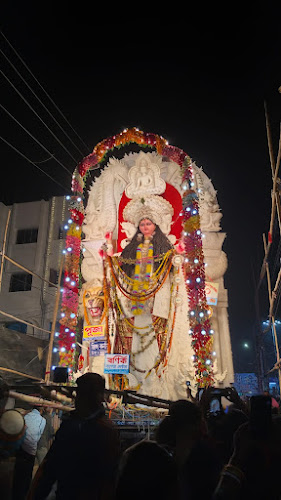
Chandannagar Ranighat
About Chandannagar Ranighat
Description
Chandannagar Ranighat is one of those places that seem to hold onto time gently, refusing to rush ahead with the rest of the world. It rests along the peaceful banks of the Hooghly River in the historical town of Chandannagar, in the state of West Bengal, India. Once part of a French colony, this ghat still carries that Indo-French essence in its air, from the colonial-style buildings nearby to the quiet rhythm of local life that continues almost unchanged for decades. I remember my first trip here many years ago: sitting on the steps of the ghat, feeling the breeze from the river touch my face, watching children chase one another, and thinking, “This is exactly the kind of moment you come traveling for.”
Ranighat is not just a scenic spot—it’s a slice of Chandannagar’s layered history, full of old-world charm and faint echoes of its colonial past. Over time, it’s become a beloved local landmark, known for its peaceful river views, accessibility, and a warm, community-centered environment. The place is well maintained, wheelchair-accessible, and family-friendly—so whether you’re visiting solo or with kids, you’ll find yourself welcomed. There’s a sense of balance here that’s hard to describe: the blend of culture, nature, and memory feels personal yet open. You’ll see families gathering for evening strolls, couples sharing quiet conversations, and older folks reminiscing about their youth spent along this very strand road.
Many travelers are drawn here to experience a slower pace of life outside the rush of Kolkata. And truthfully, it’s perfect for that. The scenic view of the Hooghly can make even the most restless traveler want to sit and take it all in. The colonial architecture around adds depth to what you’re seeing—crumbling French-era buildings, lamp posts that have seen years go by, and narrow lanes lined with stories. This part of Chandannagar has seen both the French East India Company era and the day the town became a part of India again. If you’re into history and architecture, this is the sort of place that makes you quietly thrilled.
What I love about Ranighat is how life unfolds naturally around it. It’s not just a tourist attraction—it’s very much a part of everyday Chandannagar life. You might catch glimpses of a local festival, see kids feeding pigeons along the strand, or watch fishermen set their nets on the calm river waters. People greet one another with genuine warmth, and before you know it, you’ve chatted your way into a local story or two. It's one of those rare experiences where you not only observe but feel included in the life of the town itself.
Key Features
- Located along the scenic Hooghly River, offering peaceful riverside views and stunning sunsets worth waiting for.
- Rich French colonial architecture surrounding the area, a reminder of Chandannagar’s history as a former French colony.
- Wheelchair accessible pathways and parking areas, ensuring comfort for all travelers.
- Good for families and children, often serving as a preferred spot for small gatherings and kid-friendly outings.
- Part of Chandannagar’s historic Strand Road, lined with heritage buildings, trees, and benches that invite you to pause and reflect.
- Popular with locals as much as visitors, giving you a genuine glimpse of everyday life in this quaint river town.
- Clean and well-kept surroundings maintained by local administration and community volunteers.
- Beautiful photography opportunities capturing both landscape and daily life moments along the riverbank.
- Peaceful environment perfect for meditation, sketching, or simply reading by the riverside.
Best Time to Visit
The most comfortable time to visit Chandannagar Ranighat is during the cooler months—typically from November to February. The weather stays pleasant, the air crisp, and the light along the Hooghly River is soft and golden. It’s an ideal atmosphere for slow walks along the Strand Road or sitting by the water with a cup of tea from one of the local stalls. During this time, the evenings are also great for photography. Late afternoons, especially around sunset, gift you that magical golden hue across the river that seems to linger longer than anywhere else in West Bengal.
If you happen to visit in March or April, you may get lucky to catch Chandannagar’s famous Jagaddhatri Puja preparations—one of the most visually rich festivals in the region. The energy in the city becomes infectious, and the riverfront takes on new life with colorful lights and local performances. Summer, on the other hand, is humid and can be quite warm, though if you don’t mind a bit of heat, mornings along the river remain manageable. Monsoons (June to September) bring the ghat to life in a very different way—the scent of wet soil, the sight of the river swelling, the umbrella-dotted path—it’s moody and poetic if you’re the introspective kind.
Still, whenever you go, every visit feels unique. The place changes with the seasons, and that’s part of what draws people back time and again.
How to Get There
Reaching Chandannagar Ranighat is straightforward, especially if you’re coming from Kolkata or nearby towns. The simplest way is to take a local train from Howrah station toward Chandannagar. It’s roughly a one-hour ride, give or take depending on the time of day. From the Chandannagar railway station, the ghat is about a short drive or auto-rickshaw ride away—less than 10 minutes, usually. I’ve often preferred walking from the station through the narrow lanes; the shift from the bustling station area to the calm of the riverfront feels rewarding.
If you prefer traveling by road, the place is connected well via the Grand Trunk Road. You can drive down or hire a cab from Kolkata—it’s approximately 45 kilometers, and the route is quite smooth. En route, you’ll pass through small towns and green patches before entering the colonial traces of Chandannagar city. For those traveling from farther away, the nearest airport is Netaji Subhas Chandra Bose International Airport in Kolkata. From there, you can easily book a car straight to the ghat. It typically takes around 1.5 to 2 hours, depending on traffic.
And for those who enjoy a bit of slow travel, there’s something special about hopping on a ferry from certain points along the Hooghly. The river journey, especially during early mornings, feels almost cinematic. The cool wind, the occasional splash of water, and glimpses of temple domes and French-era buildings make for a memorable ride.
Tips for Visiting
When visiting Chandannagar Ranighat, a few small choices can make your experience smoother and more enjoyable. Here’s what’s worth keeping in mind:
- Arrive early or just before sunset for the best light and fewer crowds. Morning walks have their charm, but sunsets along the Hooghly River are hard to beat.
- Bring drinking water and light snacks, though you’ll find small tea stalls and local food vendors nearby—try the jhalmuri or ghugni if you’re feeling curious.
- Dress comfortably, especially if you plan to sit or walk around for a while. Light cottons work great for most of the year in West Bengal’s climate.
- Respect the quiet atmosphere. This area doubles as a local relaxation spot—loud music or littering is frowned upon by residents.
- If you’re traveling with kids, know that it’s a safe and child-friendly place. The ghat has open spaces to play, but it’s always smart to keep an eye on younger ones near the steps leading to the river.
- Photography lovers should carry a good wide-angle lens or phone camera. Early morning mist or twilight reflections on the river can really elevate your captures.
- If you’re coming during monsoon, carry an umbrella or rain jacket. The sudden showers add to the charm, but being drenched may not be everyone’s idea of fun.
- Those interested in the town’s colonial past may combine this visit with a walk along the entire Strand Road to see buildings like Chandannagar Church and heritage houses that tell stories of its French colonial days.
And maybe this last tip comes from my own heart: don’t rush your time here. Let the place talk to you. Listen to the waves brushing against the old stone steps, the distant temple bells, the murmurs of people who come to pause their day. Chandannagar Ranighat might look like just another spot by the river on a map, but once you’re there, it quietly transforms the way you see everyday beauty. That’s what makes returning to it—again, and again—feel so worthwhile.
Key Features
- Clean and well-kept surroundings maintained by local administration and community volunteers.
- Peaceful environment perfect for meditation, sketching, or simply reading by the riverside.
More Details
Updated October 20, 2025
Table of Contents Chandannagar Ranighat is one of those places that seem to hold onto time gently, refusing to rush ahead with the rest of the world. It rests along the peaceful banks of the Hooghly River in the historical town of Chandannagar, in the state of West Bengal, India. Once part of a French colony, this ghat still carries that Indo-French essence in its air, from the colonial-style buildings nearby to the quiet rhythm of local life that continues almost unchanged for decades. I remember my first trip here many years ago: sitting on the steps of the ghat, feeling the breeze from the river touch my face, watching children chase one another, and thinking, “This is exactly the kind of moment you come traveling for.” Ranighat is not just a scenic spot—it’s a slice of Chandannagar’s layered history, full of old-world charm and faint echoes of its colonial past. Over time, it’s become a beloved local landmark, known for its peaceful river views, accessibility, and a warm, community-centered environment. The place is well maintained, wheelchair-accessible, and family-friendly—so whether you’re visiting solo or with kids, you’ll find yourself welcomed. There’s a sense of balance here that’s hard to describe: the blend of culture, nature, and memory feels personal yet open. You’ll see families gathering for evening strolls, couples sharing quiet conversations, and older folks reminiscing about their youth spent along this very strand road. Many travelers are drawn here to experience a slower pace of life outside the rush of Kolkata. And truthfully, it’s perfect for that. The scenic view of the Hooghly can make even the most restless traveler want to sit and take it all in. The colonial architecture around adds depth to what you’re seeing—crumbling French-era buildings, lamp posts that have seen years go by, and narrow lanes lined with stories. This part of Chandannagar has seen both the French East India Company era and the day the town became a part of India again. If you’re into history and architecture, this is the sort of place that makes you quietly thrilled. What I love about Ranighat is how life unfolds naturally around it. It’s not just a tourist attraction—it’s very much a part of everyday Chandannagar life. You might catch glimpses of a local festival, see kids feeding pigeons along the strand, or watch fishermen set their nets on the calm river waters. People greet one another with genuine warmth, and before you know it, you’ve chatted your way into a local story or two. It’s one of those rare experiences where you not only observe but feel included in the life of the town itself. The most comfortable time to visit Chandannagar Ranighat is during the cooler months—typically from November to February. The weather stays pleasant, the air crisp, and the light along the Hooghly River is soft and golden. It’s an ideal atmosphere for slow walks along the Strand Road or sitting by the water with a cup of tea from one of the local stalls. During this time, the evenings are also great for photography. Late afternoons, especially around sunset, gift you that magical golden hue across the river that seems to linger longer than anywhere else in West Bengal. If you happen to visit in March or April, you may get lucky to catch Chandannagar’s famous Jagaddhatri Puja preparations—one of the most visually rich festivals in the region. The energy in the city becomes infectious, and the riverfront takes on new life with colorful lights and local performances. Summer, on the other hand, is humid and can be quite warm, though if you don’t mind a bit of heat, mornings along the river remain manageable. Monsoons (June to September) bring the ghat to life in a very different way—the scent of wet soil, the sight of the river swelling, the umbrella-dotted path—it’s moody and poetic if you’re the introspective kind. Still, whenever you go, every visit feels unique. The place changes with the seasons, and that’s part of what draws people back time and again. Reaching Chandannagar Ranighat is straightforward, especially if you’re coming from Kolkata or nearby towns. The simplest way is to take a local train from Howrah station toward Chandannagar. It’s roughly a one-hour ride, give or take depending on the time of day. From the Chandannagar railway station, the ghat is about a short drive or auto-rickshaw ride away—less than 10 minutes, usually. I’ve often preferred walking from the station through the narrow lanes; the shift from the bustling station area to the calm of the riverfront feels rewarding. If you prefer traveling by road, the place is connected well via the Grand Trunk Road. You can drive down or hire a cab from Kolkata—it’s approximately 45 kilometers, and the route is quite smooth. En route, you’ll pass through small towns and green patches before entering the colonial traces of Chandannagar city. For those traveling from farther away, the nearest airport is Netaji Subhas Chandra Bose International Airport in Kolkata. From there, you can easily book a car straight to the ghat. It typically takes around 1.5 to 2 hours, depending on traffic. And for those who enjoy a bit of slow travel, there’s something special about hopping on a ferry from certain points along the Hooghly. The river journey, especially during early mornings, feels almost cinematic. The cool wind, the occasional splash of water, and glimpses of temple domes and French-era buildings make for a memorable ride. When visiting Chandannagar Ranighat, a few small choices can make your experience smoother and more enjoyable. Here’s what’s worth keeping in mind: And maybe this last tip comes from my own heart: don’t rush your time here. Let the place talk to you. Listen to the waves brushing against the old stone steps, the distant temple bells, the murmurs of people who come to pause their day. Chandannagar Ranighat might look like just another spot by the river on a map, but once you’re there, it quietly transforms the way you see everyday beauty. That’s what makes returning to it—again, and again—feel so worthwhile.Description
Key Features
Best Time to Visit
How to Get There
Tips for Visiting
Key Highlights
- Clean and well-kept surroundings maintained by local administration and community volunteers.
- Peaceful environment perfect for meditation, sketching, or simply reading by the riverside.
Location
Places to Stay Near Chandannagar Ranighat
Find and Book a Tour
Explore More Travel Guides
No reviews found! Be the first to review!
Traveler Reviews for Chandannagar Ranighat
There are no reviews yet. Be the first one to write one.
Have you visited Chandannagar Ranighat? Help other travelers by sharing your review.
Find Accommodations Nearby
Recommended Tours & Activities
Visitor Reviews
There are no reviews yet. Be the first one to write one.
Share Your Experience
Have you visited Chandannagar Ranighat? Help other travelers by leaving a review.