
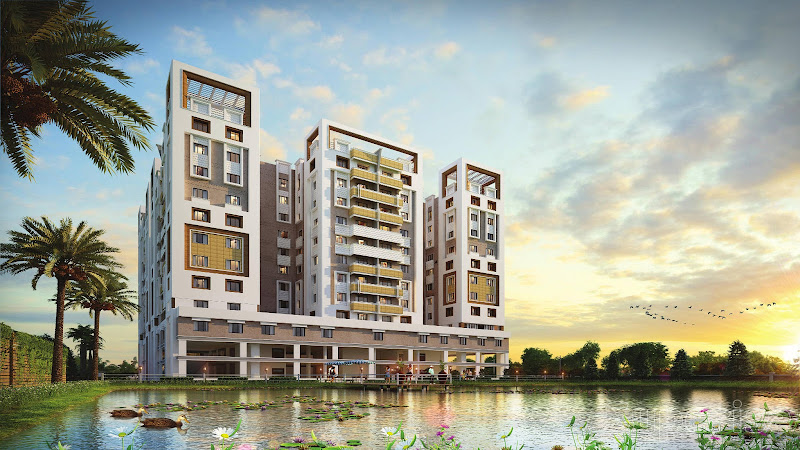
Gangetica
About Gangetica
Description
Gangetica represents a fascinating slice of modern Japanese residential living that most travelers never get to experience firsthand. This apartment complex, or "danchi" as locals call it, offers visitors an authentic glimpse into how ordinary Japanese families actually live – far removed from the tourist hotels and traditional ryokans that dominate most travel itineraries.
What strikes you first about Gangetica is how it challenges every preconception you might have about Japanese housing. And honestly, that's exactly what makes it so compelling for curious travelers. The complex embodies the post-war housing boom philosophy that prioritized functionality and community over individual luxury. You'll find yourself walking through corridors that tell stories of generations who've called this place home.
The architecture here isn't going to win any beauty contests, but there's something genuinely refreshing about its unpretentious approach. These buildings were designed when Japan was rebuilding itself, and every decision was made with practicality in mind. The concrete exteriors might seem stark at first glance, but spend a little time here and you'll start noticing the small details – the way morning light filters through the common areas, how residents have personalized their small balconies with plants and hanging laundry.
What really sets Gangetica apart is its accessibility features, which were quite progressive for its time. The wheelchair accessible entrances and parking areas reflect a thoughtful consideration for residents with mobility needs. This isn't something you'd typically expect to find highlighted in travel guides, but it speaks to a broader Japanese approach to inclusive community planning that's worth understanding.
Key Features
The distinctive characteristics of Gangetica reveal themselves through daily interactions and careful observation:
- Authentic residential atmosphere – Experience genuine Japanese community living without the tourist filter
- Barrier-free design elements – Wheelchair accessible entrances and designated parking demonstrate inclusive planning principles
- Onsite maintenance services – Witness the Japanese approach to community management and collective responsibility
- Multi-generational resident base – Observe how different age groups coexist in shared residential spaces
- Traditional danchi layout – Explore corridor-style apartment configurations that defined post-war urban housing
- Community gathering spaces – Small courtyards and common areas where residents interact naturally
- Practical balcony culture – See how Japanese families maximize limited outdoor space for daily activities
- Local neighborhood integration – Experience how apartment complexes connect to surrounding commercial and social infrastructure
Best Time to Visit
Timing your visit to Gangetica requires thinking like an anthropologist rather than a traditional tourist. The best experiences happen during what I'd call "residential prime time" – those ordinary moments when the community comes alive with daily routines.
Early mornings between 7:00 and 9:00 AM offer incredible insights into Japanese work culture. You'll witness the synchronized exodus of salarymen heading to train stations, mothers walking children to school, and elderly residents beginning their daily exercises in common areas. There's something almost choreographed about these morning rituals that you simply can't observe from a hotel window.
Late afternoons around 4:00 to 6:00 PM present another golden opportunity. This is when children return from school, turning quiet corridors into temporary playgrounds. You might catch glimpses of after-school study groups or witness the complex social dynamics of Japanese childhood friendships. And honestly, watching kids navigate these shared spaces teaches you more about Japanese social behavior than any guidebook ever could.
Weekends transform Gangetica completely. Saturday mornings bring community cleaning activities where residents collectively maintain their shared environment. Sunday afternoons often feature impromptu gatherings in courtyards, with residents chatting while hanging laundry or tending small gardens. These moments reveal the collaborative spirit that keeps these communities functioning.
Avoid major holiday periods like Golden Week or Obon when many residents travel to visit family. The complex feels somewhat hollow during these times, and you'll miss the authentic daily interactions that make this place special.
How to Get There
Reaching Gangetica requires navigating Japan's residential neighborhoods, which can be both challenging and rewarding for international visitors. Unlike tourist destinations with multiple transportation options, you'll need to plan your route more carefully.
The most reliable approach involves using Japan's incredibly detailed address system, though I'll admit it takes some getting used to. Start by identifying the nearest train or subway station, then plan for a 10-15 minute walk through residential streets. This walk actually becomes part of the experience – you'll pass local shops, small shrines, and other apartment complexes that provide context for understanding Gangetica's place in the urban landscape.
Local buses often serve these residential areas, but routes can be confusing for first-time visitors. If you're comfortable with Japanese or have translation apps, bus travel offers authentic local experiences. You'll ride alongside residents doing their daily shopping or commuting to work.
Taxi drivers usually know these complexes well, especially if you show them the Japanese characters for the address. However, I'd recommend walking at least part of the way to appreciate the neighborhood context. Plus, you'll discover small details – like local vending machine selections or neighborhood bulletin boards – that reveal community character.
For visitors with mobility considerations, the wheelchair accessible parking makes arriving by accessible taxi or rental vehicle straightforward. The complex's accessible design extends to arrival logistics, which isn't always guaranteed at tourist sites.
Tips for Visiting
Experiencing Gangetica respectfully requires understanding unwritten rules of Japanese residential etiquette. These aren't tourist attractions – they're people's homes, and your behavior should reflect that awareness.
First and most importantly, maintain quiet voices and minimal disruption. Japanese apartment living depends on collective consideration, and residents are incredibly sensitive to noise levels. What might seem like normal conversation volume in your home country could be perceived as inconsiderate here. Children playing might be louder, but adults consistently model respectful volume levels.
Photography requires extreme sensitivity. Never photograph individual apartments, balconies with personal items, or residents without explicit permission. Focus on architectural details, common spaces, and general atmosphere rather than personal elements. And honestly, some of the most meaningful observations can't be captured in photos anyway – they're about understanding social dynamics and community rhythms.
Timing matters tremendously for respectful visits. Avoid early morning hours before 8:00 AM or late evenings after 8:00 PM when families are managing private routines. Weekday afternoons between 2:00 and 5:00 PM often work well, as do weekend mornings when community activities are naturally more public.
Dress conservatively and practically. These environments aren't fashion statements – they're functional spaces where residents prioritize comfort and practicality. Comfortable walking shoes are essential, as you'll be navigating stairs, corridors, and potentially uneven outdoor surfaces.
Learn basic Japanese greetings, even if you're generally uncomfortable with foreign languages. A simple "ohayou gozaimasu" (good morning) or "konnichiwa" (good afternoon) demonstrates respect for the community. Residents often appreciate the effort, even if your pronunciation isn't perfect.
Consider visiting during different seasons to understand how apartment living adapts to climate changes. Summer visits reveal creative cooling strategies and increased balcony usage, while winter shows how residents manage heating costs and indoor-outdoor transitions.
Finally, approach this experience with genuine curiosity rather than judgment. Gangetica represents solutions to urban housing challenges that many cities worldwide are still struggling to address. The community-focused design principles and accessibility features reflect decades of learning about sustainable urban living that extends far beyond Japan's borders.
Key Features
- Key Features
- Best Time to Visit
- How to Get There
- Tips for Visiting
More Details
Updated September 19, 2025
Table of Contents
Description
Gangetica represents a fascinating slice of modern Japanese residential living that most travelers never get to experience firsthand. This apartment complex, or “danchi” as locals call it, offers visitors an authentic glimpse into how ordinary Japanese families actually live – far removed from the tourist hotels and traditional ryokans that dominate most travel itineraries.
What strikes you first about Gangetica is how it challenges every preconception you might have about Japanese housing. And honestly, that’s exactly what makes it so compelling for curious travelers. The complex embodies the post-war housing boom philosophy that prioritized functionality and community over individual luxury. You’ll find yourself walking through corridors that tell stories of generations who’ve called this place home.
The architecture here isn’t going to win any beauty contests, but there’s something genuinely refreshing about its unpretentious approach. These buildings were designed when Japan was rebuilding itself, and every decision was made with practicality in mind. The concrete exteriors might seem stark at first glance, but spend a little time here and you’ll start noticing the small details – the way morning light filters through the common areas, how residents have personalized their small balconies with plants and hanging laundry.
What really sets Gangetica apart is its accessibility features, which were quite progressive for its time. The wheelchair accessible entrances and parking areas reflect a thoughtful consideration for residents with mobility needs. This isn’t something you’d typically expect to find highlighted in travel guides, but it speaks to a broader Japanese approach to inclusive community planning that’s worth understanding.
Key Features
The distinctive characteristics of Gangetica reveal themselves through daily interactions and careful observation:
- Authentic residential atmosphere – Experience genuine Japanese community living without the tourist filter
- Barrier-free design elements – Wheelchair accessible entrances and designated parking demonstrate inclusive planning principles
- Onsite maintenance services – Witness the Japanese approach to community management and collective responsibility
- Multi-generational resident base – Observe how different age groups coexist in shared residential spaces
- Traditional danchi layout – Explore corridor-style apartment configurations that defined post-war urban housing
- Community gathering spaces – Small courtyards and common areas where residents interact naturally
- Practical balcony culture – See how Japanese families maximize limited outdoor space for daily activities
- Local neighborhood integration – Experience how apartment complexes connect to surrounding commercial and social infrastructure
Best Time to Visit
Timing your visit to Gangetica requires thinking like an anthropologist rather than a traditional tourist. The best experiences happen during what I’d call “residential prime time” – those ordinary moments when the community comes alive with daily routines.
Early mornings between 7:00 and 9:00 AM offer incredible insights into Japanese work culture. You’ll witness the synchronized exodus of salarymen heading to train stations, mothers walking children to school, and elderly residents beginning their daily exercises in common areas. There’s something almost choreographed about these morning rituals that you simply can’t observe from a hotel window.
Late afternoons around 4:00 to 6:00 PM present another golden opportunity. This is when children return from school, turning quiet corridors into temporary playgrounds. You might catch glimpses of after-school study groups or witness the complex social dynamics of Japanese childhood friendships. And honestly, watching kids navigate these shared spaces teaches you more about Japanese social behavior than any guidebook ever could.
Weekends transform Gangetica completely. Saturday mornings bring community cleaning activities where residents collectively maintain their shared environment. Sunday afternoons often feature impromptu gatherings in courtyards, with residents chatting while hanging laundry or tending small gardens. These moments reveal the collaborative spirit that keeps these communities functioning.
Avoid major holiday periods like Golden Week or Obon when many residents travel to visit family. The complex feels somewhat hollow during these times, and you’ll miss the authentic daily interactions that make this place special.
How to Get There
Reaching Gangetica requires navigating Japan’s residential neighborhoods, which can be both challenging and rewarding for international visitors. Unlike tourist destinations with multiple transportation options, you’ll need to plan your route more carefully.
The most reliable approach involves using Japan’s incredibly detailed address system, though I’ll admit it takes some getting used to. Start by identifying the nearest train or subway station, then plan for a 10-15 minute walk through residential streets. This walk actually becomes part of the experience – you’ll pass local shops, small shrines, and other apartment complexes that provide context for understanding Gangetica’s place in the urban landscape.
Local buses often serve these residential areas, but routes can be confusing for first-time visitors. If you’re comfortable with Japanese or have translation apps, bus travel offers authentic local experiences. You’ll ride alongside residents doing their daily shopping or commuting to work.
Taxi drivers usually know these complexes well, especially if you show them the Japanese characters for the address. However, I’d recommend walking at least part of the way to appreciate the neighborhood context. Plus, you’ll discover small details – like local vending machine selections or neighborhood bulletin boards – that reveal community character.
For visitors with mobility considerations, the wheelchair accessible parking makes arriving by accessible taxi or rental vehicle straightforward. The complex’s accessible design extends to arrival logistics, which isn’t always guaranteed at tourist sites.
Tips for Visiting
Experiencing Gangetica respectfully requires understanding unwritten rules of Japanese residential etiquette. These aren’t tourist attractions – they’re people’s homes, and your behavior should reflect that awareness.
First and most importantly, maintain quiet voices and minimal disruption. Japanese apartment living depends on collective consideration, and residents are incredibly sensitive to noise levels. What might seem like normal conversation volume in your home country could be perceived as inconsiderate here. Children playing might be louder, but adults consistently model respectful volume levels.
Photography requires extreme sensitivity. Never photograph individual apartments, balconies with personal items, or residents without explicit permission. Focus on architectural details, common spaces, and general atmosphere rather than personal elements. And honestly, some of the most meaningful observations can’t be captured in photos anyway – they’re about understanding social dynamics and community rhythms.
Timing matters tremendously for respectful visits. Avoid early morning hours before 8:00 AM or late evenings after 8:00 PM when families are managing private routines. Weekday afternoons between 2:00 and 5:00 PM often work well, as do weekend mornings when community activities are naturally more public.
Dress conservatively and practically. These environments aren’t fashion statements – they’re functional spaces where residents prioritize comfort and practicality. Comfortable walking shoes are essential, as you’ll be navigating stairs, corridors, and potentially uneven outdoor surfaces.
Learn basic Japanese greetings, even if you’re generally uncomfortable with foreign languages. A simple “ohayou gozaimasu” (good morning) or “konnichiwa” (good afternoon) demonstrates respect for the community. Residents often appreciate the effort, even if your pronunciation isn’t perfect.
Consider visiting during different seasons to understand how apartment living adapts to climate changes. Summer visits reveal creative cooling strategies and increased balcony usage, while winter shows how residents manage heating costs and indoor-outdoor transitions.
Finally, approach this experience with genuine curiosity rather than judgment. Gangetica represents solutions to urban housing challenges that many cities worldwide are still struggling to address. The community-focused design principles and accessibility features reflect decades of learning about sustainable urban living that extends far beyond Japan’s borders.
Key Highlights
- Key Features
- Best Time to Visit
- How to Get There
- Tips for Visiting
Location
Places to Stay Near Gangetica
Find and Book a Tour
Explore More Travel Guides
No reviews found! Be the first to review!
Traveler Reviews for Gangetica
There are no reviews yet. Be the first one to write one.
Have you visited Gangetica? Help other travelers by sharing your review.
You Might Also Like
Kacharighat
AMRAKUNJA
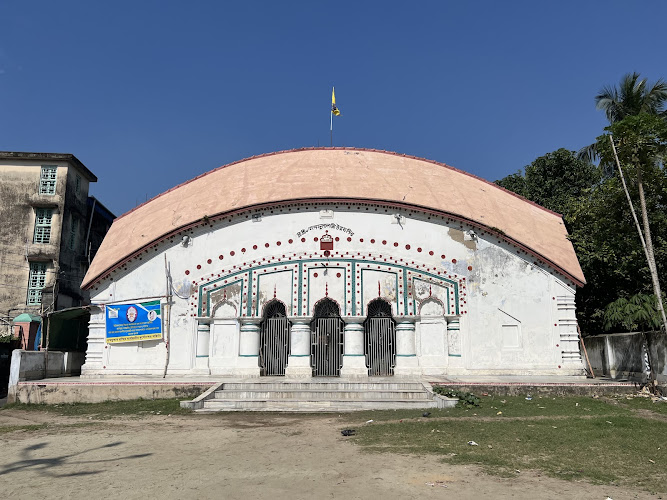
Nandadulal Temple
Find Accommodations Nearby
Recommended Tours & Activities
Visitor Reviews
There are no reviews yet. Be the first one to write one.
Share Your Experience
Have you visited Gangetica? Help other travelers by leaving a review.