

Chamo Lake
About Chamo Lake
Description
Look, I've seen my fair share of lakes across Africa, but Chamo Lake in Ethiopia's Rift Valley hits different. This massive freshwater expanse - Ethiopia's third-largest lake - stretches out like nature's own wildlife theater. The real stars of the show? The enormous Nile crocodiles that bask along the shoreline, looking like prehistoric giants taking their daily sunbath. I still remember my first visit during sunset when the water turned golden, and dozens of hippos emerged, creating ripples across the otherwise mirror-like surface. What really gets me excited about Chamo is how raw and untouched it feels - none of that over-commercialized tourist trap stuff you sometimes find elsewhere.Key Features
• Crocodile Market - And no, you're not buying crocs here! It's actually a prime viewing spot where sometimes up to 50 massive Nile crocodiles gather to sunbathe • Hippopotamus Pods - Large groups of hippos call these waters home, creating quite the spectacle during feeding times • Bird Paradise - The shoreline transforms into a birdwatcher's dream with pelicans, flamingos, and countless fish eagles swooping down for their catch • Crystal Clear Waters - The lake maintains remarkable clarity, perfect for spotting fish beneath the surface • Traditional Fishing - Local fishermen still use traditional reed boats, creating perfect photo opportunities against the backdrop of wildlife • Unspoiled Shoreline - Much of the lake's 551 square kilometers remains natural and undeveloped • Rich Fish Population - The lake supports over 28 species of fish, including massive Nile perchBest Time to Visit
From my experience, October through January offers the sweet spot for visiting Chamo Lake. The weather's just right - not too hot, not too wet. Plus, this is when the wildlife activity peaks, especially around the famous Crocodile Market. During these months, the water levels are perfect, and the animals tend to congregate more frequently along the shoreline. Avoid the heavy rain season between July and September - trust me on this one. I once made that mistake and spent more time ducking for cover than actually enjoying the lake. The roads can get pretty muddy too, which makes access tricky. Early mornings and late afternoons typically offer the best wildlife viewing opportunities. That's when the animals are most active, and the lighting is absolutely perfect for photography.How to Get There
Getting to Chamo Lake is part of the adventure. The nearest major town is Arba Minch, and that's where your journey really begins. You can reach Arba Minch by taking a domestic flight from Addis Ababa - it's about an hour in the air. If you're feeling more adventurous (and have time to spare), the drive from Addis takes about 8 hours through some seriously spectacular countryside. From Arba Minch, you'll need to arrange local transport to the lake itself. Most visitors hook up with a tour operator in town - they'll sort out the boat trips and wildlife viewing. Some hotels in Arba Minch also organize transport and tours to the lake.Tips for Visiting
Listen up, because these tips come from someone who learned them the hard way! First off, bring a good camera with a decent zoom lens - those crocs might be huge, but you'll want to keep a safe distance. And speaking of safety, always, ALWAYS listen to your guide. These folks know their stuff and understand the animals' behavior patterns. Pack plenty of water and sun protection - the Ethiopian sun doesn't mess around. A hat, sunscreen, and lightweight, long-sleeved clothing will be your best friends out there. If you're planning on taking a boat trip (which you absolutely should), try to book the first morning tour. The animals are more active, and the light is gorgeous for photos. Don't forget your binoculars! While the crocs and hippos are pretty easy to spot, there's so much more wildlife activity happening along the shoreline that you won't want to miss. And here's a pro tip: bring some cash for the local guides - their knowledge is invaluable, and they often share fascinating stories about the lake's history and wildlife. One last thing - and this is important - keep your expectations in check about facilities around the lake. This isn't some fancy tourist resort, and that's precisely what makes it special. The raw, untamed nature of Chamo Lake is its biggest draw, so embrace the adventure and prepare accordingly. Remember to respect the local communities and their fishing practices. The lake isn't just a tourist attraction - it's a vital resource for many families who've lived here for generations. And please, whatever you do, don't try to get that perfect selfie with the wildlife. Keep a safe distance, and let nature do its thing.Key Features
- Key Features
- Best Time to Visit
- How to Get There
- Tips for Visiting
More Details
Updated June 13, 2025
Table of Contents
Description
Look, I’ve seen my fair share of lakes across Africa, but Chamo Lake in Ethiopia’s Rift Valley hits different. This massive freshwater expanse – Ethiopia’s third-largest lake – stretches out like nature’s own wildlife theater. The real stars of the show? The enormous Nile crocodiles that bask along the shoreline, looking like prehistoric giants taking their daily sunbath.
I still remember my first visit during sunset when the water turned golden, and dozens of hippos emerged, creating ripples across the otherwise mirror-like surface. What really gets me excited about Chamo is how raw and untouched it feels – none of that over-commercialized tourist trap stuff you sometimes find elsewhere.
Key Features
• Crocodile Market – And no, you’re not buying crocs here! It’s actually a prime viewing spot where sometimes up to 50 massive Nile crocodiles gather to sunbathe
• Hippopotamus Pods – Large groups of hippos call these waters home, creating quite the spectacle during feeding times
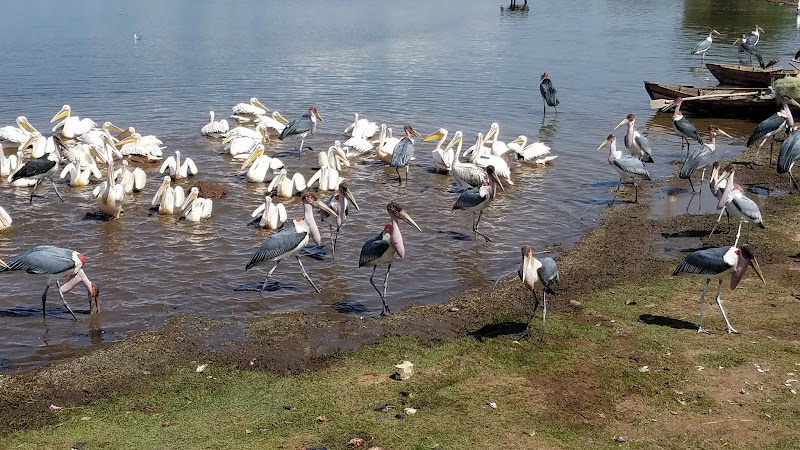
• Bird Paradise – The shoreline transforms into a birdwatcher’s dream with pelicans, flamingos, and countless fish eagles swooping down for their catch
• Crystal Clear Waters – The lake maintains remarkable clarity, perfect for spotting fish beneath the surface
• Traditional Fishing – Local fishermen still use traditional reed boats, creating perfect photo opportunities against the backdrop of wildlife
• Unspoiled Shoreline – Much of the lake’s 551 square kilometers remains natural and undeveloped
• Rich Fish Population – The lake supports over 28 species of fish, including massive Nile perch
Best Time to Visit
From my experience, October through January offers the sweet spot for visiting Chamo Lake. The weather’s just right – not too hot, not too wet. Plus, this is when the wildlife activity peaks, especially around the famous Crocodile Market. During these months, the water levels are perfect, and the animals tend to congregate more frequently along the shoreline.
Avoid the heavy rain season between July and September – trust me on this one. I once made that mistake and spent more time ducking for cover than actually enjoying the lake. The roads can get pretty muddy too, which makes access tricky.
Early mornings and late afternoons typically offer the best wildlife viewing opportunities. That’s when the animals are most active, and the lighting is absolutely perfect for photography.
How to Get There
Getting to Chamo Lake is part of the adventure. The nearest major town is Arba Minch, and that’s where your journey really begins. You can reach Arba Minch by taking a domestic flight from Addis Ababa – it’s about an hour in the air. If you’re feeling more adventurous (and have time to spare), the drive from Addis takes about 8 hours through some seriously spectacular countryside.
From Arba Minch, you’ll need to arrange local transport to the lake itself. Most visitors hook up with a tour operator in town – they’ll sort out the boat trips and wildlife viewing. Some hotels in Arba Minch also organize transport and tours to the lake.
Tips for Visiting
Listen up, because these tips come from someone who learned them the hard way! First off, bring a good camera with a decent zoom lens – those crocs might be huge, but you’ll want to keep a safe distance. And speaking of safety, always, ALWAYS listen to your guide. These folks know their stuff and understand the animals’ behavior patterns.
Pack plenty of water and sun protection – the Ethiopian sun doesn’t mess around. A hat, sunscreen, and lightweight, long-sleeved clothing will be your best friends out there. If you’re planning on taking a boat trip (which you absolutely should), try to book the first morning tour. The animals are more active, and the light is gorgeous for photos.
Don’t forget your binoculars! While the crocs and hippos are pretty easy to spot, there’s so much more wildlife activity happening along the shoreline that you won’t want to miss. And here’s a pro tip: bring some cash for the local guides – their knowledge is invaluable, and they often share fascinating stories about the lake’s history and wildlife.
One last thing – and this is important – keep your expectations in check about facilities around the lake. This isn’t some fancy tourist resort, and that’s precisely what makes it special. The raw, untamed nature of Chamo Lake is its biggest draw, so embrace the adventure and prepare accordingly.
Remember to respect the local communities and their fishing practices. The lake isn’t just a tourist attraction – it’s a vital resource for many families who’ve lived here for generations. And please, whatever you do, don’t try to get that perfect selfie with the wildlife. Keep a safe distance, and let nature do its thing.
Key Highlights
- Key Features
- Best Time to Visit
- How to Get There
- Tips for Visiting
Location
Places to Stay Near Chamo Lake
Find and Book a Tour
Explore More Travel Guides
No reviews found! Be the first to review!
Traveler Reviews for Chamo Lake
There are no reviews yet. Be the first one to write one.
Have you visited Chamo Lake? Help other travelers by sharing your review.
You Might Also Like
Lake Awasa
Hora Wancii

Mount Tullu Dimtu
Find Accommodations Nearby
Recommended Tours & Activities
Visitor Reviews
There are no reviews yet. Be the first one to write one.
Share Your Experience
Have you visited Chamo Lake? Help other travelers by leaving a review.