
Campo Grande
About Campo Grande
Description
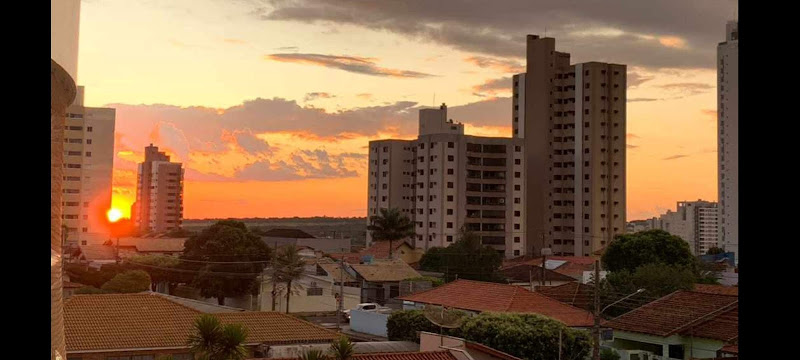
Campo Grande, the capital of Mato Grosso do Sul in west-central Brazil, often surprises travelers who stumble upon it while heading toward the Pantanal. It’s not a city that screams for attention with flashy skyscrapers or chaotic nightlife, but rather one that quietly reveals its charm through culture, history, and nature. Walking around, you’ll notice how the pace is calmer than in other Brazilian capitals—life here seems to breathe a little slower, which can be a gift when you’re traveling for weeks on end.
The Indigenous Culture Memorial is one of the city’s most fascinating stops. It’s designed like a traditional tribal village, with straw and bamboo structures that feel both rustic and symbolic. Inside, artisans showcase their crafts, and you can watch them work with their hands, weaving or carving pieces that carry centuries of tradition. It doesn’t feel like a staged attraction; it feels real, like you’re stepping into a living story. Just next door, the Indigenous Nations Park stretches out with green spaces and the Dom Bosco Cultural Museum, where shelves full of baskets, weapons, and musical instruments tell stories of the region’s first peoples. If you’ve ever been curious about Brazil’s indigenous roots beyond the generic textbook version, this is where the puzzle pieces start fitting together.
Nature is never far away in Campo Grande. Prosa State Park, right inside the city, is a reminder that urban life and wildlife can coexist. On a walk there, you might spot anteaters, capybaras, or even bats fluttering around at dusk. Birdwatchers love it, but honestly, even if you’re not into ticking species off a list, it’s just refreshing to find yourself surrounded by trees and trails rather than traffic. I remember wandering there one late afternoon and stumbling upon a group of locals practicing yoga under the trees—it felt like the city’s soul was right there in that moment, calm and grounded.
Campo Grande isn’t perfect. Some travelers might find it a little too quiet, especially if they’re expecting the buzz of Rio or São Paulo. But that’s also its charm—it’s a place to pause, learn, and connect with both people and nature. And if you’re using it as a gateway to the Pantanal, it’s the perfect warm-up before plunging into the wild wetlands.
Key Features
- Indigenous Culture Memorial with authentic straw and bamboo village structures
- Dom Bosco Cultural Museum showcasing indigenous artifacts like weapons, baskets, and musical instruments
- Indigenous Nations Park, a vast green space in the heart of the city
- Prosa State Park with wildlife such as anteaters, bats, and diverse bird species
- A relaxed urban atmosphere with strong cultural identity
- Gateway location to the Pantanal wetlands
Best Time to Visit
The city has a tropical climate, which means warm weather most of the year. The dry season, from May to September, is the most comfortable time to visit. Days are sunny, nights are cooler, and wildlife spotting in nearby natural areas is at its best. The rainy season, from October to March, can make outdoor activities trickier due to sudden downpours, but the landscapes turn lush and green. If you’re planning to head into the Pantanal after Campo Grande, the dry months are definitely more practical. Still, there’s something magical about the rains—the smell of wet earth and the dramatic skies rolling over the city are unforgettable.
How to Get There
Campo Grande is well connected by air, with an international airport that serves both domestic routes and some regional flights. If you’re coming from São Paulo, Brasília, or Rio, you’ll find daily flights that make the journey quick and painless. By bus, it’s a longer haul but doable, especially if you’re traveling on a budget. The bus station is busy but organized, and long-distance coaches connect Campo Grande with other major cities in Brazil.
Once in the city, getting around is straightforward. Taxis and ride-sharing apps are reliable, and renting a car is a good option if you plan to explore the surrounding areas. The city itself is fairly spread out, so walking isn’t always practical, but for shorter distances, it’s pleasant enough.
Tips for Visiting
First tip: don’t rush. Campo Grande rewards slow travel. Spend time at the Indigenous Culture Memorial and really talk to the artisans—you’ll learn more in a casual chat than from any guidebook. If you’re heading to Prosa State Park, wear comfortable shoes and bring water, because the trails can be longer than they look on the map. And yes, insect repellent is your friend here, especially if you’re sensitive to bites.
Another little piece of advice: try the local food. Mato Grosso do Sul has its own culinary identity, with influences from Paraguay and Bolivia. Dishes like sobá (a noodle soup with Japanese roots, oddly enough) are local favorites. I once had it at a small family-run spot and ended up chatting with the owner for an hour about how Japanese immigrants shaped the city’s food culture—it was one of those unexpected travel gems.
Safety-wise, Campo Grande is generally calmer than Brazil’s bigger cities, but the usual travel smarts apply. Keep an eye on your belongings, especially in markets or busier areas. Nights are quieter, so stick to well-lit streets and avoid wandering too far off the beaten path after dark.
Lastly, remember that Campo Grande is more than just a stopover on the way to the Pantanal. It has its own rhythm, its own stories, and its own beauty. If you give it a little time and attention, you’ll walk away with memories that feel richer and more personal than just another ticked box on your itinerary.
Key Features
- Indigenous Culture Memorial with authentic straw and bamboo village structures
- Dom Bosco Cultural Museum showcasing indigenous artifacts like weapons, baskets, and musical instruments
- Indigenous Nations Park, a vast green space in the heart of the city
- Prosa State Park with wildlife such as anteaters, bats, and diverse bird species
- A relaxed urban atmosphere with strong cultural identity
- Gateway location to the Pantanal wetlands
More Details
Updated September 30, 2025
Table of Contents
Description
Campo Grande, the capital of Mato Grosso do Sul in west-central Brazil, often surprises travelers who stumble upon it while heading toward the Pantanal. It’s not a city that screams for attention with flashy skyscrapers or chaotic nightlife, but rather one that quietly reveals its charm through culture, history, and nature. Walking around, you’ll notice how the pace is calmer than in other Brazilian capitals—life here seems to breathe a little slower, which can be a gift when you’re traveling for weeks on end.
The Indigenous Culture Memorial is one of the city’s most fascinating stops. It’s designed like a traditional tribal village, with straw and bamboo structures that feel both rustic and symbolic. Inside, artisans showcase their crafts, and you can watch them work with their hands, weaving or carving pieces that carry centuries of tradition. It doesn’t feel like a staged attraction; it feels real, like you’re stepping into a living story. Just next door, the Indigenous Nations Park stretches out with green spaces and the Dom Bosco Cultural Museum, where shelves full of baskets, weapons, and musical instruments tell stories of the region’s first peoples. If you’ve ever been curious about Brazil’s indigenous roots beyond the generic textbook version, this is where the puzzle pieces start fitting together.
Nature is never far away in Campo Grande. Prosa State Park, right inside the city, is a reminder that urban life and wildlife can coexist. On a walk there, you might spot anteaters, capybaras, or even bats fluttering around at dusk. Birdwatchers love it, but honestly, even if you’re not into ticking species off a list, it’s just refreshing to find yourself surrounded by trees and trails rather than traffic. I remember wandering there one late afternoon and stumbling upon a group of locals practicing yoga under the trees—it felt like the city’s soul was right there in that moment, calm and grounded.
Campo Grande isn’t perfect. Some travelers might find it a little too quiet, especially if they’re expecting the buzz of Rio or São Paulo. But that’s also its charm—it’s a place to pause, learn, and connect with both people and nature. And if you’re using it as a gateway to the Pantanal, it’s the perfect warm-up before plunging into the wild wetlands.
Key Features
- Indigenous Culture Memorial with authentic straw and bamboo village structures
- Dom Bosco Cultural Museum showcasing indigenous artifacts like weapons, baskets, and musical instruments
- Indigenous Nations Park, a vast green space in the heart of the city
- Prosa State Park with wildlife such as anteaters, bats, and diverse bird species
- A relaxed urban atmosphere with strong cultural identity
- Gateway location to the Pantanal wetlands
Best Time to Visit
The city has a tropical climate, which means warm weather most of the year. The dry season, from May to September, is the most comfortable time to visit. Days are sunny, nights are cooler, and wildlife spotting in nearby natural areas is at its best. The rainy season, from October to March, can make outdoor activities trickier due to sudden downpours, but the landscapes turn lush and green. If you’re planning to head into the Pantanal after Campo Grande, the dry months are definitely more practical. Still, there’s something magical about the rains—the smell of wet earth and the dramatic skies rolling over the city are unforgettable.
How to Get There
Campo Grande is well connected by air, with an international airport that serves both domestic routes and some regional flights. If you’re coming from São Paulo, Brasília, or Rio, you’ll find daily flights that make the journey quick and painless. By bus, it’s a longer haul but doable, especially if you’re traveling on a budget. The bus station is busy but organized, and long-distance coaches connect Campo Grande with other major cities in Brazil.
Once in the city, getting around is straightforward. Taxis and ride-sharing apps are reliable, and renting a car is a good option if you plan to explore the surrounding areas. The city itself is fairly spread out, so walking isn’t always practical, but for shorter distances, it’s pleasant enough.
Tips for Visiting
First tip: don’t rush. Campo Grande rewards slow travel. Spend time at the Indigenous Culture Memorial and really talk to the artisans—you’ll learn more in a casual chat than from any guidebook. If you’re heading to Prosa State Park, wear comfortable shoes and bring water, because the trails can be longer than they look on the map. And yes, insect repellent is your friend here, especially if you’re sensitive to bites.
Another little piece of advice: try the local food. Mato Grosso do Sul has its own culinary identity, with influences from Paraguay and Bolivia. Dishes like sobá (a noodle soup with Japanese roots, oddly enough) are local favorites. I once had it at a small family-run spot and ended up chatting with the owner for an hour about how Japanese immigrants shaped the city’s food culture—it was one of those unexpected travel gems.
Safety-wise, Campo Grande is generally calmer than Brazil’s bigger cities, but the usual travel smarts apply. Keep an eye on your belongings, especially in markets or busier areas. Nights are quieter, so stick to well-lit streets and avoid wandering too far off the beaten path after dark.
Lastly, remember that Campo Grande is more than just a stopover on the way to the Pantanal. It has its own rhythm, its own stories, and its own beauty. If you give it a little time and attention, you’ll walk away with memories that feel richer and more personal than just another ticked box on your itinerary.
Key Highlights
- Indigenous Culture Memorial with authentic straw and bamboo village structures
- Dom Bosco Cultural Museum showcasing indigenous artifacts like weapons, baskets, and musical instruments
- Indigenous Nations Park, a vast green space in the heart of the city
- Prosa State Park with wildlife such as anteaters, bats, and diverse bird species
- A relaxed urban atmosphere with strong cultural identity
- Gateway location to the Pantanal wetlands
Location
Places to Stay Near Campo Grande
Find and Book a Tour
Explore More Travel Guides
No reviews found! Be the first to review!
Traveler Reviews for Campo Grande
There are no reviews yet. Be the first one to write one.
Have you visited Campo Grande? Help other travelers by sharing your review.
You Might Also Like
Nascente do Córrego Três Barras
Cachoeira do Céu
Monumento Imigração Japonesa - Praça do Rádio Clube
Find Accommodations Nearby
Recommended Tours & Activities
Visitor Reviews
There are no reviews yet. Be the first one to write one.
Share Your Experience
Have you visited Campo Grande? Help other travelers by leaving a review.