
Calabar Drill Monkey Ranch
About Calabar Drill Monkey Ranch
Description
The Calabar Drill Monkey Ranch represents one of Nigeria's most significant conservation efforts, and honestly, it's the kind of place that makes you rethink everything you thought you knew about primate sanctuaries. Located in Cross River State, this isn't your typical zoo experience where animals pace behind glass walls looking miserable. Instead, visitors get to witness drill monkeys—one of Africa's most endangered primates—living in conditions that actually resemble their natural habitat. I've always been fascinated by conservation projects that actually work, and this place delivers on that promise. The drill monkey, for those who might not know, is a primate that's critically endangered and found only in the forests of West Africa. These creatures are absolutely remarkable with their distinctive colorful rumps and social structures that would put most reality TV shows to shame. The ranch serves as both a breeding center and a rehabilitation facility, which means you're not just looking at captive animals—you're witnessing an active effort to save an entire species from extinction. What really sets this place apart is the genuine commitment to education and conservation rather than just entertainment. Sure, watching monkeys swing around is entertaining (let's be honest, it never gets old), but the staff here actually want you to understand why these animals matter. The facility houses dozens of drills rescued from the illegal pet trade or born as part of the breeding program, and each one has a story that'll probably make you feel things. The ranch sprawls across forested land that gives the monkeys room to actually be monkeys. You'll see family groups interacting, juveniles playing, and if you're lucky, you might catch feeding time which is basically controlled chaos in the best possible way. And the guides here? They know their stuff. They're not reading from rehearsed scripts—they're genuinely passionate about these animals and it shows.Key Features
The Calabar Drill Monkey Ranch offers several distinctive elements that make it worth the journey:- Home to one of the largest populations of captive drill monkeys in the world, with breeding programs that have successfully increased drill monkey numbers
- Natural forest enclosures that allow visitors to observe drill monkey behavior in semi-wild conditions rather than traditional cage settings
- Educational programs that teach visitors about primate conservation, the illegal bushmeat trade, and the ecological importance of drill monkeys
- Kid-friendly environment where children can learn about wildlife conservation in an engaging, hands-on manner that actually sticks with them
- Opportunities to observe complex social dynamics within drill monkey troops, including grooming behaviors, dominance displays, and infant care
- Guided tours led by knowledgeable staff who've worked with these animals for years and can share individual monkey personalities and stories
- Photography opportunities that you simply won't find elsewhere—these aren't your standard zoo shots
- Supporting a legitimate conservation organization that's making measurable differences in preventing drill monkey extinction
- Connection to broader conservation efforts in Cross River State, including forest preservation initiatives
- Relatively small crowds compared to other tourist attractions, allowing for a more intimate and meaningful experience
Best Time to Visit
Timing your visit to the Calabar Drill Monkey Ranch can make a genuine difference in your experience, and I'd say this matters more than people usually think. The dry season, running from November through March, is generally considered optimal. During these months, the weather cooperates more reliably, and you won't be fighting through mud or dealing with sudden downpours that can turn forest paths into slip-and-slides. But here's where it gets interesting—the monkeys themselves are actually more active during the early morning and late afternoon hours regardless of season. If you can swing it, arriving right when the ranch opens gives you the best chance to see the drills at their liveliest. They're doing their morning routines, the younger ones are playing before it gets too hot, and the whole atmosphere just feels more dynamic. The wet season from April to October isn't necessarily bad though. Yeah, you'll deal with rain, but the forest looks absolutely incredible during this time, and honestly, the monkeys don't really care about a little precipitation. Some visitors actually prefer this period because there tend to be fewer tourists, which means more one-on-one time with the guides who can share deeper insights without rushing. Weekdays beat weekends hands down if you want a quieter experience. School groups often visit on weekends, which can be fun in its own chaotic way, but if you're hoping for that peaceful connection with nature vibe, Tuesday through Thursday tends to be your sweet spot.How to Get There
Getting to the Calabar Drill Monkey Ranch requires a bit of planning, but it's not nearly as complicated as some travel guides make it sound. Calabar itself is accessible by air, with direct flights from Lagos and Abuja landing at Margaret Ekpo International Airport. Once you're in Calabar, the ranch sits on the outskirts of the city, and you've got a few options for covering that last stretch. Taxi services in Calabar can get you there, though you'll want to negotiate the fare beforehand because meter usage isn't exactly standard practice here. Most local drivers know the ranch, but having the name written down in case of communication barriers never hurts. The journey from central Calabar takes roughly 30 to 45 minutes depending on traffic, which can be unpredictable. For those who prefer more control over their schedule, hiring a private car for the day makes sense, especially if you're planning to visit other attractions in the area. Several hotels in Calabar can arrange this, and having a driver who waits for you means you're not scrambling for transport after your visit when you're tired and just want to get back. Public transport exists but requires a solid sense of adventure and willingness to ask for directions multiple times. Local minibuses head in the general direction, but you'll likely need to switch vehicles or walk a portion of the way. This option works better if you're traveling with someone familiar with the area or if you're the type who considers navigation challenges part of the experience. If you're driving yourself, the roads are generally passable but can deteriorate during heavy rains. GPS works reasonably well in this area, though having downloaded offline maps provides backup when mobile signals get spotty.Tips for Visiting
Wear sensible shoes—and I mean actually sensible, not those fashionable sneakers that look outdoorsy but have zero traction. The paths around the enclosures can get slippery, and you'll be doing more walking than you probably expect. Closed-toe shoes protect against the occasional insect or thorny plant too. Bring insect repellent because mosquitoes and other bugs consider this their territory, and they're not particularly welcoming to visitors. Long, lightweight clothing helps as well, though you'll want breathable fabrics because the humidity can be intense even on cooler days. Cash is essential since card payment options are limited to non-existent. Have smaller denominations ready for admission fees and any donations you might want to make. Speaking of donations, the ranch operates largely on tight budgets despite doing incredible work, so any extra contribution actually goes toward feeding and caring for these animals. Photography enthusiasts should bring proper cameras rather than relying solely on phones. The lighting under forest canopy can be tricky, and being able to adjust settings makes a huge difference. That said, respect any photography guidelines the staff provides—flash photography can stress the animals, and nobody wants to be that person disrupting everyone else's experience. Pack water and perhaps some snacks, though nothing you'd need to worry about disposing of improperly. Facilities are basic, and while there might be refreshments available, it's better not to count on it. Whatever you bring in, make absolutely sure you bring back out—littering at a conservation site is just... don't be that visitor. Engage with the guides and ask questions. These folks have forgotten more about drill monkeys than most of us will ever know, and they appreciate genuine interest. But also read the room—if they're busy managing a situation with the animals, wait for a better moment. Children are welcome and the ranch is set up to accommodate families, but keep an eye on younger kids. The monkeys are behind barriers for good reason, and teaching children to observe respectfully rather than trying to interact directly is important. This actually makes a fantastic learning opportunity about wildlife and boundaries. Plan for at least two to three hours to properly experience everything the ranch offers. Rushing through defeats the purpose, and you'll miss the subtle behaviors and interactions that make observing these primates so rewarding. Finally, approach your visit with realistic expectations. This is a working conservation facility, not a polished tourist attraction with gift shops and restaurants. The value lies in what's being accomplished here—the preservation of an endangered species—and witnessing that effort firsthand is genuinely special. The experience feels authentic because it is, and that's become increasingly rare in our overly-commercialized travel world.Key Features
- Home to one of the largest populations of captive drill monkeys in the world, with breeding programs that have successfully increased drill monkey numbers
- Natural forest enclosures that allow visitors to observe drill monkey behavior in semi-wild conditions rather than traditional cage settings
- Educational programs that teach visitors about primate conservation, the illegal bushmeat trade, and the ecological importance of drill monkeys
- Kid-friendly environment where children can learn about wildlife conservation in an engaging, hands-on manner that actually sticks with them
- Opportunities to observe complex social dynamics within drill monkey troops, including grooming behaviors, dominance displays, and infant care
- Guided tours led by knowledgeable staff who've worked with these animals for years and can share individual monkey personalities and stories
- Photography opportunities that you simply won't find elsewhere—these aren't your standard zoo shots
- Supporting a legitimate conservation organization that's making measurable differences in preventing drill monkey extinction
More Details
Updated January 18, 2026
Table of Contents
Description
The Calabar Drill Monkey Ranch represents one of Nigeria’s most significant conservation efforts, and honestly, it’s the kind of place that makes you rethink everything you thought you knew about primate sanctuaries. Located in Cross River State, this isn’t your typical zoo experience where animals pace behind glass walls looking miserable. Instead, visitors get to witness drill monkeys—one of Africa’s most endangered primates—living in conditions that actually resemble their natural habitat.
I’ve always been fascinated by conservation projects that actually work, and this place delivers on that promise. The drill monkey, for those who might not know, is a primate that’s critically endangered and found only in the forests of West Africa. These creatures are absolutely remarkable with their distinctive colorful rumps and social structures that would put most reality TV shows to shame. The ranch serves as both a breeding center and a rehabilitation facility, which means you’re not just looking at captive animals—you’re witnessing an active effort to save an entire species from extinction.
What really sets this place apart is the genuine commitment to education and conservation rather than just entertainment. Sure, watching monkeys swing around is entertaining (let’s be honest, it never gets old), but the staff here actually want you to understand why these animals matter. The facility houses dozens of drills rescued from the illegal pet trade or born as part of the breeding program, and each one has a story that’ll probably make you feel things.
The ranch sprawls across forested land that gives the monkeys room to actually be monkeys. You’ll see family groups interacting, juveniles playing, and if you’re lucky, you might catch feeding time which is basically controlled chaos in the best possible way. And the guides here? They know their stuff. They’re not reading from rehearsed scripts—they’re genuinely passionate about these animals and it shows.
Key Features
The Calabar Drill Monkey Ranch offers several distinctive elements that make it worth the journey:
- Home to one of the largest populations of captive drill monkeys in the world, with breeding programs that have successfully increased drill monkey numbers
- Natural forest enclosures that allow visitors to observe drill monkey behavior in semi-wild conditions rather than traditional cage settings
- Educational programs that teach visitors about primate conservation, the illegal bushmeat trade, and the ecological importance of drill monkeys
- Kid-friendly environment where children can learn about wildlife conservation in an engaging, hands-on manner that actually sticks with them
- Opportunities to observe complex social dynamics within drill monkey troops, including grooming behaviors, dominance displays, and infant care
- Guided tours led by knowledgeable staff who’ve worked with these animals for years and can share individual monkey personalities and stories
- Photography opportunities that you simply won’t find elsewhere—these aren’t your standard zoo shots
- Supporting a legitimate conservation organization that’s making measurable differences in preventing drill monkey extinction
- Connection to broader conservation efforts in Cross River State, including forest preservation initiatives
- Relatively small crowds compared to other tourist attractions, allowing for a more intimate and meaningful experience
Best Time to Visit
Timing your visit to the Calabar Drill Monkey Ranch can make a genuine difference in your experience, and I’d say this matters more than people usually think. The dry season, running from November through March, is generally considered optimal. During these months, the weather cooperates more reliably, and you won’t be fighting through mud or dealing with sudden downpours that can turn forest paths into slip-and-slides.
But here’s where it gets interesting—the monkeys themselves are actually more active during the early morning and late afternoon hours regardless of season. If you can swing it, arriving right when the ranch opens gives you the best chance to see the drills at their liveliest. They’re doing their morning routines, the younger ones are playing before it gets too hot, and the whole atmosphere just feels more dynamic.
The wet season from April to October isn’t necessarily bad though. Yeah, you’ll deal with rain, but the forest looks absolutely incredible during this time, and honestly, the monkeys don’t really care about a little precipitation. Some visitors actually prefer this period because there tend to be fewer tourists, which means more one-on-one time with the guides who can share deeper insights without rushing.
Weekdays beat weekends hands down if you want a quieter experience. School groups often visit on weekends, which can be fun in its own chaotic way, but if you’re hoping for that peaceful connection with nature vibe, Tuesday through Thursday tends to be your sweet spot.
How to Get There
Getting to the Calabar Drill Monkey Ranch requires a bit of planning, but it’s not nearly as complicated as some travel guides make it sound. Calabar itself is accessible by air, with direct flights from Lagos and Abuja landing at Margaret Ekpo International Airport. Once you’re in Calabar, the ranch sits on the outskirts of the city, and you’ve got a few options for covering that last stretch.
Taxi services in Calabar can get you there, though you’ll want to negotiate the fare beforehand because meter usage isn’t exactly standard practice here. Most local drivers know the ranch, but having the name written down in case of communication barriers never hurts. The journey from central Calabar takes roughly 30 to 45 minutes depending on traffic, which can be unpredictable.
For those who prefer more control over their schedule, hiring a private car for the day makes sense, especially if you’re planning to visit other attractions in the area. Several hotels in Calabar can arrange this, and having a driver who waits for you means you’re not scrambling for transport after your visit when you’re tired and just want to get back.
Public transport exists but requires a solid sense of adventure and willingness to ask for directions multiple times. Local minibuses head in the general direction, but you’ll likely need to switch vehicles or walk a portion of the way. This option works better if you’re traveling with someone familiar with the area or if you’re the type who considers navigation challenges part of the experience.
If you’re driving yourself, the roads are generally passable but can deteriorate during heavy rains. GPS works reasonably well in this area, though having downloaded offline maps provides backup when mobile signals get spotty.
Tips for Visiting
Wear sensible shoes—and I mean actually sensible, not those fashionable sneakers that look outdoorsy but have zero traction. The paths around the enclosures can get slippery, and you’ll be doing more walking than you probably expect. Closed-toe shoes protect against the occasional insect or thorny plant too.
Bring insect repellent because mosquitoes and other bugs consider this their territory, and they’re not particularly welcoming to visitors. Long, lightweight clothing helps as well, though you’ll want breathable fabrics because the humidity can be intense even on cooler days.
Cash is essential since card payment options are limited to non-existent. Have smaller denominations ready for admission fees and any donations you might want to make. Speaking of donations, the ranch operates largely on tight budgets despite doing incredible work, so any extra contribution actually goes toward feeding and caring for these animals.
Photography enthusiasts should bring proper cameras rather than relying solely on phones. The lighting under forest canopy can be tricky, and being able to adjust settings makes a huge difference. That said, respect any photography guidelines the staff provides—flash photography can stress the animals, and nobody wants to be that person disrupting everyone else’s experience.
Pack water and perhaps some snacks, though nothing you’d need to worry about disposing of improperly. Facilities are basic, and while there might be refreshments available, it’s better not to count on it. Whatever you bring in, make absolutely sure you bring back out—littering at a conservation site is just… don’t be that visitor.
Engage with the guides and ask questions. These folks have forgotten more about drill monkeys than most of us will ever know, and they appreciate genuine interest. But also read the room—if they’re busy managing a situation with the animals, wait for a better moment.
Children are welcome and the ranch is set up to accommodate families, but keep an eye on younger kids. The monkeys are behind barriers for good reason, and teaching children to observe respectfully rather than trying to interact directly is important. This actually makes a fantastic learning opportunity about wildlife and boundaries.
Plan for at least two to three hours to properly experience everything the ranch offers. Rushing through defeats the purpose, and you’ll miss the subtle behaviors and interactions that make observing these primates so rewarding.
Finally, approach your visit with realistic expectations. This is a working conservation facility, not a polished tourist attraction with gift shops and restaurants. The value lies in what’s being accomplished here—the preservation of an endangered species—and witnessing that effort firsthand is genuinely special. The experience feels authentic because it is, and that’s become increasingly rare in our overly-commercialized travel world.
Key Highlights
- Home to one of the largest populations of captive drill monkeys in the world, with breeding programs that have successfully increased drill monkey numbers
- Natural forest enclosures that allow visitors to observe drill monkey behavior in semi-wild conditions rather than traditional cage settings
- Educational programs that teach visitors about primate conservation, the illegal bushmeat trade, and the ecological importance of drill monkeys
- Kid-friendly environment where children can learn about wildlife conservation in an engaging, hands-on manner that actually sticks with them
- Opportunities to observe complex social dynamics within drill monkey troops, including grooming behaviors, dominance displays, and infant care
- Guided tours led by knowledgeable staff who've worked with these animals for years and can share individual monkey personalities and stories
- Photography opportunities that you simply won't find elsewhere—these aren't your standard zoo shots
- Supporting a legitimate conservation organization that's making measurable differences in preventing drill monkey extinction
Location
Places to Stay Near Calabar Drill Monkey Ranch
Find and Book a Tour
Explore More Travel Guides
No reviews found! Be the first to review!
Traveler Reviews for Calabar Drill Monkey Ranch
There are no reviews yet. Be the first one to write one.
Have you visited Calabar Drill Monkey Ranch? Help other travelers by sharing your review.
You Might Also Like

Pandrillus NigeriaDrill Ranch
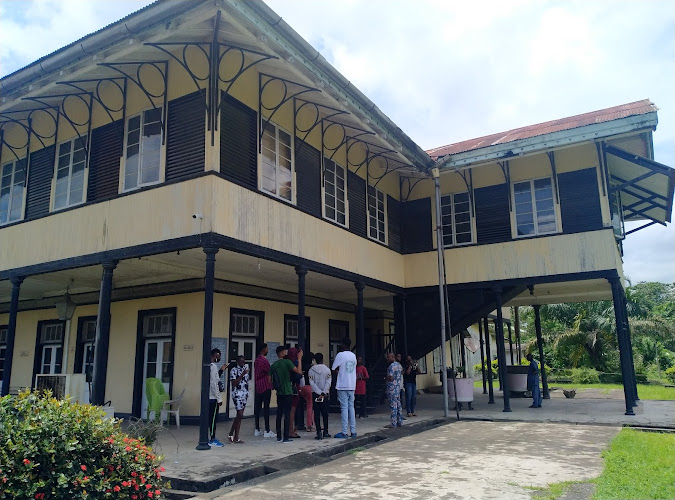
SIP STATION HUB CALABAR MUSEUM

Ndidem of the Quas Palace Grounds
Find Accommodations Nearby
Recommended Tours & Activities
Visitor Reviews
There are no reviews yet. Be the first one to write one.
Share Your Experience
Have you visited Calabar Drill Monkey Ranch? Help other travelers by leaving a review.