
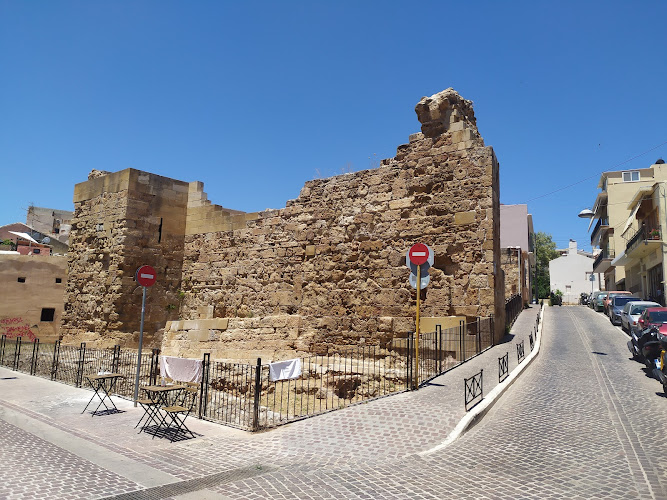
Byzantine Walls Of Chania
About Byzantine Walls Of Chania
Description
Let me tell you about one of Chania's most fascinating historical treasures - the Byzantine Walls. These ancient fortifications tell an incredible story of Crete's turbulent past, dating back to the first Byzantine period. The walls once transformed this entire area into a formidable fortress, complete with a seawater moat that turned the hill into an artificial island. Pretty cool, right? Having explored countless historical sites across Greece, I can honestly say these walls stand out for their remarkable preservation and the glimpse they provide into medieval military architecture. The walls you'll see today have weathered countless attacks, including the devastating Saracen invasion of 828 AD, when much of the original structure was destroyed. But like the resilient spirit of Crete itself, they were rebuilt and strengthened over centuries.Key Features
• Original Byzantine-era stonework still visible in several sections • Impressive defensive moat system that once surrounded the fortification • Strategic hilltop location offering panoramic views of Chania and the Mediterranean • Multiple construction phases visible, showing various historical periods • Well-preserved sections of ramparts that visitors can walk alongside • Architectural elements from different rulers including Byzantine, Venetian, and Ottoman periods • Integration with the modern city, where old meets new • Several access points allowing visitors to explore different sectionsBest Time to Visit
I've visited these walls during different seasons, and I can tell you that timing really makes a difference. Early morning or late afternoon visits between April and October offer the most comfortable temperatures and the best lighting for photography. The golden hour just before sunset is particularly magical - the ancient stones seem to glow with centuries of history. Avoid the midday sun during summer months (July-August) when temperatures can be brutal and there's little shade. Winter visits can be equally rewarding, with fewer tourists and a moody atmosphere that really helps you imagine the walls' defensive past. Just pack a light jacket and watch out for occasional rain showers.How to Get There
The Byzantine Walls are actually pretty easy to find since they wrap around parts of Chania's old town. You can start exploring them from several points in the city center. If you're staying in the old town, you're literally right there - just head toward the visible sections of the fortifications. From the new town, it's a short 10-15 minute walk. The main sections are well-marked on tourist maps, and honestly, you can't miss them - they're massive stone walls! Local buses stop nearby if you're coming from further out, and taxis know the area well. I usually recommend starting your exploration from the western section near the Maritime Museum, as it offers a good orientation point.Tips for Visiting
After multiple visits to these incredible fortifications, I've picked up some handy tips that'll make your experience even better. First off, wear comfortable shoes with good grip - those ancient stones can be slippery, especially after rain. Trust me, I learned this the hard way! Bring a water bottle and maybe a hat - there's not much shade along the walls. A good camera is essential because the views are incredible, especially during sunset. I always recommend carrying a small guidebook or downloading some historical information beforehand, as signage can be limited in some areas. Take your time exploring - there's no need to rush. The walls tell different stories depending on where you look, from Byzantine craftsmanship to Venetian modifications. Kids usually love imagining themselves as ancient defenders watching for pirates, so encourage their imagination if you're traveling with family. Morning visits tend to be quieter, perfect for those Instagram-worthy shots without crowds. And don't forget to explore the surrounding neighborhoods - some of Chania's best local cafes and tavernas are tucked away near the walls. Stop for a freddo espresso or local delicacy when you need a break. Oh, and here's a local secret - there are some lesser-known sections of the walls away from the main tourist areas that offer equally impressive views with fewer visitors. Just ask around, Cretans are usually happy to point you in the right direction. Remember to be respectful - while these walls are a tourist attraction, they're also an important historical monument that's stood for over a millennium. Take photos, explore, but please don't climb or remove any stones (yes, some people actually try this!).Key Features
- Key Features
- Best Time to Visit
- How to Get There
- Tips for Visiting
More Details
Updated May 28, 2025
Description
Let me tell you about one of Chania’s most fascinating historical treasures – the Byzantine Walls. These ancient fortifications tell an incredible story of Crete’s turbulent past, dating back to the first Byzantine period. The walls once transformed this entire area into a formidable fortress, complete with a seawater moat that turned the hill into an artificial island. Pretty cool, right?
Having explored countless historical sites across Greece, I can honestly say these walls stand out for their remarkable preservation and the glimpse they provide into medieval military architecture. The walls you’ll see today have weathered countless attacks, including the devastating Saracen invasion of 828 AD, when much of the original structure was destroyed. But like the resilient spirit of Crete itself, they were rebuilt and strengthened over centuries.
Key Features
• Original Byzantine-era stonework still visible in several sections
• Impressive defensive moat system that once surrounded the fortification
• Strategic hilltop location offering panoramic views of Chania and the Mediterranean
• Multiple construction phases visible, showing various historical periods
• Well-preserved sections of ramparts that visitors can walk alongside
• Architectural elements from different rulers including Byzantine, Venetian, and Ottoman periods
• Integration with the modern city, where old meets new
• Several access points allowing visitors to explore different sections
Best Time to Visit
I’ve visited these walls during different seasons, and I can tell you that timing really makes a difference. Early morning or late afternoon visits between April and October offer the most comfortable temperatures and the best lighting for photography. The golden hour just before sunset is particularly magical – the ancient stones seem to glow with centuries of history.
Avoid the midday sun during summer months (July-August) when temperatures can be brutal and there’s little shade. Winter visits can be equally rewarding, with fewer tourists and a moody atmosphere that really helps you imagine the walls’ defensive past. Just pack a light jacket and watch out for occasional rain showers.
How to Get There
The Byzantine Walls are actually pretty easy to find since they wrap around parts of Chania’s old town. You can start exploring them from several points in the city center. If you’re staying in the old town, you’re literally right there – just head toward the visible sections of the fortifications.
From the new town, it’s a short 10-15 minute walk. The main sections are well-marked on tourist maps, and honestly, you can’t miss them – they’re massive stone walls! Local buses stop nearby if you’re coming from further out, and taxis know the area well. I usually recommend starting your exploration from the western section near the Maritime Museum, as it offers a good orientation point.
Tips for Visiting
After multiple visits to these incredible fortifications, I’ve picked up some handy tips that’ll make your experience even better. First off, wear comfortable shoes with good grip – those ancient stones can be slippery, especially after rain. Trust me, I learned this the hard way!
Bring a water bottle and maybe a hat – there’s not much shade along the walls. A good camera is essential because the views are incredible, especially during sunset. I always recommend carrying a small guidebook or downloading some historical information beforehand, as signage can be limited in some areas.
Take your time exploring – there’s no need to rush. The walls tell different stories depending on where you look, from Byzantine craftsmanship to Venetian modifications. Kids usually love imagining themselves as ancient defenders watching for pirates, so encourage their imagination if you’re traveling with family.
Morning visits tend to be quieter, perfect for those Instagram-worthy shots without crowds. And don’t forget to explore the surrounding neighborhoods – some of Chania’s best local cafes and tavernas are tucked away near the walls. Stop for a freddo espresso or local delicacy when you need a break.
Oh, and here’s a local secret – there are some lesser-known sections of the walls away from the main tourist areas that offer equally impressive views with fewer visitors. Just ask around, Cretans are usually happy to point you in the right direction.
Remember to be respectful – while these walls are a tourist attraction, they’re also an important historical monument that’s stood for over a millennium. Take photos, explore, but please don’t climb or remove any stones (yes, some people actually try this!).
Key Highlights
- Key Features
- Best Time to Visit
- How to Get There
- Tips for Visiting
Location
Places to Stay Near Byzantine Walls Of Chania
Find and Book a Tour
Explore More Travel Guides
No reviews found! Be the first to review!
Traveler Reviews for Byzantine Walls Of Chania
There are no reviews yet. Be the first one to write one.
Have you visited Byzantine Walls Of Chania? Help other travelers by sharing your review.
You Might Also Like
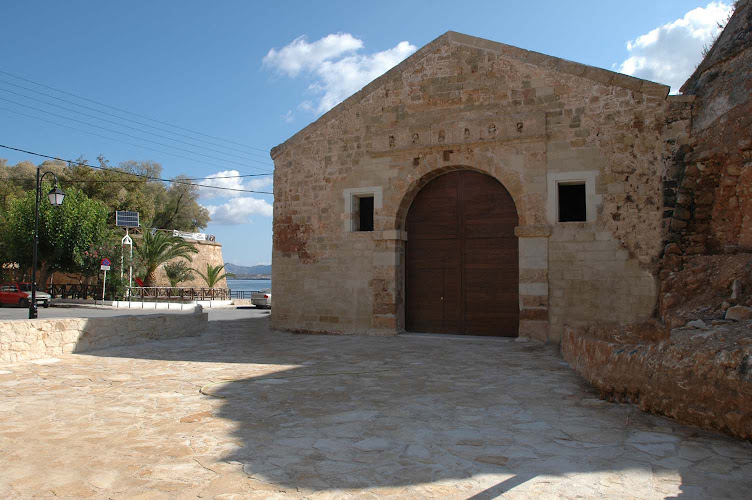
Sabbionara Bastion
Akti Tompazi 4
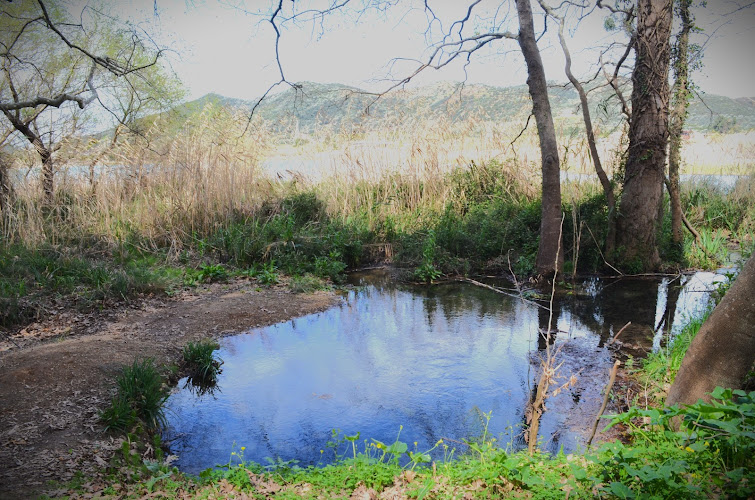
Chania Treasure Hunting – Riddle of Missing Friends Meeting Point
Find Accommodations Nearby
Recommended Tours & Activities
Visitor Reviews
There are no reviews yet. Be the first one to write one.
Share Your Experience
Have you visited Byzantine Walls Of Chania? Help other travelers by leaving a review.