Alligator Sanctuary
About Alligator Sanctuary
Description
The Alligator Sanctuary represents something genuinely special in the world of wildlife conservation - a place where rescued reptiles get a second chance at life while visitors discover just how misunderstood these prehistoric creatures really are. This veteran-owned facility operates as both a rescue service and educational tourist attraction, providing a safe haven for alligators and crocodiles that couldn't survive in the wild or needed rescue from unsuitable living conditions. Walking through the sanctuary feels different than your typical zoo experience. There's an authenticity here that's hard to fake - these aren't animals bred for display but survivors with real stories. I've visited countless wildlife facilities over the years, and honestly, the ones that focus on rescue and rehabilitation always hit differently. You can sense the genuine care that goes into each enclosure, each feeding demonstration, and each educational talk. The sanctuary focuses on giving these powerful predators the respect and space they deserve while allowing visitors to observe them safely. And let me tell you, seeing a full-grown alligator up close will absolutely change your perspective on these animals. They're not the mindless monsters movies make them out to be - they're complex, fascinating creatures that have survived millions of years virtually unchanged. What makes this place stand out is its commitment to education alongside conservation. The staff here doesn't just want you to look at alligators through glass - they want you to understand their behavior, their ecological importance, and the challenges they face. It's run by people who genuinely care about these animals, which shows in every aspect of the operation.Key Features
The Alligator Sanctuary offers visitors several distinctive experiences that make it worth adding to your travel itinerary:- Rescued alligators and crocodiles from various backgrounds, each with their own rehabilitation story and unique personality
- Educational presentations led by knowledgeable staff who share fascinating insights into reptile behavior and biology
- Feeding demonstrations that showcase the impressive power and hunting techniques of these apex predators in a controlled environment
- Wheelchair accessible facilities including restrooms, ensuring visitors of all mobility levels can enjoy the experience
- Gender-neutral restroom facilities available for guest comfort and inclusivity
- Kid-friendly activities designed to engage younger visitors while teaching them about wildlife conservation
- Veteran-owned operation that brings military values of dedication and service to animal welfare
- Multiple payment options accepted including credit cards, debit cards, and NFC mobile payments for convenience
- Intimate viewing opportunities that larger commercial zoos simply can't provide
- Conservation-focused mission that prioritizes animal welfare over entertainment value
- Knowledgeable guides who share real experiences and answer questions throughout your visit
- Photo opportunities that'll give you some truly impressive shots to share with friends and family back home
Best Time to Visit
Planning your visit to the Alligator Sanctuary requires some consideration of both weather and reptile behavior. These cold-blooded creatures are most active during warmer months, making spring through early fall the ideal window for seeing them at their liveliest. During summer months, you'll witness peak activity levels as the alligators bask, swim, and engage in their natural behaviors. But here's the thing - summer also means heat, and lots of it. If you're traveling with kids or aren't great with high temperatures yourself, early morning visits during summer offer the best compromise. The animals are still active from the warming day, but you won't be dealing with the brutal midday sun. Fall visits, particularly September through November, provide what I consider the sweet spot. Temperatures become more comfortable for extended walking and observation, yet the alligators remain plenty active. You'll spend less time seeking shade and more time actually enjoying the exhibits. Winter visits work too, though understand that alligators become significantly less active in cooler weather. They'll spend more time basking and less time moving around. Some folks actually prefer this since it makes photography easier, and there's something almost meditative about watching these ancient creatures warming themselves in winter sunshine. Weekday visits generally offer a more relaxed experience compared to weekends. You'll have more personal space at viewing areas and potentially more opportunities to ask staff questions during demonstrations. And honestly? There's something to be said for not fighting crowds when you're trying to get that perfect photo of a twelve-foot gator. Feeding times always draw the biggest crowds regardless of when you visit, so arrive early if you want prime viewing spots for these demonstrations. They're absolutely worth witnessing - the explosive power of an alligator strike never gets old.How to Get There
Getting to the Alligator Sanctuary requires a bit of planning, but the journey's part of the adventure. Most visitors arrive by personal vehicle, which offers the most flexibility for exploring the surrounding area before or after your sanctuary visit. If you're flying into the region, renting a car makes the most sense for reaching the sanctuary and having transportation for other local attractions. GPS navigation works reliably for finding the facility, though I'd recommend downloading offline maps just in case you hit areas with spotty cell service. The sanctuary maintains adequate parking facilities that accommodate both regular vehicles and larger RVs or vehicles with trailers. Parking is straightforward, and you won't find yourself circling endlessly like at some tourist attractions. For those relying on rideshare services, the location is accessible via Uber or Lyft, though you'll want to schedule your pickup time carefully. Being somewhat off the beaten path means drivers aren't constantly circulating nearby. Plan for at least two to three hours at the sanctuary to fully experience everything offered. Public transportation options are limited given the facility's location, making personal or rented vehicles the most practical choice for most travelers. This isn't downtown Manhattan - you're heading to a rescue facility that needs space for its residents. The roads leading to the sanctuary are well-maintained and clearly marked once you're in the general vicinity. Just pay attention to signage and don't rely solely on GPS, which occasionally gets confused by rural roads.Tips for Visiting
Making the most of your Alligator Sanctuary experience comes down to preparation and realistic expectations. First things first - wear comfortable, closed-toe shoes. You'll be walking on various surfaces, and sandals or flip-flops just don't cut it at a wildlife facility. Bring sunscreen, seriously. Even on overcast days, you'll be spending considerable time outdoors, and the sun reflects off water features where alligators are housed. I learned this the hard way at a similar facility years ago and looked like a lobster for a week. Learn from my mistakes. The sanctuary is genuinely good for kids, but keep them close and engaged. These are powerful predators, and while the facility maintains excellent safety standards, teaching children respectful distance from wild animals is an important lesson. The staff offers kid-friendly activities that make learning fun rather than preachy. Arrive with cash for any gift shop purchases or donations, though the sanctuary accepts multiple payment methods including mobile payments. Supporting their conservation efforts through merchandise purchases helps fund ongoing rescue operations. Photography is encouraged, but be respectful of both animals and other guests. Put your phone down occasionally and just observe - some moments are better experienced than photographed. And honestly? Your followers don't need 47 nearly-identical alligator shots. Ask questions during presentations and demonstrations. The staff genuinely loves sharing their knowledge, and you'll learn fascinating details that aren't in the standard presentation. I've found that some of my best wildlife facility experiences came from conversations with keepers who lit up when visitors showed genuine interest. Stay hydrated, especially during warmer months. Bring a refillable water bottle and actually use it. Dehydration sneaks up on you when you're focused on watching animals, and there's nothing fun about cutting your visit short because someone didn't drink enough water. Check the sanctuary's schedule before arriving so you don't miss feeding demonstrations or special presentations. These scheduled events represent the highlights of most visits and provide the best opportunities for seeing natural behaviors. Be patient with the animals. They're not performing for you - they're living their lives on their own schedules. Sometimes the big guy you want to see is sleeping in his shelter. That's just how wildlife works, even in controlled environments. Respect the rules and barriers. They exist for excellent reasons involving both your safety and animal welfare. The staff aren't being difficult when they enforce boundaries - they're keeping everyone safe, including the alligators who've already been through enough trauma before arriving at the sanctuary. The wheelchair accessible facilities mean visitors with mobility challenges can fully enjoy the experience. Don't hesitate to ask staff for assistance if needed - they're accommodating and want everyone to have a great visit. Finally, approach your visit with realistic expectations and an open mind. This is a rescue facility, not a theme park. The mission centers on animal welfare and conservation education, not entertainment spectacle. But if you appreciate wildlife, support conservation efforts, and want to see alligators and crocodiles in a facility that actually cares about their wellbeing, you'll find the Alligator Sanctuary absolutely worth your time.Key Features
- Rescued alligators and crocodiles from various backgrounds, each with their own rehabilitation story and unique personality
- Educational presentations led by knowledgeable staff who share fascinating insights into reptile behavior and biology
- Feeding demonstrations that showcase the impressive power and hunting techniques of these apex predators in a controlled environment
- Wheelchair accessible facilities including restrooms, ensuring visitors of all mobility levels can enjoy the experience
- Gender-neutral restroom facilities available for guest comfort and inclusivity
- Kid-friendly activities designed to engage younger visitors while teaching them about wildlife conservation
- Veteran-owned operation that brings military values of dedication and service to animal welfare
- Multiple payment options accepted including credit cards, debit cards, and NFC mobile payments for convenience
More Details
Updated January 17, 2026
Table of Contents
Description
The Alligator Sanctuary represents something genuinely special in the world of wildlife conservation – a place where rescued reptiles get a second chance at life while visitors discover just how misunderstood these prehistoric creatures really are. This veteran-owned facility operates as both a rescue service and educational tourist attraction, providing a safe haven for alligators and crocodiles that couldn’t survive in the wild or needed rescue from unsuitable living conditions.
Walking through the sanctuary feels different than your typical zoo experience. There’s an authenticity here that’s hard to fake – these aren’t animals bred for display but survivors with real stories. I’ve visited countless wildlife facilities over the years, and honestly, the ones that focus on rescue and rehabilitation always hit differently. You can sense the genuine care that goes into each enclosure, each feeding demonstration, and each educational talk.
The sanctuary focuses on giving these powerful predators the respect and space they deserve while allowing visitors to observe them safely. And let me tell you, seeing a full-grown alligator up close will absolutely change your perspective on these animals. They’re not the mindless monsters movies make them out to be – they’re complex, fascinating creatures that have survived millions of years virtually unchanged.
What makes this place stand out is its commitment to education alongside conservation. The staff here doesn’t just want you to look at alligators through glass – they want you to understand their behavior, their ecological importance, and the challenges they face. It’s run by people who genuinely care about these animals, which shows in every aspect of the operation.
Key Features
The Alligator Sanctuary offers visitors several distinctive experiences that make it worth adding to your travel itinerary:
- Rescued alligators and crocodiles from various backgrounds, each with their own rehabilitation story and unique personality
- Educational presentations led by knowledgeable staff who share fascinating insights into reptile behavior and biology
- Feeding demonstrations that showcase the impressive power and hunting techniques of these apex predators in a controlled environment
- Wheelchair accessible facilities including restrooms, ensuring visitors of all mobility levels can enjoy the experience
- Gender-neutral restroom facilities available for guest comfort and inclusivity
- Kid-friendly activities designed to engage younger visitors while teaching them about wildlife conservation
- Veteran-owned operation that brings military values of dedication and service to animal welfare
- Multiple payment options accepted including credit cards, debit cards, and NFC mobile payments for convenience
- Intimate viewing opportunities that larger commercial zoos simply can’t provide
- Conservation-focused mission that prioritizes animal welfare over entertainment value
- Knowledgeable guides who share real experiences and answer questions throughout your visit
- Photo opportunities that’ll give you some truly impressive shots to share with friends and family back home
Best Time to Visit
Planning your visit to the Alligator Sanctuary requires some consideration of both weather and reptile behavior. These cold-blooded creatures are most active during warmer months, making spring through early fall the ideal window for seeing them at their liveliest.
During summer months, you’ll witness peak activity levels as the alligators bask, swim, and engage in their natural behaviors. But here’s the thing – summer also means heat, and lots of it. If you’re traveling with kids or aren’t great with high temperatures yourself, early morning visits during summer offer the best compromise. The animals are still active from the warming day, but you won’t be dealing with the brutal midday sun.
Fall visits, particularly September through November, provide what I consider the sweet spot. Temperatures become more comfortable for extended walking and observation, yet the alligators remain plenty active. You’ll spend less time seeking shade and more time actually enjoying the exhibits.
Winter visits work too, though understand that alligators become significantly less active in cooler weather. They’ll spend more time basking and less time moving around. Some folks actually prefer this since it makes photography easier, and there’s something almost meditative about watching these ancient creatures warming themselves in winter sunshine.
Weekday visits generally offer a more relaxed experience compared to weekends. You’ll have more personal space at viewing areas and potentially more opportunities to ask staff questions during demonstrations. And honestly? There’s something to be said for not fighting crowds when you’re trying to get that perfect photo of a twelve-foot gator.
Feeding times always draw the biggest crowds regardless of when you visit, so arrive early if you want prime viewing spots for these demonstrations. They’re absolutely worth witnessing – the explosive power of an alligator strike never gets old.
How to Get There
Getting to the Alligator Sanctuary requires a bit of planning, but the journey’s part of the adventure. Most visitors arrive by personal vehicle, which offers the most flexibility for exploring the surrounding area before or after your sanctuary visit.
If you’re flying into the region, renting a car makes the most sense for reaching the sanctuary and having transportation for other local attractions. GPS navigation works reliably for finding the facility, though I’d recommend downloading offline maps just in case you hit areas with spotty cell service.
The sanctuary maintains adequate parking facilities that accommodate both regular vehicles and larger RVs or vehicles with trailers. Parking is straightforward, and you won’t find yourself circling endlessly like at some tourist attractions.
For those relying on rideshare services, the location is accessible via Uber or Lyft, though you’ll want to schedule your pickup time carefully. Being somewhat off the beaten path means drivers aren’t constantly circulating nearby. Plan for at least two to three hours at the sanctuary to fully experience everything offered.
Public transportation options are limited given the facility’s location, making personal or rented vehicles the most practical choice for most travelers. This isn’t downtown Manhattan – you’re heading to a rescue facility that needs space for its residents.
The roads leading to the sanctuary are well-maintained and clearly marked once you’re in the general vicinity. Just pay attention to signage and don’t rely solely on GPS, which occasionally gets confused by rural roads.
Tips for Visiting
Making the most of your Alligator Sanctuary experience comes down to preparation and realistic expectations. First things first – wear comfortable, closed-toe shoes. You’ll be walking on various surfaces, and sandals or flip-flops just don’t cut it at a wildlife facility.
Bring sunscreen, seriously. Even on overcast days, you’ll be spending considerable time outdoors, and the sun reflects off water features where alligators are housed. I learned this the hard way at a similar facility years ago and looked like a lobster for a week. Learn from my mistakes.
The sanctuary is genuinely good for kids, but keep them close and engaged. These are powerful predators, and while the facility maintains excellent safety standards, teaching children respectful distance from wild animals is an important lesson. The staff offers kid-friendly activities that make learning fun rather than preachy.
Arrive with cash for any gift shop purchases or donations, though the sanctuary accepts multiple payment methods including mobile payments. Supporting their conservation efforts through merchandise purchases helps fund ongoing rescue operations.
Photography is encouraged, but be respectful of both animals and other guests. Put your phone down occasionally and just observe – some moments are better experienced than photographed. And honestly? Your followers don’t need 47 nearly-identical alligator shots.
Ask questions during presentations and demonstrations. The staff genuinely loves sharing their knowledge, and you’ll learn fascinating details that aren’t in the standard presentation. I’ve found that some of my best wildlife facility experiences came from conversations with keepers who lit up when visitors showed genuine interest.
Stay hydrated, especially during warmer months. Bring a refillable water bottle and actually use it. Dehydration sneaks up on you when you’re focused on watching animals, and there’s nothing fun about cutting your visit short because someone didn’t drink enough water.
Check the sanctuary’s schedule before arriving so you don’t miss feeding demonstrations or special presentations. These scheduled events represent the highlights of most visits and provide the best opportunities for seeing natural behaviors.
Be patient with the animals. They’re not performing for you – they’re living their lives on their own schedules. Sometimes the big guy you want to see is sleeping in his shelter. That’s just how wildlife works, even in controlled environments.
Respect the rules and barriers. They exist for excellent reasons involving both your safety and animal welfare. The staff aren’t being difficult when they enforce boundaries – they’re keeping everyone safe, including the alligators who’ve already been through enough trauma before arriving at the sanctuary.
The wheelchair accessible facilities mean visitors with mobility challenges can fully enjoy the experience. Don’t hesitate to ask staff for assistance if needed – they’re accommodating and want everyone to have a great visit.
Finally, approach your visit with realistic expectations and an open mind. This is a rescue facility, not a theme park. The mission centers on animal welfare and conservation education, not entertainment spectacle. But if you appreciate wildlife, support conservation efforts, and want to see alligators and crocodiles in a facility that actually cares about their wellbeing, you’ll find the Alligator Sanctuary absolutely worth your time.
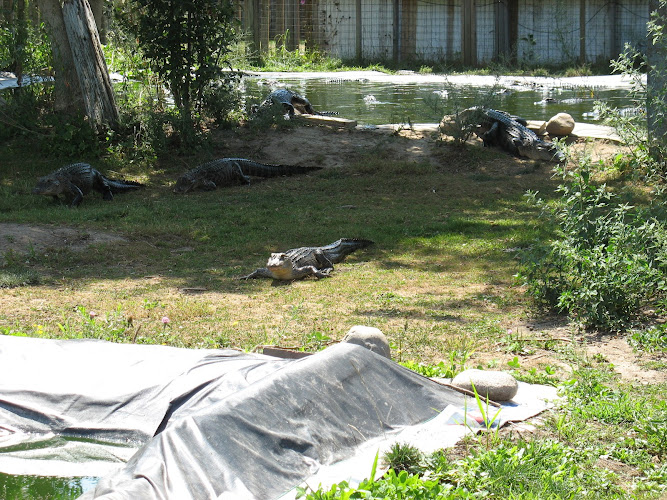
Key Highlights
- Rescued alligators and crocodiles from various backgrounds, each with their own rehabilitation story and unique personality
- Educational presentations led by knowledgeable staff who share fascinating insights into reptile behavior and biology
- Feeding demonstrations that showcase the impressive power and hunting techniques of these apex predators in a controlled environment
- Wheelchair accessible facilities including restrooms, ensuring visitors of all mobility levels can enjoy the experience
- Gender-neutral restroom facilities available for guest comfort and inclusivity
- Kid-friendly activities designed to engage younger visitors while teaching them about wildlife conservation
- Veteran-owned operation that brings military values of dedication and service to animal welfare
- Multiple payment options accepted including credit cards, debit cards, and NFC mobile payments for convenience
Location
Places to Stay Near Alligator Sanctuary
Find and Book a Tour
Explore More Travel Guides
No reviews found! Be the first to review!
Traveler Reviews for Alligator Sanctuary
There are no reviews yet. Be the first one to write one.
Have you visited Alligator Sanctuary? Help other travelers by sharing your review.
Find Accommodations Nearby
Recommended Tours & Activities
Visitor Reviews
There are no reviews yet. Be the first one to write one.
Share Your Experience
Have you visited Alligator Sanctuary? Help other travelers by leaving a review.
