
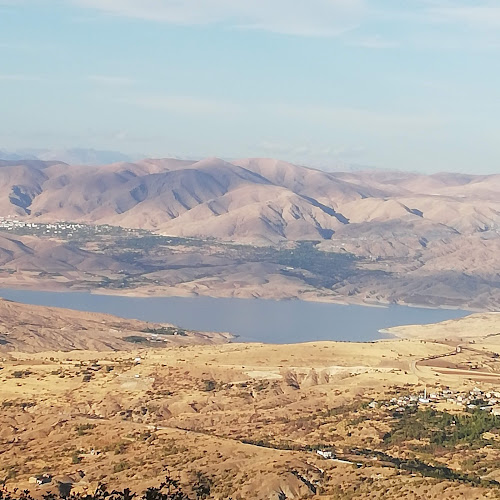
Buzluk Mağarası
About Buzluk Mağarası
Description
Buzluk Mağarası stands as one of Turkey's more intriguing natural formations, though it's definitely not without its controversies among visitors. This cave system has attracted tourists and history enthusiasts for years, drawing people who want to experience something genuinely different from the typical Mediterranean beach vacation. The name itself translates roughly to "Ice Cave," which gives you a pretty good hint about what makes this place special - though I'll be honest, the reality is a bit more complex than the romantic name suggests. What makes this cave particularly interesting is its historical significance combined with its natural cooling properties. Throughout centuries, local communities used these underground chambers as natural refrigeration, storing everything from food to ice during the scorching Turkish summers. And that's actually pretty remarkable when you think about it - people figured out climate control without electricity, just by understanding their landscape. The cave extends into the mountainside with various chambers and passages that have formed over thousands of years through natural erosion processes. Walking through these corridors, you'll notice the temperature drops significantly compared to the outside world, which is either a blessed relief or slightly uncomfortable depending on how you've dressed for the day. The geological formations inside showcase layers of limestone that tell stories spanning millennia, though you'll need a bit of imagination and maybe some background reading to really appreciate what you're looking at. But let's be real here - this isn't going to compete with some of Turkey's more famous caves like Damlataş or the underground cities of Cappadocia in terms of infrastructure or immediate wow factor. The reviews are genuinely mixed, and there are legitimate reasons for that. Some visitors find it absolutely fascinating, while others feel underwhelmed, particularly if they've come expecting a fully developed tourist attraction with all the bells and whistles.Key Features
- Natural cooling system that maintains lower temperatures year-round, providing a stark contrast to Turkey's summer heat
- Historical significance as a traditional storage facility used by local communities for preserving perishable goods
- Limestone formations displaying geological processes that have occurred over thousands of years
- Multiple chambers and passages that create an explorable underground network
- Authentic, less-commercialized experience compared to more touristy cave attractions
- Cultural connection to traditional Turkish mountain life and survival techniques
- Photography opportunities for those interested in geological formations and underground landscapes
- Relatively quiet atmosphere, especially during off-peak visiting times
Best Time to Visit
Here's where things get interesting, because unlike most tourist attractions where you'd typically avoid peak summer, Buzluk Mağarası actually becomes more appealing during the hottest months. The natural cooling effect inside the cave makes it a genuine refuge when outside temperatures are pushing 35-40 degrees Celsius. During July and August, stepping into that cool darkness feels like nature's air conditioning, and you'll understand exactly why ancient people valued this place so highly. That said, spring months - particularly April and May - offer probably the best overall experience. The weather outside is pleasant enough that the temperature transition isn't quite so shocking, and you won't be dealing with the summer crowds. The surrounding landscape is also greener and more photogenic during these months, which matters if you're planning to make a day of exploring the area. Autumn, specifically September and October, runs a close second. You still get relatively warm days that make the cave's coolness welcome, but tourist numbers have typically dropped off. I've heard from several travelers who visited in early autumn and had nearly the entire place to themselves, which definitely enhances the experience when you're trying to imagine how historical communities used this space. Winter visits are possible but honestly not ideal. The cave stays cool year-round, which means in winter it becomes genuinely cold inside - uncomfortably so for many people. And the surrounding area can be muddy or difficult to navigate depending on rainfall. Unless you're specifically researching the cave's temperature variations or you're a dedicated spelunker, save this one for warmer months. Regarding time of day, mornings are generally better. You'll beat most tour groups if any are scheduled, and the natural light at the entrance creates better visibility for the initial chambers. Plus, if you're visiting in summer, starting early means you're not already exhausted from the heat before you even arrive.How to Get There
Getting to Buzluk Mağarası requires some planning, and this is honestly where some visitor disappointment stems from - it's not the easiest place to reach, and that catches some people off guard. The cave isn't located in a major city center with convenient public transportation dropping you at the entrance. You'll need to factor in travel time and logistics. If you're driving, which is really the most practical option, you'll want to use GPS coordinates or a reliable offline map because signage can be inconsistent. The roads leading to the cave are generally passable but not always in perfect condition. A standard car can usually make it, but if you're visiting after heavy rain, be prepared for potentially rough conditions. Some visitors recommend vehicles with higher clearance, though that might be overly cautious depending on the season. For those relying on public transportation, you're looking at a more complicated journey. You'll likely need to reach the nearest town or village by bus, then arrange for a taxi or local transport to take you the remaining distance. This isn't impossible, but it requires flexibility and potentially some basic Turkish language skills or a translation app. The local drivers generally know the location, though you might encounter some confusion if you only use the English name. Many travelers opt for organized tours from nearby cities, which solves the transportation puzzle entirely. These tours typically bundle Buzluk Mağarası with other regional attractions, which can be efficient if you're trying to see multiple sites. The downside is less flexibility in how long you spend at the cave and when you visit. Parking exists near the entrance, though calling it an official parking lot might be generous - it's more of a cleared area where vehicles gather. This brings me to an important point about accessibility: this site is not wheelchair accessible. The entrance requires navigating uneven terrain, and inside the cave you're dealing with natural rock formations, steps, and narrow passages. If mobility is a concern for anyone in your group, this needs serious consideration before making the trip.Tips for Visiting
Dress in layers, and I really can't stress this enough. The temperature difference between outside and inside the cave can be 15-20 degrees Celsius or more during summer. You might arrive sweating in shorts and a t-shirt, then find yourself genuinely chilly inside. Bring a light jacket or long-sleeve shirt that you can easily carry. Your future self will thank you. Footwear matters here. This isn't the place for flip-flops or fashion sandals. The cave floor is uneven, potentially damp, and sometimes slippery. Closed-toe shoes with good grip are essential for safety and comfort. I know it seems obvious, but based on various visitor accounts, people regularly show up inappropriately shod and then struggle or cut their visits short. Bring a flashlight or headlamp, even if you think there's lighting inside. Natural caves don't always have comprehensive artificial lighting, and what exists might not be particularly bright or reliable. Having your own light source lets you explore more thoroughly and safely. Your phone's flashlight can work in a pinch, but a dedicated torch is better. Set realistic expectations before you arrive. This isn't a highly developed commercial cave with guided tours, gift shops, and carefully lit formations. It's a more raw, authentic experience that some people absolutely love and others find disappointing. Read current reviews, look at recent photos, and decide if this matches what you're hoping to experience. There's no shame in deciding it's not for you. Timing your visit for about 45 minutes to an hour is usually sufficient for most people to explore the accessible areas without rushing. Some enthusiasts spend longer, but if you're on a tight schedule, this gives you enough time to experience the main features. Bring water and snacks, but - and this is important - take all your trash with you. There aren't facilities for waste disposal, and the last thing this natural and historical site needs is more litter. Be that respectful traveler who leaves no trace. If you're particularly interested in the historical or geological aspects, do some research beforehand. There isn't always comprehensive information available at the site itself, so arriving with background knowledge enhances your appreciation of what you're seeing. Understanding how communities used this space historically transforms it from just a cool cave into a window into traditional Turkish life. Photography is generally allowed, but the lighting conditions inside are challenging. If you're serious about capturing good images, bring a camera that handles low light well, and consider a small tripod for longer exposures. Most phone cameras will struggle unless you're near the entrance where natural light penetrates. Finally, check current conditions before making the trip, especially if you're visiting during or after winter. Local tourism offices or recent online reviews can tell you if there have been any closures or accessibility issues. Nothing's worse than driving all that way only to find the site temporarily inaccessible.Key Features
- Natural ice formations that can persist into summer
- Located on Buzluk Tepe overlooking Harput plateau
- Accessible short visit near Harput and Elazığ city center
- Geologically interesting cave with local climate-driven phenomena
- Photogenic contrast between cave interior and sunlit plateau
More Details
Updated January 5, 2026
Table of Contents
Description
Buzluk Mağarası stands as one of Turkey’s more intriguing natural formations, though it’s definitely not without its controversies among visitors. This cave system has attracted tourists and history enthusiasts for years, drawing people who want to experience something genuinely different from the typical Mediterranean beach vacation. The name itself translates roughly to “Ice Cave,” which gives you a pretty good hint about what makes this place special – though I’ll be honest, the reality is a bit more complex than the romantic name suggests.
What makes this cave particularly interesting is its historical significance combined with its natural cooling properties. Throughout centuries, local communities used these underground chambers as natural refrigeration, storing everything from food to ice during the scorching Turkish summers. And that’s actually pretty remarkable when you think about it – people figured out climate control without electricity, just by understanding their landscape.
The cave extends into the mountainside with various chambers and passages that have formed over thousands of years through natural erosion processes. Walking through these corridors, you’ll notice the temperature drops significantly compared to the outside world, which is either a blessed relief or slightly uncomfortable depending on how you’ve dressed for the day. The geological formations inside showcase layers of limestone that tell stories spanning millennia, though you’ll need a bit of imagination and maybe some background reading to really appreciate what you’re looking at.
But let’s be real here – this isn’t going to compete with some of Turkey’s more famous caves like Damlataş or the underground cities of Cappadocia in terms of infrastructure or immediate wow factor. The reviews are genuinely mixed, and there are legitimate reasons for that. Some visitors find it absolutely fascinating, while others feel underwhelmed, particularly if they’ve come expecting a fully developed tourist attraction with all the bells and whistles.
Key Features
- Natural cooling system that maintains lower temperatures year-round, providing a stark contrast to Turkey’s summer heat
- Historical significance as a traditional storage facility used by local communities for preserving perishable goods
- Limestone formations displaying geological processes that have occurred over thousands of years
- Multiple chambers and passages that create an explorable underground network
- Authentic, less-commercialized experience compared to more touristy cave attractions
- Cultural connection to traditional Turkish mountain life and survival techniques
- Photography opportunities for those interested in geological formations and underground landscapes
- Relatively quiet atmosphere, especially during off-peak visiting times
Best Time to Visit
Here’s where things get interesting, because unlike most tourist attractions where you’d typically avoid peak summer, Buzluk Mağarası actually becomes more appealing during the hottest months. The natural cooling effect inside the cave makes it a genuine refuge when outside temperatures are pushing 35-40 degrees Celsius. During July and August, stepping into that cool darkness feels like nature’s air conditioning, and you’ll understand exactly why ancient people valued this place so highly.
That said, spring months – particularly April and May – offer probably the best overall experience. The weather outside is pleasant enough that the temperature transition isn’t quite so shocking, and you won’t be dealing with the summer crowds. The surrounding landscape is also greener and more photogenic during these months, which matters if you’re planning to make a day of exploring the area.
Autumn, specifically September and October, runs a close second. You still get relatively warm days that make the cave’s coolness welcome, but tourist numbers have typically dropped off. I’ve heard from several travelers who visited in early autumn and had nearly the entire place to themselves, which definitely enhances the experience when you’re trying to imagine how historical communities used this space.
Winter visits are possible but honestly not ideal. The cave stays cool year-round, which means in winter it becomes genuinely cold inside – uncomfortably so for many people. And the surrounding area can be muddy or difficult to navigate depending on rainfall. Unless you’re specifically researching the cave’s temperature variations or you’re a dedicated spelunker, save this one for warmer months.
Regarding time of day, mornings are generally better. You’ll beat most tour groups if any are scheduled, and the natural light at the entrance creates better visibility for the initial chambers. Plus, if you’re visiting in summer, starting early means you’re not already exhausted from the heat before you even arrive.
How to Get There
Getting to Buzluk Mağarası requires some planning, and this is honestly where some visitor disappointment stems from – it’s not the easiest place to reach, and that catches some people off guard. The cave isn’t located in a major city center with convenient public transportation dropping you at the entrance. You’ll need to factor in travel time and logistics.
If you’re driving, which is really the most practical option, you’ll want to use GPS coordinates or a reliable offline map because signage can be inconsistent. The roads leading to the cave are generally passable but not always in perfect condition. A standard car can usually make it, but if you’re visiting after heavy rain, be prepared for potentially rough conditions. Some visitors recommend vehicles with higher clearance, though that might be overly cautious depending on the season.
For those relying on public transportation, you’re looking at a more complicated journey. You’ll likely need to reach the nearest town or village by bus, then arrange for a taxi or local transport to take you the remaining distance. This isn’t impossible, but it requires flexibility and potentially some basic Turkish language skills or a translation app. The local drivers generally know the location, though you might encounter some confusion if you only use the English name.
Many travelers opt for organized tours from nearby cities, which solves the transportation puzzle entirely. These tours typically bundle Buzluk Mağarası with other regional attractions, which can be efficient if you’re trying to see multiple sites. The downside is less flexibility in how long you spend at the cave and when you visit.
Parking exists near the entrance, though calling it an official parking lot might be generous – it’s more of a cleared area where vehicles gather. This brings me to an important point about accessibility: this site is not wheelchair accessible. The entrance requires navigating uneven terrain, and inside the cave you’re dealing with natural rock formations, steps, and narrow passages. If mobility is a concern for anyone in your group, this needs serious consideration before making the trip.
Tips for Visiting
Dress in layers, and I really can’t stress this enough. The temperature difference between outside and inside the cave can be 15-20 degrees Celsius or more during summer. You might arrive sweating in shorts and a t-shirt, then find yourself genuinely chilly inside. Bring a light jacket or long-sleeve shirt that you can easily carry. Your future self will thank you.
Footwear matters here. This isn’t the place for flip-flops or fashion sandals. The cave floor is uneven, potentially damp, and sometimes slippery. Closed-toe shoes with good grip are essential for safety and comfort. I know it seems obvious, but based on various visitor accounts, people regularly show up inappropriately shod and then struggle or cut their visits short.
Bring a flashlight or headlamp, even if you think there’s lighting inside. Natural caves don’t always have comprehensive artificial lighting, and what exists might not be particularly bright or reliable. Having your own light source lets you explore more thoroughly and safely. Your phone’s flashlight can work in a pinch, but a dedicated torch is better.
Set realistic expectations before you arrive. This isn’t a highly developed commercial cave with guided tours, gift shops, and carefully lit formations. It’s a more raw, authentic experience that some people absolutely love and others find disappointing. Read current reviews, look at recent photos, and decide if this matches what you’re hoping to experience. There’s no shame in deciding it’s not for you.
Timing your visit for about 45 minutes to an hour is usually sufficient for most people to explore the accessible areas without rushing. Some enthusiasts spend longer, but if you’re on a tight schedule, this gives you enough time to experience the main features.
Bring water and snacks, but – and this is important – take all your trash with you. There aren’t facilities for waste disposal, and the last thing this natural and historical site needs is more litter. Be that respectful traveler who leaves no trace.
If you’re particularly interested in the historical or geological aspects, do some research beforehand. There isn’t always comprehensive information available at the site itself, so arriving with background knowledge enhances your appreciation of what you’re seeing. Understanding how communities used this space historically transforms it from just a cool cave into a window into traditional Turkish life.
Photography is generally allowed, but the lighting conditions inside are challenging. If you’re serious about capturing good images, bring a camera that handles low light well, and consider a small tripod for longer exposures. Most phone cameras will struggle unless you’re near the entrance where natural light penetrates.
Finally, check current conditions before making the trip, especially if you’re visiting during or after winter. Local tourism offices or recent online reviews can tell you if there have been any closures or accessibility issues. Nothing’s worse than driving all that way only to find the site temporarily inaccessible.
Key Highlights
- Natural ice formations that can persist into summer
- Located on Buzluk Tepe overlooking Harput plateau
- Accessible short visit near Harput and Elazığ city center
- Geologically interesting cave with local climate-driven phenomena
- Photogenic contrast between cave interior and sunlit plateau
Location
Places to Stay Near Buzluk Mağarası
Find and Book a Tour
Explore More Travel Guides
No reviews found! Be the first to review!
Traveler Reviews for Buzluk Mağarası
There are no reviews yet. Be the first one to write one.
Have you visited Buzluk Mağarası? Help other travelers by sharing your review.
Nearby Attractions
You Might Also Like
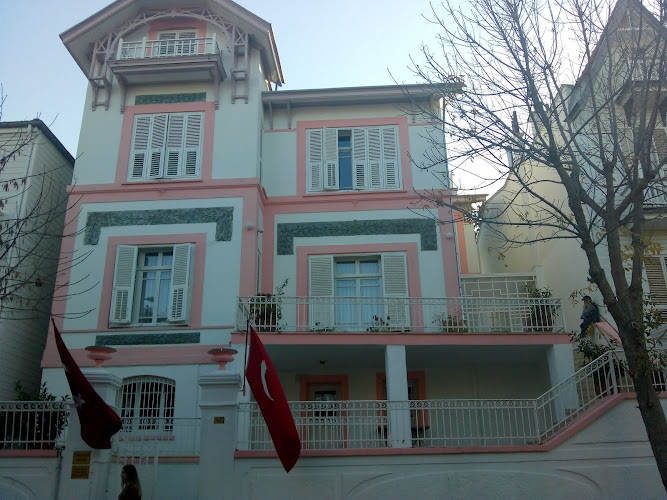
Inonu House Museum

Hasbahçe Picnic Area
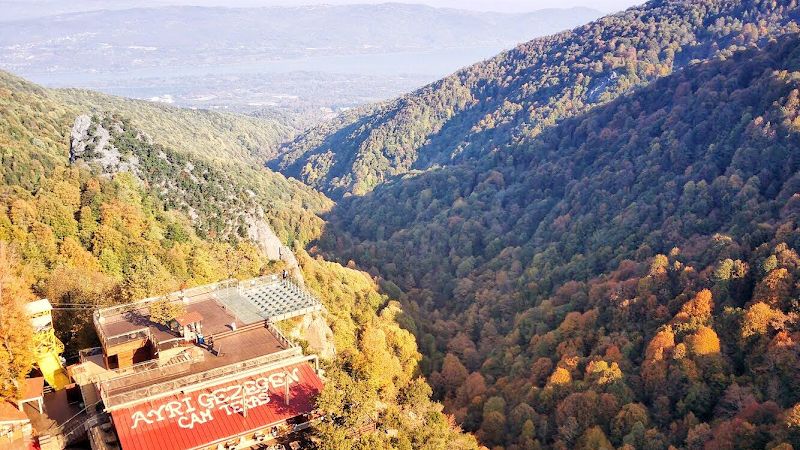
Ayri Gezegen Glass Terrace
Find Accommodations Nearby
Recommended Tours & Activities
Visitor Reviews
There are no reviews yet. Be the first one to write one.
Share Your Experience
Have you visited Buzluk Mağarası? Help other travelers by leaving a review.