Description
The Bola del Agua stands as one of those wonderfully quirky landmarks that makes you stop and think about how cities evolve over time. This early-20th-century hydraulic tower was once a critical piece of urban infrastructure, but today it’s become something much more interesting—a gathering spot where history meets street food culture in the most unexpected way.
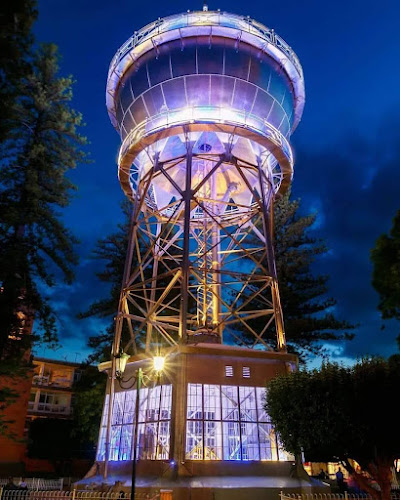
What really catches your eye first is that massive steel sphere perched atop the tower. And honestly, it’s hard to miss. The thing is absolutely striking against the skyline, this perfect geometric shape that seems almost futuristic even though it’s been standing there for over a century. Engineers back in the day built this hydraulic system to help regulate water pressure for the growing city, and that sphere—that iconic ball—was the pressure tank that made the whole system work.
But here’s where it gets good. Like many old industrial structures that outlive their original purpose, the Bola del Agua didn’t just fade into obscurity. Instead, it transformed into something locals and visitors actually seek out. The area around the base has become famous for street food vendors, particularly those serving buñuelos—those crispy, golden fried dough treats that are basically impossible to resist. I’ve always found it fascinating how food culture claims spaces like this, turning forgotten infrastructure into community hubs.
The tower itself represents a specific moment in engineering history when cities were figuring out how to provide basic services to rapidly expanding populations. Looking at it now, you can appreciate both the ingenuity of that era and how dramatically our urban landscapes have shifted. It’s not often you get to stand next to something that was genuinely cutting-edge technology in its time and is now primarily known for the amazing smells wafting from food stalls below.
Key Features
Visitors to the Bola del Agua will discover several distinctive elements that make this attraction worth adding to any itinerary:
- The massive steel sphere crowning the hydraulic tower creates one of the most photographable silhouettes you’ll find—seriously, your Instagram will thank you
- Authentic buñuelos vendors cluster around the base, offering fresh-made treats that locals have been enjoying for generations
- The early-20th-century architecture provides a tangible connection to the city’s industrial heritage and urban development story
- Wheelchair accessible entrance and parking make this attraction genuinely available to all visitors regardless of mobility needs
- Restroom facilities on-site mean you can actually spend time here comfortably without having to rush off
- The kid-friendly atmosphere makes it suitable for families traveling with children who might get bored at more formal attractions
- Street food culture on full display with multiple vendors creating a casual, social environment where you can interact with locals
- The industrial-meets-culinary vibe offers something different from typical tourist attractions—it feels authentic rather than manufactured for visitors
- Evening lighting transforms the sphere into an illuminated landmark visible from surrounding neighborhoods
- The compact footprint means you can experience everything here in a reasonable timeframe without dedicating an entire day
Best Time to Visit
Timing your visit to the Bola del Agua can really make a difference in your experience, and I’ve got some thoughts based on how these sorts of places tend to flow throughout the day and year.
Late afternoon to early evening tends to be the sweet spot. That’s when the food vendors are in full operation, locals start gathering after work, and the energy around the place really picks up. The lighting changes too—watching the sphere as the sun sets and artificial lights begin to illuminate it gives you two completely different experiences in one visit. Plus, buñuelos somehow taste even better when there’s that golden hour glow happening.
Weekends naturally bring bigger crowds, which can be either a pro or a con depending on what you’re after. If you want to feel the full energy of the place and don’t mind navigating through people, Saturday afternoon is when the Bola del Agua is most alive. But if crowds make you anxious or you prefer a more contemplative visit where you can actually photograph the structure without strangers photobombing your shots, weekday mornings offer a quieter alternative.
Weather matters more than you might expect since this is primarily an outdoor experience. The dry season generally provides more comfortable conditions for standing around eating street food and taking photos. Rain doesn’t exactly enhance the experience of munching on fried dough while trying to appreciate industrial architecture. And trust me, those metal structures look way more impressive under clear skies.
Avoid visiting during extreme heat hours—usually between noon and 3 PM—when standing around with minimal shade becomes genuinely uncomfortable. The food vendors might even scale back during these hours because honestly, who wants to stand over hot oil when it’s already blazing outside?
If you’re visiting during local festivals or holidays, the area around the Bola del Agua often becomes part of larger celebrations. This can be fantastic if you want maximum cultural immersion, though it also means navigating significantly larger crowds and potentially paying slightly higher prices at the food stalls.
How to Get There
Getting to the Bola del Agua is generally straightforward, though like most urban attractions, knowing your options helps you avoid unnecessary complications.
Public transportation usually offers the most practical route for visitors. The local bus system typically has routes that pass within easy walking distance of the tower. Ask at your hotel or check with locals about which bus numbers serve the area—locals are usually happy to help tourists navigate the system, and this kind of interaction often leads to unexpected recommendations.
Taxis and ride-sharing services can drop you directly at the site, which is particularly convenient if you’re traveling with family or have mobility considerations. The wheelchair accessible parking means there’s designated space if you’re driving yourself or arranging private transportation. Just be aware that street parking in the immediate area can get tight during peak times.
Walking to the Bola del Agua works well if you’re staying in nearby neighborhoods. It’s the kind of landmark that’s visible from a distance, which makes navigation easier—you can literally just head toward the giant sphere. This approach lets you see more of the surrounding area and stumble upon other interesting spots along the way.
If you’re coming from the main tourist district, the journey typically takes between 15 to 30 minutes depending on your starting point and transportation method. It’s not so far that it feels like a major expedition, but it’s removed enough from the typical tourist circuit that you get a more authentic sense of the city.
The surrounding streets are generally well-maintained and clearly marked, though having a maps application on your phone provides helpful backup navigation. And here’s a tip—save the location while you still have wifi at your accommodation because mobile data can be spotty depending on your provider.
Tips for Visiting
After thinking through what actually makes a visit to the Bola del Agua successful versus just checking it off a list, here are some practical insights that’ll help you get the most from your time there.
Bring cash, and I mean this seriously. The buñuelos vendors and other street food sellers overwhelmingly operate on a cash-only basis. There’s nothing worse than standing there salivating over fresh fried dough only to realize you’ve only got cards. Small bills make transactions smoother too—vendors appreciate not having to break large denominations.
Don’t just photograph the sphere and leave. Actually buy some food and spend time observing the social dynamics around the place. The Bola del Agua isn’t really about the tower itself—it’s about how that structure has become a gathering point. Watching locals interact, seeing families treating their kids to snacks, observing the vendors’ routines—that’s where the real experience lives.
Comfortable shoes matter because you’ll be standing on pavement, and the area invites wandering around to check out different vendor stalls. Those cute sandals might look great in photos but your feet will hate you after 45 minutes on concrete.
The restroom facilities are there, but like many public restrooms, keeping your expectations realistic helps. Bring tissues or hand sanitizer just in case supplies run low during busy periods. This is just practical travel advice that applies to most attractions honestly.
If you’re traveling with kids, the atmosphere here tends to be more relaxed than formal museums or monuments. Children can move around more freely, and the food element gives them something tangible to enjoy beyond just looking at stuff. But keep an eye on them near the street where traffic passes.
Try to learn at least a few basic Spanish phrases if you don’t speak the language. The vendors around the Bola del Agua might not have extensive English, and making the effort to communicate in Spanish—even badly—creates better interactions. Plus, you might get recommendations for the best items to try.
Visit during different times if your schedule allows. Morning offers one perspective, late afternoon another. The place genuinely transforms based on the time of day, and seeing those variations gives you a fuller understanding of how this landmark fits into daily life.
Don’t over-plan this visit. Give yourself permission to just hang out for a while without a strict timeline. Some of the best travel experiences happen when you’re not rushing to the next scheduled item. Buy some buñuelos, find a spot to stand, watch the sphere, people-watch, soak it in.
And finally—and maybe this is just my opinion—appreciate what this place represents. The Bola del Agua could have been demolished decades ago as obsolete infrastructure. Instead, it’s been preserved and repurposed through organic community use rather than forced gentrification. That’s actually pretty special in a world where so much urban heritage gets erased in the name of progress.