

Bich Dong Pagoda
About Bich Dong Pagoda
Description
Bich Dong Pagoda is the kind of place that sneaks up on you. One minute you’re drifting along calm water in a small boat, reeds brushing the sides, and the next you’re looking up at an old pagoda clinging to a limestone mountain like it’s been there forever. Which, honestly, it kind of has. This Buddhist pagoda complex is built into the rock itself, spread across three natural caves, and connected by stone steps that will definitely make your calves complain a bit. But that’s part of the charm.
The name Bich Dong loosely translates to Green Pearl Grotto, and that poetic feel matches the experience. The lower pagoda sits close to the water, welcoming, easy to reach, almost gentle. But as you move upward, the atmosphere shifts. The middle and upper pagodas feel quieter, cooler, more introspective. I remember visiting on a slightly overcast afternoon, thinking it might be dull without blue skies. Turns out, the mist made everything feel ancient and secret, like I’d wandered into someone else’s memory.
This is a religious destination first, tourist attraction second. You’ll see locals burning incense, whispering prayers, and touching the stone walls with a kind of familiarity that visitors don’t have. And yet, travelers are very much welcome. The pagoda doesn’t feel closed off or precious. It feels lived in. There are restrooms on site, basic but functional, and vendors nearby selling water and simple snacks. Just don’t expect polished, theme-park style management. This place has edges, worn steps, uneven paths. Personally, I like that. It feels honest.
Not everyone leaves blown away, and that’s fair. If you’re expecting grand halls or glittering gold everywhere, you might feel underwhelmed. But if you like places where nature and belief tangle together, where caves drip water and statues are darkened by time, Bich Dong Pagoda hits differently. It’s quiet without being boring. Sacred without being stiff. And yeah, it makes you slow down, whether you planned to or not.
Key Features
- Three-tiered pagoda system built directly into a limestone mountain, connected by stone stairways
- Access via scenic boat ride through calm waterways and rice fields, which already feels like part of the attraction
- Three natural caves that house altars, statues, and cool, shadowy spaces perfect for escaping the heat
- Active Buddhist pilgrimage site with incense offerings and local worshippers throughout the day
- Combination of natural scenery and religious architecture, not overly restored or artificial
- Onsite amenities including restrooms and basic services for visitors
- Photogenic views from higher levels, especially looking down over water and farmland
Best Time to Visit
The best time to visit Bich Dong Pagoda is during the cooler months, roughly from late autumn to early spring. The heat can be pretty unforgiving in summer, and those stone steps don’t offer much shade once you start climbing. I learned that the sweaty way, and trust me, it’s not ideal when you’re trying to be respectful in a sacred place.
Mornings are gold here. Early morning light softens the mountain, and there’s a gentle calm before larger tour groups roll in. If you go early, you’ll hear birds, the splash of oars, and the low murmur of prayers. Late afternoon can also be lovely, especially if you like warmer light and don’t mind a few more people around.
Rainy season adds drama. The caves feel cooler, water trickles down the rock, and everything turns intensely green. But paths can be slippery, so decent shoes become non-negotiable. Festivals and religious holidays bring more locals, more incense, and a buzz that’s interesting to witness, though it does get crowded. If solitude is your thing, avoid those peak days.
How to Get There
Getting to Bich Dong Pagoda is part of the experience, not just a means to an end. Most travelers arrive by boat for the final stretch, gliding through waterways bordered by rice fields and karst formations. It’s slow, peaceful, and honestly one of my favorite parts. If you’re the impatient type, this might test you. But if you can let go of the clock for an hour, you’ll be glad you did.
Before the boat ride, you’ll usually travel by car, motorbike, or organized tour from nearby towns. Roads are generally decent, though some sections feel narrow and rural. I’ve done it on a motorbike once, and while it was fun, I wouldn’t recommend it unless you’re confident. Local drivers know the roads and rhythms better.
Once you arrive at the dock, boats are readily available. The ride itself isn’t long, but it sets the mood. After docking, a short walk brings you to the base of the pagoda complex, where the real exploration begins. From there, it’s all stairs, caves, and quiet moments.
Tips for Visiting
First things first: dress respectfully. This is an active religious site, and while nobody’s going to scold you harshly, covering shoulders and knees shows basic courtesy. And honestly, it just feels right in a place like this.
Wear proper shoes. I know, it sounds boring advice, but those stone steps can be uneven and slick, especially inside the caves. I once saw someone try to climb in flimsy sandals and regret it halfway up. Save yourself the trouble.
Bring small bills if you plan to make offerings or buy water. Vendors don’t always have change, and there’s something nice about participating in local customs, even in a small way.
Don’t rush. This isn’t a check-the-box attraction. Sit for a moment inside a cave. Watch how locals move through the space. Listen. And yeah, take photos, but maybe not every second. Some of my strongest memories of Bich Dong Pagoda are the ones I didn’t capture on camera.
Be mindful of accessibility limitations. The site isn’t wheelchair accessible, and the stairs can be challenging for visitors with mobility issues. If that’s a concern, it’s still possible to enjoy the lower areas without climbing everything.
Finally, manage expectations. This place isn’t flashy. It’s worn, quiet, sometimes a little confusing. But if you meet it on its own terms, Bich Dong Pagoda offers something rare: a chance to slow down and feel part of a landscape shaped by belief, water, and time. And that, at least to me, is worth the trip.
Key Features
- Three-tiered pagoda system built directly into a limestone mountain, connected by stone stairways
- Access via scenic boat ride through calm waterways and rice fields, which already feels like part of the attraction
- Three natural caves that house altars, statues, and cool, shadowy spaces perfect for escaping the heat
- Active Buddhist pilgrimage site with incense offerings and local worshippers throughout the day
- Combination of natural scenery and religious architecture, not overly restored or artificial
- Onsite amenities including restrooms and basic services for visitors
- Photogenic views from higher levels, especially looking down over water and farmland
More Details
Updated December 31, 2025
Table of Contents
Description
Bich Dong Pagoda is the kind of place that sneaks up on you. One minute you’re drifting along calm water in a small boat, reeds brushing the sides, and the next you’re looking up at an old pagoda clinging to a limestone mountain like it’s been there forever. Which, honestly, it kind of has. This Buddhist pagoda complex is built into the rock itself, spread across three natural caves, and connected by stone steps that will definitely make your calves complain a bit. But that’s part of the charm.
The name Bich Dong loosely translates to Green Pearl Grotto, and that poetic feel matches the experience. The lower pagoda sits close to the water, welcoming, easy to reach, almost gentle. But as you move upward, the atmosphere shifts. The middle and upper pagodas feel quieter, cooler, more introspective. I remember visiting on a slightly overcast afternoon, thinking it might be dull without blue skies. Turns out, the mist made everything feel ancient and secret, like I’d wandered into someone else’s memory.
This is a religious destination first, tourist attraction second. You’ll see locals burning incense, whispering prayers, and touching the stone walls with a kind of familiarity that visitors don’t have. And yet, travelers are very much welcome. The pagoda doesn’t feel closed off or precious. It feels lived in. There are restrooms on site, basic but functional, and vendors nearby selling water and simple snacks. Just don’t expect polished, theme-park style management. This place has edges, worn steps, uneven paths. Personally, I like that. It feels honest.
Not everyone leaves blown away, and that’s fair. If you’re expecting grand halls or glittering gold everywhere, you might feel underwhelmed. But if you like places where nature and belief tangle together, where caves drip water and statues are darkened by time, Bich Dong Pagoda hits differently. It’s quiet without being boring. Sacred without being stiff. And yeah, it makes you slow down, whether you planned to or not.
Key Features
- Three-tiered pagoda system built directly into a limestone mountain, connected by stone stairways
- Access via scenic boat ride through calm waterways and rice fields, which already feels like part of the attraction
- Three natural caves that house altars, statues, and cool, shadowy spaces perfect for escaping the heat
- Active Buddhist pilgrimage site with incense offerings and local worshippers throughout the day
- Combination of natural scenery and religious architecture, not overly restored or artificial
- Onsite amenities including restrooms and basic services for visitors
- Photogenic views from higher levels, especially looking down over water and farmland
Best Time to Visit
The best time to visit Bich Dong Pagoda is during the cooler months, roughly from late autumn to early spring. The heat can be pretty unforgiving in summer, and those stone steps don’t offer much shade once you start climbing. I learned that the sweaty way, and trust me, it’s not ideal when you’re trying to be respectful in a sacred place.
Mornings are gold here. Early morning light softens the mountain, and there’s a gentle calm before larger tour groups roll in. If you go early, you’ll hear birds, the splash of oars, and the low murmur of prayers. Late afternoon can also be lovely, especially if you like warmer light and don’t mind a few more people around.
Rainy season adds drama. The caves feel cooler, water trickles down the rock, and everything turns intensely green. But paths can be slippery, so decent shoes become non-negotiable. Festivals and religious holidays bring more locals, more incense, and a buzz that’s interesting to witness, though it does get crowded. If solitude is your thing, avoid those peak days.
How to Get There
Getting to Bich Dong Pagoda is part of the experience, not just a means to an end. Most travelers arrive by boat for the final stretch, gliding through waterways bordered by rice fields and karst formations. It’s slow, peaceful, and honestly one of my favorite parts. If you’re the impatient type, this might test you. But if you can let go of the clock for an hour, you’ll be glad you did.
Before the boat ride, you’ll usually travel by car, motorbike, or organized tour from nearby towns. Roads are generally decent, though some sections feel narrow and rural. I’ve done it on a motorbike once, and while it was fun, I wouldn’t recommend it unless you’re confident. Local drivers know the roads and rhythms better.
Once you arrive at the dock, boats are readily available. The ride itself isn’t long, but it sets the mood. After docking, a short walk brings you to the base of the pagoda complex, where the real exploration begins. From there, it’s all stairs, caves, and quiet moments.
Tips for Visiting
First things first: dress respectfully. This is an active religious site, and while nobody’s going to scold you harshly, covering shoulders and knees shows basic courtesy. And honestly, it just feels right in a place like this.
Wear proper shoes. I know, it sounds boring advice, but those stone steps can be uneven and slick, especially inside the caves. I once saw someone try to climb in flimsy sandals and regret it halfway up. Save yourself the trouble.
Bring small bills if you plan to make offerings or buy water. Vendors don’t always have change, and there’s something nice about participating in local customs, even in a small way.
Don’t rush. This isn’t a check-the-box attraction. Sit for a moment inside a cave. Watch how locals move through the space. Listen. And yeah, take photos, but maybe not every second. Some of my strongest memories of Bich Dong Pagoda are the ones I didn’t capture on camera.
Be mindful of accessibility limitations. The site isn’t wheelchair accessible, and the stairs can be challenging for visitors with mobility issues. If that’s a concern, it’s still possible to enjoy the lower areas without climbing everything.
Finally, manage expectations. This place isn’t flashy. It’s worn, quiet, sometimes a little confusing. But if you meet it on its own terms, Bich Dong Pagoda offers something rare: a chance to slow down and feel part of a landscape shaped by belief, water, and time. And that, at least to me, is worth the trip.
Key Highlights
- Three-tiered pagoda system built directly into a limestone mountain, connected by stone stairways
- Access via scenic boat ride through calm waterways and rice fields, which already feels like part of the attraction
- Three natural caves that house altars, statues, and cool, shadowy spaces perfect for escaping the heat
- Active Buddhist pilgrimage site with incense offerings and local worshippers throughout the day
- Combination of natural scenery and religious architecture, not overly restored or artificial
- Onsite amenities including restrooms and basic services for visitors
- Photogenic views from higher levels, especially looking down over water and farmland
Location
Places to Stay Near Bich Dong Pagoda
Find and Book a Tour
Explore More Travel Guides
No reviews found! Be the first to review!
Traveler Reviews for Bich Dong Pagoda
There are no reviews yet. Be the first one to write one.
Have you visited Bich Dong Pagoda? Help other travelers by sharing your review.
You Might Also Like
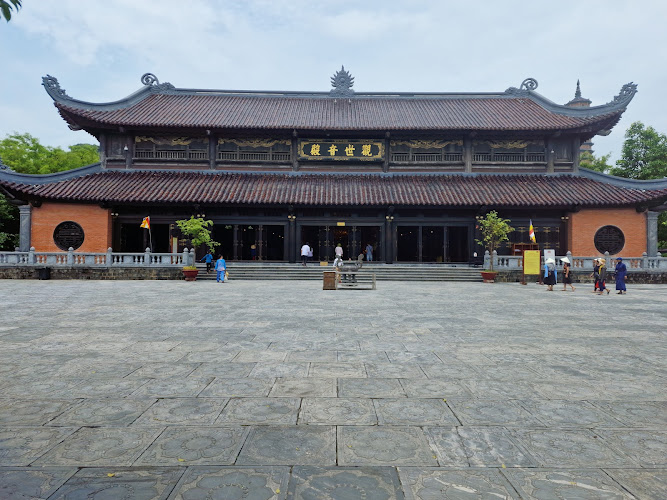
Bái Đính Pagoda
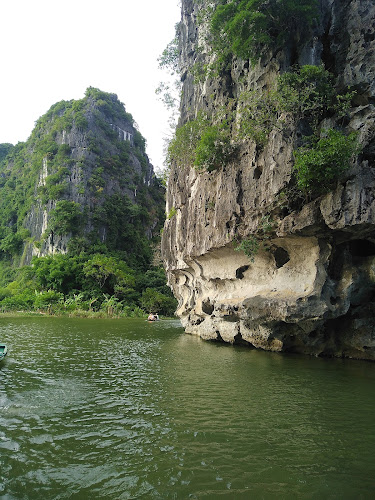
Ninh Bình
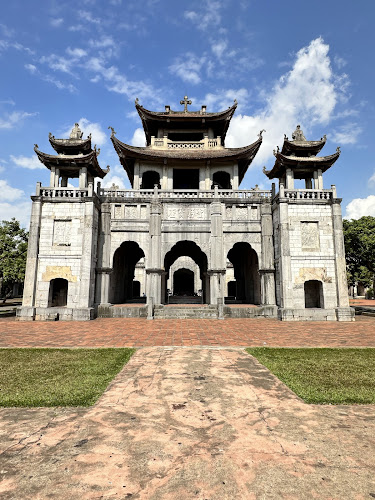
Phát Diệm Cathedral
Find Accommodations Nearby
Recommended Tours & Activities
Visitor Reviews
There are no reviews yet. Be the first one to write one.
Share Your Experience
Have you visited Bich Dong Pagoda? Help other travelers by leaving a review.