Description
Bái Đính Pagoda stands as one of Vietnam’s most impressive religious complexes, and honestly, when you first catch sight of it sprawling across the mountainside, the sheer scale takes your breath away. This isn’t just another temple you’ll tick off your list—it’s a massive pilgrimage site that combines ancient spirituality with modern architectural ambition in ways that might surprise you.
The complex actually consists of an old temple with deep historical roots and a newer pagoda area that was completed relatively recently. And when I say newer, I mean a development that’s transformed this place into what many consider the largest Buddhist complex in Vietnam. The contrast between the original temple tucked into the mountainside and the expansive modern courtyards creates this interesting dialogue between past and present that you don’t find everywhere.
What strikes most visitors is the magnitude of everything here. The Buddha statues aren’t just big—they’re record-breaking. The bronze bell weighs in at dozens of tons. The corridors seem to stretch endlessly. But it’s not just about size for the sake of size. There’s genuine devotion and spiritual significance woven throughout, making it a meaningful destination whether you’re Buddhist yourself or simply someone interested in experiencing authentic religious culture.
The setting itself deserves mention too. Rising from the limestone karst landscape that makes this region of northern Vietnam so distinctive, Bái Đính sits within Trang An Scenic Landscape Complex. The natural beauty surrounding the pagoda adds another dimension to your visit, with those characteristic limestone peaks creating a dramatic backdrop that photographers absolutely love.
Key Features
When you explore Bái Đính Pagoda, you’ll encounter several standout features that make this place genuinely special:
- The Massive Bronze Buddha Statue – Standing at an impressive height and weighing over 100 tons, this gilded statue is one of the largest in Southeast Asia and creates an unforgettable visual centerpiece
- Vietnam’s Largest Bell – The bronze bell here holds records you won’t easily forget, with its deep resonant tones that visitors can hear during ceremonies echoing across the valley
- The 500 Arhat Statues – Walking through corridors lined with hundreds of individually crafted statues, each with unique facial expressions and poses, becomes almost meditative
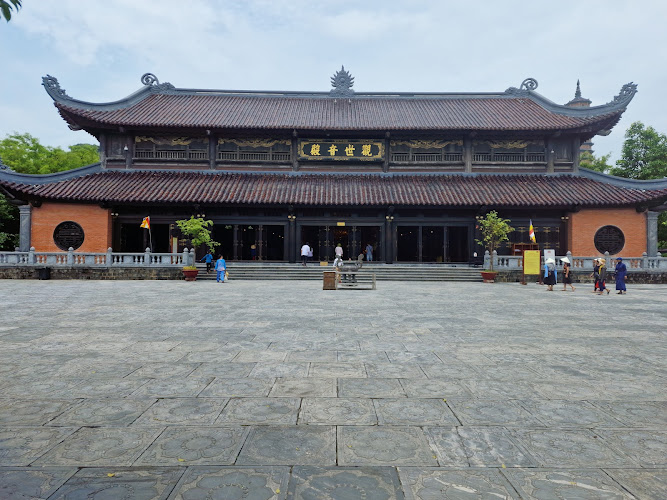
- Three-Tier Roof Architecture – The main hall showcases traditional Vietnamese Buddhist architectural styles with intricate carvings and detailed craftsmanship that reward close examination
- The Original Cave Temple – Dating back centuries, this older section tucked into the mountainside offers a more intimate, historically grounded experience compared to the newer areas
- Panoramic Mountain Views – The elevated position provides sweeping vistas of the surrounding karst landscape and rice paddies that shift with the seasons
- Electric Cart Transportation – Given the complex’s size, onsite electric carts transport visitors between different sections, which honestly saves your legs for actual exploring
- Extensive Courtyard Spaces – Open areas designed for large gatherings during festivals and ceremonies give you room to wander and absorb the atmosphere without feeling crowded
- Stone Staircases and Pathways – Hundreds of steps lead through different levels of the complex, with rest areas strategically placed for those who need breaks
- Religious Artifact Collections – Various halls house Buddhist scriptures, ceremonial objects, and cultural items that provide context for Vietnamese Buddhist practices
Best Time to Visit
Timing your visit to Bái Đính Pagoda can really shape your experience, and there’s no single “perfect” time because different seasons offer different advantages.
The dry season from October through April generally provides the most comfortable weather conditions. November through February brings cooler temperatures that make climbing all those stairs less exhausting, though you’ll want to pack a light jacket for early mornings. I remember visiting during December once, and the crisp air combined with occasional mist rolling through the limestone peaks created an almost mystical atmosphere that felt perfectly suited to a spiritual site.
But here’s the thing—those same months also attract the highest number of visitors. Weekends and Vietnamese public holidays can get genuinely packed, especially during Tet (Lunar New Year) celebrations and Buddhist festivals when pilgrims arrive in huge numbers. If you prefer a quieter, more contemplative experience, weekday mornings during November or February offer a sweet spot between good weather and manageable crowds.
The wet season from May through September shouldn’t be automatically dismissed though. Yes, you’ll face higher humidity and afternoon rain showers, but the landscape becomes incredibly lush, and tourist numbers drop significantly. Just check the forecast and visit during morning hours before typical afternoon storms roll in. The dramatic clouds building over the mountains can actually create stunning photographic conditions if you time it right.
Festival times present their own considerations. The Bái Đính Pagoda Festival runs from the first to the sixth day of the first lunar month, typically falling in late January or February. During this period, the complex absolutely buzzes with activity—traditional performances, ceremonial activities, and thousands of worshippers. It’s culturally rich but definitely not peaceful or uncrowded.
For photography enthusiasts, the golden hour light just after sunrise creates beautiful conditions, with soft light illuminating the pagoda structures and mist often lingering in the valleys below. Getting there early also means you’ll have spaces nearly to yourself before tour groups arrive around mid-morning.
How to Get There
Reaching Bái Đính Pagoda requires some planning since it’s located in Ninh Binh Province, roughly 95 kilometers south of Hanoi. But the journey itself passes through some of northern Vietnam’s most scenic countryside, so the travel time doesn’t feel wasted.
Most travelers base themselves in either Hanoi or the town of Ninh Binh. From Hanoi, you’ve got several options. The most straightforward is joining an organized tour, which typically combines Bái Đính with other nearby attractions like Trang An boat tours or Tam Coc. These tours handle all transportation and usually cost between $25-40 per person, though you’ll be on someone else’s schedule.
If you prefer independence, hiring a private car with driver runs about $60-80 for the day from Hanoi and gives you flexibility with timing and stops. The drive takes approximately two hours depending on traffic, following Highway 1A south through increasingly rural landscapes.
For budget-conscious travelers, trains run regularly from Hanoi’s main railway station to Ninh Binh, with the journey taking around 2-2.5 hours and costing just a few dollars. Once you arrive at Ninh Binh station, you’ll need to arrange onward transportation—either a taxi (about 30-40 minutes to the pagoda) or rent a motorbike if you’re comfortable driving Vietnamese roads.
Speaking of motorbikes, many adventurous visitors rent them in either Hanoi or Ninh Binh town. The route is fairly straightforward, and having your own wheels lets you explore at your own pace. Just be realistic about your riding experience because traffic in Vietnam operates differently than many Western countries.
From Ninh Binh town itself, the pagoda sits about 15 kilometers northwest. Taxis are readily available, or you can hire a car for a half-day to visit multiple sites in the area. Local hotels and guesthouses can usually arrange transportation pretty easily.
There’s a large parking area at the complex entrance with designated lots for cars, buses, and motorbikes. Parking fees are minimal. From the main parking area, you can either walk (it’s quite a distance to the main pagoda buildings) or catch one of those electric carts I mentioned earlier for a small fee. Trust me, unless you’re training for a marathon, the cart makes sense given how spread out everything is.
Tips for Visiting
You’ll have a much better experience at Bái Đính Pagoda if you keep a few practical considerations in mind.
First and foremost, dress appropriately. This is an active religious site, not just a tourist attraction, and modest clothing shows respect. Cover your shoulders and knees at minimum—I’ve seen visitors turned away or required to rent covering garments at the entrance. Lightweight pants or a long skirt work better than shorts anyway given all the stair climbing you’ll do.
Comfortable walking shoes are non-negotiable. You’ll be on your feet for hours, climbing stairs, walking across courtyards, and navigating uneven surfaces. Those cute sandals or brand-new shoes will leave you miserable. And bring socks if you want to enter certain temple buildings where you’ll need to remove shoes.
The complex is huge—genuinely massive in a way that surprises most first-time visitors. Allocate at least 2-3 hours minimum, though you could easily spend half a day here if you’re thorough. Don’t try to squeeze this into a rushed itinerary between other activities.
Purchase tickets at the main entrance, and yes, getting them in advance is recommended during peak seasons, though you can usually buy them on arrival during quieter periods. Keep your ticket as you may need to show it at different areas within the complex.
Bring water, especially during warmer months. There are vendors around, but they’re not everywhere, and you’ll be doing physical activity in potentially hot weather. A small backpack with water, snacks, sunscreen, and a hat makes sense.
The electric carts are worth the small extra cost for most people. The distance from the entrance to the main pagoda buildings is substantial, and you’ll want to save your energy for exploring the actual temples rather than exhausting yourself on the approach.
Photography is generally allowed in outdoor areas, but be respectful. Some interior spaces prohibit photos, and you should never photograph monks or worshippers without permission. The best photos often come from the elevated areas looking back over the complex with mountains in the background.
Hire a guide if you want deeper understanding. While you can certainly wander independently, a knowledgeable guide brings context and stories that transform the experience from seeing impressive buildings into understanding their cultural and religious significance. Many tour packages include guides, or you can hire one at the entrance.
Be mindful of religious observances. If ceremonies are taking place, observe quietly from designated areas. Don’t interrupt prayer or walk in front of people who are worshipping. This sounds obvious, but I’ve witnessed tourists being oblivious.
The original cave temple tucked into the mountain often gets overlooked by visitors focused on the newer, larger buildings. Don’t skip it. This older section offers historical depth and a more intimate spiritual atmosphere that contrasts beautifully with the modern grandeur.
Bathrooms are available throughout the complex and are generally maintained well, with wheelchair accessible options and gender-neutral facilities. Still, it’s worth using them when you encounter them rather than assuming there’ll be one exactly when you need it.
If you’re visiting during festival periods, arrive extra early and prepare for crowds. The atmosphere becomes electric with activity, but finding quiet contemplation becomes challenging. Whether that’s a pro or con depends on what you’re seeking.
Consider combining your visit with other Ninh Binh attractions in the same day. Trang An or Tam Coc boat tours through the limestone caves are nearby and pair wonderfully with Bái Đính, creating a full day that balances cultural depth with natural beauty.
Finally, approach this place with openness. Whether you’re religious or not, Bái Đính Pagoda represents genuine devotion and cultural expression. Treating it as merely a photo opportunity misses the point. Slow down, observe, feel the weight of the bronze bell’s sound, notice the careful details in the arhat statues, and let yourself experience the atmosphere that draws pilgrims here year after year.