
Bapu Museum, vijayawada
About Bapu Museum, vijayawada
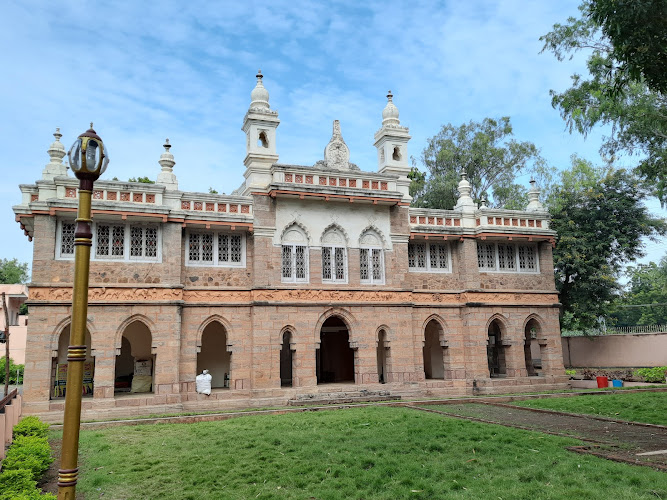
If there’s one place in Vijayawada that quietly tells the story of Andhra Pradesh’s layered past, it’s the Bapu Museum. Once known as the Victoria Jubilee Museum, this grand old structure now stands as a tribute to Bapu — the beloved artist, filmmaker, and illustrator whose work shaped much of modern Telugu culture. The museum sits right in the heart of the city and feels like stepping into a time capsule that has somehow managed to stay alive amid the rush of modern life. It’s not just a museum; it’s a storyteller, whispering tales of dynasties, devotion, and art through stone, bronze, and parchment.
Inside, the museum houses an impressive collection of Buddhist and Hindu artifacts, ancient sculptures, and delicate paintings that date back centuries. You’ll find relics from the Satavahana and Ikshvaku periods, intricate stone carvings, and age-old inscriptions that capture the evolution of regional art forms. There’s something undeniably grounding about seeing a centuries-old Buddha statue up close — the calm expression, the worn texture of the stone, the craftsmanship that still holds up in today’s world of digital art. And then, just when you think you’ve seen it all, you stumble upon a display of traditional weaponry or ancient coins that bring history down to earth.
What I personally love about the Bapu Museum is that it doesn’t try too hard. It’s not flashy, and that’s exactly what makes it special. The lighting is soft, the corridors are quiet, and the air carries a faint musty scent of old paper and stone — the kind of smell that instantly makes you feel like you’re part of something bigger than yourself. Sure, not every display is perfectly curated, and a few sections could use better signage, but that’s part of its charm. It feels human, real, and deeply connected to the city’s identity.
Key Features
- Historic Legacy: Originally built in 1887 to commemorate Queen Victoria’s Golden Jubilee, the building itself is a piece of history — a fine example of Indo-European architecture.
- Diverse Collections: The museum showcases Buddhist relics, Hindu sculptures, ancient coins, inscriptions, and traditional weaponry that trace the region’s cultural evolution.
- Artistic Tribute: Renamed in honor of Bapu, the museum celebrates his contributions to art and cinema, with sections dedicated to his life and creative works.
- Accessibility: The museum is wheelchair-friendly, with accessible entrances, restrooms, and parking facilities.
- Kid-Friendly: Children often find the displays engaging, especially the ancient tools and sculptures that spark curiosity about how people lived centuries ago.
- Peaceful Ambience: Despite being in a bustling part of the city, the museum offers a calm and contemplative space for visitors to slow down and reflect.
Best Time to Visit
Vijayawada can get pretty warm, especially during the summer months, so if you’re planning a trip, I’d say the best time to visit the Bapu Museum is between November and February. The weather then is mild and pleasant, making it easier to explore not just the museum but also nearby attractions without feeling drained. Mornings tend to be quieter, which means you can take your time wandering through the exhibits without the usual crowd chatter. And if you’re someone who enjoys photography, the morning light filtering through the old windows gives the artifacts a soft, golden glow that’s perfect for capturing those moody, artsy shots.
That said, even if you happen to be in the city during summer, the museum’s interiors stay relatively cool, so it’s still worth a visit. Just carry a bottle of water, wear light clothing, and maybe plan a relaxed lunch afterward at one of the local eateries nearby.
How to Get There
Getting to the Bapu Museum is quite straightforward since it’s centrally located in Vijayawada. The museum is well-connected by road, and you can easily reach it by auto-rickshaw, taxi, or local bus from almost anywhere in the city. If you’re arriving by train, the Vijayawada Railway Station is just a short drive away. For those flying in, Vijayawada International Airport is about a 20–30 minute drive depending on traffic — and yes, traffic here can be unpredictable, so plan accordingly.
Personally, I’d recommend taking an auto if you’re staying nearby. There’s something oddly satisfying about zipping through the city’s lanes, feeling the warm breeze on your face, and spotting the museum’s colonial-era façade as it suddenly appears around a corner. Parking is available if you’re driving, though it can get a bit tight during weekends and holidays.
Tips for Visiting
Here’s a little list of tips based on my own experience (and a few lessons learned the hard way):
- Take your time. Don’t rush through the exhibits. Some of the smaller artifacts are easy to miss but hold fascinating details if you look closely.
- Ask questions. The staff here are friendly and knowledgeable. A quick chat can often lead to stories that aren’t written on the display boards.
- No food inside. There’s no restaurant within the museum premises, so grab a bite before or after your visit. There are plenty of local cafés nearby that serve traditional Andhra snacks.
- Photography rules vary. While some sections allow photography, others don’t. Always check before snapping pictures — it’s just good manners.
- Visit early. If you prefer a quieter experience, mornings are best. Afternoons can get busier with school groups and tourists.
- Wheelchair accessible. The museum is designed to be inclusive, with ramps and accessible restrooms, making it comfortable for all visitors.
- Bring curiosity. This isn’t a flashy museum with interactive screens or modern gimmicks. It’s about connecting with history in its purest form — through texture, craftsmanship, and imagination.
One last thing — if you’re the kind of traveler who loves to collect stories rather than souvenirs, the Bapu Museum will quietly gift you plenty. Maybe it’s the way the old walls echo with the footsteps of history, or maybe it’s the simplicity of the exhibits that lets your mind wander through time. Either way, it’s a place that stays with you long after you leave. And honestly, that’s what makes it worth visiting.
For anyone planning a cultural trip through Andhra Pradesh, this museum is a must-see stop. It’s not just about the artifacts; it’s about experiencing the soul of a city that has seen empires rise and fade, yet continues to tell its story — one sculpture, one inscription, one quiet corner at a time.
You Might Also Like
Akkanna Madanna Caves
BESANT ROAD rama fashions
Buckinghampeta
Tours & Activities
GetYourGuide provides this tour inventory. We may earn a commission if you book through it; verify current availability, prices, and terms with the provider.
Visitor Reviews
There are no reviews yet. Be the first one to write one.
Share Your Experience
Have you visited Bapu Museum, vijayawada? Help other travelers by leaving a review.