
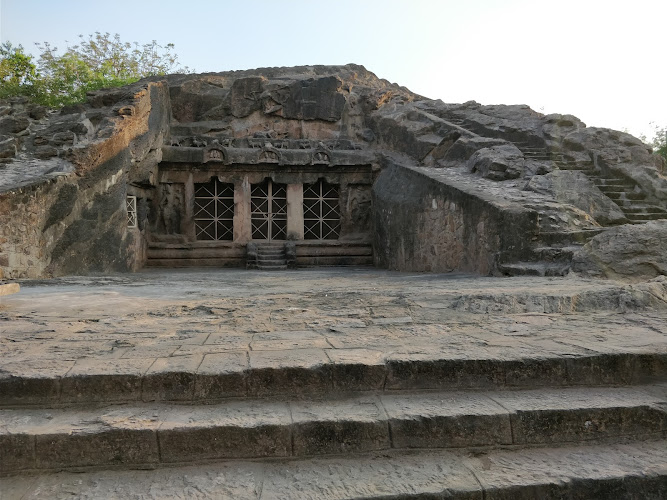
Moghalrajpuram Caves
About Moghalrajpuram Caves
Description
The Moghalrajpuram Caves in Vijayawada have this quiet, almost mysterious charm that hits you the moment you step closer to the rocky slopes. They’re not the kind of place that shouts for attention with flashy signs or massive crowds, but rather, they whisper stories from centuries ago—stories carved in stone during the 5th century CE, when the Vishnukundina dynasty ruled these lands. Some say Buddhist monks once used these caves for meditation, while others believe they were later transformed into shrines dedicated to Lord Shiva. Either way, the air here feels thick with history and a sense of devotion that’s hard to put into words.
If you’re the kind of traveler who loves discovering places that feel a bit off the beaten path, these caves are a quiet gem. They’re not as polished or touristy as some other rock-cut sites in India, and honestly, that’s part of their charm. You’ll find five ancient cave sanctuaries carved into the hillside, each with its own personality. Some sculptures are weathered, others still hold traces of their original finesse, and if you look closely, you might spot the faint outlines of deities like Ardhanareeswara and Nataraja—two of the most striking representations of Lord Shiva’s divine forms.
The place does show its age, and that’s something I personally appreciate. You can almost feel the centuries etched into the stone. Sure, it’s not spotless or perfectly preserved, but that’s what makes it real. It’s history you can touch, not just read about. There’s a certain peace that settles over you when you stand there, imagining monks and worshippers from over a thousand years ago walking the same ground.
Key Features
- Ancient Rock-Cut Architecture: The caves date back to the 5th century CE, showcasing early examples of rock-cut architecture in Andhra Pradesh.
- Religious Significance: Dedicated primarily to Lord Shiva, with notable carvings of Ardhanareeswara, Nataraja, and other deities.
- Buddhist Influence: Believed to have originally served as meditation chambers for Buddhist monks before being adapted for Hindu worship.
- Five Distinct Caves: Each cave varies in design and depth, offering a glimpse into the evolving architectural styles of the period.
- Peaceful Ambiance: Despite being in the heart of Vijayawada, the caves maintain a calm, almost meditative environment.
- Family-Friendly: The site is suitable for kids who enjoy exploring open spaces and learning about ancient history.
One of the most fascinating things about these caves is how they blend artistic expression with spiritual symbolism. The carvings aren’t just decorative—they tell stories of faith and transformation. The Ardhanareeswara sculpture, for instance, represents the union of masculine and feminine energies. It’s one of those details that make you pause and think about how deeply philosophical ancient Indian art could be.
Best Time to Visit
The best time to visit the Moghalrajpuram Caves is between November and February, when the weather in Vijayawada is cooler and more comfortable for exploring. During these months, the heat isn’t as intense, and you can wander around without feeling drained. I once made the mistake of visiting in May—let’s just say, the rocks radiate heat like an oven by noon! Early mornings or late afternoons are ideal if you want to catch the soft golden light brushing over the cave entrances. It gives the carvings a warm glow that photographs beautifully.
Monsoon season (June to September) can also be quite atmospheric, with lush greenery surrounding the caves, though the paths might get slippery. If you don’t mind a bit of drizzle and mud, it actually adds a certain mystic touch to the experience.
How to Get There
Reaching the Moghalrajpuram Caves is fairly easy since they’re located right within Vijayawada city. Most visitors arrive by auto-rickshaw or cab from the main railway station, which takes about 10–15 minutes. If you’re driving, parking can be a bit tricky as the area around the caves is quite compact, but you’ll usually find a spot nearby if you’re patient.
For those who like to explore on foot, it’s even possible to walk to the caves from central parts of the city. Just be prepared for a bit of uphill walking. The route passes through local neighborhoods, giving you a glimpse of everyday life in Vijayawada—kids playing cricket, small tea stalls, the smell of fresh dosas wafting through the air. It’s a nice little slice of local culture before you step into the silence of the caves.
Tips for Visiting
If you’re planning a trip, here are a few personal tips that might make your visit smoother and more enjoyable:
- Go early: Try to visit in the morning when it’s cooler and less crowded. The light is also perfect for photography.
- Wear comfortable shoes: The terrain is uneven, and you’ll likely be climbing over rocks and steps.
- Bring water: There are no restaurants or restrooms nearby, so come prepared.
- Respect the site: It’s a sacred and historical place, so avoid touching carvings or leaving litter behind.
- Stay alert: Some sections can be slippery, especially after rain. A flashlight can help if you want to peek into darker corners.
- Talk to locals: Sometimes, nearby residents or caretakers share fascinating stories about the caves that you won’t find in guidebooks.
One thing I personally love about visiting the Moghalrajpuram Caves is how they make you slow down. There’s no rush here, no ticket queues or loud tour guides. Just you, the stone, and the echoes of an ancient world. It’s a place that rewards curiosity—if you take your time, you’ll notice small details like the chisel marks left by artisans or the faint smell of damp earth that seems to cling to the walls.
And while it may not have the grandeur of Ellora or Ajanta, there’s something intimate about the Moghalrajpuram Caves. They remind you that history isn’t always about massive monuments—it’s also about quiet devotion, about people who carved their faith into stone with simple tools and big hearts.
So if you ever find yourself in Vijayawada, take an hour or two to step away from the city’s hustle and wander into these ancient chambers. Let the silence sink in. It’s one of those places that might not look grand at first glance, but it stays with you long after you’ve left.
Key Features
- Key Features
- Best Time to Visit
- How to Get There
- Tips for Visiting
More Details
Updated October 9, 2025
Table of Contents
Description
The Moghalrajpuram Caves in Vijayawada have this quiet, almost mysterious charm that hits you the moment you step closer to the rocky slopes. They’re not the kind of place that shouts for attention with flashy signs or massive crowds, but rather, they whisper stories from centuries ago—stories carved in stone during the 5th century CE, when the Vishnukundina dynasty ruled these lands. Some say Buddhist monks once used these caves for meditation, while others believe they were later transformed into shrines dedicated to Lord Shiva. Either way, the air here feels thick with history and a sense of devotion that’s hard to put into words.
If you’re the kind of traveler who loves discovering places that feel a bit off the beaten path, these caves are a quiet gem. They’re not as polished or touristy as some other rock-cut sites in India, and honestly, that’s part of their charm. You’ll find five ancient cave sanctuaries carved into the hillside, each with its own personality. Some sculptures are weathered, others still hold traces of their original finesse, and if you look closely, you might spot the faint outlines of deities like Ardhanareeswara and Nataraja—two of the most striking representations of Lord Shiva’s divine forms.
The place does show its age, and that’s something I personally appreciate. You can almost feel the centuries etched into the stone. Sure, it’s not spotless or perfectly preserved, but that’s what makes it real. It’s history you can touch, not just read about. There’s a certain peace that settles over you when you stand there, imagining monks and worshippers from over a thousand years ago walking the same ground.
Key Features
- Ancient Rock-Cut Architecture: The caves date back to the 5th century CE, showcasing early examples of rock-cut architecture in Andhra Pradesh.
- Religious Significance: Dedicated primarily to Lord Shiva, with notable carvings of Ardhanareeswara, Nataraja, and other deities.
- Buddhist Influence: Believed to have originally served as meditation chambers for Buddhist monks before being adapted for Hindu worship.
- Five Distinct Caves: Each cave varies in design and depth, offering a glimpse into the evolving architectural styles of the period.
- Peaceful Ambiance: Despite being in the heart of Vijayawada, the caves maintain a calm, almost meditative environment.
- Family-Friendly: The site is suitable for kids who enjoy exploring open spaces and learning about ancient history.
One of the most fascinating things about these caves is how they blend artistic expression with spiritual symbolism. The carvings aren’t just decorative—they tell stories of faith and transformation. The Ardhanareeswara sculpture, for instance, represents the union of masculine and feminine energies. It’s one of those details that make you pause and think about how deeply philosophical ancient Indian art could be.
Best Time to Visit
The best time to visit the Moghalrajpuram Caves is between November and February, when the weather in Vijayawada is cooler and more comfortable for exploring. During these months, the heat isn’t as intense, and you can wander around without feeling drained. I once made the mistake of visiting in May—let’s just say, the rocks radiate heat like an oven by noon! Early mornings or late afternoons are ideal if you want to catch the soft golden light brushing over the cave entrances. It gives the carvings a warm glow that photographs beautifully.
Monsoon season (June to September) can also be quite atmospheric, with lush greenery surrounding the caves, though the paths might get slippery. If you don’t mind a bit of drizzle and mud, it actually adds a certain mystic touch to the experience.
How to Get There
Reaching the Moghalrajpuram Caves is fairly easy since they’re located right within Vijayawada city. Most visitors arrive by auto-rickshaw or cab from the main railway station, which takes about 10–15 minutes. If you’re driving, parking can be a bit tricky as the area around the caves is quite compact, but you’ll usually find a spot nearby if you’re patient.
For those who like to explore on foot, it’s even possible to walk to the caves from central parts of the city. Just be prepared for a bit of uphill walking. The route passes through local neighborhoods, giving you a glimpse of everyday life in Vijayawada—kids playing cricket, small tea stalls, the smell of fresh dosas wafting through the air. It’s a nice little slice of local culture before you step into the silence of the caves.
Tips for Visiting
If you’re planning a trip, here are a few personal tips that might make your visit smoother and more enjoyable:
- Go early: Try to visit in the morning when it’s cooler and less crowded. The light is also perfect for photography.
- Wear comfortable shoes: The terrain is uneven, and you’ll likely be climbing over rocks and steps.
- Bring water: There are no restaurants or restrooms nearby, so come prepared.
- Respect the site: It’s a sacred and historical place, so avoid touching carvings or leaving litter behind.
- Stay alert: Some sections can be slippery, especially after rain. A flashlight can help if you want to peek into darker corners.
- Talk to locals: Sometimes, nearby residents or caretakers share fascinating stories about the caves that you won’t find in guidebooks.
One thing I personally love about visiting the Moghalrajpuram Caves is how they make you slow down. There’s no rush here, no ticket queues or loud tour guides. Just you, the stone, and the echoes of an ancient world. It’s a place that rewards curiosity—if you take your time, you’ll notice small details like the chisel marks left by artisans or the faint smell of damp earth that seems to cling to the walls.
And while it may not have the grandeur of Ellora or Ajanta, there’s something intimate about the Moghalrajpuram Caves. They remind you that history isn’t always about massive monuments—it’s also about quiet devotion, about people who carved their faith into stone with simple tools and big hearts.
So if you ever find yourself in Vijayawada, take an hour or two to step away from the city’s hustle and wander into these ancient chambers. Let the silence sink in. It’s one of those places that might not look grand at first glance, but it stays with you long after you’ve left.
Key Highlights
- Key Features
- Best Time to Visit
- How to Get There
- Tips for Visiting
Location
Places to Stay Near Moghalrajpuram Caves
Find and Book a Tour
Explore More Travel Guides
No reviews found! Be the first to review!
Traveler Reviews for Moghalrajpuram Caves
There are no reviews yet. Be the first one to write one.
Have you visited Moghalrajpuram Caves? Help other travelers by sharing your review.
You Might Also Like

Rajiv Gandhi Park

Sri Durga Malleswara Swamy Varla Devasthanam

Prakasam Barrage
Find Accommodations Nearby
Recommended Tours & Activities
Visitor Reviews
There are no reviews yet. Be the first one to write one.
Share Your Experience
Have you visited Moghalrajpuram Caves? Help other travelers by leaving a review.