

Baluartillo de San Jose
About Baluartillo de San Jose
Description
The Baluartillo de San Jose stands quietly within the storied walls of Intramuros, a place where centuries of Philippine history seem to hum softly through the stone. It’s one of those spots that might not shout for attention, but once you stumble upon it, you can’t help but linger. The structure, originally built during the Spanish colonial era, served as part of the defensive fortifications protecting Manila from invasions. Today, it’s a fascinating reminder of the city’s layered past—an architectural relic that has seen everything from colonial skirmishes to modern-day restoration efforts.
What’s striking about the Baluartillo is how it manages to balance solemn history with a surprising sense of calm. The thick stone walls, weathered by time, seem to hold stories of soldiers, priests, and citizens who once walked these grounds. And while the place carries the weight of the past, it’s not intimidating. It’s peaceful—almost meditative. You might even hear the faint echo of footsteps on cobblestones or the rustle of leaves from nearby trees. It’s one of those places where you can pause and feel connected, not just to history, but to something timeless.
Families often wander through here, kids running ahead, their laughter bouncing off the old walls. It’s safe, open, and surprisingly inviting for children, which isn’t always the case with historical sites. The restoration work has been done thoughtfully, keeping the authenticity intact while making it accessible for visitors. And while it’s not as flashy as other attractions in Manila, that’s part of its charm. It’s understated, but deeply meaningful—a quiet corner that rewards those who take the time to explore it.
Key Features
- Historic Spanish-era fortification that once played a defensive role in Intramuros’ protection.
- Beautifully preserved stone architecture showcasing classic colonial design elements.
- Peaceful ambiance ideal for slow exploration and reflection.
- Open spaces and shaded areas suitable for families and children.
- Nearby access to other Intramuros landmarks, making it easy to include in a walking tour.
- Occasional guided tours and educational visits that provide deeper historical context.
- Scenic photo opportunities, especially during golden hour when the light hits the stone walls just right.
Best Time to Visit
If there’s one thing I’ve learned from wandering around Intramuros, it’s that timing can make or break your visit. The best time to explore the Baluartillo de San Jose is early in the morning or late in the afternoon. The light is softer then, and the temperature is kinder—trust me, Manila’s midday sun can be relentless. During these hours, the place feels almost magical. There’s a quiet rhythm to the mornings, when the city hasn’t quite woken up, and a golden glow to the afternoons that makes every photo look postcard-worthy.
Weekdays tend to be less crowded, which is perfect if you prefer a slower pace. You’ll find locals taking leisurely walks or photography enthusiasts trying to capture that perfect angle of the walls. If you visit during the dry season (roughly from December to May), you’ll have a better chance of clear skies and comfortable weather. But even during the rainy months, there’s something poetic about watching raindrops slide down centuries-old stone—it’s like seeing history breathe.
How to Get There
Getting to the Baluartillo de San Jose is pretty straightforward if you’re already in Manila. Most travelers either take a short taxi or rideshare from central areas like Ermita or Binondo. If you’re up for a bit of adventure, try walking or biking through Intramuros—it’s one of the best ways to soak in the atmosphere. The cobblestone streets, the sound of church bells, the scent of freshly baked pan de sal wafting from a nearby café—it all adds to the experience.
Public transportation is also an option. Jeepneys and tricycles can drop you off near the main gates of Intramuros, and from there, it’s just a pleasant stroll. Just remember to wear comfortable shoes. Those charming cobblestones? They can be a bit tricky if you’re in sandals or heels. I once made that mistake—let’s just say I learned my lesson after a few wobbly steps and a near tumble.
Tips for Visiting
Visiting the Baluartillo de San Jose isn’t just about ticking a box on your itinerary—it’s about slowing down and letting the place speak to you. Here are a few tips to make the most of your visit:
- Take your time: Don’t rush through. Walk the perimeter, touch the old stones (gently, of course), and imagine what life was like centuries ago.
- Bring water and a hat: The Philippine sun can be unforgiving, especially if you’re exploring multiple sites in Intramuros.
- Go early or late: The lighting is better for photos, and the atmosphere feels more serene.
- Respect the site: This isn’t just a tourist attraction—it’s a historical landmark that holds cultural significance. Avoid climbing on walls or leaving trash behind.
- Combine your visit: Pair your trip with nearby attractions like Fort Santiago or the San Agustin Church for a deeper dive into Manila’s history.
- Bring kids along: They’ll enjoy exploring the open spaces, and it’s a great way to teach them about the country’s past in a hands-on way.
- Listen to the guides: If you happen to join a tour, pay attention—some of the stories they share aren’t written in any guidebook.
One small thing I always recommend: take a moment to just sit. Maybe on a bench or a low wall. Let the sounds of the city fade into the background and listen to the whispers of history around you. There’s something grounding about being in a place that has witnessed so much—wars, celebrations, changes, rebirths—and still stands firm. It reminds you that time moves on, but some things, thankfully, endure.
So if you’re planning to explore Intramuros, don’t skip the Baluartillo de San Jose. It may not be the biggest or most famous spot on your list, but it’s one of those places that quietly stays with you. And when you look back on your trip, you might just find it was one of your favorite stops.
Key Features
- Historic Spanish-era fortification that once played a defensive role in Intramuros’ protection.
- Beautifully preserved stone architecture showcasing classic colonial design elements.
- Peaceful ambiance ideal for slow exploration and reflection.
- Open spaces and shaded areas suitable for families and children.
- Nearby access to other Intramuros landmarks, making it easy to include in a walking tour.
- Occasional guided tours and educational visits that provide deeper historical context.
- Scenic photo opportunities, especially during golden hour when the light hits the stone walls just right.
More Details
Updated November 9, 2025
Table of Contents
Description
The Baluartillo de San Jose stands quietly within the storied walls of Intramuros, a place where centuries of Philippine history seem to hum softly through the stone. It’s one of those spots that might not shout for attention, but once you stumble upon it, you can’t help but linger. The structure, originally built during the Spanish colonial era, served as part of the defensive fortifications protecting Manila from invasions. Today, it’s a fascinating reminder of the city’s layered past—an architectural relic that has seen everything from colonial skirmishes to modern-day restoration efforts.
What’s striking about the Baluartillo is how it manages to balance solemn history with a surprising sense of calm. The thick stone walls, weathered by time, seem to hold stories of soldiers, priests, and citizens who once walked these grounds. And while the place carries the weight of the past, it’s not intimidating. It’s peaceful—almost meditative. You might even hear the faint echo of footsteps on cobblestones or the rustle of leaves from nearby trees. It’s one of those places where you can pause and feel connected, not just to history, but to something timeless.
Families often wander through here, kids running ahead, their laughter bouncing off the old walls. It’s safe, open, and surprisingly inviting for children, which isn’t always the case with historical sites. The restoration work has been done thoughtfully, keeping the authenticity intact while making it accessible for visitors. And while it’s not as flashy as other attractions in Manila, that’s part of its charm. It’s understated, but deeply meaningful—a quiet corner that rewards those who take the time to explore it.
Key Features
- Historic Spanish-era fortification that once played a defensive role in Intramuros’ protection.
- Beautifully preserved stone architecture showcasing classic colonial design elements.
- Peaceful ambiance ideal for slow exploration and reflection.
- Open spaces and shaded areas suitable for families and children.
- Nearby access to other Intramuros landmarks, making it easy to include in a walking tour.
- Occasional guided tours and educational visits that provide deeper historical context.
- Scenic photo opportunities, especially during golden hour when the light hits the stone walls just right.
Best Time to Visit
If there’s one thing I’ve learned from wandering around Intramuros, it’s that timing can make or break your visit. The best time to explore the Baluartillo de San Jose is early in the morning or late in the afternoon. The light is softer then, and the temperature is kinder—trust me, Manila’s midday sun can be relentless. During these hours, the place feels almost magical. There’s a quiet rhythm to the mornings, when the city hasn’t quite woken up, and a golden glow to the afternoons that makes every photo look postcard-worthy.
Weekdays tend to be less crowded, which is perfect if you prefer a slower pace. You’ll find locals taking leisurely walks or photography enthusiasts trying to capture that perfect angle of the walls. If you visit during the dry season (roughly from December to May), you’ll have a better chance of clear skies and comfortable weather. But even during the rainy months, there’s something poetic about watching raindrops slide down centuries-old stone—it’s like seeing history breathe.
How to Get There
Getting to the Baluartillo de San Jose is pretty straightforward if you’re already in Manila. Most travelers either take a short taxi or rideshare from central areas like Ermita or Binondo. If you’re up for a bit of adventure, try walking or biking through Intramuros—it’s one of the best ways to soak in the atmosphere. The cobblestone streets, the sound of church bells, the scent of freshly baked pan de sal wafting from a nearby café—it all adds to the experience.
Public transportation is also an option. Jeepneys and tricycles can drop you off near the main gates of Intramuros, and from there, it’s just a pleasant stroll. Just remember to wear comfortable shoes. Those charming cobblestones? They can be a bit tricky if you’re in sandals or heels. I once made that mistake—let’s just say I learned my lesson after a few wobbly steps and a near tumble.
Tips for Visiting
Visiting the Baluartillo de San Jose isn’t just about ticking a box on your itinerary—it’s about slowing down and letting the place speak to you. Here are a few tips to make the most of your visit:
- Take your time: Don’t rush through. Walk the perimeter, touch the old stones (gently, of course), and imagine what life was like centuries ago.
- Bring water and a hat: The Philippine sun can be unforgiving, especially if you’re exploring multiple sites in Intramuros.
- Go early or late: The lighting is better for photos, and the atmosphere feels more serene.
- Respect the site: This isn’t just a tourist attraction—it’s a historical landmark that holds cultural significance. Avoid climbing on walls or leaving trash behind.
- Combine your visit: Pair your trip with nearby attractions like Fort Santiago or the San Agustin Church for a deeper dive into Manila’s history.
- Bring kids along: They’ll enjoy exploring the open spaces, and it’s a great way to teach them about the country’s past in a hands-on way.
- Listen to the guides: If you happen to join a tour, pay attention—some of the stories they share aren’t written in any guidebook.
One small thing I always recommend: take a moment to just sit. Maybe on a bench or a low wall. Let the sounds of the city fade into the background and listen to the whispers of history around you. There’s something grounding about being in a place that has witnessed so much—wars, celebrations, changes, rebirths—and still stands firm. It reminds you that time moves on, but some things, thankfully, endure.
So if you’re planning to explore Intramuros, don’t skip the Baluartillo de San Jose. It may not be the biggest or most famous spot on your list, but it’s one of those places that quietly stays with you. And when you look back on your trip, you might just find it was one of your favorite stops.
Key Highlights
- Historic Spanish-era fortification that once played a defensive role in Intramuros’ protection.
- Beautifully preserved stone architecture showcasing classic colonial design elements.
- Peaceful ambiance ideal for slow exploration and reflection.
- Open spaces and shaded areas suitable for families and children.
- Nearby access to other Intramuros landmarks, making it easy to include in a walking tour.
- Occasional guided tours and educational visits that provide deeper historical context.
- Scenic photo opportunities, especially during golden hour when the light hits the stone walls just right.
Location
Places to Stay Near Baluartillo de San Jose
Find and Book a Tour
Explore More Travel Guides
No reviews found! Be the first to review!
Traveler Reviews for Baluartillo de San Jose
There are no reviews yet. Be the first one to write one.
Have you visited Baluartillo de San Jose? Help other travelers by sharing your review.
You Might Also Like
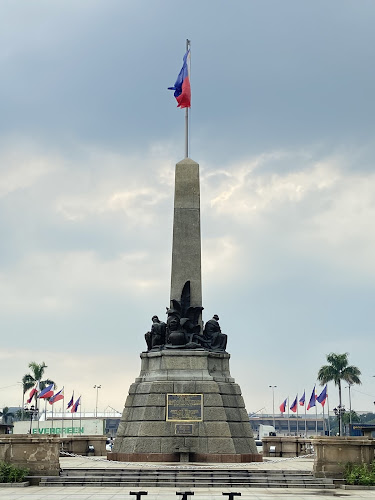
José Rizal Monument

San Agustin Church
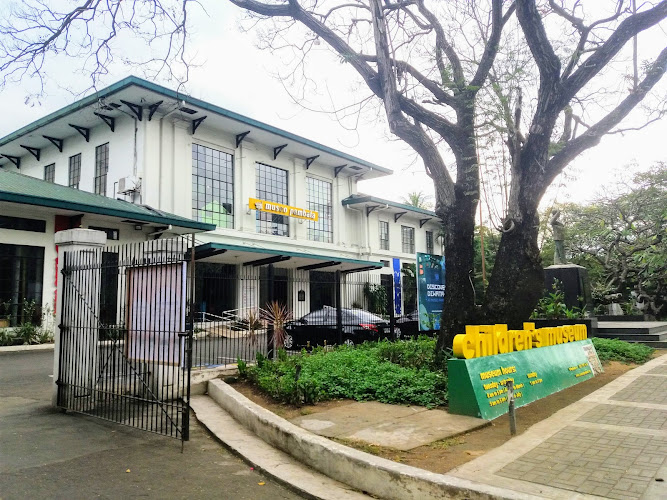
Museo Pambata
Find Accommodations Nearby
Recommended Tours & Activities
Visitor Reviews
There are no reviews yet. Be the first one to write one.
Share Your Experience
Have you visited Baluartillo de San Jose? Help other travelers by leaving a review.