About Bala Qila

Description

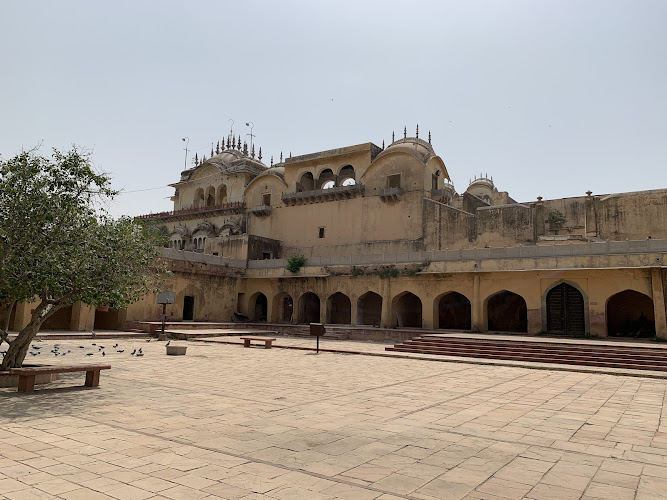
Bala Qila, also known as the Alwar Fort, is one of those places that make you stop mid-step and just take a deep breath. Perched high on a rugged hill in the Aravalli Range, this 16th-century fort looms over the city of Alwar like a quiet guardian of Rajasthan’s royal past. Built around 1550, it’s not just a pile of stones and walls—it’s a living story etched into the landscape. You can almost feel the pulse of history here, the echo of swords clashing, and the faint whispers of kings who once ruled these lands.

The fort’s architecture is massive yet intricate, a perfect blend of Mughal and Rajput styles. Its 66 towers and six grand gates stand as proud reminders of an era when grandeur wasn’t just an idea—it was a way of life. The masonry facade, weathered by centuries of sun and monsoon, still carries the same regal dignity it must have had when it was first built. And if you’re like me—someone who can spend hours wandering through old ruins—Bala Qila will feel like a treasure chest of stories waiting to be uncovered.

But let’s be honest—it’s not all polished perfection. Some sections of the fort are a bit worn down, and the climb can be a little rugged. Yet, that’s part of its charm. The imperfections make it real. You’ll find local monkeys darting around, the occasional breeze carrying the scent of wild shrubs, and views that stretch endlessly across Alwar city below. It’s the kind of place where your camera can’t quite capture the feeling, but your memory definitely will.

For history buffs, architecture lovers, or even casual travelers looking for a scenic adventure, Bala Qila offers something rare—a sense of connection to time itself. It’s not just a monument; it’s a mood, a moment, a memory in the making.

Key Features

  • Historic Significance: Built in 1550, the fort has witnessed centuries of Rajput and Mughal rule, each leaving its mark on the structure.
  • Architectural Grandeur: Features 66 towers, six massive gates, and intricate stonework that blends Mughal precision with Rajput artistry.
  • Panoramic Views: Offers breathtaking vistas of Alwar city and the surrounding Aravalli hills—especially magical at sunrise and sunset.
  • Adventure Appeal: Ideal for mild hiking and exploration; the route up the hill is scenic and dotted with wildlife.
  • Accessibility: The fort provides wheelchair-accessible entrances and parking, making it inclusive for all visitors.
  • Family-Friendly: Great for kids who love exploring open spaces and ancient structures.
  • Photography Haven: The play of light on the fort’s stone walls makes it a dream spot for photographers and content creators.

Best Time to Visit

If you ask me, the best time to visit Bala Qila is between October and March. The weather during these months is comfortably cool, perfect for hiking up the hill without feeling like you’ve run a marathon. The mornings are crisp, and the evenings glow with that golden Rajasthan light photographers chase all year.

Summers in Alwar can be pretty intense—scorching, actually—so unless you have a thing for extreme heat, it’s better to skip May and June. Monsoon season, though short, paints the hills in lush green hues, adding a completely different vibe to the fort. Just be careful on the slippery paths if you visit during the rains.

Personally, I love visiting right after the monsoon ends. The air feels fresh, the sky looks washed clean, and the view from the top is something you’ll remember long after you’ve left.

How to Get There

Getting to Bala Qila is an adventure in itself. The fort sits about a few kilometers above Alwar city, and the drive up the winding road is both scenic and slightly thrilling. You can hire a local taxi or auto-rickshaw from the city center, but if you’re feeling a bit more adventurous, renting a bike or scooter adds a sense of freedom to the journey.

The road leading up to the fort passes through the lush greenery of the Aravalli hills. You’ll likely spot peacocks along the way (yes, real ones strutting like they own the place) and maybe even a few langurs watching you curiously from the trees. If you’re into hiking, there’s also a trail that leads up to the fort—just make sure to wear comfortable shoes and carry water because the climb can get steep in parts.

Alwar itself is well-connected by road and rail from major Rajasthan cities like Jaipur and Delhi. The nearest railway station is in Alwar, and from there, it’s a quick ride to the base of the fort. There’s parking available near the entrance, which is convenient if you’re driving your own car.

Tips for Visiting

Here’s the thing about Bala Qila—it’s not a polished museum experience, and that’s exactly why it’s so memorable. To make the most of your visit, a few tips can go a long way.

  • Start Early: The fort opens in the morning, and visiting early means you’ll avoid both the crowd and the heat. Plus, the morning light makes the fort look magical.
  • Wear Comfortable Shoes: There’s a bit of walking and climbing involved, so sturdy footwear is a must.
  • Carry Water and Snacks: There aren’t many stalls near the fort, so bring your own refreshments, especially if you plan to explore for a few hours.
  • Respect the Heritage: It’s tempting to carve your name on those ancient walls (don’t do it!). The fort has survived centuries—let’s help it survive a few more.
  • Photography: Bring a good camera or your smartphone fully charged. The views from the top are jaw-dropping, especially at sunset.
  • Local Guide: If you’re into history, hiring a local guide is worth it. They often share stories and legends that you won’t find in any travel book.
  • Wildlife Awareness: The area around the fort is part of a forested zone, so keep an eye out for monkeys and birds. Just don’t feed them—they’re cheeky enough already.

I remember the first time I visited Bala Qila, I underestimated how big it was. What I thought would be a quick hour turned into half a day of wandering through corridors, climbing towers, and just sitting quietly on the ramparts watching the city below. There’s something about standing up there, surrounded by centuries of history, that makes you feel small in the best possible way.

So if you’re planning a trip to Rajasthan and looking for a place that’s a little off the usual tourist trail yet rich in character, Bala Qila should definitely be on your list. It’s raw, real, and deeply rooted in the soul of Alwar. Whether you’re a history lover, a photographer, or simply someone chasing good stories, this fort will give you one to tell.

Key Features

  • Key Features
  • Best Time to Visit
  • How to Get There
  • Tips for Visiting

More Details

Updated December 1, 2025


Description

Bala Qila, also known as the Alwar Fort, is one of those places that make you stop mid-step and just take a deep breath. Perched high on a rugged hill in the Aravalli Range, this 16th-century fort looms over the city of Alwar like a quiet guardian of Rajasthan’s royal past. Built around 1550, it’s not just a pile of stones and walls—it’s a living story etched into the landscape. You can almost feel the pulse of history here, the echo of swords clashing, and the faint whispers of kings who once ruled these lands.

The fort’s architecture is massive yet intricate, a perfect blend of Mughal and Rajput styles. Its 66 towers and six grand gates stand as proud reminders of an era when grandeur wasn’t just an idea—it was a way of life. The masonry facade, weathered by centuries of sun and monsoon, still carries the same regal dignity it must have had when it was first built. And if you’re like me—someone who can spend hours wandering through old ruins—Bala Qila will feel like a treasure chest of stories waiting to be uncovered.

But let’s be honest—it’s not all polished perfection. Some sections of the fort are a bit worn down, and the climb can be a little rugged. Yet, that’s part of its charm. The imperfections make it real. You’ll find local monkeys darting around, the occasional breeze carrying the scent of wild shrubs, and views that stretch endlessly across Alwar city below. It’s the kind of place where your camera can’t quite capture the feeling, but your memory definitely will.

For history buffs, architecture lovers, or even casual travelers looking for a scenic adventure, Bala Qila offers something rare—a sense of connection to time itself. It’s not just a monument; it’s a mood, a moment, a memory in the making.

Key Features

  • Historic Significance: Built in 1550, the fort has witnessed centuries of Rajput and Mughal rule, each leaving its mark on the structure.
  • Architectural Grandeur: Features 66 towers, six massive gates, and intricate stonework that blends Mughal precision with Rajput artistry.
  • Panoramic Views: Offers breathtaking vistas of Alwar city and the surrounding Aravalli hills—especially magical at sunrise and sunset.
  • Adventure Appeal: Ideal for mild hiking and exploration; the route up the hill is scenic and dotted with wildlife.
  • Accessibility: The fort provides wheelchair-accessible entrances and parking, making it inclusive for all visitors.
  • Family-Friendly: Great for kids who love exploring open spaces and ancient structures.
  • Photography Haven: The play of light on the fort’s stone walls makes it a dream spot for photographers and content creators.

Best Time to Visit

If you ask me, the best time to visit Bala Qila is between October and March. The weather during these months is comfortably cool, perfect for hiking up the hill without feeling like you’ve run a marathon. The mornings are crisp, and the evenings glow with that golden Rajasthan light photographers chase all year.

Summers in Alwar can be pretty intense—scorching, actually—so unless you have a thing for extreme heat, it’s better to skip May and June. Monsoon season, though short, paints the hills in lush green hues, adding a completely different vibe to the fort. Just be careful on the slippery paths if you visit during the rains.

Personally, I love visiting right after the monsoon ends. The air feels fresh, the sky looks washed clean, and the view from the top is something you’ll remember long after you’ve left.

How to Get There

Getting to Bala Qila is an adventure in itself. The fort sits about a few kilometers above Alwar city, and the drive up the winding road is both scenic and slightly thrilling. You can hire a local taxi or auto-rickshaw from the city center, but if you’re feeling a bit more adventurous, renting a bike or scooter adds a sense of freedom to the journey.

The road leading up to the fort passes through the lush greenery of the Aravalli hills. You’ll likely spot peacocks along the way (yes, real ones strutting like they own the place) and maybe even a few langurs watching you curiously from the trees. If you’re into hiking, there’s also a trail that leads up to the fort—just make sure to wear comfortable shoes and carry water because the climb can get steep in parts.

Alwar itself is well-connected by road and rail from major Rajasthan cities like Jaipur and Delhi. The nearest railway station is in Alwar, and from there, it’s a quick ride to the base of the fort. There’s parking available near the entrance, which is convenient if you’re driving your own car.

Tips for Visiting

Here’s the thing about Bala Qila—it’s not a polished museum experience, and that’s exactly why it’s so memorable. To make the most of your visit, a few tips can go a long way.

  • Start Early: The fort opens in the morning, and visiting early means you’ll avoid both the crowd and the heat. Plus, the morning light makes the fort look magical.
  • Wear Comfortable Shoes: There’s a bit of walking and climbing involved, so sturdy footwear is a must.
  • Carry Water and Snacks: There aren’t many stalls near the fort, so bring your own refreshments, especially if you plan to explore for a few hours.
  • Respect the Heritage: It’s tempting to carve your name on those ancient walls (don’t do it!). The fort has survived centuries—let’s help it survive a few more.
  • Photography: Bring a good camera or your smartphone fully charged. The views from the top are jaw-dropping, especially at sunset.
  • Local Guide: If you’re into history, hiring a local guide is worth it. They often share stories and legends that you won’t find in any travel book.
  • Wildlife Awareness: The area around the fort is part of a forested zone, so keep an eye out for monkeys and birds. Just don’t feed them—they’re cheeky enough already.

I remember the first time I visited Bala Qila, I underestimated how big it was. What I thought would be a quick hour turned into half a day of wandering through corridors, climbing towers, and just sitting quietly on the ramparts watching the city below. There’s something about standing up there, surrounded by centuries of history, that makes you feel small in the best possible way.

So if you’re planning a trip to Rajasthan and looking for a place that’s a little off the usual tourist trail yet rich in character, Bala Qila should definitely be on your list. It’s raw, real, and deeply rooted in the soul of Alwar. Whether you’re a history lover, a photographer, or simply someone chasing good stories, this fort will give you one to tell.

Key Highlights

  • Key Features
  • Best Time to Visit
  • How to Get There
  • Tips for Visiting

Location

Places to Stay Near Bala Qila

Find and Book a Tour

Explore More Travel Guides

No reviews found! Be the first to review!

Traveler Reviews for Bala Qila

There are no reviews yet. Be the first one to write one.

Share Your Experience

Have you visited Bala Qila? Help other travelers by sharing your review.

Find Accommodations Nearby

Recommended Tours & Activities

Visitor Reviews

There are no reviews yet. Be the first one to write one.

Share Your Experience

Have you visited Bala Qila? Help other travelers by leaving a review.